At 23 weeks pregnant, you’ll feel your baby’s movements, see a noticeable belly bump, and may experience increased appetite and mild backaches. Learn the typical symptoms, fetal development milestones, and helpful tips for this stage.
By Shubhra Mishra — a mom of two who turned her own confusion during pregnancy into BumpBites, a global mission to make food choices clear, safe, and stress-free for every expecting mother. 💛
Check whether any food is safe during pregnancy with the BumpBites Food Safety Checker.
Quick take: At 23 weeks you’re midway through the second trimester. Your baby is about the size of a mango, its organs are maturing, and you may notice Braxton‑Hicks contractions, a growing belly, and occasional back aches. Most women gain 1–2 kg by this point, can keep up with moderate exercise, and should continue prenatal visits, a balanced diet, and safe travel plans.
It’s 2 a.m., you’re scrolling through your phone with a cup of warm tea, and a sudden flutter in your lower belly makes you wonder: “Is this normal?” You’re not alone. The 23‑week mark often feels like a turning point—your baby’s growth accelerates, your own body changes, and a mix of excitement and anxiety can surface.
In this guide we’ll walk through exactly what to expect at 23 weeks pregnant. We’ll cover your baby’s size and milestones, how much weight you should have gained, the common symptoms you may notice, safe ways to stay active, the prenatal tests that are coming up, foods to steer clear of, and how to manage Braxton‑Hicks contractions. We’ll also share travel tips, early labor signals, and practical strategies for stretch‑mark prevention.
All of the information is drawn from reputable sources such as ACOG, NHS, and the CDC, and we’ll flag the signs that mean it’s time to call your provider. Let’s demystify week 23 so you can feel confident and comfortable as you move toward the halfway point of your pregnancy.
What are the baby's development milestones at 23 weeks pregnant?
By the time you reach 23 weeks, your baby is roughly the size of a mango or a large plum. The crown‑rump length measures about 11 inches (28 cm) and it weighs close to 1 pound (440 g). This size estimate helps you visualize the tiny human inside you and gives a reference point for what’s happening internally.
The brain is undergoing rapid growth, forming the cerebral cortex that will later control thinking, language, and memory. Neural connections are sprouting at an astonishing rate—about 250,000 neurons per minute. Although the baby can’t see, the eyes are developing the ability to detect light, and the eyelids can open and close.
In the lungs, the bronchial tubes are branching, and the respiratory muscles are strengthening, preparing for the first breath after birth. The taste buds are also forming, which means the baby may start to respond to flavors in the amniotic fluid, especially if you’ve been eating a variety of foods.
One of the most reassuring signs is the fetal heartbeat. At 23 weeks the heart rate typically ranges between 120–160 beats per minute, which can be heard clearly with a Doppler device during a prenatal visit. You may also feel more distinct movements—sometimes described as “quickening” that can feel like gentle flutters or a soft tap.
While many mothers wonder when they’ll feel the baby kick, most start noticing noticeable movements between weeks 18–22. By week 23 the pattern becomes more regular, and you might feel the baby stretch, roll, or even hiccup. These movements are a good indicator of fetal well‑being.
Overall, the 23‑week milestone is a period of rapid organ development, neurological growth, and increasing activity. If you ever feel a sudden decrease in movement or notice a notable change in the pattern, it’s wise to contact your provider promptly.
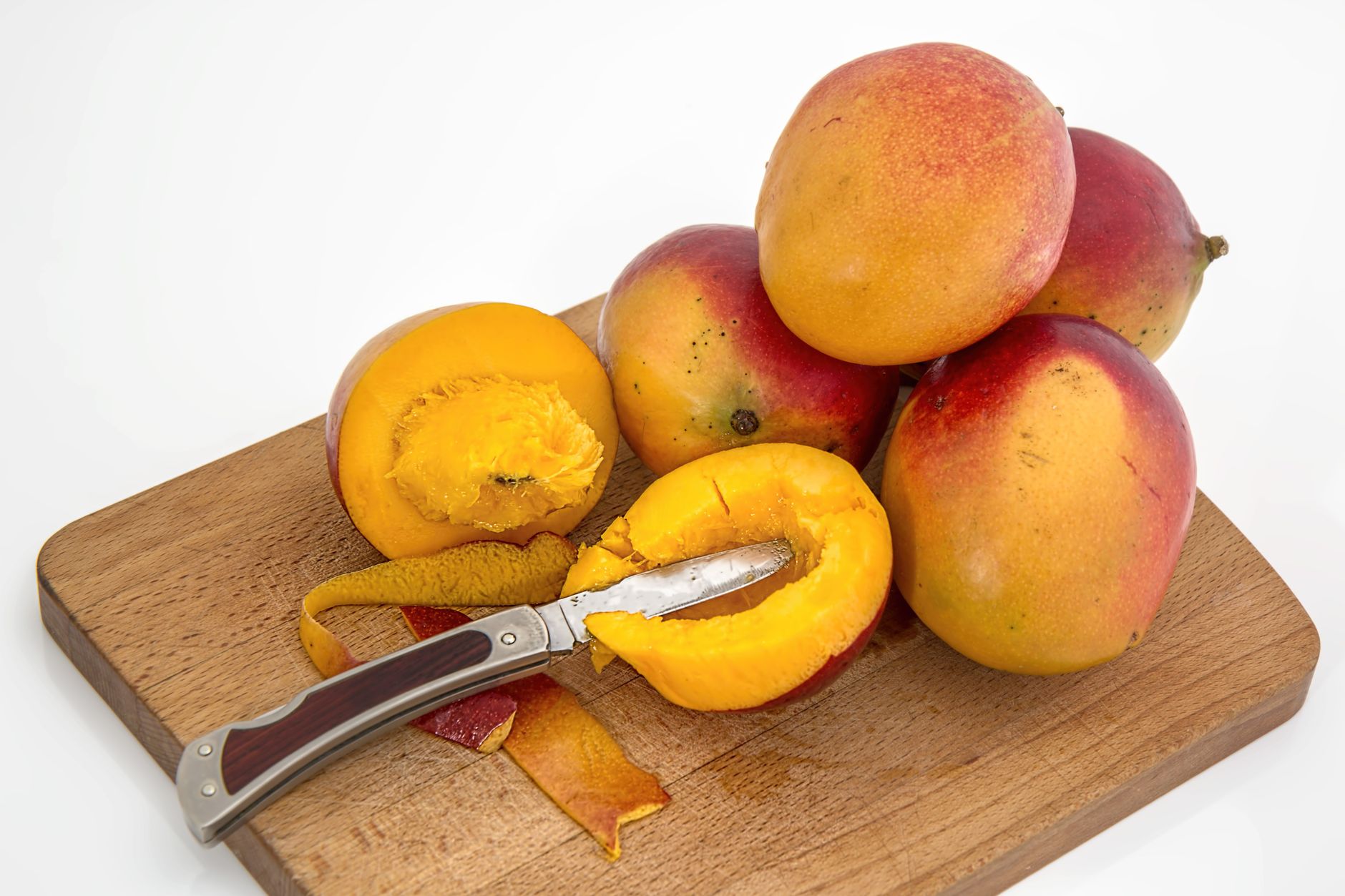
At 23 weeks the baby is about the size of a mango, roughly 11 inches long.
How much weight should I gain by 23 weeks of pregnancy, and what are the nutrition guidelines?
Weight‑gain recommendations depend on your pre‑pregnancy body mass index (BMI). In general, most women gain between 1–2 kg (2–4 lb) by the end of the second trimester. The Institute of Medicine suggests the following total gains by 23 weeks:
Underweight (BMI < 18.5): 12–18 kg total; you may have gained ~5–7 kg by week 23.
Normal weight (BMI 18.5–24.9): 11–16 kg total; expect ~4–6 kg by now.
Overweight (BMI 25–29.9): 7–11 kg total; you might have added ~3–4 kg.
Obese (BMI ≥ 30): 5–9 kg total; about 2–3 kg is typical at this stage.
These numbers are averages; individual variations are normal. The key is steady, gradual gain rather than rapid spikes. Rapid weight gain can increase the risk of gestational diabetes, hypertension, and excessive fetal growth.
Nutrition-wise, aim for an extra 300–350 kcal per day, focusing on nutrient‑dense foods. Include:
Protein: lean meats, poultry, fish low in mercury, beans, and tofu (about 70 g per day).
Iron: red meat, lentils, and iron‑rich cereals, paired with vitamin C for absorption.
Folate: leafy greens, citrus fruits, and fortified grains (continue the 600 µg daily).
Omega‑3 fatty acids: salmon, sardines, chia seeds for brain development.
Hydration is also crucial; aim for at least 2.5 L (10 cups) of water daily, more if you’re active or live in a warm climate.
Many expectant mothers worry about “eating for two.” The reality is that you only need modest extra calories, but those calories should be high in quality. Snack ideas that fit the bill include a Greek yogurt with berries, a handful of almonds, or a slice of whole‑grain toast with avocado.
If you’re experiencing persistent nausea or loss of appetite, talk to your provider. They may recommend prenatal vitamins, small frequent meals, or ginger supplements, all of which are safe according to the CDC and ACOG.
What common symptoms and discomforts should I expect at 23 weeks pregnant?
Every pregnancy is unique, but many women report a similar set of symptoms around week 23. Understanding what’s typical can help you differentiate normal changes from warning signs.
Back pain and posture shifts
As the uterus expands, your center of gravity moves forward, placing extra strain on the lower back. The hormone relaxin loosens ligaments, making you more susceptible to aches. Gentle stretching, supportive maternity belts, and proper posture while sitting can alleviate discomfort.
Braxton Hicks contractions
These “practice” contractions often begin in the second trimester and become more noticeable around week 23. They feel like a tightening or mild cramp and usually last 30 seconds to 2 minutes. Staying hydrated and changing positions can reduce their frequency.
Headaches
Hormonal fluctuations, increased blood volume, and occasional dehydration can cause headaches. If the pain is severe, sudden, or accompanied by visual changes, it could signal pre‑eclampsia—a condition that requires immediate medical attention.
Morning sickness
While many women find nausea eases after the first trimester, about 20 % still experience occasional morning sickness at 23 weeks. Eating small, frequent meals and avoiding strong odors can help.
Skin changes
Hormones can trigger hyperpigmentation (the “mask of pregnancy”) and stretch marks. Keeping skin moisturized with safe, fragrance‑free creams may improve elasticity, though genetics play a major role.
Increased urination
The growing uterus presses on the bladder, leading to more frequent trips to the bathroom, especially at night. Limiting fluids before bedtime can reduce nighttime disruptions.
Most of these symptoms are normal, but watch for red flags such as persistent severe abdominal pain, bleeding, sudden swelling of the hands or face, or a fever over 100.4 °F (38 °C). If any of these occur, contact your provider right away.
Gentle stretching can ease back pain and reduce Braxton Hicks discomfort.
Is it safe to exercise at 23 weeks pregnant, and which activities are recommended?
Exercise is generally encouraged throughout pregnancy, provided you have clearance from your obstetrician. At 23 weeks, your cardiovascular system is working harder, and staying active can help maintain stamina, reduce back pain, and improve mood.
Safe activities include:
Walking: Low impact, easily adjustable intensity, and can be done almost anywhere.
Swimming or water aerobics: The buoyancy supports your weight, easing joint stress.
Prenatal yoga: Focuses on gentle stretching, breathing, and balance.
Stationary cycling: Keeps the heart rate up without risking falls.
Strength training: Light weights or resistance bands, avoiding heavy lifting or Valsalva maneuver.
Avoid high‑impact sports, contact sports, or activities with a high risk of falling (e.g., downhill skiing, horseback riding). Also, steer clear of overheating—stop exercising if you feel dizzy, short‑of‑breath, or experience a rapid heartbeat above 140 bpm.
Here’s a quick reference table for safe exercise guidelines at 23 weeks:
Activity
Recommended Frequency
Duration per Session
Intensity (Rate of Perceived Exertion)
Walking
5‑6 days/week
30‑45 min
Moderate (you can talk, but not sing)
Swimming
3‑4 days/week
30‑60 min
Moderate
Prenatal Yoga
2‑3 days/week
45‑60 min
Gentle to moderate
Stationary Bike
3‑5 days/week
20‑30 min
Moderate
Light Strength Training
2‑3 days/week
15‑20 min
Low to moderate
Start each session with a 5‑minute warm‑up (slow walking or gentle arm circles) and finish with a cool‑down stretch. Listen to your body—if you experience pain, dizziness, or unusual shortness of breath, pause and consult your provider.
What prenatal tests and appointments are scheduled around the 23‑week mark?
Week 23 typically falls within the routine prenatal care schedule. Your provider will likely see you for a comprehensive check‑up, which may include:
Blood pressure and weight check: To monitor for hypertension or excessive weight gain.
Fundal height measurement: The distance from your pubic bone to the top of the uterus, helping gauge fetal growth.
Fetal heartbeat assessment: Using a Doppler, your provider will listen to the heart rate, confirming it’s within the normal 120–160 bpm range.
Urine analysis: Screening for protein, glucose, and signs of infection.
Anatomy ultrasound (if not done earlier): Some clinicians schedule a detailed anatomy scan between weeks 20–24 to check organ development and placental position.
Screening for gestational diabetes: Depending on your risk factors, a glucose tolerance test may be ordered later in the second trimester (often at weeks 24‑28).
If you have a history of anemia, your provider may repeat a CBC (complete blood count) to ensure iron levels are adequate. Some women also receive a Group B Streptococcus (GBS) screening around week 35, but that’s later in the pregnancy.
During the visit, feel free to ask about any new symptoms, your birth plan, or upcoming vaccinations (e.g., flu vaccine if it’s flu season). Bring a list of questions so you don’t forget anything amid the busy clinic environment.
Which foods should I avoid at 23 weeks pregnant, and how can I prevent stretch marks?
Nutrition remains a cornerstone of a healthy pregnancy, and certain foods are best limited or avoided to protect both you and your baby.
Unpasteurized dairy and soft cheeses: Risk of Listeria; choose pasteurized versions or hard cheeses like cheddar.
Raw or undercooked seafood, eggs, and meat: Prevent salmonella and toxoplasmosis. Ensure fish is cooked to an internal temperature of 145 °F (63 °C).
High‑mercury fish: Limit shark, swordfish, king mackerel, and tilefish. Opt for low‑mercury choices like salmon, sardines, and shrimp.
Caffeine excess: Keep intake under 200 mg per day (about one 12‑oz coffee) to reduce miscarriage risk.
Alcohol: No safe level has been established; abstaining is the safest choice per CDC guidance.
Processed junk foods: High in added sugars and unhealthy fats; they can contribute to excessive weight gain and gestational diabetes.
For stretch‑mark prevention, keep skin hydrated with fragrance‑free moisturizers containing ingredients like cocoa butter, shea butter, or vitamin E. While evidence on their effectiveness is mixed, many women find regular application soothing.
Beyond topical care, maintaining steady weight gain (as discussed earlier) and staying hydrated internally help skin stretch gradually. Gentle massage with a pregnancy‑safe oil can improve circulation and may reduce the severity of marks.
Here’s a quick snack guide for the 23‑week stage:
Greek yogurt with fresh berries and a drizzle of honey.
Whole‑grain toast topped with avocado and a sprinkle of pumpkin seeds.
Carrot sticks with hummus.
Apple slices paired with almond butter.
These choices provide protein, healthy fats, fiber, and essential micronutrients without excess calories.
How often do Braxton Hicks contractions occur at 23 weeks, and what are travel safety tips and early labor signs?
Braxton Hicks, often called “practice” contractions, can start as early as week 14 but become more noticeable around week 23. They usually occur irregularly—anywhere from a few times a day to a few times a week. The sensations are mild, lasting less than two minutes, and they often subside with a change in position or a glass of water.
To manage them:
Stay well‑hydrated; dehydration can trigger more frequent contractions.
Practice deep, slow breathing to relax the uterine muscles.
Change positions—lying on your left side can improve blood flow.
Gentle stretching or a warm shower may relieve tension.
If contractions become regular (every 5‑10 minutes) and increase in intensity, it could signal the onset of true labor. While true labor rarely starts before week 37, early signs—such as a persistent change in the pattern of Braxton Hicks, vaginal bleeding, or fluid leakage—should prompt a call to your provider.
Travel is generally safe at 23 weeks, but a few precautions help keep you comfortable:
Seat selection: Choose an aisle seat for easy bathroom access.
Compression stockings: Reduce swelling and the risk of blood clots on longer flights.
Stay hydrated: Drink water regularly and avoid caffeine.
Move regularly: Walk the aisle every hour to promote circulation.
Medical insurance: Verify coverage at your destination and carry a copy of your prenatal records.
Most airlines allow travel up to 36 weeks, but it’s wise to check the carrier’s specific policy. If you have a high‑risk pregnancy (e.g., placenta previa, pre‑eclampsia), your provider may advise postponing non‑essential travel.
In summary, Braxton Hicks are a normal part of the 23‑week experience, and with proper hydration, movement, and relaxation techniques you can keep them comfortable. When planning trips, a few simple steps ensure safety and peace of mind.
From our medical team: “Week 23 is a milestone of steady growth—for both you and your baby. Continue your prenatal appointments, stay active within comfort limits, and keep a balanced diet. If any symptom feels out of the ordinary—especially severe headaches, sudden swelling, or a sharp decrease in fetal movement—reach out to your provider right away. You’re doing great, and we’re here to support you every step of the way.”
Myth vs. fact
Myth: You must double your food portions after the second trimester.
Fact: Calorie needs increase by only about 300–350 kcal per day. Quality matters more than quantity, and excessive eating can raise the risk of gestational diabetes.
Myth: All stretch marks are inevitable.
Fact: While genetics play a big role, maintaining steady weight gain, staying hydrated, and using moisturizers can lessen their severity.
Myth: Braxton Hicks contractions mean labor is near.
Fact: They are common and usually harmless. True labor is characterized by regular, increasingly strong contractions that don’t subside with movement or hydration.
Key takeaways
The 23‑week baby is about the size of a mango, with a rapid brain and lung development.
Most women have gained 1–2 kg by now; aim for steady, modest weight gain based on your pre‑pregnancy BMI.
Common symptoms include back pain, occasional headaches, mild morning sickness, and Braxton Hicks contractions.
Safe exercise options are walking, swimming, prenatal yoga, and light strength training—avoid high‑impact or overheating activities.
Key prenatal visits include blood pressure, fundal height, fetal heartbeat checks, and possibly a detailed anatomy ultrasound.
Avoid unpasteurized dairy, raw seafood, high‑mercury fish, excess caffeine, and alcohol; keep skin moisturized to help prevent stretch marks.
Stay hydrated, move regularly while traveling, and monitor Braxton Hicks; call your provider if contractions become regular or you notice warning signs.
Frequently asked questions
How big is the baby at 23 weeks?
The baby measures about 11 inches (28 cm) from crown to rump and weighs roughly 1 pound (440 g), comparable to a mango.
What can I expect during my 23rd week prenatal visit?
You’ll have your blood pressure and weight checked, a fundal height measurement, a Doppler assessment of the fetal heartbeat, and possibly a detailed anatomy ultrasound if not done earlier.
Is it normal to have headaches at 23 weeks pregnant?
Occasional mild headaches are common due to hormonal changes and dehydration, but severe or sudden headaches with visual changes should be evaluated promptly for pre‑eclampsia.
Can I still have sex at 23 weeks pregnant?
For most uncomplicated pregnancies, sexual activity is safe and can continue unless your provider advises otherwise due to specific medical concerns.
When will I feel the baby move?
Most women notice distinct fetal movements between weeks 18 and 22; by week 23 the pattern becomes more regular and noticeable.
What are the warning signs at 23 weeks pregnant?
Seek medical attention if you experience severe abdominal pain, bleeding, sudden swelling of hands or face, a fever over 100.4 °F (38 °C), or a noticeable drop in fetal movements.
When to call your doctor
Contact your provider right away if you notice any of the following: persistent severe headaches, visual disturbances, sudden swelling of the face or hands, vaginal bleeding or fluid leakage, intense or regular contractions (every 5‑10 minutes), a sharp decrease in fetal movement, fever above 100.4 °F (38 °C), or any pain that feels sharp, stabbing, or does not improve with rest.
These signs may indicate complications such as pre‑eclampsia, preterm labor, or infection. This article is for informational purposes only and does not replace personalized medical advice.
References
American College of Obstetricians and Gynecologists (ACOG). “Weight Gain During Pregnancy.” 2023 clinical guidance.
National Health Service (NHS). “Pregnancy week by week.” Updated 2024.
Centers for Disease Control and Prevention (CDC). “Pregnancy Nutrition.” 2023.
World Health Organization (WHO). “Guidelines for safe exercise in pregnancy.” 2022.
American Academy of Pediatrics (AAP). “Prenatal care and fetal monitoring.” 2023.
Food Standards Agency (FSA). “Food safety for pregnant women.” 2022.
Royal College of Obstetricians and Gynaecologists (RCOG). “Management of Braxton Hicks contractions.” 2024.
National Institute for Health and Care Excellence (NICE). “Travel advice for pregnant women.” 2023.
U.S. Food and Drug Administration (FDA). “Caffeine in pregnancy.” 2022.
Society for Maternal-Fetal Medicine (SMFM). “Guidelines on gestational diabetes screening.” 2023.
Not sure about the label on 23 Weeks Pregnant What To Expect products?
Snap the ingredients list and SafeFilter checks every ingredient for your stage — only 3 free scans this month, then you're locked until reset. Unlimited from $7/mo or $50/yr.
When Shubhra Mishra was expecting her first child in 2016, she was overwhelmed by conflicting food advice — one site said yes, another said never. By the time her second baby arrived in 2019, she realized millions of mothers face the same confusion.
That sparked a five-year journey through clinical nutrition papers, cultural diets, and expert conversations — all leading to BumpBites: a calm, compassionate space where science meets everyday motherhood.
Her long-term vision is to build a global community ensuring safe, supported, and free deliveriesfor every mother — because no woman should face pregnancy alone or uninformed. 🌿
🌍 Stand with mothers, shape safer guidance
Join a small circle of experts who review BumpBites articles so expecting parents everywhere can decide with confidence.