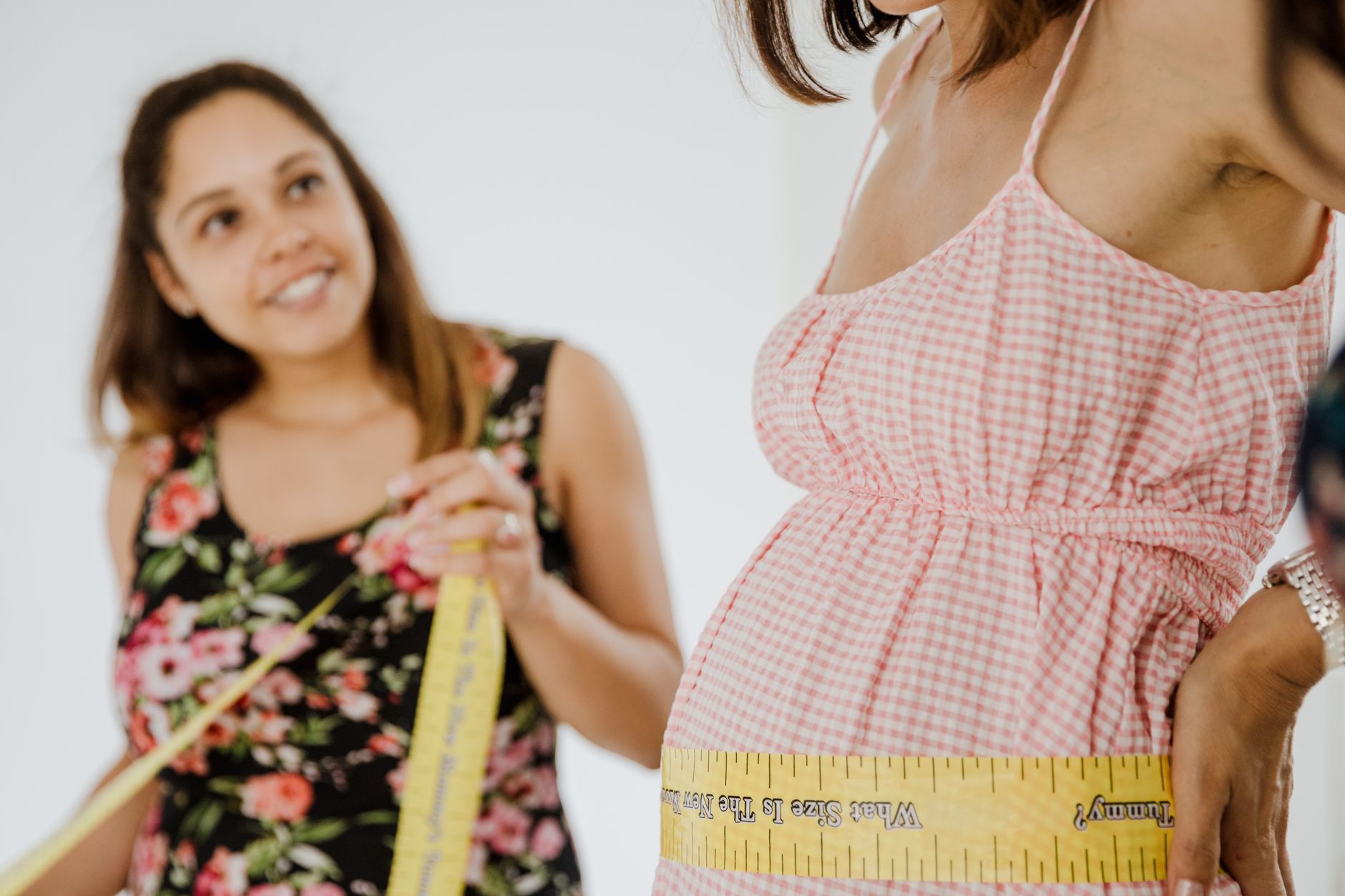
At 23 weeks, the pregnant belly typically measures about 15‑16 inches (38‑41 cm) in circumference, sits just above the hips, and shows a clear round shape, indicating steady fetal growth.
By Shubhra Mishra — a mom of two who turned her own confusion during pregnancy into BumpBites, a global mission to make food choices clear, safe, and stress-free for every expecting mother. 💛
Check whether any food is safe during pregnancy with the BumpBites Food Safety Checker.
Quick take: At 23 weeks pregnant, most bellies measure roughly 32‑36 inches (81‑91 cm) around the widest part, but a healthy range can be a few inches smaller or larger. Use a tape measure at the level of your belly button, compare to your fundal height (about 23 cm), and talk to your provider if you notice a sudden change or an extreme size.
It’s 2 a.m., you’re curled up on the couch, and a friend’s Instagram story shows a “big belly” at 23 weeks. Your mind races: “Is my belly too small? Too big? Am I doing something wrong?” You’re not alone—most expectant parents wonder exactly how big a belly should be at this stage.
Below, we break down the numbers, the reasons for variation, and the practical steps to measure and interpret your belly size. We’ll also give you guidance on clothing, comfort, and what signs mean it’s time to call your clinician.
Whether you’re tracking growth, shopping for maternity wear, or simply curious, this guide answers the most common questions about a 23‑week pregnant belly size.
What is the average belly size at 23 weeks pregnant?
When doctors talk about “fundal height,” they usually mean the distance from the top of the pubic bone to the top of the uterus, measured in centimeters. At 23 weeks, the fundal height is typically around 23 cm (≈ 9 inches) — a handy rule of thumb that aligns with many obstetric guidelines, such as those from the American College of Obstetricians and Gynecologists (ACOG) and the National Health Service (NHS).
Abdominal circumference, the measurement most people think of as “belly size,” varies more widely. Studies of healthy, singleton pregnancies report an average circumference of 32‑36 inches (81‑91 cm) at 23 weeks. This range reflects differences in maternal body habitus, uterine position, and the amount of amniotic fluid.
Because the measurement is taken around the fullest part of the abdomen—often near the belly button—the exact number can shift by a few centimeters from day to day, especially after meals or changes in posture.
23 weeks pregnant belly size in centimeters
Converting the typical inch range gives a centimeter range of 81‑91 cm. If you prefer using the metric system, aim for a measurement that falls somewhere inside this window, acknowledging that a few centimeters above or below this span are still normal.
23 weeks pregnant belly size vs baby growth chart
Growth charts for fetal size (head circumference, abdominal circumference, femur length) are plotted separately from maternal abdominal circumference. However, the fundal height measurement (≈ 23 cm) should roughly match the gestational age on the chart. If your fundal height deviates by more than 2 cm from your weeks, clinicians may order an ultrasound to double‑check fetal growth.
23 weeks pregnant belly size and weight gain recommendations
Weight‑gain guidelines from the Institute of Medicine (IOM) suggest that women with a pre‑pregnancy BMI of 18.5‑24.9 aim for a total gain of 25‑35 lb (≈ 11‑16 kg). By week 23, many have gained about 12‑18 lb (≈ 5‑8 kg). A larger belly can simply reflect a healthy amount of weight gain, while a smaller one may indicate slower gain—both are usually fine if they stay within the recommended range.
23 weeks pregnant belly size and amniotic fluid levels
Amniotic fluid contributes to overall belly size. Polyhydramnios (excess fluid) can make the abdomen appear larger, while oligohydramnios (low fluid) may make it seem smaller. Ultrasound assessment of fluid volume is the standard way to evaluate this, as described by the World Health Organization (WHO).
23 weeks pregnant belly size and uterine height measurement
Uterine height (fundal height) is measured with a tape from the pubic bone to the top of the uterus, while belly size is taken around the waist. Both numbers are useful: fundal height tracks gestational age, while abdominal circumference gives a sense of overall growth and maternal comfort.
23 weeks pregnant belly size differences for twins
Carrying twins typically adds 2‑4 inches (5‑10 cm) to the abdominal circumference at the same gestational age. The average twin belly at 23 weeks may be around 36‑40 inches (91‑102 cm). However, each twin pregnancy is unique, and size alone doesn’t predict outcomes.
23 weeks pregnant belly size after bed rest
Bed rest can cause temporary reductions in abdominal girth due to fluid shifts and reduced muscle tone. A modest decrease of 1‑2 inches (2‑5 cm) after a few days of rest is not alarming, but sustained shrinking should be discussed with your provider.
23 weeks pregnant belly size and fetal position
The fetus’s orientation (head‑down vs breech) can affect the shape of the belly. A breech presentation may give a slightly more rounded appearance, while a head‑down position can create a subtle “dip” near the lower abdomen. These differences are usually subtle and harmless.
Measuring your belly at the widest point gives the most reliable circumference.
Even within the normal range, you may notice a day‑to‑day “bounce” in size. Hormonal shifts that cause mild edema, a full bladder, or a recent snack can add an inch or two. This physiological variability is why clinicians recommend measuring at the same time each week and recording trends rather than isolated numbers.
How many inches should my belly measure at 23 weeks?
The short answer: 32‑36 inches (81‑91 cm) is the most common range for a singleton pregnancy at 23 weeks. If you fall within this window, you’re likely on track.
Keep in mind that “inches” can be a moving target. A full meal, a full bladder, or even a change in posture can add an inch or two. For consistency, measure at the same time of day—preferably after you’ve emptied your bladder and before a big meal.
If you’re tracking a specific number, aim for the middle of the range (≈ 34 inches or 86 cm). This gives you a comfortable buffer on either side, accommodating normal day‑to‑day fluctuations.
Remember, the goal isn’t to hit an exact figure but to watch for patterns. A gradual increase of about half an inch per week aligns with typical fetal growth, while sudden jumps or drops merit a chat with your provider.
Is a 23‑week belly size of 15 inches normal?
A 15‑inch (38 cm) measurement at 23 weeks would be unusually small for the typical abdominal circumference. However, “belly size” can sometimes refer to the distance from the navel to the top of the uterus (fundal height), which is about 9 inches (23 cm) at this stage.
If the 15‑inch figure is truly the circumference around the widest part of the abdomen, it likely indicates a measurement taken too low (below the belly button) or a very lean body habitus. In such cases, it’s worth double‑checking your technique and then discussing the result with your clinician, especially if you have a low pre‑pregnancy BMI.
In rare circumstances, a small measurement could signal low amniotic fluid or restricted fetal growth. Your provider would confirm this with an ultrasound and, if needed, monitor more closely.
Most clinicians will first verify the measurement method before drawing conclusions, because a mis‑placed tape can easily underestimate the true size.
What factors affect belly size at 23 weeks pregnant?
Many variables shape how big—or small—a belly looks at 23 weeks. Understanding them helps you interpret your own measurements without unnecessary worry.
Pre‑pregnancy BMI. Women with higher BMI often have larger abdominal circumferences simply because of more abdominal tissue.
Multiple gestation. Twins or higher‑order multiples add extra volume, typically increasing circumference by 2‑4 inches.
Amniotic fluid volume. Polyhydramnios can enlarge the belly; oligohydramnios can make it appear smaller.
Uterine position. A tilted uterus (ante‑flexed vs retro‑flexed) can shift the belly’s shape.
Maternal posture. Standing versus sitting changes the way the uterus sits against the abdominal wall.
Weight‑gain pattern. Rapid or uneven weight gain can affect how much of the increase is fat versus fetal tissue.
Fetal size and position. Larger babies or breech presentations may add a few centimeters to the girth.
Fluid retention. Hormonal changes can cause mild swelling that subtly increases circumference.
All of these factors are normal and usually harmless. Your obstetrician uses a combination of fundal height, ultrasound, and maternal health history to ensure everything is progressing well.
It’s also helpful to note that lifestyle choices—like staying hydrated and maintaining a balanced diet—can influence fluid retention and overall comfort, indirectly affecting how your belly feels and looks.
How does belly size differ between first and second pregnancies at 23 weeks?
Many women notice that their belly feels “different” the second time around. On average, a second pregnancy can produce a slightly larger abdominal circumference—about 1‑2 inches (2‑5 cm) more—because the abdominal muscles have already been stretched.
Conversely, some women find the belly appears smaller because the uterus may settle lower in the pelvis after a previous birth, especially if they had a vaginal delivery. This variation is completely normal and does not indicate a problem.
Research from the Royal College of Obstetricians and Gynaecologists (RCOG) shows that while the average fundal height remains consistent between first and subsequent pregnancies, the external circumference can differ modestly due to the body’s “memory” of previous stretching.
For those who have experienced a previous pregnancy loss, it’s common to feel heightened anxiety about size. Remember that the uterus is adaptable, and your care team will monitor growth with the same rigor regardless of parity.
When should I be concerned about a small or large belly at 23 weeks?
Most size differences are benign, but certain red‑flag signs warrant a prompt call to your provider.
Sudden shrinkage. If your belly suddenly measures an inch or more smaller than a week ago, it could signal decreased amniotic fluid or growth restriction.
Rapid expansion. Gaining more than 4 inches (10 cm) in a single week without a corresponding weight‑gain pattern may indicate polyhydramnios.
Discrepancy with fundal height. If your abdominal circumference is far larger or smaller than the expected fundal height (≈ 23 cm), ask for an ultrasound.
Associated symptoms. New severe abdominal pain, reduced fetal movement, or leaking fluid together with size changes should trigger an immediate call.
Remember, “normal” is a range, not a single number. If you’re ever unsure, a quick phone check‑in with your midwife or obstetrician is always the safest route.
Additionally, keep a simple log of your weekly measurements, noting any accompanying symptoms. This record helps your provider see trends and decide whether further imaging is needed.
How to measure your belly accurately at 23 weeks pregnant
Accurate measurement is simple once you have the right technique. Follow these steps each time you check:
Gather supplies. Use a flexible, non‑elastic tape measure (the kind used in sewing). Have a pen and notebook ready for recording.
Empty your bladder. Use the restroom first— a full bladder can add up to an inch.
Find the right spot. Stand upright with shoulders relaxed. Locate the belly button; the measurement is taken at the level of the navel, which usually aligns with the widest part of the abdomen at 23 weeks.
Wrap the tape. Place the tape snugly around your waist, ensuring it’s level all the way around. It should feel comfortable— not tight enough to indent the skin.
Read the number. Look at the point where the tape meets the zero mark and note the measurement. Record the result in both inches and centimeters.
Repeat for consistency. Take the measurement twice; if the numbers differ by more than 0.5 inch (1 cm), take a third reading and use the average.
For added confidence, measure at the same time of day each week—ideally in the morning after you’ve emptied your bladder and before breakfast.
When you notice a trend—steady growth, a plateau, or a sudden shift—bring your log to the next prenatal visit. Your clinician can compare your home measurements with the fundal height they record in the office.
What clothing size should I wear at 23 weeks pregnant belly size?
Finding comfortable maternity wear is part science and part personal preference. Here are some practical guidelines:
Maternity tops. Look for stretchy fabrics with a “stretch‑to‑fit” label. A size that fits your pre‑pregnancy bust but has a roomy midsection (often labeled “Maternity S/M”) works well.
Maternity pants. Many brands use a “mid‑rise” style that expands at the waist. If your belly circumference is around 34 inches, a size 12‑14 (US) or 14‑16 (UK) typically accommodates the change.
Layering. Pair a fitted tee with a roomy cardigan or kimono. This lets you adjust warmth without sacrificing style.
Supportive pieces. Belly‑support bands can smooth the silhouette and reduce strain, especially if you’re on the larger side of the range.
Try before you buy. If possible, try on clothing after a meal or after you’ve walked a few minutes—this mimics the slight expansion you’ll experience throughout the day.
Remember, comfort trumps trend. The right fit lets you move freely, breathe deeply, and enjoy the pregnancy glow.
Choose stretchy fabrics and adjustable waistbands for comfort as your belly grows.
How does nutrition influence belly size at 23 weeks?
What you eat doesn’t directly change the measurement of your uterus, but it does affect overall weight gain, fluid balance, and fetal growth—all of which contribute to abdominal circumference. A balanced diet rich in protein, healthy fats, whole grains, and plenty of fruits and vegetables supports steady, healthy weight gain as outlined by the National Institute for Health and Care Excellence (NICE).
Staying well‑hydrated is especially important. Dehydration can lead to temporary reductions in amniotic fluid, while excessive sodium intake may cause mild edema that adds a centimeter or two to your belly measurement. Aim for about 2‑3 liters of water daily, and limit salty snacks if you notice swelling.
Micronutrients such as iron and calcium don’t affect belly size directly, but they support the baby’s development and your energy levels, making it easier to stay active and maintain a healthy posture—both of which help you feel more comfortable in your growing abdomen.
Safe exercises to support a growing belly at 23 weeks
Gentle, low‑impact activities like walking, prenatal yoga, and swimming are endorsed by ACOG as safe throughout the second trimester. Regular movement helps maintain muscle tone, reduces back pain, and can even lessen the perception of a “big” belly by improving posture.
When you exercise, focus on core‑stabilizing moves that engage the transverse abdominis without compressing the uterus. Pelvic tilts, seated side bends, and cat‑cow stretches are good options. Always listen to your body—if an activity causes pain, dizziness, or shortness of breath, stop and consult your provider.
Remember to wear a supportive sports bra and, if needed, a maternity belly band during higher‑impact activities. These tools keep the uterus comfortably supported and can make your belly feel more contained, which many find reassuring.
How to involve your partner in tracking belly size
Sharing the measurement routine can turn a potentially anxiety‑filled task into a bonding moment. Invite your partner to help with the tape measure, record the numbers in a shared notebook, or even take a quick photo (with consent) to visualize growth over time.
Discuss what each measurement means together. Knowing that a gradual increase is normal helps both of you feel more confident, and any sudden change becomes an easy conversation starter for when you need to call the clinic.
Couples often find that celebrating the “middle‑range” number (about 34 inches) with a small treat—like a favorite healthy snack or a short walk—reinforces positive feelings about the pregnancy journey.
Doctor's note
From our medical team: Measuring belly size is a helpful self‑monitoring tool, but it does not replace professional assessments. If you notice a rapid change, a large discrepancy from your fundal height, or any concerning symptoms, reach out to your obstetrician or midwife promptly. Ultrasound remains the gold standard for evaluating fetal growth and amniotic fluid volume.
Myth vs. fact
Myth: A larger belly means you’re having a boy, and a smaller belly means a girl.
Fact: Belly size is not a reliable indicator of fetal sex. Gender differences in fetal size are minimal and become noticeable only in the third trimester, if at all.
Myth: You must wear a specific “pregnancy size” that matches your belly measurement exactly.
Fact: Maternity clothing is designed with stretch and adjustable waistbands, so you can often wear the same size for several weeks despite slight measurement changes.
Myth: If my belly is larger than the average, something is definitely wrong.
Fact: Variability is normal. Factors like BMI, twins, amniotic fluid, and previous pregnancies can safely increase belly size without indicating a problem.
Key takeaways
Average abdominal circumference at 23 weeks is 32‑36 inches (81‑91 cm); fundal height is about 23 cm (≈ 9 inches).
Measure at the belly button after emptying your bladder, using a flexible tape, and record the same time each week.
Normal variations stem from BMI, twins, fluid levels, uterine position, and previous pregnancies.
Sudden shrinking, rapid expansion, or a big mismatch with fundal height should prompt a call to your provider.
Comfortable maternity clothing with stretch and adjustable waistbands accommodates day‑to‑day size changes.
Track your measurements, note any trends, and keep your obstetrician in the loop for any red‑flag changes.
Frequently asked questions
What is the average belly measurement at 23 weeks of pregnancy?
The typical abdominal circumference falls between 32 and 36 inches (81‑91 cm), while the fundal height is roughly 23 cm (≈ 9 inches).
Can a small belly at 23 weeks indicate a problem?
A modestly smaller belly is usually harmless, but a sudden decrease of more than an inch or a persistent size far below the 32‑inch range should be evaluated with an ultrasound.
How do I measure my belly size correctly at 23 weeks?
First empty your bladder, then wrap a flexible tape snugly around your waist at the level of the belly button, ensuring the tape is level all the way around. Record the measurement twice and use the average.
Does the baby's gender affect belly size at 23 weeks?
No. Gender differences in fetal size are minimal at this stage and do not meaningfully change maternal abdominal circumference.
Why is my belly larger than expected at 23 weeks?
Factors such as higher pre‑pregnancy BMI, twins, increased amniotic fluid (polyhydramnios), or a naturally larger uterus can make the belly appear bigger without indicating a problem.
When should I contact my doctor about my belly size at 23 weeks?
Call your provider if you notice a rapid change (gain or loss of > 1 inch in a week), experience pain, leakage of fluid, or a noticeable drop in fetal movements.
Can I use a waist measuring tape instead of a flexible tape?
Yes, a non‑elastic waist tape works fine as long as it lies flat against your skin and you follow the same empty‑bladder protocol. The key is consistency, not the specific brand of tape.
Is it okay to measure my belly after a workout?
It’s best to measure after you’ve cooled down and emptied your bladder. Intense exercise can temporarily increase blood flow and cause mild swelling, which might add an extra half‑inch to the reading.
When to call your doctor
If you experience any of the following, seek medical attention promptly: sudden loss of > 1 inch in abdominal circumference, rapid gain of > 2 inches in a week, severe abdominal pain, vaginal bleeding, leaking fluid, or a noticeable drop in fetal movements. This article is for informational purposes only and does not replace personalized medical advice.
References
American College of Obstetricians and Gynecologists (ACOG). “Routine Prenatal Care.” Clinical guidance on fundal height measurement.
National Health Service (NHS). “Measuring your baby’s growth.” Recommendations for abdominal circumference.
World Health Organization (WHO). “Maternal health and amniotic fluid assessment.” Standards for polyhydramnios and oligohydramnios.
Institute of Medicine (IOM). “Weight Gain During Pregnancy.” Guidelines on recommended weight gain by BMI.
Royal College of Obstetricians and Gynaecologists (RCOG). “Twin pregnancies.” Data on abdominal size differences.
Centers for Disease Control and Prevention (CDC). “Prenatal care guidelines.” Information on fetal growth monitoring.
Mayo Clinic. “Fundal height measurement.” Explanation of technique and interpretation.
National Institute for Health and Care Excellence (NICE). “Antenatal care guidelines.” Advice on when to seek urgent care.
Not sure about the label on 23 Weeks Pregnant Belly Size products?
Snap the ingredients list and SafeFilter checks every ingredient for your stage — only 3 free scans this month, then you're locked until reset. Unlimited from $7/mo or $50/yr.
When Shubhra Mishra was expecting her first child in 2016, she was overwhelmed by conflicting food advice — one site said yes, another said never. By the time her second baby arrived in 2019, she realized millions of mothers face the same confusion.
That sparked a five-year journey through clinical nutrition papers, cultural diets, and expert conversations — all leading to BumpBites: a calm, compassionate space where science meets everyday motherhood.
Her long-term vision is to build a global community ensuring safe, supported, and free deliveriesfor every mother — because no woman should face pregnancy alone or uninformed. 🌿
🌍 Stand with mothers, shape safer guidance
Join a small circle of experts who review BumpBites articles so expecting parents everywhere can decide with confidence.