At 22 weeks pregnant, you'll feel your baby’s movements, see a growing belly, and experience common symptoms. Learn what to expect, health tips, and when to schedule visits.
By Shubhra Mishra — a mom of two who turned her own confusion during pregnancy into BumpBites, a global mission to make food choices clear, safe, and stress-free for every expecting mother. 💛
Check whether any food is safe during pregnancy with the BumpBites Food Safety Checker.
Quick take: At 22 weeks pregnant you’re midway through the second trimester. Your baby is about the size of a papaya, developing facial features and reflexes, while you may feel new movements, experience mild symptom shifts, and follow a specific prenatal care plan. Most mothers feel well enough for gentle exercise, should keep a balanced diet, and watch for warning signs like unusual bleeding or severe pain.
It’s 2 a.m., you’re scrolling through your phone, and a sudden flutter in your belly makes you wonder, “Is the baby moving already?” You’re not alone. Many expectant parents hit the 22‑week mark feeling a mix of excitement, curiosity, and a dash of anxiety about what’s coming next. This week is a turning point: the baby’s growth becomes more noticeable, and your own body continues to adapt.
In this guide we’ll walk through exactly what to expect at 22 weeks pregnant—from the baby’s appearance and milestones to the symptoms you might feel, the weight you should have gained, the tests on your schedule, safe ways to stay active, and the foods to steer clear of. We’ll also cover sleep‑position tips, sexual‑activity guidance, and red‑flag signs that deserve a call to your provider.
All the information is drawn from reputable sources such as the American College of Obstetricians and Gynecologists (ACOG), the National Health Service (NHS), and the Centers for Disease Control and Prevention (CDC). Still, every pregnancy is unique, so keep this as a helpful roadmap and discuss any concerns with your own care team.
What does the baby look like at 22 weeks pregnant?
By the end of week 22, your baby—now officially called a fetus—is roughly 11 inches long (about 28 cm) and weighs around 1 pound (≈ 440 g). The head still makes up about a third of the total length, but the body is catching up, giving the fetus a more proportioned appearance.
Facial features become clearer. The eyes, which have been fused shut, are now opening and may respond to light. Tiny eyebrows and eyelashes are sprouting, and the ears are positioned low on the head, ready to hear sounds from the outside world. The palate is forming, and taste buds are beginning to develop, which is why some mothers report cravings for specific foods.
The limbs are gaining strength. Fingers and toes are no longer webbed, and the fetus can make grasping motions. Reflexes such as sucking and swallowing are emerging, preparing the baby for feeding after birth.
While you can’t see these details without an ultrasound, many parents love to compare the size to familiar objects. Below is a quick visual reference:
Week
Length (inches)
Weight (ounces)
Size comparison
22
11
15.5
Papaya (ripe, medium)
20
10.5
12.7
Banana
24
12
19.5
Small mango
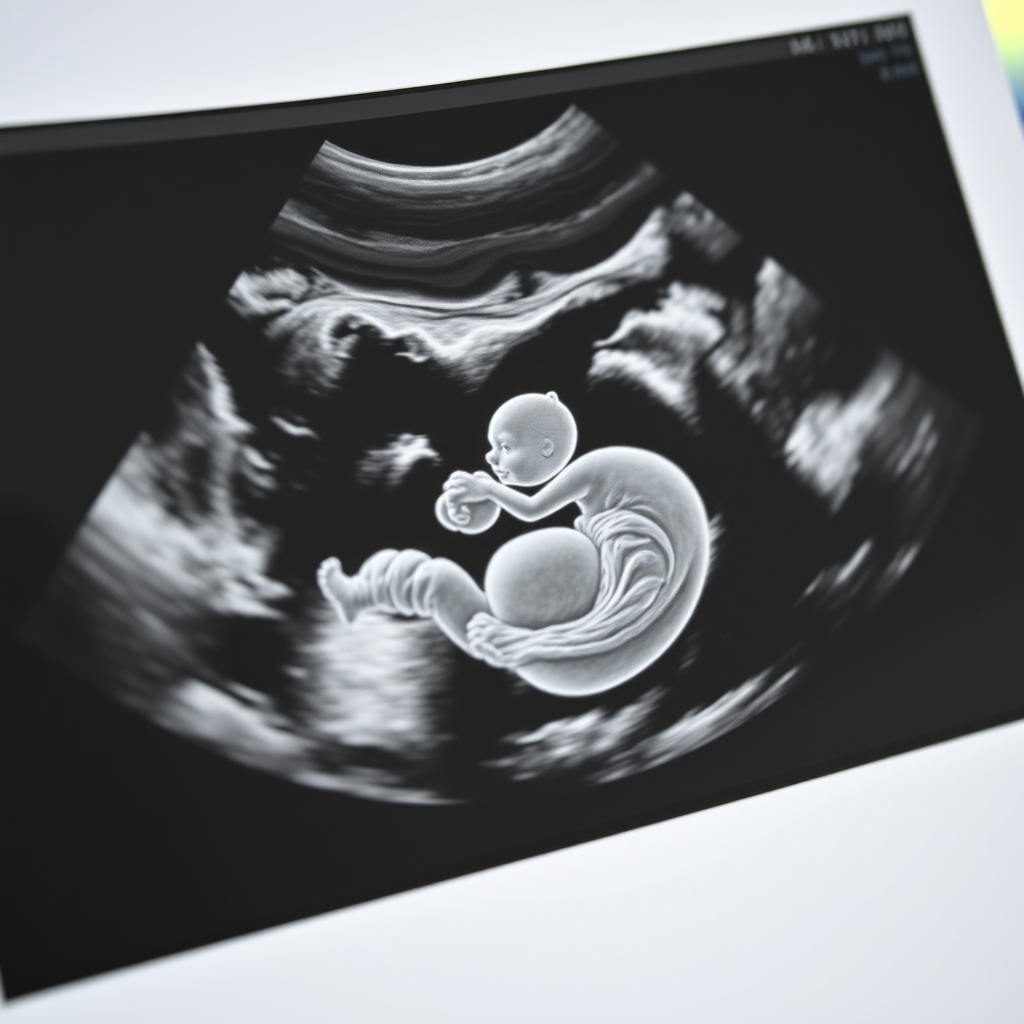
Seeing an ultrasound image can be reassuring. A typical 22‑week scan shows the baby’s profile, the spinal cord, and sometimes the first glimpse of the heartbeat (around 140‑160 bpm). If you’re curious, ask your provider about viewing the images on a secure patient portal.
Typical 22‑week ultrasound reveals the baby’s developing facial features and limbs.
What are the fetal development milestones at 22 weeks pregnant?
At this stage, the fetus’s organs are rapidly maturing. The lungs are forming branching airways, though they won’t be fully functional until later in the third trimester. The brain continues to grow, with the cerebral cortex expanding and the beginnings of rapid neural connections.
Respiratory system: Bronchi and bronchioles are developing, and surfactant production starts, which will later help the lungs inflate after birth.
Digestive system: The intestines are lengthening and moving into the abdomen. The fetus can swallow amniotic fluid, practicing the swallowing reflex.
Nervous system: Reflexes such as sucking, swallowing, and grasping are becoming more coordinated. The baby may also start to respond to external sounds, turning the head toward a voice.
Skeletal system: Bones are hardening, and the rib cage is expanding. The cartilage in the ears is forming, setting the stage for hearing.
Skin: A fine, downy covering called lanugo protects the delicate skin. A thin, waxy coating called vernix caseosa starts to appear, keeping the skin moisturized.
These milestones are why many providers schedule a detailed anatomy scan around 20‑22 weeks. It checks for structural anomalies and lets you hear your baby’s heartbeat—a moment many parents describe as “the most emotional part of pregnancy.”
What common symptoms can I expect at 22 weeks of pregnancy?
Every pregnancy is different, but a handful of symptoms appear frequently around the 22‑week mark:
Fetal movement: You may feel gentle flutters, known as “quickening.” By week 22, movements become more rhythmic and stronger.
Backaches: As the uterus expands, added weight and posture changes strain the lower back.
Leg cramps: Calcium and magnesium needs increase; nighttime cramps are common.
Heartburn and indigestion: Hormonal relaxation of the lower esophageal sphincter lets stomach acid rise.
Increased vaginal discharge: A thin, milky discharge (leukorrhea) is normal, but it should be odor‑free.
Changes in skin: The “pregnancy glow” may appear, along with possible darkening of the linea nigra (the line down the abdomen).
Morning sickness often eases after the first trimester, but some women still experience nausea in the second trimester. If nausea persists or worsens, discuss it with your provider—they can suggest safe remedies such as ginger or vitamin B6.
Sleep disturbances are common. Many find relief by sleeping on the left side, which improves blood flow to the placenta. If you’re unsure about the best position, see the dedicated sleep‑position advice below.
How much weight should I have gained by 22 weeks pregnant?
Weight‑gain recommendations depend on pre‑pregnancy BMI. The Institute of Medicine (IOM) suggests the following total gains by the end of the second trimester (around 28 weeks):
Pre‑pregnancy BMI
Recommended total gain by 28 weeks
Underweight (< 18.5)
15‑25 lb (≈ 7‑11 kg)
Normal weight (18.5‑24.9)
20‑30 lb (≈ 9‑14 kg)
Overweight (25‑29.9)
15‑25 lb (≈ 7‑11 kg)
Obese (≥ 30)
11‑20 lb (≈ 5‑9 kg)
By 22 weeks, you’ll likely have gained about half of the total recommended amount. A steady gain of 0.5‑1 lb (≈ 0.2‑0.5 kg) per week is typical for a normal‑weight pregnancy. Rapid weight gain or loss should prompt a conversation with your provider, as it can affect fetal growth and maternal health.
Remember that weight gain includes the baby, placenta, amniotic fluid, increased blood volume, and maternal fat stores. Staying hydrated, eating nutrient‑dense foods, and incorporating gentle exercise can help you meet targets without excess.
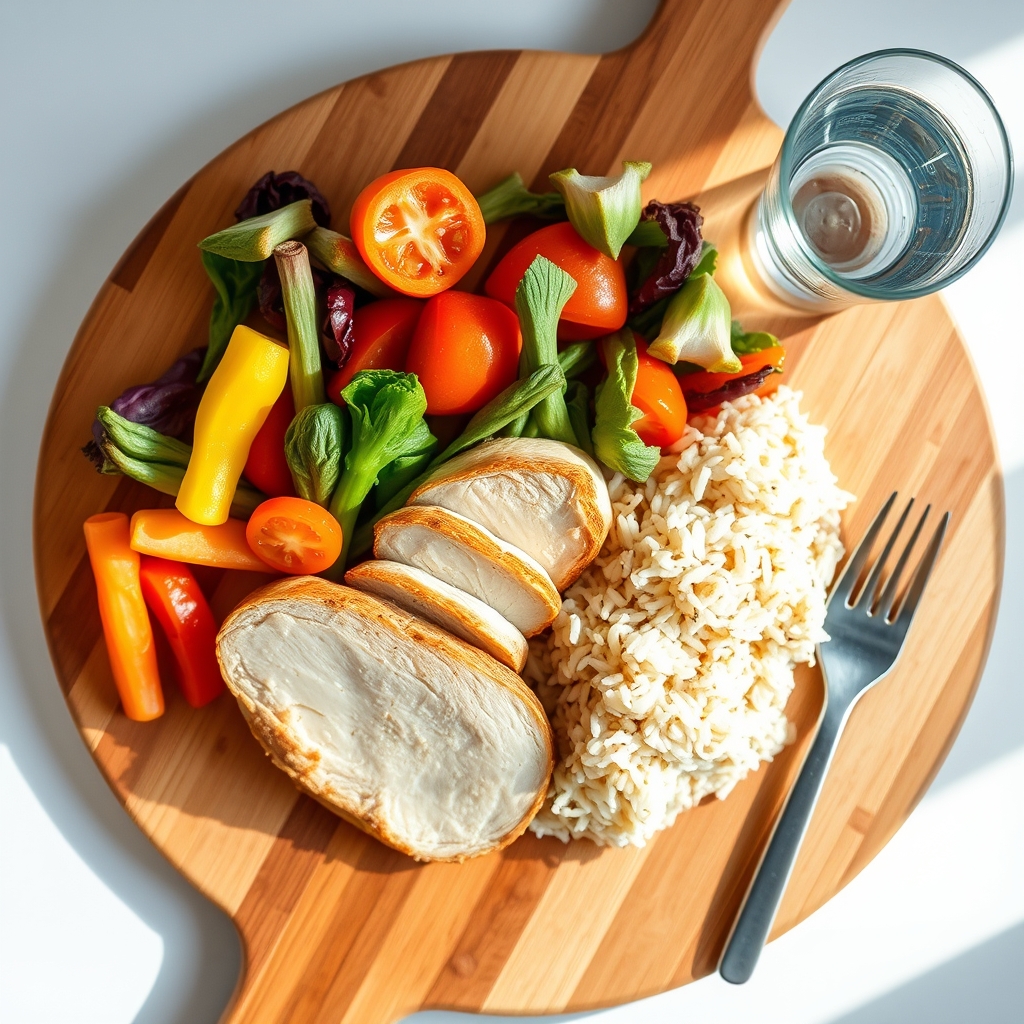
A balanced plate supports the nutrients needed for fetal growth and maternal energy.
What prenatal tests are scheduled at 22 weeks pregnant?
The 20‑22‑week anatomy scan is the centerpiece of mid‑pregnancy testing. This detailed ultrasound checks the baby’s major organs, the placenta’s position, and amniotic fluid volume. It also offers an opportunity to learn the baby’s sex, if you wish.
Other routine labs may be repeated at this stage:
Blood type and antibody screen: Ensures you’re compatible with potential transfusion needs.
Glucose screening: Some providers perform a 1‑hour glucose challenge at 24‑28 weeks; a preliminary screen may happen earlier if you’re at risk.
Hemoglobin/hematocrit: Checks for anemia.
Urine culture: Detects asymptomatic urinary‑tract infections that could affect pregnancy.
Dental care is safe and recommended. The American Dental Association (ADA) notes that routine cleanings and necessary dental work can be performed during pregnancy, preferably in the second trimester when you’re most comfortable.
Travel is generally permissible at 22 weeks, especially if you’re not experiencing complications. The CDC advises staying hydrated, moving regularly on long flights, and having a copy of your prenatal records. However, discuss any long trips with your provider, especially if you have a history of preterm labor.
When it comes to the baby’s first noticeable movements, many mothers feel them between weeks 18‑22. The movements start as subtle “bubbles” and become more distinct as the baby grows.
Is it safe to exercise at 22 weeks pregnant?
Most obstetric guidelines, including those from ACOG, encourage moderate‑intensity aerobic activity for at least 150 minutes per week throughout the second trimester, provided there are no contraindications.
Safe activities include:
Walking briskly
Swimming or water aerobics
Prenatal yoga (focus on gentle stretching)
Stationary cycling with light resistance
Avoid high‑impact sports, deep squats that compress the abdomen, and activities with a high risk of falling (e.g., horseback riding, downhill skiing). Listen to your body—if you experience dizziness, shortness of breath, uterine contractions, or vaginal bleeding, stop and call your provider.
Strength training can be safe if you use light weights and maintain proper form. Core work should focus on stabilization (e.g., pelvic‑tilt exercises) rather than intense crunches, which can strain the abdominal muscles.
What foods should I avoid at 22 weeks pregnant?
Nutrition remains a cornerstone of fetal health. While you can enjoy most foods, certain items should be limited or avoided to reduce infection risk and excessive exposure to harmful substances:
Raw or undercooked seafood: Avoid sushi, sashimi, and raw oysters to prevent Vibrio and parasites.
Unpasteurized dairy and soft cheeses: Skip feta, brie, camembert, and any cheese labeled “unpasteurized” to reduce Listeria risk.
Cold deli meats and hot dogs: Reheat to steaming hot before eating.
High‑mercury fish: Limit shark, swordfish, king mackerel, and tilefish; choose low‑mercury options like salmon, sardines, or shrimp.
Caffeine: Keep intake below 200 mg per day (about one 12‑oz coffee). Decaf and herbal teas (that are pregnancy‑safe) are good alternatives.
Alcohol: No safe level has been established; most guidelines advise complete abstinence.
While you’re at it, ensure you’re getting enough folic acid, iron, calcium, and DHA. A prenatal vitamin that meets the Recommended Dietary Allowance (RDA) for these nutrients is usually sufficient, but discuss any additional supplementation with your provider.
What are the guidelines for sexual activity and sleep position at 22 weeks pregnant?
Sexual activity is safe for most uncomplicated pregnancies. The uterus is well protected by the amniotic fluid, and a healthy cervix does not open during intercourse. If you experience any of the following, pause and contact your provider:
Vaginal bleeding or spotting
Severe cramping or pelvic pain
Leaking amniotic fluid
Unusual discharge or foul odor
Use pillows for support if you feel uncomfortable. Many couples find that side‑lying positions (especially the left side) are most comfortable at this stage.
Sleep position also matters. The left side improves blood flow to the placenta and reduces pressure on the inferior vena cava. If you wake up on your back, simply shift without worry—there’s no need to panic, but aim for side‑sleeping when you can.
To make side‑sleeping easier, place a pillow between your knees and another behind your back. A body pillow can also provide full‑length support, helping you stay comfortable through the night.
From our medical team: “At 22 weeks, you’re well into the second trimester, and both you and your baby are thriving. Keep up with your prenatal appointments, stay active in ways that feel good, and listen to your body’s signals. If anything feels out of the ordinary—especially bleeding, severe pain, or sudden swelling—reach out to your provider promptly.”
Myth vs. fact
Myth: You must feel the baby move by 22 weeks or something is wrong.
Fact: While many feel movement between weeks 18‑22, up to 10 % notice it a bit later, especially first‑time mothers. If you haven’t felt anything by week 24, ask your provider for an ultrasound.
Myth: All pregnant women should avoid all caffeine after the first trimester.
Fact: Moderate caffeine (under 200 mg per day) is considered safe by the FDA and ACOG. Excessive intake, however, can increase the risk of low birth weight.
Myth: You can’t travel after the first half of pregnancy.
Fact: Travel is generally safe up to 36 weeks for most women, provided you stay hydrated, move regularly, and have your prenatal records handy.
Key takeaways
By 22 weeks the baby is about the size of a papaya and developing facial features, hearing, and reflexes.
Common symptoms include fetal movements, backaches, leg cramps, and occasional heartburn.
Aim for a steady weight gain of about 0.5‑1 lb per week, matching your pre‑pregnancy BMI.
Mid‑pregnancy anatomy ultrasound, labs, and a glucose screen (later) are the main tests.
Skip raw seafood, unpasteurized dairy, high‑mercury fish, and limit caffeine; a prenatal vitamin covers essential nutrients.
Sex is safe unless you have bleeding or pain; sleep on your left side for optimal blood flow.
Contact your provider if you notice heavy bleeding, sudden swelling, severe pain, or any signs of preterm labor.
Frequently asked questions
How big is the baby at 22 weeks pregnant?
The baby measures about 11 inches (28 cm) long and weighs roughly 1 pound (440 g), comparable to a ripe papaya.
What are the common symptoms at 22 weeks of pregnancy?
Typical symptoms include noticeable fetal movements, backaches, leg cramps, heartburn, increased vaginal discharge, and occasional mild nausea.
Can I travel during the 22nd week of pregnancy?
Yes, travel is generally safe at 22 weeks if you stay hydrated, move regularly on long trips, and have a copy of your prenatal records; always check with your provider if you have complications.
Is it safe to have a dental cleaning at 22 weeks pregnant?
Dental cleanings are safe and recommended in the second trimester; the ADA advises routine care to prevent gum disease, which can affect pregnancy outcomes.
When will I feel the baby move at 22 weeks?
Most mothers feel the first flutters between weeks 18‑22; movements start as gentle bubbles and become stronger as the baby grows.
What prenatal tests are done at 22 weeks?
The key test is a detailed anatomy ultrasound, plus labs for blood type, anemia, urine culture, and possibly an early glucose screen if you’re at risk.
When to call your doctor
Seek immediate medical attention if you experience any of the following: heavy vaginal bleeding, sudden severe abdominal pain, fluid leakage, fever over 100.4 °F (38 °C), swelling of the face or hands, or a noticeable decrease in fetal movement.
This article provides general information and does not replace personalized medical advice. Always discuss your specific situation with your obstetrician, midwife, or qualified health professional.
References
American College of Obstetricians and Gynecologists (ACOG). “Routine Prenatal Care.” 2023 clinical guidance.
National Health Service (NHS). “Pregnancy week by week.” Updated 2022.
Centers for Disease Control and Prevention (CDC). “Caffeine and Pregnancy.” 2021.
World Health Organization (WHO). “Guidelines for antenatal care.” 2022.
American Dental Association (ADA). “Oral Health Care During Pregnancy.” 2021.
Institute of Medicine (IOM). “Weight Gain During Pregnancy.” 2009.
Food and Drug Administration (FDA). “Pregnancy and Lactation Labeling.” 2020.
Harvard Medical School. “Fetal development: 22 weeks.” 2023.
Mayo Clinic. “Exercise during pregnancy: Safety guidelines.” 2022.
U.S. Department of Health & Human Services (HHS). “Prenatal Vitamin Recommendations.” 2021.
Not sure about the label on 22 Weeks Pregnant What To Expect products?
Snap the ingredients list and SafeFilter checks every ingredient for your stage — only 3 free scans this month, then you're locked until reset. Unlimited from $7/mo or $50/yr.
When Shubhra Mishra was expecting her first child in 2016, she was overwhelmed by conflicting food advice — one site said yes, another said never. By the time her second baby arrived in 2019, she realized millions of mothers face the same confusion.
That sparked a five-year journey through clinical nutrition papers, cultural diets, and expert conversations — all leading to BumpBites: a calm, compassionate space where science meets everyday motherhood.
Her long-term vision is to build a global community ensuring safe, supported, and free deliveriesfor every mother — because no woman should face pregnancy alone or uninformed. 🌿
🌍 Stand with mothers, shape safer guidance
Join a small circle of experts who review BumpBites articles so expecting parents everywhere can decide with confidence.