At 22 weeks pregnant, you’ll feel a growing baby bump, increased fetal movement, possible round ligament pain, and changes like skin darkening; learn the common symptoms and when to seek care.
By Shubhra Mishra — a mom of two who turned her own confusion during pregnancy into BumpBites, a global mission to make food choices clear, safe, and stress-free for every expecting mother. 💛
Check whether any food is safe during pregnancy with the BumpBites Food Safety Checker.
Quick take: At 22 weeks you’re midway through pregnancy. Expect a growing belly, more noticeable fetal movements, mild back pain, occasional headaches, and common aches like leg cramps. Most symptoms are normal, but keep an eye on sudden swelling, high blood pressure, or severe pain and call your provider if they appear.
It’s 2 a.m., you’re curled up on the couch, a gentle flutter has just started in your lower abdomen, and you wonder, “Is this what a 22‑week pregnancy feels like?” You’re not alone. Many expectant parents hit this exact moment—halfway through the second trimester, the body changes become noticeable, and a mix of excitement and concern swirls together.
In this guide we’ll walk through every question you might be asking about 22 weeks pregnant symptoms. From the typical aches and cravings to what your baby is doing inside, how much weight you should have gained, and which prenatal tests are on the schedule, we’ve got you covered. We’ll also share practical tips for easing leg cramps, back pain, and swelling, plus clear warning signs that merit a call to your doctor.
By the end, you’ll have a clear picture of what’s normal, what to watch for, and how to feel confident navigating the second half of your pregnancy.
What are the common symptoms at 22 weeks pregnant?
Most people describe the 22‑week mark as a “steady‑state” phase. Hormones have mostly settled, and the uterus is now the size of a large papaya, pushing against the diaphragm and spine. Typical symptoms include:
Increased fetal movement: You may feel distinct kicks, rolls, or even hiccups.
Back discomfort: The added weight shifts your center of gravity, straining the lower back.
Leg cramps: Often occurring at night, caused by fluid shifts and growing pressure on nerves.
Headaches: Hormonal fluctuations and blood‑volume changes can trigger tension‑type headaches.
Heartburn and indigestion: The uterus presses on the stomach, slowing digestion.
Fatigue: While many feel a surge of energy in the second trimester, the extra workload can still be tiring.
Swelling (edema): Mild ankle swelling is common as circulation adapts.
These symptoms are usually harmless, but they can vary widely. If any pain feels sharp, sudden, or is accompanied by bleeding, contact your provider right away.
How much weight should I gain by 22 weeks pregnancy?
Weight‑gain recommendations are based on your pre‑pregnancy body‑mass index (BMI). The American College of Obstetricians and Gynecologists (ACOG) suggests the following total gains by the end of pregnancy:
Pre‑pregnancy BMI
Total recommended gain
Typical gain by 22 weeks
Underweight (BMI < 18.5)
28–40 lb (12.5–18 kg)
≈ 14–20 lb (6.5–9 kg)
Normal weight (BMI 18.5–24.9)
25–35 lb (11.5–16 kg)
≈ 12–18 lb (5.5–8 kg)
Overweight (BMI 25–29.9)
15–25 lb (7–11.5 kg)
≈ 8–12 lb (3.5–5.5 kg)
Obesity (BMI ≥ 30)
11–20 lb (5–9 kg)
≈ 5–10 lb (2.5–4.5 kg)
These figures are averages; your provider will tailor a plan based on your health, activity level, and any pregnancy complications. The key is steady, gradual gain—roughly 0.5–1 lb (0.2–0.45 kg) per week after the first trimester.
Can I feel my baby move at 22 weeks pregnant?
Yes. By 22 weeks many people notice distinct movements, often described as “flutters,” “rolls,” or “punches.” The baby’s muscles and nervous system are developing rapidly, and the uterine wall is thin enough for you to sense these early motions.
First‑time mothers may feel movement as a vague flutter, while those who have been pregnant before often recognize a more pronounced kick. If you haven’t felt anything yet, try lying on your left side after a snack; the sugar boost can stimulate activity, and the position improves blood flow to the uterus.
Typical frequency is 10–30 movements per hour. If you notice a sudden decrease in movement after this point, contact your provider—reduced activity can be a sign of fetal distress.
Is it normal to have headaches at 22 weeks pregnant?
Headaches are fairly common in the second trimester. Hormonal shifts, increased blood volume, and changes in posture can all trigger tension‑type headaches. Dehydration, low iron, or insufficient sleep can also contribute.
Most headaches are manageable with rest, hydration, and gentle stretching. However, certain headache patterns warrant medical attention, such as:
Sudden, severe “thunderclap” pain.
Headaches accompanied by visual disturbances (flashing lights, blurred vision).
Persistent nausea or vomiting.
These could signal pre‑eclampsia—a serious rise in blood pressure—so you should call your provider right away if any of these occur.
What foods should I avoid at 22 weeks pregnancy?
Nutrition remains a cornerstone of a healthy pregnancy, but some foods still pose risks. The FDA and CDC advise avoiding:
Unpasteurized dairy and soft cheeses (e.g., brie, feta, queso fresco) because of Listeria risk.
Raw or undercooked eggs and meats (including sushi with raw fish) which can harbor Salmonella or Toxoplasma.
High‑mercury fish such as shark, swordfish, king mackerel, and tilefish.
Deli meats unless heated until steaming hot.
Unwashed fruits and vegetables that may contain pesticide residues or bacteria.
Focus on iron‑rich foods (lean red meat, beans, fortified cereals), calcium sources (dairy or fortified plant milks), and omega‑3 fatty acids from low‑mercury fish like salmon. Staying hydrated and choosing whole, nutrient‑dense foods will support both you and your baby.
How to relieve leg cramps at 22 weeks pregnant?
Leg cramps, especially in the calves, often strike at night. Here are evidence‑based strategies:
Stretch before bed: Gently pull your foot upward toward your shin (dorsiflex) and hold for 30 seconds.
Stay hydrated: Aim for at least 8–10 glasses of water daily; dehydration can trigger cramps.
Magnesium‑rich snacks: A handful of almonds, a banana, or a glass of fortified soy milk can help.
Comfortable footwear: Avoid high heels; opt for supportive shoes with good arch support.
Elevate your legs: When sitting, place a small pillow under your feet to improve circulation.
If cramps become frequent, discuss a magnesium supplement with your provider—dosage should be individualized.
What prenatal tests are done at 22 weeks pregnancy?
At the 22‑week mark, most clinicians schedule the anatomy ultrasound (often called the “mid‑pregnancy scan”). This detailed exam checks the baby’s growth, organ development, and amniotic fluid levels. It also helps identify structural anomalies such as heart defects or spina bifida.
In addition to the anatomy scan, providers may order:
Maternal blood tests for anemia, blood type, and infectious disease screening (e.g., hepatitis B, HIV).
Glucose tolerance test if not completed earlier, to screen for gestational diabetes.
Urine culture if there are symptoms of urinary tract infection.
These assessments guide care for the remainder of pregnancy and help plan for delivery.
How much does my belly size increase at 22 weeks pregnancy?
By week 22 your uterus has risen above the pelvic brim and is about the size of a large papaya, roughly 22 cm (8‑9 inches) from the top of the pubic bone to the uterine fundus. Many people notice a visible bulge that extends a few centimeters above the waistline.
Because each body is different—factors such as uterine tone, abdominal muscle strength, and the baby’s position affect appearance. If you’re tracking growth with a measuring tape, a typical increase from week 20 to week 22 is about 1–2 cm (0.4–0.8 inches).
What blood pressure changes occur at 22 weeks pregnant?
During a healthy pregnancy, blood pressure often dips slightly in the first trimester, then gradually rises back to pre‑pregnancy levels by the second trimester. At 22 weeks, most providers expect a systolic reading between 110–130 mm Hg and diastolic between 70–80 mm Hg.
Significant elevations—systolic ≥ 140 mm Hg or diastolic ≥ 90 mm Hg—may indicate pre‑eclampsia, especially if accompanied by protein in the urine, swelling, or headaches. Routine prenatal visits include blood‑pressure checks, so you’ll have a clear baseline to compare.
What sleep problems and tips are common at 22 weeks pregnant?
Sleep disturbances often stem from a growing belly, leg cramps, and hormonal changes. Common issues include difficulty finding a comfortable position, frequent nighttime urination, and heartburn.
Try these sleep‑friendly strategies:
Left‑side sleeping: Improves blood flow to the uterus and reduces pressure on the vena cava.
Use pillows: A full‑body pillow or a stack of two regular pillows between the knees can align the spine.
Stay hydrated—but limit fluids in the hour before bed to reduce nighttime trips to the bathroom.
Warm showers before bedtime can relax muscles and ease cramps.
Gentle stretching or a short walk after dinner helps settle the stomach.
If insomnia persists or you experience snoring or gasping, discuss a sleep evaluation with your provider.
What back pain remedies work at 22 weeks pregnant?
Back pain is one of the most frequently reported complaints in the second trimester. The expanding uterus shifts your center of gravity forward, straining the lumbar spine.
Effective relief methods include:
Prenatal yoga or gentle stretching: Focus on cat‑cow poses, pelvic tilts, and hamstring stretches.
Supportive belts: A maternity support belt can offload pressure from the lower back.
Heat therapy: A warm (not hot) compress for 15 minutes can soothe tense muscles.
Proper posture: Keep shoulders back, ears aligned with shoulders, and avoid slouching.
Regular low‑impact exercise: Walking or swimming maintains muscle tone without over‑stress.
If pain is sharp, radiates down the leg, or is accompanied by numbness, seek medical evaluation promptly.
What fetal development milestones are reached at 22 weeks pregnant?
At 22 weeks the baby is roughly the size of a mango, about 28 cm (11 inches) long, and weighs around 430 g (15 oz). Key developmental highlights include:
Brain growth: The cerebral cortex is forming, laying the groundwork for future cognition.
Eyes: Pupils can respond to light, and the baby may start to open and close eyes.
Hearing: The auditory system is functional; the baby can recognize and respond to external sounds.
Lung development: Bronchioles are branching, and surfactant production begins, preparing for breathing after birth.
Movement: Coordinated kicks and rolls become more frequent as muscles strengthen.
These milestones are routinely visualized during the anatomy ultrasound, which helps confirm normal growth.
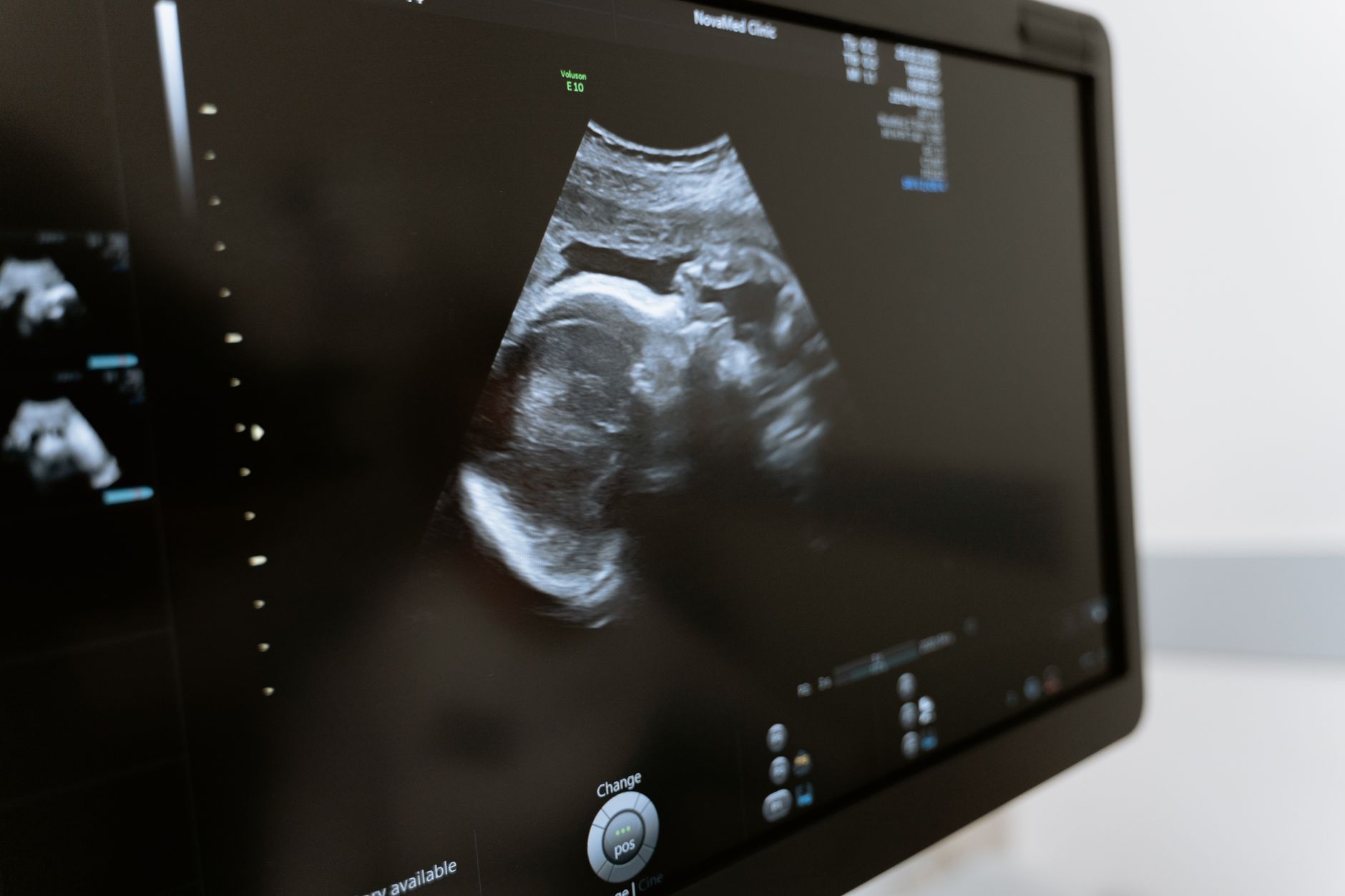
During the 22‑week anatomy scan, the baby’s limbs and heart are clearly visible.
What causes swelling of my ankles at 22 weeks pregnant?
Edema, especially in the ankles and feet, is common after the midpoint of pregnancy. The growing uterus presses on the vena cava, slowing blood return from the lower limbs. Hormonal changes also cause the body to retain more fluid.
Typical swelling is mild, improves with elevation, and disappears after rest. To reduce it:
Raise your feet on a stool for 15 minutes a few times daily.
Wear supportive compression stockings.
Stay active—short walks stimulate circulation.
Limit salty foods, which can exacerbate fluid retention.
Sudden or severe swelling, especially if accompanied by shortness of breath or a rapid weight gain, can signal pre‑eclampsia and requires immediate medical attention.
What is the typical doctor appointment schedule at 22 weeks pregnant?
By the 22‑week mark, most prenatal care plans include:
Bi‑weekly visits (every two weeks) until the 28‑week visit.
Vitals check: Blood pressure, weight, and fundal height measurement.
Fetal heartbeat monitoring with a Doppler.
Discussion of symptoms—back pain, leg cramps, headaches, and any concerns.
Preparation for upcoming tests such as the anatomy ultrasound and glucose screening.
Bring a list of questions to each visit, and keep a symptom diary if you notice new or worsening issues.
Simple nighttime snacks like almonds can help with leg cramps and provide essential magnesium.
From our medical team: “Most of the symptoms you’ll notice at 22 weeks are normal adaptations to a growing baby. If you stay hydrated, move regularly, and keep up with scheduled prenatal visits, you’ll be well‑positioned for a healthy second half of pregnancy. Always trust your instincts—if something feels off, give your provider a call.”
Myth vs. fact
Myth: “If I can’t feel my baby move at 22 weeks, something is wrong.”
Fact: Many first‑time moms don’t notice movements until 20‑24 weeks. It’s normal to have a few days of subtle flutters before stronger kicks appear.
Myth: “All swelling means pre‑eclampsia.”
Fact: Mild ankle swelling is common and usually harmless. Pre‑eclampsia is characterized by sudden, severe swelling plus high blood pressure and protein in the urine.
Myth: “I must avoid all carbs after the first trimester.”
Fact: Complex carbohydrates (whole grains, fruit, legumes) provide essential energy and fiber, supporting both maternal health and fetal growth.
Key takeaways
Typical 22‑week symptoms include fetal movement, back pain, leg cramps, mild swelling, and occasional headaches.
Aim for a total weight gain of 12–18 lb (5.5–8 kg) if you started at a normal BMI; by week 22 you should have gained roughly half of that.
Eat a balanced diet, avoid unpasteurized dairy, raw eggs, high‑mercury fish, and deli meats unless heated.
Manage discomfort with stretching, hydration, supportive pillows, and gentle exercise.
Attend bi‑weekly prenatal visits, and expect an anatomy ultrasound around week 22‑24.
Call your provider if you notice sudden swelling, severe headaches, decreased fetal movement, or sharp pain.
Frequently asked questions
What does a 22-week pregnancy feel like?
Most people describe a mix of growing belly size, distinct baby movements, occasional back aches, and mild swelling. You may also notice increased appetite and occasional headaches, all of which are typical at this stage.
Can I travel during the 22nd week of pregnancy?
Travel is generally safe during the second trimester, including week 22, as long as you’re feeling well, stay hydrated, and move around regularly on long trips. Check with your provider for any specific restrictions, especially if you have a high‑risk pregnancy.
When will I feel my baby move for the first time?
First‑time mothers often feel the initial “quickening” between 18 and 24 weeks. By 22 weeks, many people notice subtle flutters, which become stronger kicks and rolls in the following weeks.
Is it normal to have constipation at 22 weeks?
Yes. Hormonal changes slow intestinal motility, and the growing uterus presses on the colon. Increase fiber, drink plenty of water, and stay active to help relieve constipation.
How many weeks until delivery when I am 22 weeks pregnant?
A typical pregnancy lasts about 40 weeks. At 22 weeks, you have roughly 18 weeks, or about four months, remaining until your due date.
What should I eat at 22 weeks pregnant?
Focus on lean proteins, whole grains, leafy greens, calcium‑rich dairy or fortified alternatives, and omega‑3‑rich fish (low‑mercury). Avoid unpasteurized dairy, raw eggs, high‑mercury fish, and undercooked deli meats.
When to call your doctor
If you experience any of the following, contact your provider promptly:
Sudden, severe swelling in hands, face, or feet.
Headaches with visual changes, nausea, or vomiting.
Sharp abdominal or pelvic pain, especially if accompanied by bleeding.
Significant decrease in fetal movement.
High fever (≥ 100.4 °F / 38 °C) or persistent chills.
This article provides general information and is not a substitute for personalized medical advice. Always discuss your specific concerns with your obstetrician, midwife, or qualified health professional.
References
American College of Obstetricians and Gynecologists (ACOG). “Weight Gain During Pregnancy.” Clinical Guidance, 2023.
U.S. Food and Drug Administration (FDA). “Food Safety for Pregnant Women.” Consumer Health Information, 2022.
Centers for Disease Control and Prevention (CDC). “Pregnancy and Listeria.” Infectious Disease Guidance, 2023.
National Institute for Health and Care Excellence (NICE). “Antenatal Care: Routine Care.” Guideline NG121, 2021.
World Health Organization (WHO). “Maternal Health.” Recommendations on Antenatal Care, 2022.
Mayo Clinic. “Prenatal care: What to expect each trimester.” Health Articles, 2023.
Royal College of Obstetricians and Gynaecologists (RCOG). “Maternal hypertension and pre‑eclampsia.” Clinical Practice Guidelines, 2022.
American Academy of Pediatrics (AAP). “Nutrition for Pregnant and Lactating Women.” Policy Statement, 2022.
National Health Service (NHS). “Swelling in pregnancy (edema).” Patient Information, 2023.
American Pregnancy Association. “Mid‑Pregnancy Ultrasound.” Educational Resources, 2022.
Not sure about the label on 22 Weeks Pregnant Symptoms products?
Snap the ingredients list and SafeFilter checks every ingredient for your stage — only 3 free scans this month, then you're locked until reset. Unlimited from $7/mo or $50/yr.
When Shubhra Mishra was expecting her first child in 2016, she was overwhelmed by conflicting food advice — one site said yes, another said never. By the time her second baby arrived in 2019, she realized millions of mothers face the same confusion.
That sparked a five-year journey through clinical nutrition papers, cultural diets, and expert conversations — all leading to BumpBites: a calm, compassionate space where science meets everyday motherhood.
Her long-term vision is to build a global community ensuring safe, supported, and free deliveriesfor every mother — because no woman should face pregnancy alone or uninformed. 🌿
🌍 Stand with mothers, shape safer guidance
Join a small circle of experts who review BumpBites articles so expecting parents everywhere can decide with confidence.