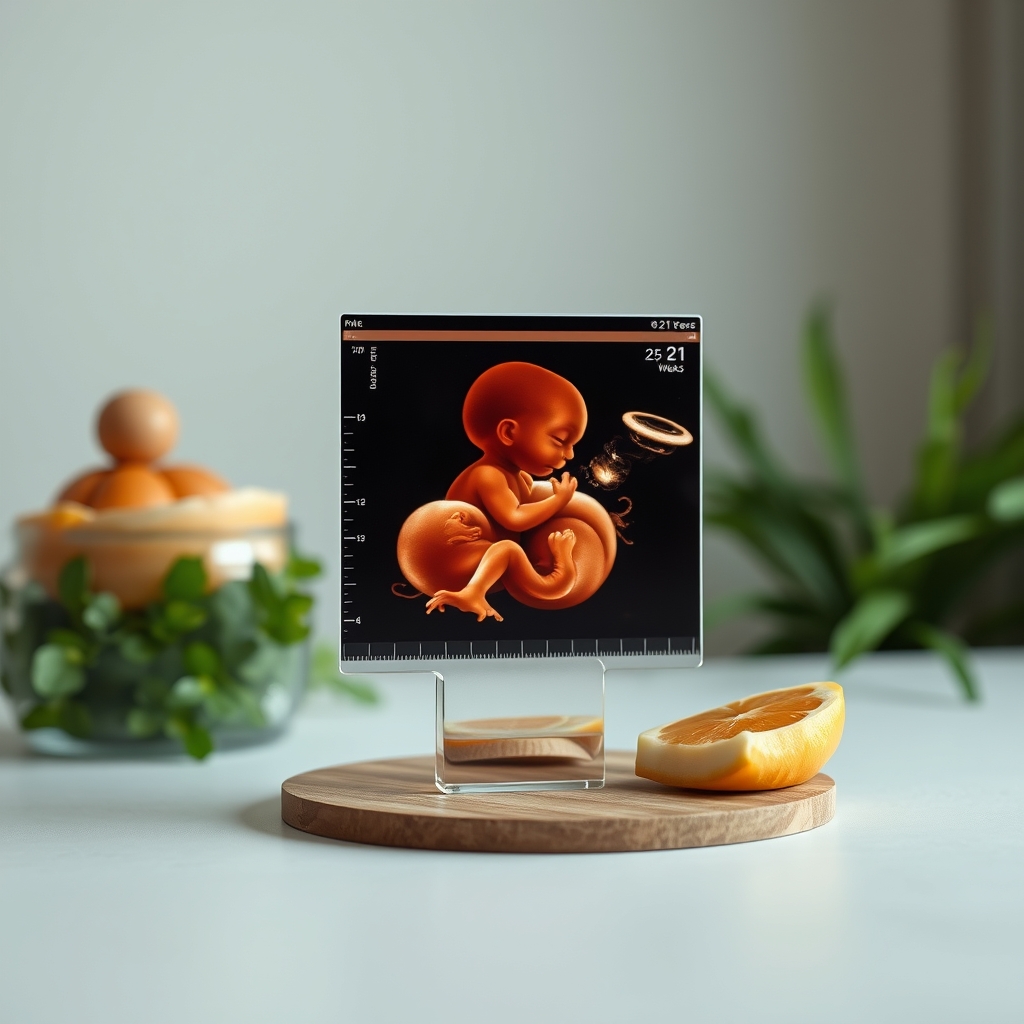
At 21 weeks pregnant, expect baby movements, growing belly, and mild discomforts. Learn about fetal development, symptoms, and tips for a healthy pregnancy at this stage.
By Shubhra Mishra — a mom of two who turned her own confusion during pregnancy into BumpBites, a global mission to make food choices clear, safe, and stress-free for every expecting mother. 💛
Check whether any food is safe during pregnancy with the BumpBites Food Safety Checker.
Quick take: At 21 weeks you’re midway through the second trimester. Your baby is roughly the size of a large mango—about 10½ inches long and 12–13 ounces—while you may notice a growing belly, occasional swelling, and the first flutter of movement. Most routine tests are done now, and safe exercise, balanced nutrition, and regular prenatal care keep you and your baby thriving.
It’s 2 a.m., you’re curled up on the couch, and a sudden cramp makes you wonder if everything’s going as it should. You’ve read the “baby bump” guide, but now you’re looking for specifics: How big is your little one? What symptoms are normal? And what should you be watching for? You’re not alone—most moms‑to‑be reach the same crossroads around week 21.
In this article we’ll walk through every question you might have about being 21 weeks pregnant. From the exact length of your baby to the safe foods you can enjoy, from the recommended weight gain to the prenatal appointments on your calendar, we’ve gathered the most up‑to‑date guidance from ACOG, NHS, CDC, and WHO. By the end you’ll have a clear, reassuring picture of what to expect and a handy checklist for the weeks ahead.
Let’s dive in, step by step, so you can feel confident about the journey ahead.
What is the baby’s size and weight at 21 weeks pregnant?
At 21 weeks your baby—officially called the fetus—is about the size of a large mango or a sweet potato. According to the American College of Obstetricians and Gynecologists (ACOG), the average length from crown to rump is roughly 10½ inches (27 cm), and the weight is approximately 12–13 ounces (340–370 g). By this point the head measures about 4 inches, and the torso is becoming more proportionate.
Key developmental highlights include:
Facial features: Eyelids can open and close, and the nose is more defined.
Skin: A thin layer of vernix—a protective, white coating—covers the skin, giving it a slightly waxy feel.
Organs: The pancreas begins producing insulin, and the lungs are forming the branching airway structures.
Movement: Muscle twitches become stronger, setting the stage for the first noticeable kicks.
These measurements are averages; each baby grows at its own pace. If you ever wonder how your baby’s growth compares to the norm, your provider can plot the measurements from your anatomy scan on a growth chart.
At 21 weeks the fetus is roughly the size of a mango, as seen on an anatomy ultrasound.
Common symptoms and body changes at 21 weeks pregnant
Every pregnancy is unique, but most women experience a familiar set of symptoms around week 21. Understanding what’s typical can ease anxiety and help you spot anything that needs medical attention.
What symptoms are most common?
Back pain: The expanding uterus shifts your center of gravity, putting extra strain on the lower back. ACOG notes that mild to moderate back pain is normal, but severe or persistent pain warrants a check‑in.
Leg cramps and swelling (edema): Fluid retention often begins in the ankles and feet, especially after standing for long periods. This is usually harmless, but sudden, painful swelling could indicate pre‑eclampsia.
Heartburn and indigestion: Hormonal changes relax the lower esophageal sphincter, allowing stomach acid to rise.
Morning sickness: While most women see a dip in nausea after the first trimester, about 30 % still experience occasional bouts at 21 weeks.
Fatigue: The body’s increased blood volume and metabolic demands keep you tired, even if you’re sleeping well.
When do you usually feel the first kick?
Most mothers‑to‑be feel their baby’s first movement—often described as a “flutter” or “bubble”—between 18 and 22 weeks. If you haven’t felt anything yet, don’t worry; the timing varies with factors like the mother’s body type and placenta position.
What about swelling and edema?
Edema at 21 weeks is typically mild and appears as a slight puffiness in the ankles or hands, especially after a day on your feet. To reduce it, try elevating your legs, staying hydrated, and wearing supportive socks. If swelling is sudden, accompanied by a headache or visual changes, call your provider right away as it may signal pre‑eclampsia.
How much weight should I have gained by 21 weeks pregnant?
Weight‑gain recommendations differ based on pre‑pregnancy BMI. The Institute of Medicine (IOM) and ACOG provide the following guidelines for total weight gain by the end of the second trimester (around 28 weeks), which you can extrapolate to the 21‑week mark.
Pre‑pregnancy BMI
Recommended total gain by 28 weeks
Typical gain by 21 weeks
Underweight (BMI < 18.5)
28–40 lb (12.5–18 kg)
≈ 12–15 lb (5.5–7 kg)
Normal weight (BMI 18.5–24.9)
25–35 lb (11.5–16 kg)
≈ 10–12 lb (4.5–5.5 kg)
Overweight (BMI 25–29.9)
15–25 lb (7–11.5 kg)
≈ 8–10 lb (3.5–4.5 kg)
Obese (BMI ≥ 30)
11–20 lb (5–9 kg)
≈ 6–8 lb (2.5–3.5 kg)
These figures are averages; your provider will track your individual progress at each prenatal visit. Gaining weight too quickly can increase the risk of gestational diabetes, while too little may affect fetal growth.
What prenatal tests are scheduled at 21 weeks pregnant?
Week 21 falls within the window for several important screenings and routine checks. Here’s what you can typically expect, though exact timing may vary by clinic and country.
Mid‑trimester anatomy ultrasound
The detailed anatomy scan, often performed between 18 and 22 weeks, is the centerpiece of the 21‑week visit. Using high‑resolution ultrasound, the sonographer checks the baby’s brain, spine, heart, kidneys, and limbs for structural anomalies. The scan also confirms the placenta’s location and measures the fetal growth.
Blood pressure and urine tests
At each prenatal visit, your provider will measure blood pressure and test a urine sample for protein and glucose. Elevated pressure or protein can be early signs of pre‑eclampsia, while glucose screening later (usually 24‑28 weeks) looks for gestational diabetes.
Blood work for anemia and infections
Many clinics repeat a complete blood count (CBC) around the 20‑week mark to monitor iron levels. If you’re at risk for anemia, your provider may recommend iron supplementation. Screening for infections such as hepatitis B, HIV, and syphilis is usually done earlier, but a repeat test may be ordered if risk factors persist.
Recommended prenatal vitamins
Continue a prenatal vitamin that includes at least 400 µg of folic acid, 27 mg of iron, 1,000 mg of calcium, and 200 µg of DHA. The NHS and CDC both stress that these nutrients support fetal brain and bone development and help prevent maternal anemia.
Safe exercises and activity guidelines for 21 weeks pregnant
Staying active benefits both you and your baby. ACOG encourages at least 150 minutes of moderate‑intensity aerobic activity per week, provided there are no medical complications. Here are safe options for the 21‑week stage.
Low‑impact cardio
Walking: A brisk 30‑minute walk most days is gentle on joints.
Swimming: The buoyancy reduces pressure on the spine while giving a full‑body workout.
Stationary cycling: Keep resistance low and avoid high‑intensity sprints.
Strength and flexibility
Prenatal yoga or Pilates classes focus on core stability, pelvic floor strength, and gentle stretching. Use light dumbbells (≤ 5 lb) for upper‑body work, but avoid heavy lifting that strains the back.
Safety tips
Stay hydrated—drink water before, during, and after exercise.
Listen to your body; stop if you feel dizziness, shortness of breath, or pain.
Avoid contact sports, heavy lifting, and activities with a high risk of falling.
Wear supportive shoes and a well‑fitted sports bra.
Most importantly, discuss any new routine with your provider, especially if you have a history of pre‑term labor or other complications.
Gentle prenatal yoga supports flexibility and reduces back pain at 21 weeks.
Foods to avoid and nutrition tips at 21 weeks pregnant
Nutrition is a cornerstone of a healthy pregnancy. While you’re likely already avoiding many risky foods, here’s a focused list for the 21‑week mark, along with tips to boost essential nutrients.
Foods to steer clear of
Unpasteurized dairy: Soft cheeses like feta, brie, and queso fresco can harbor Listeria.
Raw or undercooked seafood: Sushi, oysters, and smoked fish may contain harmful bacteria or parasites.
High‑mercury fish: Limit shark, swordfish, king mackerel, and tilefish; opt for low‑mercury options like salmon, sardines, and trout.
Deli meats and hot dogs: Unless heated to steaming, they can carry Toxoplasma.
Alcohol and excessive caffeine: CDC advises no alcohol; limit caffeine to ≤ 200 mg per day (about one 12‑oz coffee).
Nutrition boosters
Focus on iron‑rich foods (lean red meat, beans, fortified cereals) paired with vitamin C sources (citrus, bell peppers) to enhance absorption. Calcium‑dense choices include low‑fat dairy, fortified plant milks, and leafy greens. DHA, vital for brain development, is abundant in fatty fish and prenatal DHA supplements.
Safe medications
Most over‑the‑counter pain relievers are safe when used as directed. Acetaminophen (paracetamol) is the first‑line option for headaches or mild aches. NSAIDs such as ibuprofen and naproxen should be avoided after 20 weeks because they can affect fetal kidney function and reduce amniotic fluid.
Fetal development milestones at 21 weeks pregnant
At this point the fetus is rapidly refining its organ systems. Here’s a snapshot of the key milestones you can marvel at.
Brain: The cerebral cortex is forming, laying the groundwork for future learning and memory.
Eyes: The retina is developing; the fetus can now detect light changes, though vision is still blurry.
Hearing: The inner ear is functional, and the baby can respond to sounds, especially the mother’s voice.
Digestive tract: The intestines are moving into the abdominal cavity, and the liver begins producing bile.
Skeleton: Bones are hardening, and the ribs are fully formed.
The fetal heartbeat, measured during the anatomy scan, typically ranges between 120–160 beats per minute. This rhythm is a reassuring sign of a healthy heart.
Warning signs and red flags at 21 weeks pregnant
While many symptoms are normal, some require prompt medical attention. Knowing the red flags helps you protect both your health and your baby’s.
Severe abdominal pain or cramping that doesn’t subside with rest.
Sudden, severe swelling in the face or hands, especially with headaches or visual disturbances—possible pre‑eclampsia.
Persistent bleeding or spotting beyond light spotting that occurs early in pregnancy.
Fever over 100.4 °F (38 °C) without an obvious cause.
Decreased fetal movement after you’ve felt kicks—contact your provider if you notice a drop in activity.
If any of these arise, call your obstetrician, midwife, or go to the nearest emergency department. Early evaluation can prevent complications.
Travel considerations and medication safety at 21 weeks pregnant
Many expectant parents wonder if a weekend getaway or a longer trip is appropriate. The consensus from ACOG and the NHS is that travel is safe up to about 28 weeks for most low‑risk pregnancies.
Air travel
Flying is generally fine, but keep these tips in mind:
Stay hydrated—cabin air is dry.
Move your legs every hour to reduce clot risk.
Wear a seat belt low on the hips.
Consider a travel pillow to support your back.
Road trips
Plan frequent stops to stretch, use cushions for lumbar support, and keep snacks on hand for stable blood sugar. If you’re prone to motion sickness, ginger candies or acupressure bands can help.
Medication safety while traveling
Bring a copy of your prenatal vitamin label and any prescribed meds. Keep them in original containers, and pack a small medical kit with acetaminophen, antacids, and any doctor‑approved antibiotics. Avoid over‑the‑counter cold medicines that contain decongestants, as they may raise blood pressure.
Always check with your provider before embarking on any trip that exceeds 4 hours, especially if you have a history of pre‑term labor or blood‑clotting disorders.
From our medical team: “At 21 weeks you’re in a stable part of the second trimester. Most routine labs and the anatomy scan give a comprehensive picture of fetal health. Continue balanced nutrition, stay active, and monitor any new or worsening symptoms. If you’re unsure about a medication, a quick call to your provider can prevent unnecessary worry.”
Myth vs. fact
Myth: “You can’t eat any fruit after the first trimester.”
Fact: Fresh fruit is safe and provides essential vitamins and fiber. Just wash thoroughly and avoid unpasteurized fruit juices that may harbor bacteria.
Myth: “If you feel no movement at 21 weeks, something is wrong.”
Fact: Many women don’t feel the first kick until 22‑24 weeks. Keep a kick‑count journal after you notice movement.
Myth: “All medications are dangerous in pregnancy.”
Fact: Many drugs, like acetaminophen and prenatal vitamins, are safe when used as directed. Always consult your provider before starting any new medication.
Key takeaways
At 21 weeks the fetus is about 10½ inches long, weighs 12–13 ounces, and its heartbeat should be 120–160 bpm.
Typical symptoms include mild back pain, occasional swelling, and the first flutter of movement.
Aim for a total weight gain of roughly 10–12 pounds if you started at a normal BMI.
Key prenatal visits now include the anatomy ultrasound, blood pressure checks, and urine tests.
Safe exercises: walking, swimming, prenatal yoga—avoid high‑impact or contact sports.
Eat a balanced diet rich in iron, calcium, DHA, and folic acid; steer clear of unpasteurized dairy, raw seafood, and high‑mercury fish.
Watch for red‑flag symptoms like severe swelling, persistent pain, or decreased fetal movement and call your provider promptly.
Frequently asked questions
How big is the baby at 21 weeks?
The baby is roughly the size of a large mango—about 10½ inches long (27 cm) and weighing 12–13 ounces (340–370 g). This size is measured during the mid‑trimester anatomy scan.
What are the common symptoms at 21 weeks pregnant?
Most women notice mild back pain, occasional leg swelling, heartburn, and the first flutter of fetal movement. Some still experience occasional morning sickness, and many report increased fatigue.
Can I travel during the 21st week of pregnancy?
Yes, travel is generally safe up to 28 weeks for low‑risk pregnancies. For air travel, stay hydrated, move your legs regularly, and keep your seatbelt low on the hips. Always discuss long trips with your provider first.
What prenatal tests are performed at 21 weeks?
The centerpiece is the anatomy ultrasound, which checks organ development and measures fetal growth. Routine blood pressure, urine protein, and anemia screening are also done at this visit.
Is it normal to have back pain at 21 weeks?
Yes. As the uterus expands, it shifts your center of gravity, putting strain on the lower back. Gentle stretches, supportive shoes, and prenatal yoga can help alleviate discomfort.
When will I feel my baby move for the first time?
First movements—often called “quickening”—typically occur between 18 and 22 weeks. If you haven’t felt a flutter by 22 weeks, let your provider know.
When to call your doctor
If you experience any of the following, contact your obstetrician or midwife right away: severe abdominal pain, sudden swelling of the face or hands, persistent headache or visual changes, bleeding heavier than spotting, fever over 100.4 °F (38 °C), or a noticeable decrease in fetal movement. This information is for educational purposes only and does not replace personalized medical advice.
References
American College of Obstetricians and Gynecologists (ACOG). “Ultrasound in Pregnancy.” 2023 clinical guidance.
National Health Service (NHS). “Pregnancy week by week.” Updated 2022.
Centers for Disease Control and Prevention (CDC). “Nutrition for pregnant women.” 2023.
World Health Organization (WHO). “Maternal health and nutrition.” 2022.
Institute of Medicine (IOM). “Weight Gain During Pregnancy.” 2009.
American Pregnancy Association. “Safe exercises during pregnancy.” 2023.
Food and Drug Administration (FDA). “Pregnancy and medication safety.” 2023.
Royal College of Obstetricians and Gynaecologists (RCOG). “Travel in pregnancy.” 2022.
Not sure about the label on 21 Weeks Pregnant What To Expect products?
Snap the ingredients list and SafeFilter checks every ingredient for your stage — only 3 free scans this month, then you're locked until reset. Unlimited from $7/mo or $50/yr.
When Shubhra Mishra was expecting her first child in 2016, she was overwhelmed by conflicting food advice — one site said yes, another said never. By the time her second baby arrived in 2019, she realized millions of mothers face the same confusion.
That sparked a five-year journey through clinical nutrition papers, cultural diets, and expert conversations — all leading to BumpBites: a calm, compassionate space where science meets everyday motherhood.
Her long-term vision is to build a global community ensuring safe, supported, and free deliveriesfor every mother — because no woman should face pregnancy alone or uninformed. 🌿
🌍 Stand with mothers, shape safer guidance
Join a small circle of experts who review BumpBites articles so expecting parents everywhere can decide with confidence.