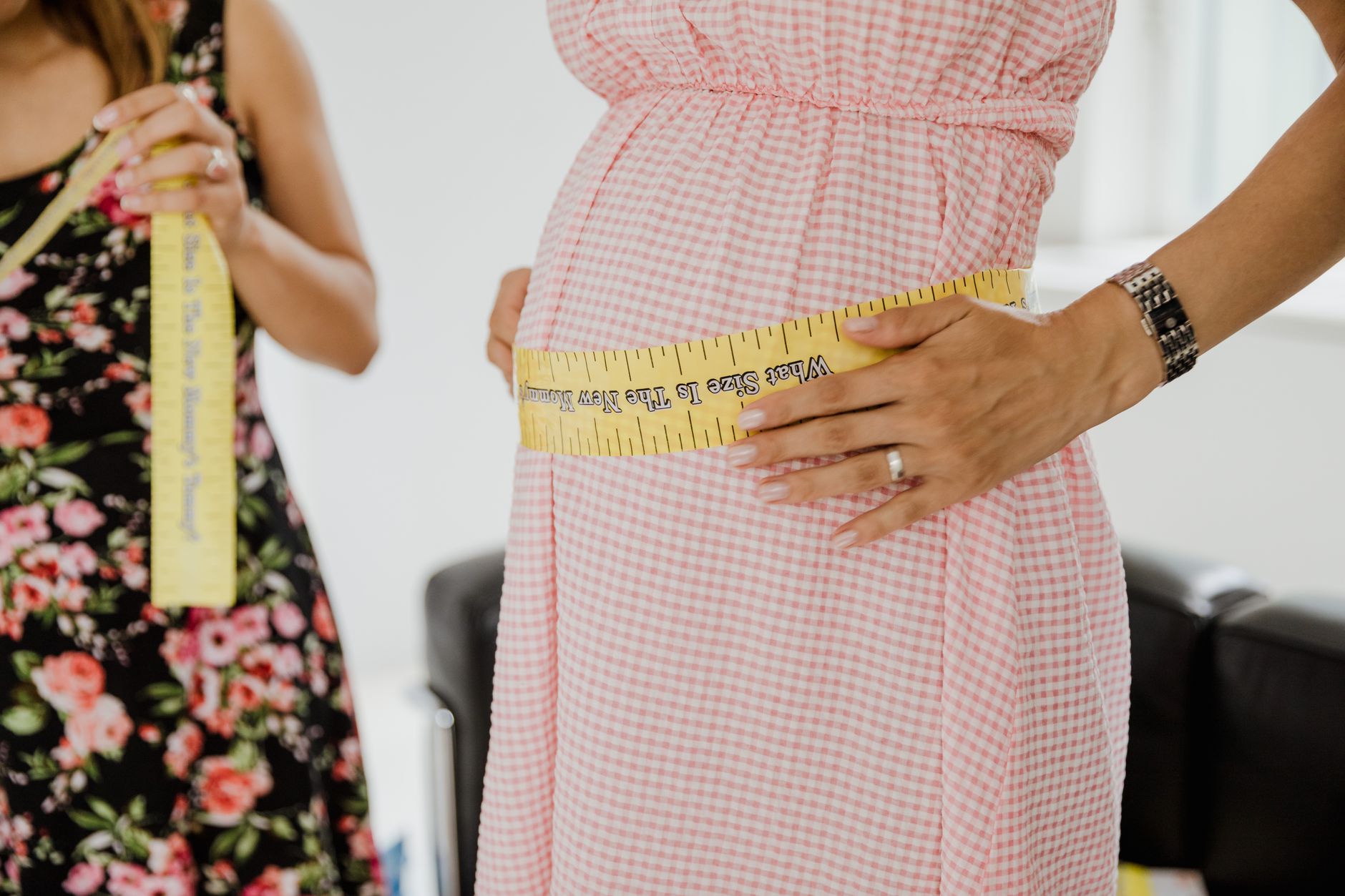
At 21 weeks pregnant, your belly size varies but typically measures 20-22 cm. Learn what’s normal, growth patterns, and tips for comfort during this stage.
By Shubhra Mishra — a mom of two who turned her own confusion during pregnancy into BumpBites, a global mission to make food choices clear, safe, and stress-free for every expecting mother. 💛
Check whether any food is safe during pregnancy with the BumpBites Food Safety Checker.
Quick take: At 21 weeks pregnant, most bellies measure about 16‑18 inches (40‑45 cm) around the fundus, but a healthy range can be 12‑20 inches. Size varies with weight gain, baby size, twins, and fluid levels, so a modest difference is usually normal. If your belly feels unusually large or small or you notice sudden changes, call your provider.
It’s 2 a.m., you’re curled up on the couch, and a friend texted a photo of her growing bump. You glance at your own reflection, wonder: “Is my belly the right size for 21 weeks?” You’re not alone. Many expectant parents compare measurements, worry about growth, and search for reassurance.
In this guide we’ll walk you through exactly what to expect from a 21‑week belly, how to measure it accurately, why size can differ, and when a deviation could signal a problem. You’ll leave with clear numbers, step‑by‑step measuring tips, and a simple chart to track your bump week by week.
Read on for the bottom line, the science, and practical advice you can use tonight.
What is the average belly size at 21 weeks pregnant?
On average, a uterus measured from the top of the pubic bone to the top of the fundus (the “fundal height”) sits about 16‑18 inches (40‑45 cm) at 21 weeks. This corresponds to a belly circumference of roughly 16‑18 inches when measured around the fullest part of the bump.
These numbers come from large cohort studies referenced by the American College of Obstetricians and Gynecologists (ACOG) and the UK’s National Institute for Health and Care Excellence (NICE). The range reflects normal variation in fetal size, maternal body habitus, and the amount of amniotic fluid.
Most clinicians use the “fundal height in centimeters ≈ weeks of gestation” rule of thumb, which means that at 21 weeks the fundus is typically 21 cm from the pubic bone. In practice, the external belly measurement tends to be a couple of centimeters larger because of the abdominal wall thickness.
It’s helpful to remember that these averages are not strict limits. A study published in the *American Journal of Perinatology* found that up to 15 % of healthy pregnancies fall outside the “±2 cm” window yet have normal outcomes. So a measurement a little above or below the average is often just a normal variant.
Measuring your belly at home can give you a useful baseline for your 21‑week check‑up.
How many inches around is a 21‑week pregnant belly?
W
hen you wrap a flexible measuring tape around the widest part of your bump, most women report a circumference between 16 inches (40 cm) and 18 inches (45 cm). Some may measure as low as 12 inches (30 cm) or as high as 20 inches (51 cm) and still be within the normal spectrum.
Here’s a quick snapshot of typical measurements:
Gestational Age
Average Belly Circumference
Typical Range
20 weeks
15‑17 inches (38‑43 cm)
13‑19 inches (33‑48 cm)
21 weeks
16‑18 inches (40‑45 cm)
12‑20 inches (30‑51 cm)
22 weeks
17‑19 inches (43‑48 cm)
14‑21 inches (36‑53 cm)
These figures are averages; individual results will differ based on the factors discussed later. The NHS also notes that a 2‑cm variance in fundal height is considered normal, reinforcing that a modest difference in circumference is typically harmless.
How does a 21‑week pregnant belly size compare to the baby growth chart?
At 21 weeks, the fetus is about the size of a large mango, measuring roughly 10.5 cm (4.1 inches) from crown to rump and weighing about 460 g (1 lb). The baby’s growth chart (often plotted by ultrasound) shows a linear increase in length and weight that roughly parallels the external belly size, but the correlation isn’t exact.
Why? The belly measurement includes not only the baby but also the uterus wall, amniotic fluid, placenta, and maternal abdominal tissue. A baby that’s slightly larger or smaller than the average may not dramatically change the external circumference.
Clinical practice typically uses both ultrasound estimates and fundal height to assess growth. If the fundal height deviates by more than 2 cm from the gestational age‑matched expectation, the provider may order a growth ultrasound to verify fetal size. The CDC’s growth charts also emphasize that fetal weight can vary by up to 20 % while still being healthy.
Is a 21‑week pregnant belly size normal or a cause for concern?
For the majority of pregnancies, a belly that falls within the 12‑20 inch (30‑51 cm) window is considered normal. However, certain red‑flag signs should prompt a call to your obstetric provider:
Sudden rapid increase in size over a few days.
Persistent feeling of heaviness, pain, or pressure.
Decreased fetal movements (once you’re past the first trimester).
Signs of pre‑eclampsia: severe headache, visual changes, swelling of hands/face.
Severe abdominal pain, bleeding, or fluid leakage.
These symptoms could indicate conditions such as polyhydramnios (excess amniotic fluid), fetal macrosomia (large baby), or, in rare cases, uterine fibroids. Conversely, a markedly small measurement—especially if accompanied by reduced fetal movement—might suggest growth restriction.
When in doubt, a quick phone call for a visual check‑in can ease anxiety and ensure timely evaluation. The ACOG advises that any sudden change in abdominal girth warrants an earlier appointment.
How do you measure your belly correctly at 21 weeks pregnancy?
Accurate self‑measurement is simple but benefits from a consistent technique. Follow these steps each time you check:
Pick a time of day. Measurements are most reliable in the morning after you’ve emptied your bladder.
Stand upright. Keep your feet hip‑width apart, shoulders relaxed, and breathing normally.
Locate the top of the fundus. This is the highest point of the bump, usually near the mid‑line, just below the rib cage.
Wrap the tape. Place a flexible, non‑elastic measuring tape around the abdomen at the level of the fundus, ensuring it’s snug but not compressing the skin.
Read the measurement. Note the number where the tape meets zero, recording both inches and centimeters.
Log it. Write the date, time, and measurement in a pregnancy journal or a simple phone note. Consistency helps you and your provider spot trends.
Tip: Use a cloth tape (like a tailor’s measuring tape) rather than a metal or plastic one; the flexibility reduces error. If you’re unsure, ask a partner to hold the tape steady while you read the number.
The NHS also recommends measuring after a light snack, as a full stomach can slightly push the uterus upward and add a millimeter or two to the reading.
What factors affect belly size at 21 weeks pregnant?
Several variables influence how large or small your bump appears:
Maternal weight gain. The Institute of Medicine (IOM) recommends a total gain of 25‑35 lb (11‑16 kg) for a woman of normal BMI. By 21 weeks, many have gained 10‑15 lb (4.5‑7 kg), contributing to belly circumference.
Fetal size. Twins, larger babies, or a high‑growth percentile can increase measurements.
Amniotic fluid volume. Polyhydramnios (too much fluid) expands the uterus, while oligohydramnios (low fluid) may make the belly appear smaller.
Placenta position. A low‑lying placenta can add a few centimeters to the lower abdomen.
Uterine fibroids. Benign growths can alter shape and size.
Body habitus. A broader pelvis or thicker abdominal wall can increase the external measurement even if the internal growth is average.
Understanding these factors helps you interpret your own numbers without unnecessary worry. The CDC’s pregnancy guidelines echo that “most variations are physiologic and not a sign of disease.”
How does a 21‑week pregnant belly size compare to 20 weeks?
From week 20 to week 21, most women see a modest increase of about 0.5‑1 inch (1‑2.5 cm) in belly circumference. This aligns with the typical fetal growth of 0.6 cm in length per week and a gradual rise in amniotic fluid volume.
Because the change is small, you might not notice a visual difference day‑to‑day. That’s why regular measurements—once a week or every two weeks—are useful for tracking trends rather than single data points.
Below is a quick week‑by‑week comparison for the mid‑second trimester:
Week
Average Belly Circumference (inches)
Typical Increment from Prior Week
20
15‑17
—
21
16‑18
+0.5‑1
22
17‑19
+0.5‑1
23
18‑20
+0.5‑1
These numbers illustrate the gradual, predictable expansion that most providers expect. A deviation beyond 2 cm from the expected fundal height should prompt a clinical review, according to ACOG.
Keep a ruler handy to double‑check tape readings for added accuracy.
21‑week pregnancy belly measurement tips—besides the step‑by‑step guide above, consider these tricks:
Measure on a smooth, flat surface (e.g., a kitchen counter) to keep the tape level.
Use a mirror or ask a partner to ensure the tape sits horizontally.
Record the measurement in both inches and centimeters; many providers use centimeters for fundal height.
Compare your number to the “average uterine height at 21 weeks” (≈ 21 cm) to see if you’re on track.
Average uterine height at 21 weeks is roughly 21 cm (8.3 inches) from the pubic bone to the top of the uterus, as reported by ACOG. This internal measurement often mirrors the external belly circumference but will be a few centimeters shorter due to the abdominal wall.
21‑week waist circumference is a related metric that some women track for fitness purposes. It’s measured at the narrowest point of the torso, just above the belly button. While not a diagnostic tool for pregnancy, a stable waist measurement can help you monitor healthy weight gain.
What does a 21‑week pregnant belly look like?
Visually, a 21‑week bump is usually a soft, rounded curve that starts to sit above the hips but may still be partially hidden under clothing. The top of the belly often aligns with the bottom of the rib cage, and the skin may feel slightly stretched but not overly taut.
Many mothers describe the sensation as “a gentle, warm pressure” that’s more noticeable when lying down. The belly may also feel a bit firmer if the baby has settled into a head‑down position, which typically occurs around weeks 28‑30 but can begin earlier.
Because the uterus is still relatively low in the abdomen at this stage, you might notice that the bump feels “floppy” when you press gently—this is normal and reflects the flexible uterine wall.
Is it normal for the belly to be larger at 21 weeks?
Yes. Variations of a few centimeters are common and usually harmless. A larger‑than‑average bump often reflects a combination of normal factors like a higher maternal BMI, a larger baby, or a bit more amniotic fluid. As long as you’re not experiencing pain, severe swelling, or rapid changes, this size is typically within the healthy spectrum.
Research from the *Journal of Obstetrics and Gynaecology* notes that maternal abdominal girth tends to correlate more strongly with maternal weight gain than with fetal weight, reinforcing that a “big bump” isn’t automatically a red flag.
Can a small belly at 21 weeks indicate a problem?
A smaller‑than‑average belly can be a sign of slower fetal growth, low amniotic fluid, or simply a leaner maternal build. If the measurement is consistently < 12 inches (30 cm) or if you notice reduced fetal movements, it’s worth discussing with your provider. They may order an ultrasound to ensure the baby is thriving.
In rare cases, a very small fundal height can be linked to placenta previa or early‑onset growth restriction, both of which are closely monitored by obstetric teams.
How much weight gain is expected by 21 weeks pregnant?
By the middle of the second trimester, most women have gained about 10‑15 lb (4.5‑7 kg). The IOM recommends a steady gain of roughly 1‑2 lb (0.5‑1 kg) per week after the first trimester. Your weight gain influences belly size, but the relationship isn’t exact—muscle tone and fluid retention also play roles.
The CDC advises that weight gain should be gradual and consistent, not a rapid jump, to reduce the risk of gestational diabetes and hypertension.
What factors can cause a larger belly at 21 weeks?
Beyond the core factors already discussed, specific contributors include:
Gestational diabetes. Elevated blood sugar can lead to increased fetal size and extra fluid.
Maternal constipation. Bowel buildup can add bulk.
Excessive fluid intake. While staying hydrated is essential, over‑hydration can temporarily enlarge the abdomen.
Stress‑related cortisol. Hormonal changes can affect fluid balance.
If you suspect any of these, a conversation with your prenatal care team can clarify whether they’re influencing your bump’s appearance. The NHS recommends routine screening for gestational diabetes between 24‑28 weeks, but early testing is possible if risk factors are present.
21‑weeks pregnant belly size chart inches
Below is a concise chart you can print or screenshot to compare your measurement each week:
Week
Typical Belly Circumference (inches)
Typical Fundal Height (cm)
19
15‑16
19‑20
20
15‑17
20‑21
21
16‑18
21‑22
22
17‑19
22‑23
23
18‑20
23‑24
Use this as a reference, but remember that each pregnancy is unique. Your provider’s assessment is the most reliable indicator of healthy growth.
How does belly size differ in first-time vs. subsequent pregnancies?
First-time (nulliparous) mothers often notice a more gradual increase in belly size because the abdominal muscles have not been stretched before. In contrast, women who have been pregnant before may experience a faster‑growing bump, as the uterine and abdominal walls are more compliant.
Studies from the *British Medical Journal* show that, on average, multiparous women have a fundal height that is about 1‑2 cm higher at the same gestational age compared with first‑time mothers. This difference is usually harmless, but it’s a good reason to track your own trend rather than relying solely on generic charts.
Can exercise affect belly size at 21 weeks?
Regular, moderate‑intensity exercise—such as walking, prenatal yoga, or swimming—can help maintain core strength and may keep the abdominal wall toned. While exercise does not shrink the uterus, stronger abdominal muscles can make the bump feel firmer and sometimes slightly smaller in circumference.
The ACOG recommends at least 150 minutes of moderate exercise per week for most pregnant people, provided there are no contraindications. Always discuss any new workout plan with your provider, especially if you have conditions like placenta previa or pre‑eclampsia risk.
Nutrition and belly size: what to eat for a healthy bump
Balanced nutrition supports appropriate fetal growth and maternal tissue expansion. Focus on lean protein, whole grains, plenty of fruits and vegetables, and healthy fats. Adequate protein (about 70 g per day) helps build uterine and abdominal muscle tissue, which can influence how your belly feels.
Staying hydrated is essential, but excessive sugary drinks can add unnecessary calories and fluid retention. The NHS advises limiting caffeine to <200 mg per day (roughly one 12‑oz coffee) to avoid potential impacts on fetal growth.
Micronutrients like iron, calcium, and folic acid are also crucial. Iron deficiency can cause anemia, leading to fatigue that may be mistaken for a “small” bump due to reduced activity. A prenatal vitamin, as recommended by your provider, helps fill any gaps.
From our medical team: “Measuring your belly at home is a great way to stay connected with your pregnancy, but it’s a supplement—not a substitute—for professional exams. If your numbers shift dramatically or you feel uncomfortable, schedule a visit. We’ll use ultrasound and fundal height together to confirm everything is on track.”
Myth vs. fact
Myth: A belly that’s noticeably larger than the average means something is wrong.
Fact: Size varies widely; a larger bump often reflects normal factors like maternal weight, twins, or a bit more amniotic fluid. Only sudden, unexplained changes warrant a check‑up.
Myth: You can’t tell anything about the baby’s health from belly size.
Fact: While belly size alone isn’t diagnostic, extreme deviations (very large or very small) can prompt further evaluation, such as an ultrasound, to assess fetal growth and fluid levels.
Myth: Measuring yourself is too hard to be useful.
Fact: Consistent, simple measurements taken each week give a clear trend that helps both you and your provider spot potential issues early.
Key takeaways
At 21 weeks, most bellies measure 16‑18 inches (40‑45 cm) around the fundus.
Measure in the morning, after emptying your bladder, using a flexible tape at the level of the highest point of the bump.
Normal variation is wide; factors include weight gain, twins, amniotic fluid, and body shape.
Track measurements weekly; a gradual increase of about 0.5‑1 inch per week is typical.
Call your provider if you notice rapid growth, pain, swelling, or reduced fetal movement.
Use the provided charts to compare your numbers to average ranges, but rely on your clinician for definitive assessment.
Frequently asked questions
What does a 21‑week pregnant belly look like?
It typically appears as a soft, rounded curve that sits just above the hips and reaches the lower rib cage. The skin may feel slightly stretched, and you might notice a gentle pressure when lying down.
How many inches is a 21‑week pregnant belly?
Most measurements fall between 16 and 18 inches (40‑45 cm), with a normal range spanning 12‑20 inches (30‑51 cm). Exact size depends on individual factors.
Is it normal for the belly to be larger at 21 weeks?
Yes. A larger‑than‑average bump often reflects normal variations such as higher maternal weight gain, a slightly larger baby, or extra amniotic fluid. Sudden, unexplained rapid growth, however, should be discussed with a provider.
Can a small belly at 21 weeks indicate a problem?
A consistently small measurement—especially below 12 inches (30 cm)—may suggest slower fetal growth or low amniotic fluid. Pair this observation with fetal movement tracking and consult your obstetrician for an ultrasound if concerned.
How do I measure my belly at 21 weeks?
Measure in the morning after emptying your bladder. Stand upright, locate the top of the fundus, wrap a flexible measuring tape snugly around the belly at that level, read the number, and record it. Repeat weekly for trend tracking.
What factors can cause a larger belly at 21 weeks?
Factors include maternal weight gain, twin pregnancy, increased amniotic fluid (polyhydramnios), a larger baby, a low‑lying placenta, uterine fibroids, or gestational diabetes. Each of these can add a few centimeters to your external measurement.
Should I be concerned if my belly feels tight or firm?
A tighter feeling can simply mean the uterus is expanding and the baby may be positioning head‑down. However, if the firmness is accompanied by pain, cramping, or reduced fetal movement, it’s wise to contact your provider promptly.
Can my diet cause my belly to look bigger?
Eating a high‑sodium diet can lead to temporary fluid retention, which might make the abdomen feel a bit larger. Maintaining a balanced diet with adequate protein and limiting excess salt helps keep fluid balance steady, according to NHS nutrition guidance.
When to call your doctor
If you notice any of the following, contact your obstetric provider right away: sudden rapid increase in belly size, severe abdominal pain, persistent swelling, decreased fetal movements, signs of pre‑eclampsia (headache, visual changes, swelling), or any vaginal bleeding.
This article is for informational purposes only and does not replace personalized medical advice. Always consult your healthcare professional with any concerns.
References
American College of Obstetricians and Gynecologists (ACOG). “Routine Prenatal Care.” Guidance on fundal height measurement and normal ranges.
National Institute for Health and Care Excellence (NICE). “Antenatal Care for Healthy Women.” Recommendations on maternal weight gain and monitoring.
Institute of Medicine (IOM) Guidelines on Gestational Weight Gain. Recommendations for total weight gain based on BMI.
World Health Organization (WHO). “Recommendations on Antenatal Care.” Includes fetal growth standards.
Mayo Clinic. “Fundal height measurement during pregnancy.” Practical advice on measuring the belly.
Centers for Disease Control and Prevention (CDC). “Pregnancy Weight Gain.” Overview of recommended weight gain ranges.
Royal College of Obstetricians and Gynaecologists (RCOG). “Ultrasound in Pregnancy.” Use of ultrasound to assess fetal size when fundal height deviates.
American Pregnancy Association. “Polyhydramnios and Oligohydramnios.” Information on fluid volume impacts on belly size.
Journal of Obstetrics and Gynaecology. “Maternal abdominal girth and fetal weight correlation.” Study on how maternal weight influences belly measurements.
British Medical Journal. “Parity and fundal height differences.” Research on how first-time versus subsequent pregnancies affect uterine measurements.
Not sure about the label on 21 Weeks Pregnant Belly Size products?
Snap the ingredients list and SafeFilter checks every ingredient for your stage — only 3 free scans this month, then you're locked until reset. Unlimited from $7/mo or $50/yr.
When Shubhra Mishra was expecting her first child in 2016, she was overwhelmed by conflicting food advice — one site said yes, another said never. By the time her second baby arrived in 2019, she realized millions of mothers face the same confusion.
That sparked a five-year journey through clinical nutrition papers, cultural diets, and expert conversations — all leading to BumpBites: a calm, compassionate space where science meets everyday motherhood.
Her long-term vision is to build a global community ensuring safe, supported, and free deliveriesfor every mother — because no woman should face pregnancy alone or uninformed. 🌿
🌍 Stand with mothers, shape safer guidance
Join a small circle of experts who review BumpBites articles so expecting parents everywhere can decide with confidence.