At 21 weeks pregnant, your baby measures about 10.5 inches (26.7 cm) long and weighs roughly 12.7 ounces (360 g). Learn what this size means, how it compares to everyday objects, and the key milestones at this stage.
By Shubhra Mishra — a mom of two who turned her own confusion during pregnancy into BumpBites, a global mission to make food choices clear, safe, and stress-free for every expecting mother. 💛
Check whether any food is safe during pregnancy with the BumpBites Food Safety Checker.
Quick take: At 21 weeks pregnant, your baby is roughly the size of a banana—about 10½ inches (27 cm) long and weighing around 12 oz (350 g). Most babies fall within a small range, and these measurements are considered normal unless accompanied by other warning signs. Feel free to expect gentle kicks, and your next ultrasound will likely confirm these growth milestones.
It’s 2 a.m., you’re curled up with a warm mug of tea, and a sudden flutter in your belly makes you wonder: “Is this the baby moving yet?” You’ve already Googled “21 weeks pregnant baby size,” and the flood of numbers can feel overwhelming. The good news is that by week 21, there’s a clear picture of how big your little one is, what they’re doing, and what you can expect in the weeks ahead.
In this guide we’ll break down the exact length and weight of a 21‑week fetus, compare that size to everyday fruits, explore the key developmental milestones, and tell you when you’ll likely feel those first kicks. We’ll also walk through what a typical ultrasound shows, how baby size may differ in your first pregnancy versus later ones, and which signs merit a call to your provider. All of this is grounded in guidance from ACOG, the NHS, and other leading health authorities.
Whether you’re a first‑time mom or adding another bundle of joy, the information below is designed to be clear, reassuring, and practical—so you can focus on the excitement of watching your baby grow.
How big is a 21 week baby in inches?
By the time you reach the 21‑week mark, the fetus measures about 10½ inches (27 cm) from crown to heel. This length is comparable to a medium banana or a small mango. In the first half of pregnancy, growth is rapid—averaging roughly half an inch (1.3 cm) each week—so the baby’s size can feel like a dramatic change from the previous scan.
Most clinicians use the term crown‑rump length (CRL) earlier in pregnancy, but by week 21 the measurement shifts to the head‑to‑heel length, often recorded as the fetal length. The typical range for a 21‑week fetus is 9.5–11.5 inches (24–29 cm). Babies that fall a little outside this window are usually still healthy; variations of a few centimeters are normal and often reflect genetic factors or maternal body size.
Because every baby grows at their own pace, your provider will compare your ultrasound measurements to the ACOG fetal growth standards rather than a single “perfect” number. If the measurements stay within the 10th–90th percentile for gestational age, you can feel confident that growth is on track. In practice, sonographers also double‑check the caliper placement to reduce any small measurement error that might otherwise suggest a size discrepancy.
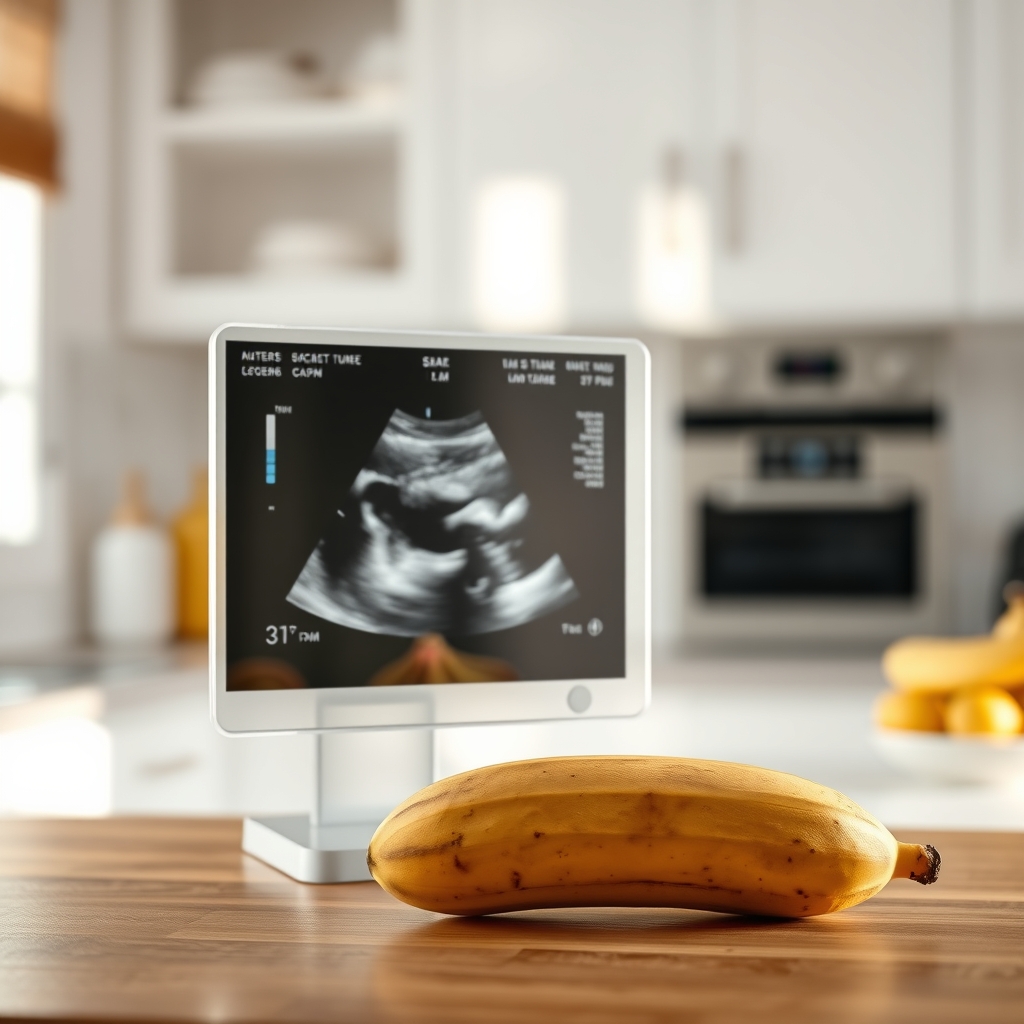
At 21 weeks, the baby is about the length of a banana.
What is the weight of a 21 week fetus?
Weight-wise, a 21‑week fetus typically weighs about 12 ounces (≈350 grams). This is roughly the mass of a large plum or a small apple. The weight can vary between 10 oz (280 g) and 14 oz (400 g) and still be considered normal.
The estimated fetal weight (EFW) is calculated during a mid‑second‑trimester ultrasound using measurements of the head circumference (HC), abdominal circumference (AC), and femur length (FL). According to the NHS ultrasound guidelines, the average EFW at 21 weeks is 350 g, with a 10‑percent margin of error.
While the exact weight isn’t something you can feel, it matters for monitoring growth trends. A steady increase of roughly 0.5 kg per week after the second trimester is typical. If the weight consistently lags behind the expected range, your provider may order additional scans or tests to rule out growth restriction. In many cases, a slightly lower weight simply reflects a smaller‑built baby and does not indicate a problem.
21 week baby size compared to a fruit
Comparing fetal size to familiar fruits helps turn abstract numbers into something you can picture. At 21 weeks, the baby is about the size of a banana in length and comparable in weight to a large plum or small apple. Some parents also liken the size to a cantaloupe melon when considering the overall bulk.
Fetal Feature
Average Measurement at 21 weeks
Comparable Fruit/Vegetable
Length (crown‑to‑heel)
10½ in (27 cm)
Banana or small mango
Weight
≈12 oz (350 g)
Large plum or small apple
Head circumference
≈16.5 cm (6½ in)
Medium orange
Abdominal circumference
≈15.5 cm (6 in)
Small peach
These visual analogies are used by many clinicians during prenatal visits because they instantly convey the baby’s growth without needing a ruler.
What are the developmental milestones at 21 weeks pregnant?
Week 21 marks a busy period of organ refinement and neural development. Here are the key milestones you can expect:
Brain development: The cerebral cortex is forming gyri (the brain’s “folds”), increasing the brain’s surface area.
Digestive system: The intestines are beginning to practice peristalsis—muscle contractions that will later move food.
Sensory organs: Taste buds are developing, and the fetus can now sense sweet and bitter flavors in the amniotic fluid.
Movement: Muscles are strengthening; you may feel more distinct kicks and rolls.
Skin: The protective vernix caseosa, a white, waxy coating, is thickening to guard the baby’s skin.
Immune system: Antibodies from the mother start crossing the placenta, giving the baby early immune protection.
These milestones are supported by the CDC’s second‑trimester guide and the NICE pregnancy recommendations. If any of these systems appear delayed in an ultrasound—such as unusually small brain measurements—your provider may schedule a follow‑up scan.
In addition to structural growth, the fetus now begins to produce small amounts of cerebrospinal fluid, a sign that the central nervous system is maturing. This fluid helps cushion the brain and is essential for later cognitive development.
Ultrasound imaging often uses fruit analogies—here, a banana matches the baby’s length.
Can I feel my 21 week baby move and how strong is it?
Most expectant parents begin to notice fetal movements between weeks 18 and 22. By week 21, many women report feeling gentle flutters, twitches, or even more pronounced kicks. The sensations can feel like a bubble popping, a light tap, or a soft “dance” inside the womb.
The strength of the movement varies. Early kicks are typically subtle because the baby’s limbs are still short, but as the muscles develop, the movements become more noticeable. If you’re pregnant for the first time, you may be surprised how quickly the “quickening” progresses; experienced mothers often differentiate between light flutters and stronger pushes.
To track movements, many providers suggest a “kick count” after the 28‑week mark, but you can start a simple daily log now: sit quietly after a meal, place a hand on your belly, and note the time of each distinct movement. A pattern of at least 10 movements within two hours is generally reassuring.
If you notice a sudden decrease in movement or a complete absence after you’ve previously felt regular activity, contact your provider promptly. As Mayo Clinic advises, reduced movement can be an early sign of distress and warrants evaluation.
Factors such as maternal blood sugar, hydration, and even the time of day can influence how often you feel kicks. A light snack or a glass of juice often stimulates a brief burst of activity, giving you a quick reassurance check.
What are the recommended ultrasound measurements at 21 weeks?
A mid‑second‑trimester ultrasound is usually scheduled between weeks 18 and 22. At 21 weeks, the sonographer will focus on the following measurements:
In addition to size, the ultrasound will assess anatomy: the brain’s ventricles, the heart’s four chambers, and the placenta’s position. Detecting any anomalies early allows for timely referrals and care planning.
Is a 21 week baby size normal or cause for concern?
Most babies measured at 21 weeks fall within a normal size spectrum. However, a size that is significantly larger or smaller than the expected range can sometimes signal an underlying issue.
Potential concerns for a larger-than-average baby include maternal diabetes, which can accelerate fetal growth, or polyhydramnios (excess amniotic fluid). Conversely, a smaller-than-expected baby might suggest intrauterine growth restriction (IUGR), placental insufficiency, or maternal smoking.
Key red‑flag signs that warrant immediate medical attention include:
Rapid, unexplained increase in uterine size (e.g., the belly suddenly feels much larger than expected)
Severe abdominal pain or cramping
Vaginal bleeding or fluid loss
Noticeable decrease in fetal movements after you’ve felt regular activity
Persistent severe headaches or visual disturbances (possible pre‑eclampsia)
When any of these symptoms appear, call your provider right away. In most cases, a slight deviation from the average is benign, especially when the baby’s anatomy looks healthy on ultrasound.
It’s also worth noting that maternal factors such as BMI and ethnicity can shift the “average” slightly. For example, ACOG’s data indicate that babies of mothers with higher BMI may trend toward the upper end of normal growth curves, but this alone does not imply a problem.
How does 21 week baby size differ for first vs subsequent pregnancies?
First‑time mothers often notice that their uterus feels “tight” and the baby’s movements feel more pronounced once the baby reaches about 21 weeks. In later pregnancies, the uterus may have a bit more “give” because the abdominal muscles have stretched previously, which can make the baby’s size feel less dramatic.
Studies from the Royal College of Obstetricians and Gynaecologists show that uterine growth curves are slightly steeper in multiparous women after the 20‑week mark, meaning the belly can appear larger earlier even if the fetal measurements are comparable.
Nevertheless, the fetal size itself—length and weight—doesn’t change based on parity. The difference lies in how the mother’s body accommodates the growing baby. This is why some providers may schedule an earlier or additional ultrasound for a first pregnancy to confirm growth patterns, while subsequent pregnancies might follow the standard schedule.
Average length of a 21 week fetus in centimeters
In metric terms, the average crown‑to‑heel length of a 21‑week fetus is 27 cm, with a typical range of 24–29 cm. This measurement aligns with the World Health Organization’s fetal growth standards and reflects a healthy developmental trajectory.
21 week pregnancy baby size chart
Below is a concise size chart that places the 21‑week fetus alongside common objects and other gestational ages. Use it as a quick reference when you’re curious about how your baby compares.
Gestational Age
Length (in)
Length (cm)
Weight (oz)
Comparable Object
20 weeks
9.9
25
10
Small banana
21 weeks
10.5
27
12
Banana / small mango
22 weeks
11.1
28
14
Large banana
23 weeks
11.6
30
16
Medium peach
What size fruit is a 21 week baby?
When clinicians use fruit analogies, the 21‑week baby is most often likened to a banana. The length matches well, and the weight is comparable to a large plum or a small apple—making the comparison easy to visualize.
21 week baby growth rate week by week
From week 20 to 22, the average fetal growth pattern is:
Length: Increases by about 0.5 in (1.3 cm) per week.
Weight: Gains roughly 1 oz (30 g) each week.
Head circumference: Grows about 0.2 in (0.5 cm) weekly.
This steady progression is driven by rapid cell division and organ development. Deviations of more than 2 cm in length or 50 g in weight over a two‑week span may prompt a follow‑up scan.
How much does a 21 week baby weigh compared to a watermelon?
A 21‑week baby’s weight of about 12 oz (350 g) is similar to a small, personal‑sized watermelon slice—roughly the weight of a single slice from a 4‑lb mini watermelon. While the whole fruit is far larger, the comparison helps illustrate that the baby’s mass is still modest.
What changes in the uterus at 21 weeks due to baby size?
As the baby reaches the size of a banana, the uterus expands upward, moving the fundus (the top of the uterus) to just above the belly button. The uterine wall stretches, and the round ligament—supporting the uterus—can cause occasional sharp side pains known as “round‑ligament pain.” These aches are common and usually harmless.
The increased volume also raises the diaphragm, which may lead to mild shortness of breath or a feeling of “fullness” after meals. Maintaining good posture and gentle stretching can alleviate these symptoms.
Many expectant parents also notice a subtle change in their gait as the center of gravity shifts. Wearing supportive shoes and avoiding prolonged standing can help reduce lower‑back strain during this stage.
When to expect baby kicks at 21 weeks
Most mothers report feeling the first distinct kicks between weeks 18 and 22. By the end of week 21, you might notice a pattern of gentle taps occurring after meals or when you lie on your side. If you haven’t felt any movement yet, don’t worry—fetal activity varies, and some babies become more active a little later.
To encourage movement, try a warm drink, a light snack, or a short walk. These actions increase blood flow and glucose levels, both of which can stimulate fetal activity.
While formal kick counts are usually introduced after 28 weeks, keeping a simple mental note of the frequency and strength of movements now can give you early reassurance and a baseline for later weeks.
Nutrition tips for supporting your 21‑week baby
At 21 weeks, the baby’s brain and nervous system are rapidly developing, so nutrients like DHA, iron, and folate become especially important. Aim for a balanced plate that includes oily fish (or a DHA supplement if you avoid fish), lean protein, leafy greens, and whole grains.
Staying hydrated supports amniotic fluid volume, which cushions the baby and aids movement. A good rule of thumb is to sip water throughout the day rather than chugging large amounts at once. If you’re craving sweet flavors, fresh fruit such as berries or a sliced banana can satisfy cravings while providing vitamins and fiber.
Remember that every pregnancy is unique. If you have dietary restrictions or a condition like gestational diabetes, work with your provider or a registered dietitian to tailor your intake. The NHS recommends at least 300 µg of folic acid daily through the first 20 weeks, and many clinicians continue the supplement through the second trimester.
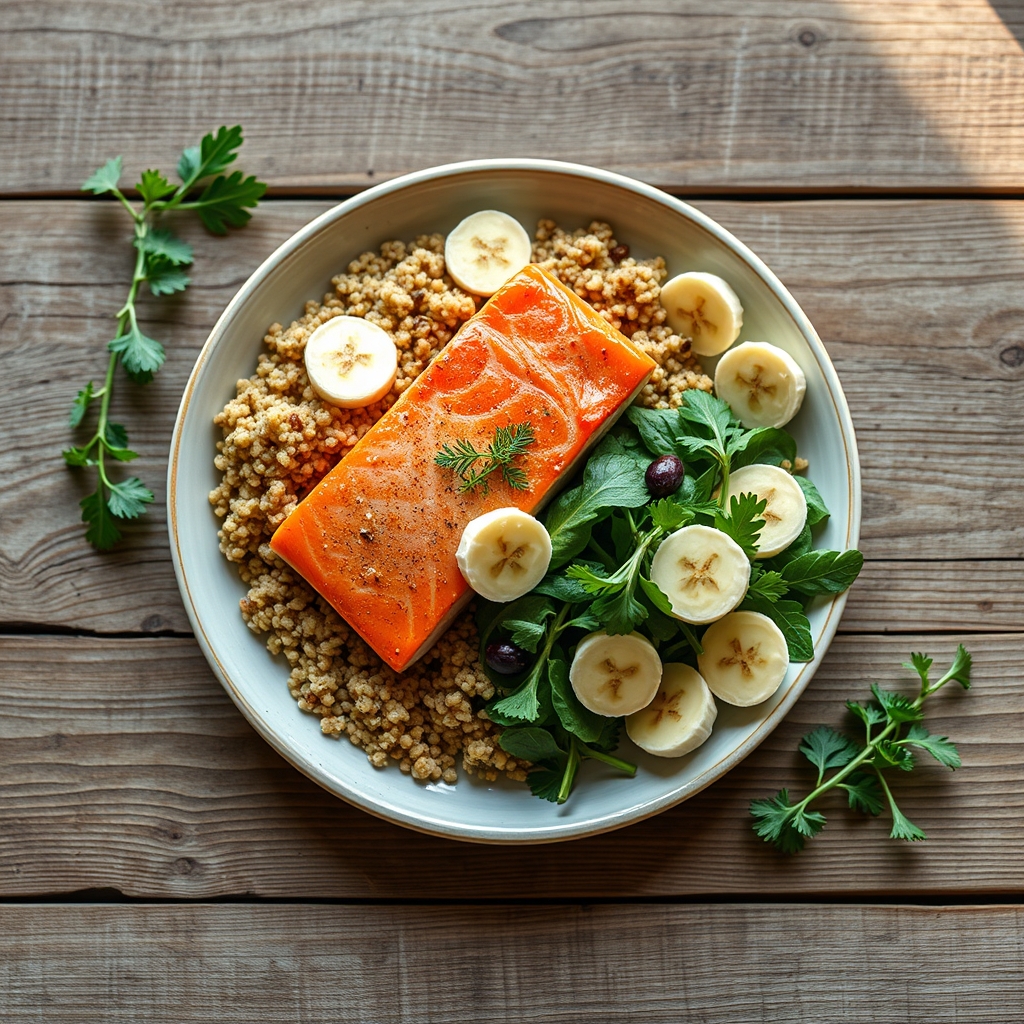
Eating a variety of nutrient‑dense foods helps support your baby’s growth at 21 weeks.
Staying comfortable as your uterus expands at 21 weeks
The growing uterus can cause a range of new sensations—from mild heartburn to occasional leg cramps. Wearing loose‑fitting clothing and using a supportive maternity belt can relieve pressure on the lower back and hips.
Gentle prenatal yoga or stretching, especially poses that open the hips and relax the pelvic floor, can reduce round‑ligament pain and improve circulation. If you experience frequent heartburn, try eating smaller meals, avoiding spicy foods, and staying upright for at least an hour after eating.
Sleep positioning also becomes important. Many clinicians recommend sleeping on the left side to improve blood flow to the placenta. A supportive pillow between the knees can help keep the spine aligned and reduce nighttime tossing.
Side‑lying with a pillow between the knees can ease back strain as the uterus expands.
What’s coming next? What to expect in weeks 22‑24
As you move into weeks 22‑24, the baby’s lungs begin producing surfactant, a substance that will later help keep the air sacs open after birth. The eyes can also open and close, and the baby may start responding to light.
From a maternal perspective, you might notice an increase in appetite and occasional swelling of the ankles—a sign of fluid retention that’s common in the second trimester. Your provider will likely schedule a follow‑up ultrasound around week 24 to assess anatomy and confirm growth trends.
These weeks also bring the opportunity to start thinking about birth plans, prenatal classes, and any needed support at home. Many hospitals offer tours of the labor and delivery unit; scheduling a visit now can reduce anxiety later on.
From our medical team: “At 21 weeks, the fetus is typically the length of a banana and weighs about 350 g. These numbers are averages—your baby may be a little larger or smaller and still be healthy. Focus on regular prenatal appointments, keep an eye on movement patterns, and reach out if you notice any sudden changes.”
Myth vs. fact
Myth: “If my baby is bigger than the average banana, something is wrong.”
Fact: Size variations of a few centimeters are normal; only consistent measurements outside the 10th‑90th percentile with other concerns signal a problem.
Myth: “You can’t feel any movement until after 24 weeks.”
Fact: Many women feel the first flutters as early as 18 weeks, and by 21 weeks, distinct kicks are common.
Myth: “A larger baby always means a difficult delivery.”
Fact: While very large babies (macrosomia) can increase delivery challenges, a modestly larger baby at 21 weeks rarely predicts delivery difficulty.
Key takeaways
At 21 weeks, the baby is about 10½ inches (27 cm) long and weighs roughly 12 oz (350 g)—the size of a banana.
Typical ultrasound measurements include HC ≈ 16.5 cm, AC ≈ 15.5 cm, and FL ≈ 3.5 cm.
Most mothers feel gentle kicks between weeks 18‑22; a simple kick‑count can reassure you.
First pregnancies may feel a tighter uterus, but fetal size itself doesn’t change with parity.
Call your provider if you notice rapid uterine growth, decreased movements, bleeding, or severe pain.
Balanced nutrition, adequate hydration, and comfortable sleep positions support both you and your baby.
Weeks 22‑24 will bring lung development, eye opening, and a follow‑up anatomy scan.
Frequently asked questions
How big is a baby at 21 weeks?
The average 21‑week baby measures about 10½ inches (27 cm) from head to heel and weighs around 12 oz (350 g), similar to a banana in length.
What does a 21 week ultrasound show?
A 21‑week ultrasound assesses head circumference, abdominal circumference, femur length, and estimates fetal weight, providing a snapshot of growth that should fall within the 10th‑90th percentile for gestational age.
Can you feel your baby move at 21 weeks?
Yes—most women report feeling gentle flutters or distinct kicks by week 21. Movements may feel like a bubble popping or a light tap on the belly.
Is it normal for a 21 week baby to be larger than average?
Minor variations are normal; only a consistent size outside the 10th‑90th percentile combined with other concerns would require further evaluation.
What are the signs of a healthy 21 week fetus?
Normal ultrasound measurements, steady growth trends, regular fetal movements, and the absence of maternal symptoms like severe pain or bleeding are reassuring indicators.
How much does a baby weigh at 21 weeks pregnant?
The average weight is about 12 oz (≈350 g), comparable to a large plum or a small apple.
What foods should I prioritize to support my baby’s growth at 21 weeks?
Focus on nutrient‑dense options: fatty fish or fortified DHA, leafy greens for iron and folate, whole grains for energy, and fresh fruit for vitamins. Staying hydrated and limiting added sugars also helps maintain healthy amniotic fluid levels.
Is it safe to travel by air at 21 weeks?
For most uncomplicated pregnancies, air travel is considered safe up to 36 weeks. Bring your prenatal records, stay hydrated, and move your legs periodically. Always check with your provider if you have specific concerns or a high‑risk pregnancy.
When to call your doctor
If you experience any of the following, contact your healthcare provider right away: sudden decrease in fetal movements, severe abdominal pain, vaginal bleeding or fluid loss, rapid increase in belly size, persistent headaches, or visual disturbances. This article is for informational purposes only and does not replace personalized medical advice.
References
American College of Obstetricians and Gynecologists (ACOG). “Fetal Growth Charts.” Clinical Guidance, 2023.
National Health Service (NHS). “Ultrasound scan during pregnancy.” NHS website, 2022.
Centers for Disease Control and Prevention (CDC). “Second trimester development.” CDC Pregnancy Guide, 2021.
World Health Organization (WHO). “Standards for fetal growth.” WHO Publication, 2020.
Mayo Clinic. “Fetal movement during pregnancy.” Mayo Clinic Health Information, 2023.
Royal College of Obstetricians and Gynaecologists (RCOG). “Uterine growth in multiparous women.” RCOG Guidelines, 2022.
National Institute for Health and Care Excellence (NICE). “Antenatal care for uncomplicated pregnancies.” NICE Guideline NG123, 2021.
Food and Drug Administration (FDA). “Guidance for industry: Dietary supplements for pregnant women.” FDA, 2022.
American Pregnancy Association. “Nutrition during pregnancy.” APA, 2023.
Not sure about the label on 21 Weeks Pregnant Baby Size products?
Snap the ingredients list and SafeFilter checks every ingredient for your stage — only 3 free scans this month, then you're locked until reset. Unlimited from $7/mo or $50/yr.
When Shubhra Mishra was expecting her first child in 2016, she was overwhelmed by conflicting food advice — one site said yes, another said never. By the time her second baby arrived in 2019, she realized millions of mothers face the same confusion.
That sparked a five-year journey through clinical nutrition papers, cultural diets, and expert conversations — all leading to BumpBites: a calm, compassionate space where science meets everyday motherhood.
Her long-term vision is to build a global community ensuring safe, supported, and free deliveriesfor every mother — because no woman should face pregnancy alone or uninformed. 🌿
🌍 Stand with mothers, shape safer guidance
Join a small circle of experts who review BumpBites articles so expecting parents everywhere can decide with confidence.