At 20 weeks pregnant, expect baby movements, a growing bump, and key tests like the anatomy scan. Learn what changes to anticipate for you and your baby in this detailed guide.
By Shubhra Mishra — a mom of two who turned her own confusion during pregnancy into BumpBites, a global mission to make food choices clear, safe, and stress-free for every expecting mother. 💛
Check whether any food is safe during pregnancy with the BumpBites Food Safety Checker.
Quick take: At 20 weeks you’re halfway through pregnancy. Your baby is about the size of a banana, you may start feeling movement, and your belly will measure roughly 16‑18 inches. Most symptoms—tiredness, back pain, cravings—can be eased with balanced nutrition, gentle exercise, and good sleep. Keep up with prenatal visits, and watch for warning signs like severe headache or swelling.
It’s 2 a.m., you’ve just felt a flutter in your lower abdomen and wonder, “Is this normal?” You’ve reached the 20‑week mark and the excitement is mixed with a flood of questions: How big is the baby? What will my belly look like? Can I keep up with my workouts? You’re not alone. Most expecting parents hit the midway point with a similar mix of curiosity and concern.
In this guide we’ll walk you through everything you might wonder about being 20 weeks pregnant—from the baby’s development and your changing body to nutrition, exercise, and the red‑flag signs that need a doctor’s eye. We’ve organized the information by the exact questions people type into Google, so you can find the answer you need in seconds.
Grab a glass of water, settle into a comfy spot, and let’s explore what to expect at 20 weeks pregnant.
How big is my belly at 20 weeks pregnant?
By the midpoint of pregnancy, most women’s bellies measure between 16 and 18 inches (about 40‑45 cm) around the waist. The uterus has grown to the level of your belly button, and the fundus (top of the uterus) sits just above it. This size can vary based on your pre‑pregnancy body type, whether you’ve had previous pregnancies, and how much weight you’ve gained.
Typical measurements:
Fundal height: 20 cm (roughly the same as weeks of gestation)
Abdominal circumference: 16‑18 inches
Uterine size: comparable to a small pumpkin
These numbers are useful for your provider during prenatal visits, but remember that every belly is unique. If yours feels larger or smaller, it isn’t automatically a problem.
Most women notice a gentle tightness as the uterus expands, and the skin may start to stretch noticeably. Keeping your skin hydrated and wearing a supportive maternity band can make the change feel more comfortable.
What to expect at the 20‑week pregnancy ultrasound?
The 20‑week anatomy scan is the most detailed ultrasound you’ll have during pregnancy. It checks the baby’s organs, measures growth, and can often reveal the baby’s sex if you wish to know.
During the scan you’ll see:
Brain development, including the cerebral cortex
Heart chambers and valves beating around 120‑160 times per minute
Spine alignment and limb formation
Placenta placement and amniotic fluid volume
Most providers use the images to confirm that the baby’s growth falls within normal ranges (see the table below). If something looks atypical, they may schedule follow‑up imaging or additional testing.
Fetal Metric
Average at 20 weeks
Normal Range
Crown‑to‑rump length
16 cm (6.3 in)
15‑17 cm
Weight
300 g (10.5 oz)
260‑340 g
Head circumference
18 cm (7.1 in)
17‑19 cm
If the baby’s measurements fall within these ranges, the scan is reassuring. If you’re curious about the baby’s sex, ask your sonographer—most clinics will share the answer if you request it.
It’s normal to feel a little nervous during the scan; the technician will guide you through each step, and you’ll have a chance to ask questions about any findings on the spot.
How can I find relief from common 20‑week pregnant symptoms?
Mid‑pregnancy brings a mix of aches, cravings, and energy swings. Below are practical tips for the most frequent discomforts.
Feeling tired
Fatigue often peaks in the second trimester because your body is building the blood volume needed for the baby. Try a short nap (20‑30 minutes), stay hydrated, and keep a light snack of protein and complex carbs handy.
Back pain
As the uterus shifts your center of gravity forward, the lower back bears extra strain. Support your spine with a maternity belt, practice gentle pelvic‑tilt stretches, and sleep on your side with a pillow between your knees.
Breast tenderness
Hormonal surges make breasts feel swollen and sore. A supportive bra (preferably non‑underwire) and cool compresses can ease the discomfort.
Food cravings
Cravings are normal and often driven by rising hormone levels. Satisfy them with nutrient‑dense choices—sweet potatoes for a “sweet” craving, or a handful of almonds for salty urges.
Mood swings
Fluctuating estrogen and progesterone can affect neurotransmitters. Keep a routine, stay active, and consider mindfulness or brief journaling to stabilize mood.
Stretch marks
While genetics play a big role, keeping skin moisturized with vitamin‑E rich creams or natural oils (e.g., cocoa butter) can improve elasticity.
Varicose veins
Increased blood volume and pressure on pelvic veins may cause bulging veins in the legs. Elevate your feet when resting, wear compression stockings, and avoid prolonged standing.
Pelvic pressure
As the baby’s head settles low, you may feel pressure in the pelvis. Gentle pelvic floor exercises (Kegels) and staying active help manage this sensation.
Listening to your body’s signals and adjusting daily habits can turn many of these “mid‑pregnancy nuisances” into manageable, short‑lived episodes.
What diet should a 20‑week pregnant woman follow?
Nutrition at 20 weeks focuses on supporting rapid fetal growth while maintaining your own energy stores.
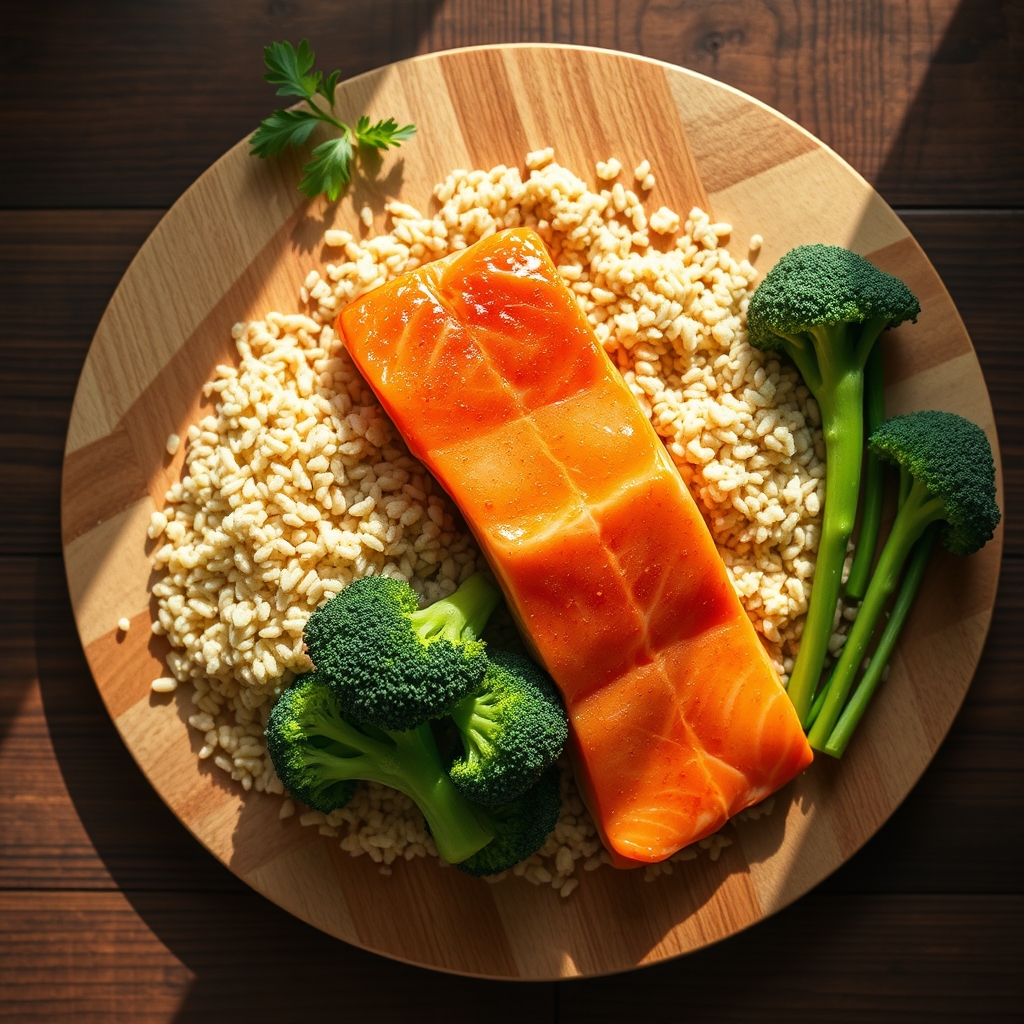
Protein: Aim for 70‑100 g daily (lean meat, poultry, fish low in mercury, beans, tofu).
Calcium: 1,000 mg per day (dairy, fortified plant milks, leafy greens).
Iron: 27 mg daily; pair iron‑rich foods with vitamin C for better absorption.
Folate: Continue the prenatal vitamin (400‑800 µg). Folate aids neural‑tube development.
Stay hydrated—aim for at least 8‑10 cups of water a day. Limit caffeine to ≤200 mg (about one 12‑oz coffee) per ACOG guidelines, and avoid unpasteurized cheeses, deli meats, and high‑mercury fish.
Balanced meals with protein, whole grains, and vegetables fuel both you and your baby.
Adding a small daily snack—like Greek yogurt with berries—helps keep blood sugar stable and supplies extra calcium and protein without a large calorie load.
When will I start feeling my baby move at 20 weeks pregnant?
Most women report their first “quickening” between 18‑22 weeks. The sensations can feel like bubbles, fluttering, or gentle taps. If you haven’t felt anything yet, don’t worry—placental position and your body type influence timing.
To encourage movement:
Drink a cold glass of water and watch for a brief increase in activity.
Lie on your left side; this improves blood flow to the baby.
Play soft music; some studies suggest babies respond to sound.
Most providers ask you to count kicks after 28 weeks, but it’s perfectly fine to start noting patterns now.
Keeping a simple journal of the time of each flutter can be a comforting way to track your baby’s growing strength.
What are the stages of fetal development at 20 weeks?
At 20 weeks the baby is entering the “mid‑gestation” phase. Key milestones:
Brain: Neurons are forming connections; the cerebral cortex begins to develop gyri.
Heart: Four chambers are fully formed; the heart beats ~140 bpm.
Lungs: Bronchial trees are branching; surfactant production starts later.
Digestive system: Swallowing amniotic fluid helps gut development.
Skin: Begins to look pinkish; fine hair (lanugo) covers the body.
These structures lay the groundwork for the rapid growth that follows in the third trimester.
By this stage, the fetus can also make brief facial expressions, and the eyes can open and close in response to light.
What pregnancy complications should I watch out for at 20 weeks?
While most second‑trimester pregnancies proceed without major issues, a few conditions can emerge.
Gestational diabetes: Usually screened between 24‑28 weeks, early signs include excessive thirst and urination.
Preeclampsia: Rare before 20 weeks, but watch for sudden swelling, headaches, or visual changes. According to ACOG, severe hypertension (≥140/90 mmHg) after 20 weeks warrants immediate evaluation.
Preterm labor: Contractions before 37 weeks accompanied by pelvic pressure or fluid leakage need prompt assessment.
Placenta previa: If you experience painless bright red bleeding, seek care—this can indicate low‑lying placenta.
Most complications are caught early through routine prenatal visits, but knowing the warning signs helps you act quickly.
Remember that occasional mild swelling or a headache can be normal; it’s the combination, severity, and persistence that flag a problem.
What exercise is safe for 20‑week pregnant women?
Staying active supports circulation, mood, and prepares your body for labor. The CDC and ACOG endorse moderate‑intensity aerobic activity for most pregnant people.
Recommended activities
Walking briskly (30 minutes most days)
Swimming or water aerobics—buoyancy eases joint stress.
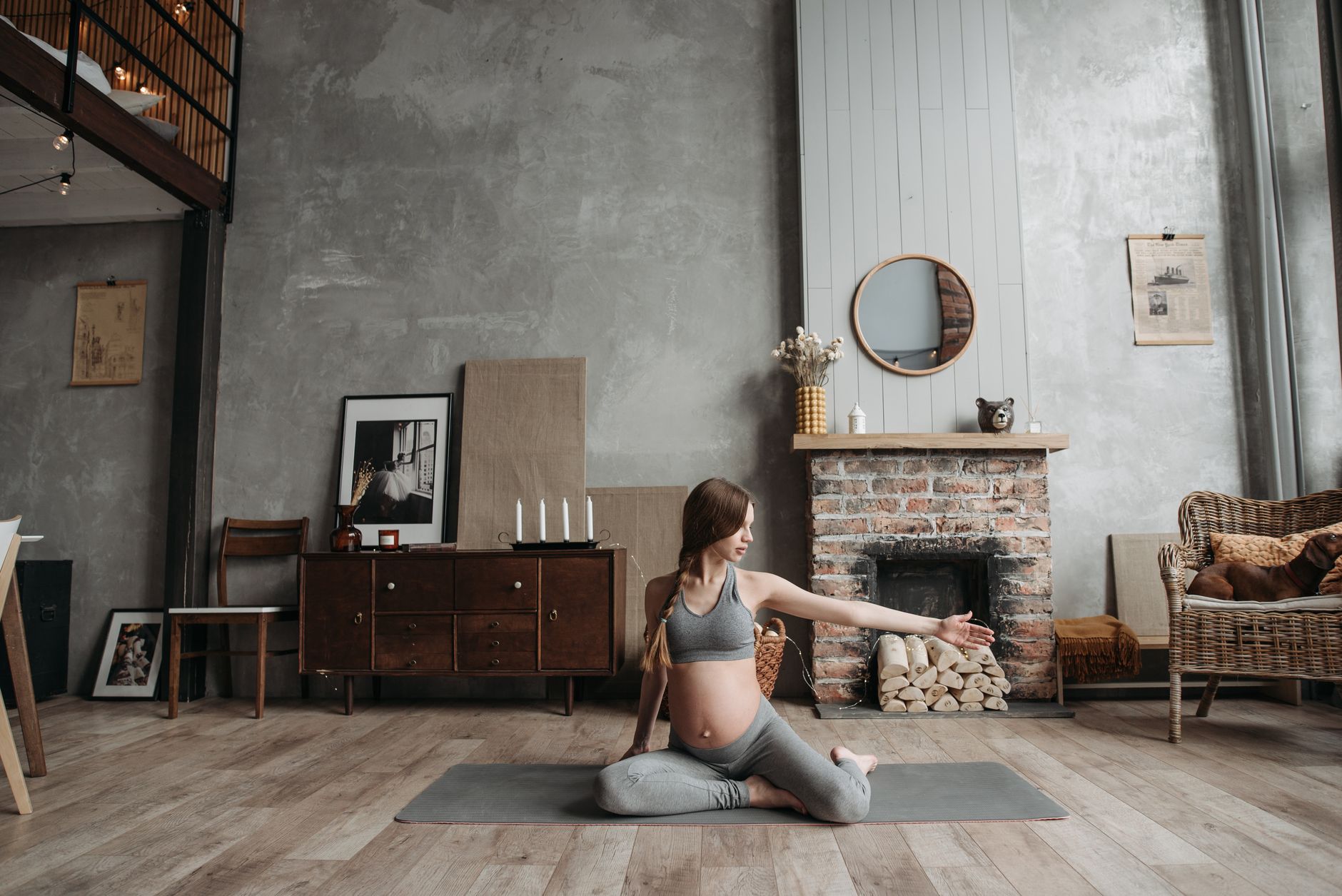
Prenatal yoga—focuses on gentle stretching and breathing.
Stationary cycling at a comfortable pace.
Things to avoid
Contact sports (soccer, basketball) that risk abdominal trauma.
High‑impact jumping or heavy weight‑lifting without supervision.
Activities that cause you to overheat or feel dizzy.
Listen to your body: if you feel shortness of breath, dizziness, or pelvic pain, pause and rest.
Adding a short warm‑up and cool‑down (5 minutes each) reduces soreness and makes the workout feel safer.
Gentle prenatal yoga helps ease back pain and improves flexibility.
Is sex safe at 20 weeks pregnant?
For most uncomplicated pregnancies, sexual activity remains safe up to the third trimester. The amniotic sac and placenta protect the baby, and the cervix stays closed.
Consider these tips:
Use positions that avoid abdominal pressure (e.g., side‑lying).
Communicate openly with your partner about comfort levels.
If you have a history of preterm labor, placenta previa, or unexplained bleeding, talk to your provider before continuing.
Always stop if you experience pain, spotting, or uterine contractions.
Lubrication can help if hormonal changes cause vaginal dryness; a water‑based product is usually safest.
What to expect from prenatal care and check‑ups at 20 weeks?
During the 20‑week visit you’ll likely have:
Blood pressure and weight measurement.
Fundal height assessment.
Urine dipstick for protein and glucose.
Discussion of any symptoms (back pain, cravings, mood).
Review of nutrition and exercise plans.
Planning for the anatomy scan (if not already scheduled).
Some providers may also order a blood test for anemia or screen for infections such as hepatitis B and HIV if not done earlier.
Don’t forget to bring a list of any supplements you’re taking; the provider will confirm they’re safe for this stage.
How does mood and mental well‑being change at 20 weeks pregnant?
Hormonal shifts can amplify emotions, but many also feel a surge of confidence as the baby’s presence becomes tangible. Strategies for emotional balance include:
Regular light exercise—releases endorphins.
Connecting with a support group or online community.
Mindful breathing or short meditation sessions.
Keeping a journal of thoughts and gratitude.
If you notice persistent sadness, anxiety, or intrusive thoughts, reach out to your provider. Perinatal mood disorders affect up to 1 in 7 people and are treatable.
Simple daily habits—like a 5‑minute gratitude list—can shift your mindset and provide a sense of control amid the physical changes.
Can I travel at 20 weeks pregnant?
Traveling is generally safe during the second trimester. The risk of miscarriage is lowest, and you’ll likely feel more comfortable on long trips than in early pregnancy.
Tips for safe travel:
Stay hydrated and move every 1‑2 hours (walk the aisle or stretch).
Wear a seatbelt low across your hips.
Choose seats with easy access to the restroom.
Carry a copy of your prenatal records and any medications.
Check airline policies—most allow travel up to 36 weeks, but some require a medical clearance after 28 weeks.
If you’re traveling by car, plan frequent stops, keep snacks on hand, and avoid sitting for more than two hours at a stretch.
What are the chances of miscarriage at 20 weeks pregnant?
Miscarriage rates drop dramatically after the first trimester. By 20 weeks, the risk is roughly 1‑2 % for a healthy pregnancy, according to CDC data. Most losses after this point are classified as stillbirths rather than miscarriage. Maintaining routine prenatal care and promptly reporting concerning symptoms helps reduce risks.
While the numbers are reassuring, every pregnancy is unique. Maintaining a healthy lifestyle—balanced diet, moderate activity, and stress management—remains the best preventive strategy.
How often should I feel the baby kick at 20 weeks pregnant?
Before 28 weeks, there’s no set “kick count” guideline, but many mothers notice movement a few times a day. The frequency can vary day‑to‑day. If you notice a sudden decrease in activity or a period of no movement lasting several hours, call your provider for reassurance.
Many parents find it helpful to set a “movement window” (e.g., after lunch) and note any sensations; this creates a baseline for later weeks.
What are the signs of preeclampsia at 20 weeks pregnant?
Although preeclampsia most commonly appears after 30 weeks, early onset can occur. Warning signs include:
Sudden swelling of hands, face, or feet.
Headaches that don’t improve with rest or acetaminophen.
Visual disturbances (spots, flashing lights).
Upper abdominal pain, especially under the ribs.
Rapid weight gain (>2 kg in a week).
If any of these appear, seek medical attention promptly. Early detection and management are crucial for maternal and fetal health.
Blood pressure readings at home (if you have a cuff) can help you track trends, but always share the numbers with your provider.
Vitamins and supplements you can safely take at 20 weeks
Beyond prenatal vitamins, many expectant parents wonder about extra supplements. The NHS and ACOG both agree that, unless a specific deficiency is identified, most additional supplements are unnecessary.
Vitamin D: 600–800 IU daily if you have limited sun exposure; it supports calcium absorption.
Iron: Only if labs show low ferritin; excess iron can cause constipation.
Omega‑3 DHA: 200–300 mg from fish oil or algae, safe and beneficial for fetal brain development.
Probiotics: Generally safe; may help with digestion, but choose a reputable brand.
Always discuss any new supplement with your provider, as dosage and brand quality matter.
Talk to your provider before adding any supplement beyond your prenatal vitamin.
Managing sleep disturbances in the second trimester
Sleep can become tricky as the belly grows and hormones rise. The NHS recommends a few simple strategies to improve rest.
Use a pregnancy pillow to support the belly and hips.
Establish a calming bedtime routine—warm bath, gentle stretch, or reading.
Limit caffeine after midday and keep the bedroom cool (around 65 °F).
Practice deep‑breathing or a short meditation to ease racing thoughts.
If insomnia persists or you feel excessive daytime sleepiness, discuss it with your provider; sometimes underlying anemia or thyroid issues are the cause.
Preparing for the third trimester: what to start now
While the third trimester feels far away, a few early preparations can make the later months smoother.
Pack a hospital bag with essentials (comfortable clothing, toiletries, phone charger).
Choose a pediatrician and schedule a newborn visit.
Set up a feeding plan—whether you plan to breastfeed, bottle‑feed, or combine methods.
Start a light strength‑training routine (body‑weight squats, wall sits) to build endurance for labor.
These steps reduce last‑minute stress and let you focus on enjoying the final stretch of pregnancy.
From our medical team: “Reaching 20 weeks is a milestone worth celebrating, but it also brings new responsibilities. Continue your prenatal appointments, stay active, nourish your body, and trust your instincts. If something feels off, a quick call to your provider is the safest route.”
Myth vs. fact
Myth: You should avoid all caffeine after the first trimester. Fact: ACOG advises limiting caffeine to ≤200 mg per day (about one 12‑oz coffee) throughout pregnancy.
Myth: Feeling the baby move means the pregnancy is safe from complications. Fact: While fetal movement is reassuring, it does not replace routine monitoring for conditions like gestational diabetes or preeclampsia.
Myth: You must stop all exercise once you feel any discomfort. Fact: Mild to moderate activity is beneficial; modify intensity or position if you experience back pain or pelvic pressure.
Key takeaways
At 20 weeks your baby is about the size of a banana and may start moving.
Typical belly circumference is 16‑18 inches; fundal height aligns with gestational age.
Eat a balanced diet rich in protein, calcium, iron, folate, and DHA.
Gentle exercise—walking, swimming, prenatal yoga—supports health and mood.
Watch for red‑flag symptoms like severe headache, swelling, or bleeding.
Maintain regular prenatal visits and keep a list of questions for your provider.
Consider vitamin D, DHA, and probiotic supplements only after consulting your provider.
Use supportive pillows and a calming bedtime routine to improve sleep.
Start early planning for the third trimester—hospital bag, pediatrician, and feeding choices.
Frequently asked questions
Can I feel the baby move at 20 weeks pregnant?
Yes—most women notice their first flutters between 18 and 22 weeks. The sensations may feel like bubbles or gentle taps.
How big is my baby at 20 weeks pregnant?
The fetus measures about 16 cm (6 inches) long and weighs roughly 300 g, comparable to a banana.
What are the chances of miscarriage at 20 weeks pregnant?
Miscarriage risk drops to about 1‑2 % after the first trimester, according to CDC data.
Can I travel at 20 weeks pregnant?
Travel is generally safe; stay hydrated, move regularly, and follow airline seat‑belt guidelines.
What are the symptoms of preeclampsia at 20 weeks?
Watch for sudden swelling, severe headaches, visual changes, upper‑abdominal pain, or rapid weight gain.
How often should I feel the baby kick at 20 weeks?
Movement frequency varies; notice any noticeable decline and contact your provider if you haven’t felt movement for several hours.
Is it safe to take vitamin D supplements at 20 weeks?
Yes, most providers recommend 600–800 IU daily if you have limited sun exposure, but always confirm the dose with your clinician.
What should I pack in my hospital bag for a mid‑pregnancy delivery?
Include comfortable loose‑fitting clothing, toiletries, a phone charger, and any insurance documents; packing early reduces stress later on.
When to call your doctor
Seek immediate medical attention if you experience any of the following: severe abdominal pain, persistent bleeding, sudden swelling of hands or face, headaches that don’t improve with rest, vision changes, or a marked decrease in fetal movement. This article provides general information and is not a substitute for personalized medical advice. Always consult your healthcare provider with specific concerns.
References
American College of Obstetricians and Gynecologists (ACOG). “Nutrition During Pregnancy.” 2023 clinical guidance.
Centers for Disease Control and Prevention (CDC). “Pregnancy and Birth: Prenatal Care.” Updated 2024.
World Health Organization (WHO). “Recommendations on Antenatal Care for a Positive Pregnancy Experience.” 2022.
National Institute for Health and Care Excellence (NICE). “Antenatal Care Guidelines.” 2023.
Mayo Clinic. “Fetal Development: Weeks 15‑20.” 2023.
U.S. Department of Health & Human Services, Office of the Surgeon General. “Physical Activity Guidelines for Pregnancy.” 2022.
Royal College of Obstetricians and Gynaecologists (RCOG). “Preeclampsia and Hypertensive Disorders in Pregnancy.” 2023.
American Academy of Pediatrics (AAP). “Travel Recommendations for Pregnant Women.” 2022.
National Health Service (NHS). “Vitamins and Supplements in Pregnancy.” 2023.
American College of Obstetricians and Gynecologists (ACOG). “Guidelines for Vitamin D Supplementation During Pregnancy.” 2022.
Not sure about the label on 20 Weeks Pregnant What To Expect products?
Snap the ingredients list and SafeFilter checks every ingredient for your stage — only 3 free scans this month, then you're locked until reset. Unlimited from $7/mo or $50/yr.
When Shubhra Mishra was expecting her first child in 2016, she was overwhelmed by conflicting food advice — one site said yes, another said never. By the time her second baby arrived in 2019, she realized millions of mothers face the same confusion.
That sparked a five-year journey through clinical nutrition papers, cultural diets, and expert conversations — all leading to BumpBites: a calm, compassionate space where science meets everyday motherhood.
Her long-term vision is to build a global community ensuring safe, supported, and free deliveriesfor every mother — because no woman should face pregnancy alone or uninformed. 🌿
🌍 Stand with mothers, shape safer guidance
Join a small circle of experts who review BumpBites articles so expecting parents everywhere can decide with confidence.