At 18 weeks pregnant, you’ll feel your baby’s first movements, notice a growing belly, and experience common symptoms like heartburn and leg cramps. Learn what to expect and how to stay healthy.
By Shubhra Mishra — a mom of two who turned her own confusion during pregnancy into BumpBites, a global mission to make food choices clear, safe, and stress-free for every expecting mother. 💛
Check whether any food is safe during pregnancy with the BumpBites Food Safety Checker.
Quick take: At 18 weeks you’re solidly in the second trimester. Your baby is about the size of a bell pepper and its bones are hardening, while you may notice a growing uterus, mild cravings, and the first flutter of movement. Most women have gained 5–10 lb (2–4 kg) by now, can stay active with low‑impact exercise, and have a routine prenatal visit that may include an anatomy ultrasound and blood tests.
It’s 2 a.m.; you’re curled up on the couch, a warm cup of tea in hand, and a sudden wave of nausea makes you wonder: “Is this normal at 18 weeks?” You’re not alone. The middle of pregnancy brings a mix of excitement and new, sometimes puzzling, sensations. This guide walks you through exactly what to expect at 18 weeks—from your baby’s milestones to the foods you’ll want to skip, the exercises that feel safe, and the tests that keep both you and your little one healthy.
We’ll break down the science in plain language, share practical tips you can use tonight, and point out the red‑flag signs that mean it’s time to call your provider. By the end you’ll have a clear picture of where you are on the pregnancy timeline and a handy checklist for the weeks ahead.
What baby development milestones should I expect at 18 weeks pregnant?
At 18 weeks your baby, officially called a fetus, measures about 5.5 inches (14 cm) long—from crown to rump—and weighs roughly 5 oz (140 g). That’s roughly the size of a bell pepper or a small plum. The head is still the largest part, but the torso is catching up.
Key milestones:
Skeleton hardening: The cartilage is turning into bone, especially in the arms and legs. This is why you may feel more movement as muscles develop.
Facial features: Eyebrows, eyelashes, and even the beginnings of tiny hair (lanugo) appear on the scalp.
Digestive system: The intestines are forming, and the fetus begins to swallow amniotic fluid, which helps mature the gut.
Kidney function: Kidneys start producing urine, which is released into the amniotic fluid.
Neural connections: Nerves are connecting the brain to the spinal cord, laying groundwork for reflexes.
These developments are all part of the anatomy scan that many providers schedule between 18 and 22 weeks. The ultrasound will let you see the baby’s heartbeat, head circumference, and even tiny hand movements.
At 18 weeks the baby is about the size of a bell pepper.
Because the fetus is still tiny, you won’t see distinct facial features on a routine scan, but you may notice the outline of arms and legs moving. If you have a chance to view the images online, look for the “crown‑rump length” (CRL) measurement—this is the gold standard for estimating gestational age at this point.
What physical symptoms and cravings are common at 18 weeks?
Every pregnancy is unique, but most women report a handful of familiar sensations around week 18.
Increased appetite and cravings: Hormonal shifts often spark cravings for sweet or salty snacks. Many describe a sudden desire for citrus fruits, pickles, or ice‑cream.
Headaches: It’s common to experience mild to moderate headaches, often linked to low blood sugar, dehydration, or hormonal changes. Staying hydrated and eating regular meals can help.
Round ligament pain: As the uterus expands, the ligaments that support it stretch, causing a sharp, fleeting pain on one side of the lower abdomen.
Heartburn and reflux: The growing uterus presses on the stomach, pushing acid upward. Small, frequent meals and staying upright after eating can reduce discomfort.
Skin changes: The “pregnancy glow” may appear, along with possible darkening of the line from belly button to pubic bone (the linea nigra).
Many moms also notice a subtle “butterfly” flutter in the lower abdomen. At 18 weeks the baby’s movements are still too gentle to be felt consistently, but some women report a faint, fleeting sensation.
Sleep can be disrupted by the need to urinate more often—your expanding uterus puts pressure on the bladder. Keeping a glass of water by the bed and limiting fluids before bedtime may help.
How much weight should I have gained by 18 weeks and what does my uterus feel like?
Weight‑gain guidelines differ slightly between the United States (ACOG) and the United Kingdom (NICE), but the overall target is similar. By the end of the first trimester most women have gained 1–5 lb (0.5–2.3 kg). By 18 weeks the typical total gain is about 5–10 lb (2–4 kg) for a woman with a pre‑pregnancy BMI in the “normal” range.
Pre‑pregnancy BMI
Recommended total gain by 18 weeks
Underweight (BMI < 18.5)
6–12 lb (2.7–5.5 kg)
Normal weight (BMI 18.5‑24.9)
5–10 lb (2.3–4.5 kg)
Overweight (BMI 25‑29.9)
4–8 lb (1.8–3.6 kg)
Obese (BMI ≥ 30)
3–7 lb (1.4–3.2 kg)
Weight gain isn’t a straight line; you may notice a slower increase during the second trimester, then a faster pace in the third. The key is steady, healthy gain rather than rapid spikes.
The uterus at 18 weeks has risen just above the pelvic brim and can be felt just above the pubic bone. It’s about the size of a small grapefruit and feels firm yet slightly tender when you press gently. Your provider will measure the fundal height (the distance from the pubic bone to the top of the uterus) during each prenatal visit; at this stage it usually measures around 18 cm, matching your gestational age.
Which foods should I avoid and what prenatal vitamins are recommended at 18 weeks?
Nutrition remains a cornerstone of a healthy pregnancy. While many foods are safe, a few should be limited or avoided to protect you and your baby.
Unpasteurized dairy and soft cheeses: Risks of Listeria infection. Stick to pasteurized milk, hard cheeses, and yogurts.
High‑mercury fish: Limit shark, swordfish, king mackerel, and tilefish. Choose low‑mercury options like salmon, sardines, or shrimp, no more than 2‑3 servings per week.
Raw or undercooked eggs and meat: Prevent salmonella and toxoplasmosis. Ensure eggs are fully set and meats reach safe internal temperatures.
Caffeine moderation: Keep intake below 200 mg per day (about one 12‑oz coffee). Decaf and herbal teas are good alternatives.
Alcohol: No safe level has been established; the safest choice is to abstain.
At 18 weeks, your prenatal vitamin should already be covering the basics—folic acid, iron, calcium, vitamin D, and DHA. If you haven’t yet, ask your provider about adding a DHA supplement (200–300 mg daily) to support brain development. Iron needs increase to about 27 mg per day; many women find a gentle, iron‑glycinate formula easier on the stomach.
Hydration is equally important. Aim for at least 8‑10 cups of water daily, more if you’re active or live in a hot climate.
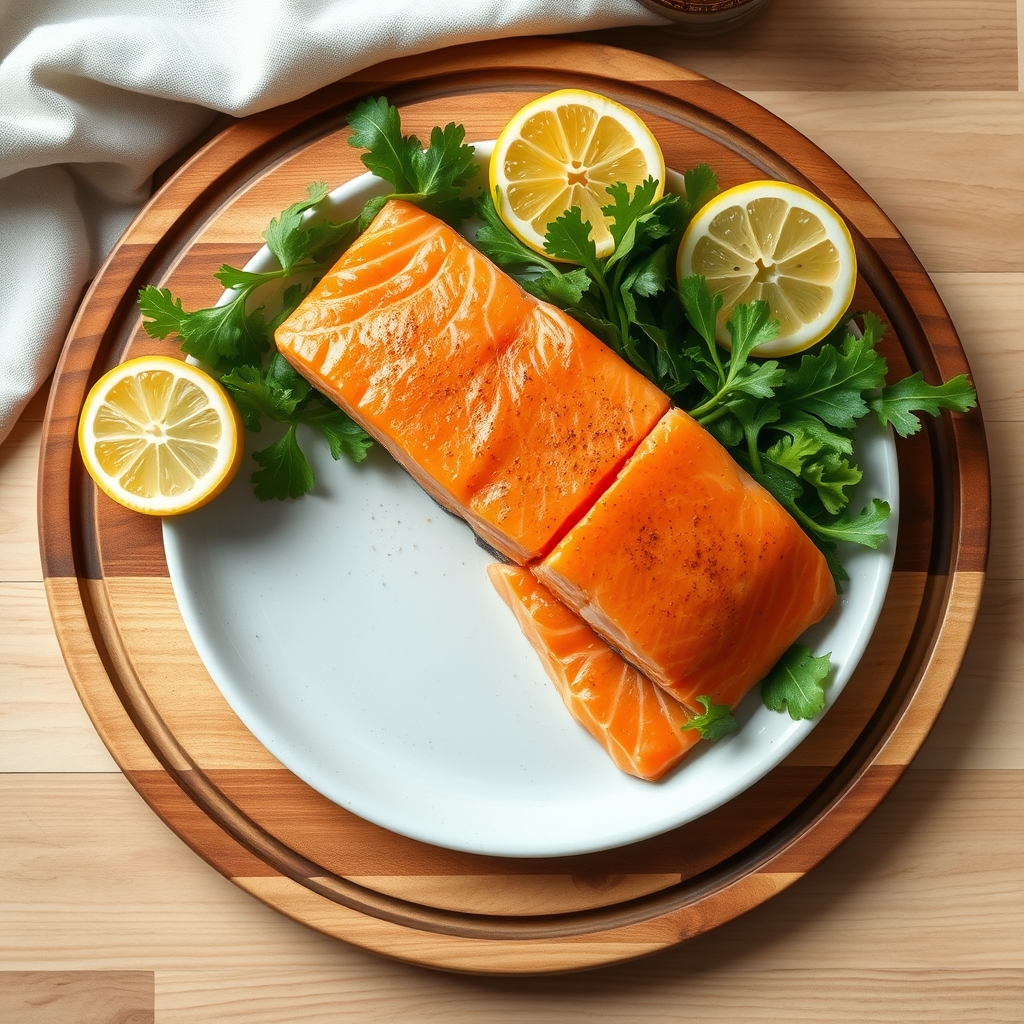
Low‑mercury fish like salmon provide DHA and protein without the mercury risk.
Can I safely exercise and travel during the 18th week of pregnancy?
Physical activity is encouraged throughout the second trimester, provided you listen to your body and avoid high‑impact or contact sports. Safe options include:
Walking: Gentle on joints and easy to fit into a daily routine.
Prenatal yoga: Improves flexibility and reduces stress; avoid deep twists that compress the abdomen.
Swimming: Buoyancy relieves pressure on the back and supports muscle tone.
Stationary cycling: Low impact, good for cardiovascular health.
Aim for 150 minutes of moderate‑intensity aerobic activity per week, as recommended by the CDC and ACOG. If you’re new to exercise, start with short 10‑minute sessions and gradually increase.
Travel is also generally safe at 18 weeks. Most airlines allow pregnant travelers up to 36 weeks, but it’s wise to:
Check the airline’s specific policy and obtain a “fit‑to‑fly” letter if required.
Move around every hour on long flights to reduce the risk of blood clots.
Stay hydrated and wear compression socks on longer journeys.
Carry your prenatal records in case you need medical care abroad.
Driving is fine, but remember to wear a seatbelt low on the hips, below the belly. If you’re traveling by car for many hours, take frequent breaks to stretch.
What prenatal tests and ultrasounds are scheduled around 18 weeks?
Many providers schedule the anatomy (or “mid‑pregnancy”) ultrasound between 18 and 22 weeks. This scan checks the baby’s major organs, measures growth, and can often reveal the baby’s sex if you wish to know.
Typical tests around this time include:
Maternal blood screen for anemia: Checks iron levels and overall blood health.
Glucose tolerance test (GTT) preparation: Often performed between 24‑28 weeks, but your provider may discuss preparation now.
Infection screening: If not done earlier, tests for hepatitis B, HIV, syphilis, and rubella immunity.
Group B Streptococcus (GBS) culture: Usually done later (35‑37 weeks), but a reminder may appear at this visit.
During the anatomy scan you’ll hear the baby’s heartbeat at a rate of 120‑160 bpm. The sonographer will also assess the spine, brain, heart chambers, kidneys, and limbs. Any major concerns will be discussed right then, and follow‑up testing arranged if needed.
When will I feel the baby move and what are the signs of preterm labor at 18 weeks?
Most people start noticing distinct fetal movements, known as “quickening,” between 18 and 22 weeks. At first, the sensation feels like a gentle flutter, bubble, or “butterfly” in the lower abdomen. It can be intermittent and may be easier to detect after a full bladder.
If you haven’t felt any movement by week 22, let your provider know. While late‑onset quickening can be normal, it’s worth confirming that growth is on track.
Preterm labor before 37 weeks is rare at 18 weeks, but being aware of warning signs is important. Contact your provider promptly if you experience:
Regular, painful contractions that don’t subside with rest.
Vaginal bleeding or fluid leakage.
Persistent lower‑back pain not relieved by changing position.
Sudden increase in pelvic pressure or a feeling of “gurgling” in the vagina.
Most sensations at this stage are benign, but a quick call can ease anxiety and ensure safety.
How many weeks until the second trimester ends and what should I know about emotional well‑being?
The second trimester runs from week 13 through week 27, so you have roughly nine weeks left after week 18. This period is often called the “golden window” because many uncomfortable first‑trimester symptoms fade, and you have more energy for planning and bonding.
Emotional health matters as much as physical health. Hormonal fluctuations can still cause mood swings, and the reality of a growing baby may trigger anxiety about labor, parenthood, or body changes.
Tips for maintaining mental wellness:
Stay connected: Share your feelings with a partner, friend, or support group. Online communities can provide reassurance.
Practice mindfulness: Short breathing exercises or guided meditations (e.g., “pregnancy belly breathing”) can lower stress.
Set realistic expectations: Not every day will be perfect. Allow yourself flexibility in your daily routine.
Seek professional help: If sadness, anxiety, or insomnia interfere with daily life, talk to your obstetrician or a mental‑health provider. Screening for perinatal mood disorders is standard practice.
Remember, it’s okay to feel a mix of excitement and nervousness. You’re navigating a remarkable transformation, and support is just a conversation away.
From our medical team: “At 18 weeks you’re well into the phase where the baby’s organs are forming and your body is adapting to support that growth. Most symptoms—like mild headaches or occasional cramping—are normal, but keep an eye on any persistent pain or bleeding. Staying hydrated, eating a balanced diet, and moving safely will help you feel your best. If you have any concerns, especially about fetal movement or preterm‑labor signs, give your provider a call right away.”
Myth vs. fact
Myth: “If I can’t feel the baby move at 18 weeks, something is wrong.”
Fact: Most people first notice distinct movements between 18 and 22 weeks. A lack of sensation before week 22 is usually normal, but let your provider know if you have concerns.
Myth: “I have to stop all exercise after the first trimester.”
Fact: Moderate, low‑impact exercise is safe and recommended throughout the second trimester, unless your provider advises otherwise for a specific medical reason.
Myth: “I must avoid all caffeine after the first trimester.”
Fact: Up to 200 mg of caffeine a day (about one 12‑oz coffee) is considered safe by the American College of Obstetricians and Gynecologists (ACOG). Excessive caffeine, however, can increase the risk of low birth weight.
Key takeaways
By 18 weeks the baby is about the size of a bell pepper, with bones hardening and tiny movements beginning.
Typical weight gain is 5–10 lb (2–4 kg) for a normal‑BMI mom; aim for steady, healthy progress.
Stick to pasteurized dairy, low‑mercury fish, and fully cooked eggs; keep caffeine under 200 mg daily.
Low‑impact activities like walking, swimming, and prenatal yoga are safe and beneficial.
The anatomy ultrasound (18‑22 weeks) checks organ development and can reveal the baby’s sex.
Feel a gentle flutter between 18‑22 weeks; call your provider if you notice regular painful contractions or fluid loss.
Prioritize mental health with support, mindfulness, and professional help when needed.
Frequently asked questions
How big is the baby at 18 weeks?
The baby measures about 5.5 inches (14 cm) long and weighs roughly 5 oz (140 g), comparable to a bell pepper or a small plum.
What are the common symptoms at 18 weeks pregnant?
Most women experience mild cravings, occasional headaches, round‑ligament pain, heartburn, and a growing uterus that may feel slightly tender.
Can I travel during the 18th week of pregnancy?
Yes—travel is generally safe. Keep hydrated, move regularly on long trips, and bring a copy of your prenatal records; check airline policies for any required documentation.
Is it safe to have a dental cleaning at 18 weeks?
Dental cleanings are safe throughout pregnancy, including the second trimester. Inform your dentist of your gestational age; they’ll use a supine position with a slight tilt if needed.
When will I feel the baby move?
Most people first notice distinct fetal movement (quickening) between 18 and 22 weeks; the sensation starts as a gentle flutter in the lower abdomen.
What prenatal tests are done at 18 weeks?
Key appointments often include the anatomy ultrasound, maternal blood work for anemia, and infection screenings (hepatitis B, HIV, syphilis, rubella).
When to call your doctor
Seek immediate medical attention if you experience any of the following:
Regular, painful contractions that don’t ease with rest
Vaginal bleeding, spotting, or fluid leakage
Severe or persistent abdominal pain
Sudden swelling of hands, face, or feet accompanied by shortness of breath
Fever over 100.4°F (38°C) without an obvious cause
This article provides general information and is not a substitute for personalized medical advice. Always discuss your specific situation with your obstetrician, midwife, or qualified health professional.
References
American College of Obstetricians and Gynecologists (ACOG). “Nutrition During Pregnancy.” 2023 clinical guidance.
Centers for Disease Control and Prevention (CDC). “Pregnancy Weight Gain.” Updated 2022.
National Institute for Health and Care Excellence (NICE). “Antenatal care for uncomplicated pregnancies.” 2021.
World Health Organization (WHO). “Guidelines on physical activity and sedentary behaviour.” 2020.
U.S. Food and Drug Administration (FDA). “Guidance for Industry: Caffeine in Food.” 2021.
Royal College of Obstetricians and Gynaecologists (RCOG). “Routine Antenatal Care.” 2022.
American Dental Association (ADA). “Oral health during pregnancy.” 2023.
Mayo Clinic. “Fetal movement during pregnancy.” 2024.
National Health Service (NHS). “Prenatal appointments and tests.” Updated 2023.
Not sure about the label on 18 Weeks Pregnant What To Expect products?
Snap the ingredients list and SafeFilter checks every ingredient for your stage — only 3 free scans this month, then you're locked until reset. Unlimited from $7/mo or $50/yr.
When Shubhra Mishra was expecting her first child in 2016, she was overwhelmed by conflicting food advice — one site said yes, another said never. By the time her second baby arrived in 2019, she realized millions of mothers face the same confusion.
That sparked a five-year journey through clinical nutrition papers, cultural diets, and expert conversations — all leading to BumpBites: a calm, compassionate space where science meets everyday motherhood.
Her long-term vision is to build a global community ensuring safe, supported, and free deliveriesfor every mother — because no woman should face pregnancy alone or uninformed. 🌿
🌍 Stand with mothers, shape safer guidance
Join a small circle of experts who review BumpBites articles so expecting parents everywhere can decide with confidence.