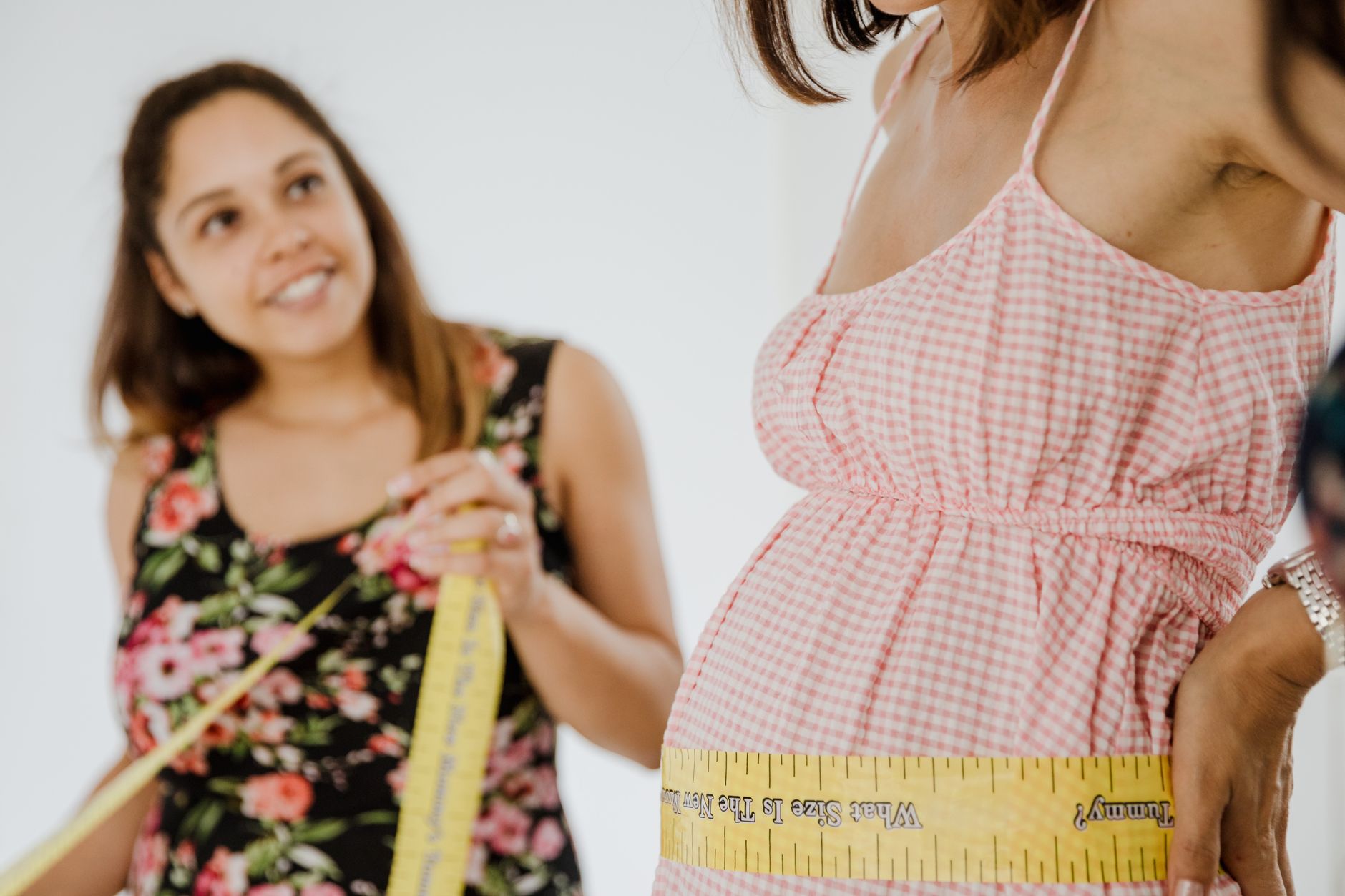
At 18 weeks pregnant, the belly typically measures 12‑14 inches (30‑35 cm) around, resembling a small mango; size varies with baby position and body type. Learn what’s normal.
By Shubhra Mishra — a mom of two who turned her own confusion during pregnancy into BumpBites, a global mission to make food choices clear, safe, and stress-free for every expecting mother. 💛
Check whether any food is safe during pregnancy with the BumpBites Food Safety Checker.
Quick take: At 18 weeks pregnant, most bellies measure between 15‑20 inches (38‑51 cm) around the uterus, with a typical range of about 14‑22 inches. A 20‑inch measurement falls within normal limits for many women, especially if you’ve gained weight or have a larger baby. If you notice sudden, rapid growth, severe pain, or fluid buildup, reach out to your provider right away.
It’s 2 a.m., you’re curled up with a warm mug, and the baby bump in the mirror feels a little bigger than yesterday. You wonder, “Is this normal?” You’re not alone—lots of expectant parents get a surprise when the belly starts to show up more prominently around the second trimester.
In this guide we’ll walk you through what a typical 18‑week belly looks like, how to measure it accurately, why it can vary so much, and when a change might signal something that needs medical attention. We’ll also share practical tips for dressing comfortably and keeping track of growth week by week.
By the end of the article you’ll have a clear picture of the normal range, a step‑by‑step measuring routine, and a checklist of red‑flag signs that tell you it’s time to call your provider.
What is the average belly size at 18 weeks of pregnancy?
When you hear “average belly size,” most clinicians refer to the circumference measured around the uterus (often called uterine fundal height) rather than the outer skin. At 18 weeks, the uterine fundal height measured from the pubic bone to the top of the uterus typically aligns with the length of the baby’s femur—about 16‑18 cm (6‑7 inches). Translating that to skin‑to‑skin circumference, most pregnant people fall in the 15‑20 inch (38‑51 cm) band.
Data from the American College of Obstetricians and Gynecologists (ACOG) and the UK’s National Institute for Health and Care Excellence (NICE) show that 95 % of women have a uterine height within ±2 cm of the gestational age‑specific median. In everyday terms, this means a “normal” belly at 18 weeks can range from roughly 14 inches (35 cm) on the smaller side to 22 inches (56 cm) on the larger side, depending on individual factors.
Average uterine height at 18 weeks
Uterine height is measured with a soft tape from the top of the pubic bone to the top of the uterus. At 18 weeks the median height is about 18 cm (7 inches). The measurement is usually taken while you’re lying on your back, and the tape should be snug but not pulling the skin.
Because the uterus sits beneath the abdominal wall, the external belly circumference will be larger than the fundal height. That extra distance accounts for the thickness of the abdominal muscles, fat stores, and any fluid accumulation.
Measuring your belly at home is simple—just follow the step‑by‑step guide below.
How many inches does a belly grow by 18 weeks?
Growth isn’t a steady line of one inch per week. Most people see a modest increase of about 0.5‑1 inch (1‑2.5 cm) each week during the early second trimester, then a slightly faster expansion as the baby’s head and torso develop.
From week 12 to week 18, the typical total increase is roughly 4‑6 inches (10‑15 cm). This variation reflects the fact that the uterus expands outward in all directions, while the abdominal wall stretches to accommodate the growing fetus, placenta, amniotic fluid, and maternal fat stores.
Typical weekly growth patterns
Weeks 12‑14: The uterus rises just above the pubic bone; belly growth is subtle, often 0.3‑0.5 inch per week.
Weeks 15‑18: The uterus reaches the level of the belly button; growth accelerates to about 0.7‑1 inch per week.
Weeks 19‑22: The uterus moves higher, and the belly may add another 0.8‑1.2 inch per week.
These figures are averages. If you’ve gained more weight than the recommended range (see later), your external measurement may increase faster.
Is a 20‑inch belly normal at 18 weeks?
A 20‑inch (51 cm) belly sits at the upper edge of the typical range but is still considered normal for many people. Several factors can push the measurement upward:
Higher pre‑pregnancy BMI or greater weight gain.
Carrying twins or a larger‑than‑average baby.
Increased amniotic fluid (polyhydramnios) or a larger placenta.
Fluid retention from hormonal changes.
If you’re within your recommended weight‑gain window (about 0.5‑1 lb per week in the second trimester for a normal‑weight pregnancy, per the Institute of Medicine), a 20‑inch measurement is usually nothing to worry about. However, if the growth feels sudden, accompanied by swelling, or you have other concerns, it’s wise to schedule a check‑up.
How does 18‑week belly size compare with baby size?
At 18 weeks the baby is roughly the size of a bell pepper—about 5‑6 inches (12‑15 cm) long and weighing around 7‑8 ounces (200‑230 g). The uterus, however, has already stretched to accommodate the growing amniotic sac and placenta.
The external belly measurement therefore reflects not just the baby but also the supporting structures. Think of the uterus as a balloon: the baby occupies the center, but the balloon’s wall (uterine muscle) plus the surrounding abdominal wall together create the visible bump.
Fetal size vs abdominal measurement
Even if your baby’s crown‑rump length (CRL) is average, a larger placenta or extra fluid can make the belly appear bigger. Conversely, a small baby with minimal fluid can yield a relatively modest bump. Ultrasound imaging helps clinicians differentiate between fetal size and other contributors to abdominal girth.
How to measure belly circumference at 18 weeks (step‑by‑step guide)
Accurate measurement is easy with a flexible tape measure. Follow these steps for a reliable reading:
Gather your tools. Use a non‑stretchable cloth or plastic tape measure and a partner if possible.
Find a comfortable position. Sit or lie on a flat surface with your back relaxed. Breathing normally helps keep the measurement consistent.
Locate the landmarks. Place one end of the tape at the top of the pubic bone (the bony ridge you can feel just above the genital area).
Wrap the tape around the fullest part. Bring the tape up, following the curve of your abdomen, until it meets the start point at the same level as the pubic bone.
Ensure a snug fit. The tape should be snug enough to stay in place but not compress the skin.
Read the number. Take the measurement at the point where the tape meets the zero mark. Record the result in centimeters and inches.
Repeat for consistency. Measure twice; if the numbers differ by more than 0.5 cm (0.2 inch), measure again.
For the most consistent results, measure at the same time of day—preferably in the morning after you’ve emptied your bladder.
Measurement tips and common pitfalls
Don’t pull the tape too tight. Over‑tightening can underestimate the true circumference.
Avoid measuring over clothing. If you’re wearing a thick layer, the reading will be higher.
Stay relaxed. Tensing your abdominal muscles can shrink the measurement.
Mark the spot. Some people use a small piece of tape to note the exact spot for future measurements.
Use a flexible tape measure—avoid stretchable cloth bands that can give inaccurate numbers.
What factors affect belly size at 18 weeks?
Several variables influence how big your belly looks, and most are completely normal.
Maternal weight gain
The Institute of Medicine recommends a total weight gain of 25‑35 lb (11‑16 kg) for a woman with a normal pre‑pregnancy BMI. In the second trimester, a gain of about 0.5‑1 lb (0.2‑0.5 kg) per week is typical. Extra weight adds to the abdominal wall, increasing the external circumference.
Fetal position
If the baby is lying head‑down (cephalic) versus breech (feet‑first), the belly may feel higher or lower. A head‑down baby can push the uterus upward, making the bump appear more pronounced. Conversely, a breech position can give a flatter appearance.
Multiple gestation
Twins or higher-order multiples naturally create a larger belly earlier. Even at 18 weeks, a twin pregnancy can be 2‑3 inches (5‑8 cm) larger than a singleton pregnancy.
Fluid retention and placenta size
Hormonal changes increase blood volume and cause mild edema, especially in the lower legs but also in the abdomen. A larger placenta (often seen in first pregnancies) contributes extra bulk.
Body composition
Women with a higher baseline abdominal fat percentage will have a larger circumference even before the uterus expands. This does not indicate a problem; it simply adds to the measurement.
When should I be concerned about rapid belly growth at 18 weeks?
Sudden or excessive expansion can signal an underlying issue. While many changes are benign, watch for these warning signs:
Rapid increase of more than 2 inches (5 cm) in a single week.
Severe, persistent abdominal pain or cramping.
Sudden swelling of the hands, face, or feet (edema) beyond normal.
Shortness of breath or difficulty breathing.
Bleeding, spotting, or unusual discharge.
Fever, chills, or flu‑like symptoms.
If any of these appear, contact your obstetrician, midwife, or go to the nearest emergency department. Rapid growth can be a sign of polyhydramnios (excess amniotic fluid), placental abruption, or, rarely, gestational trophoblastic disease.
Signs of abnormal growth and red‑flag symptoms
Beyond the list above, pay attention to a “tight‑rope” feeling where the skin feels stretched to the point of discomfort, or a sudden shift in the baby’s movement pattern. These may indicate that the uterus is expanding faster than the abdominal wall can accommodate.
How does belly size differ for first versus subsequent pregnancies at 18 weeks?
First‑time moms often notice a more dramatic bump early on. The uterine muscles have never stretched before, so they may expand more visibly. In later pregnancies, the uterus has “memory,” and the belly can appear slightly less pronounced for the same gestational age.
Research from the Royal College of Obstetricians and Gynaecologists (RCOG) shows that, on average, second‑time mothers have a belly circumference about 0.5‑1 inch (1‑2.5 cm) smaller than first‑time mothers at the same gestational week, assuming similar weight‑gain patterns.
That said, individual variation is wide. If you’re a second‑time mom and feel your belly is “big,” it could simply be due to higher weight gain or a larger baby this time around.
From our medical team: Belly size is a useful visual cue, but it’s not a diagnostic tool on its own. Your provider will combine measurements with ultrasound, fundal height checks, and maternal weight trends to monitor healthy growth. If you’re ever unsure, bring your tape measure and your concerns to the next appointment—no question is too small.
Myth vs. fact
Myth: A belly that reaches 20 inches at 18 weeks always means something is wrong.
Fact: A 20‑inch measurement is within the normal upper range for many pregnancies, especially if weight gain and other factors align.
Myth: You can tell the baby’s weight just by looking at the belly.
Fact: External size reflects many components—uterus, placenta, fluid, and maternal tissue—so ultrasound is needed for accurate fetal weight estimation.
Myth: Measuring once a month is enough to track growth.
Fact: Weekly measurements (or at least every two weeks) give a clearer picture of trends and help spot rapid changes early.
Key takeaways
At 18 weeks, most belly circumferences fall between 15‑20 inches (38‑51 cm); 20 inches is normal for many.
Measure consistently: use a flexible tape, start at the pubic bone, and record at the same time of day.
Weight gain, fetal position, multiple gestation, and fluid retention all influence size.
Rapid growth (>2 inches in a week) or pain, swelling, or bleeding warrants prompt medical attention.
First‑time pregnancies often show a larger bump earlier than subsequent pregnancies.
Comfortable maternity clothing—high‑waist leggings, stretchy tops, and supportive belly bands—can ease the physical changes.
Frequently asked questions
What is the average belly size at 18 weeks pregnant?
The average external circumference is about 15‑20 inches (38‑51 cm), with a typical range of 14‑22 inches.
How many inches does a pregnant belly grow each week?
During weeks 12‑18 the belly usually expands 0.5‑1 inch (1‑2.5 cm) per week, totaling roughly 4‑6 inches (10‑15 cm) by week 18.
Is a 20‑inch belly normal at 18 weeks?
Yes—20 inches sits at the upper end of the normal range and is common for women with higher weight gain, a larger baby, or twins.
How do I measure my belly size during pregnancy?
Wrap a soft tape measure around the fullest part of your abdomen, starting at the pubic bone, keep the tape snug but not tight, and record the measurement in centimeters and inches.
What factors influence belly size in the second trimester?
Maternal weight gain, fetal position, number of fetuses, placenta size, amniotic fluid volume, and personal body composition all play roles.
When should I be concerned about rapid belly growth?
If your belly expands more than 2 inches in a week, or you experience pain, swelling, bleeding, or shortness of breath, contact your provider immediately.
When to call your doctor
If you notice any of the following, reach out without delay: sudden increase of >2 inches in a week, intense or persistent abdominal pain, swelling of hands/feet, bleeding or spotting, fever, shortness of breath, or a feeling that the skin is overly stretched or rupturing.
This article is for informational purposes only and does not replace personalized medical advice. Always discuss your individual situation with your obstetrician, midwife, or another qualified healthcare professional.
References
American College of Obstetricians and Gynecologists (ACOG). “Routine Prenatal Care.” Clinical Guidance, 2023.
National Institute for Health and Care Excellence (NICE). “Antenatal Care for Healthy Women.” Guideline NG192, 2022.
Institute of Medicine (IOM). “Weight Gain During Pregnancy.” Nutrition Guidelines, 2009.
Royal College of Obstetricians and Gynaecologists (RCOG). “Maternal Weight Gain and Fetal Growth.” Clinical Update, 2021.
Centers for Disease Control and Prevention (CDC). “Pregnancy Weight Gain.” Maternal Health Resources, 2022.
Mayo Clinic. “Fundal Height Measurement.” Patient Education, 2023.
World Health Organization (WHO). “Recommendations on Antenatal Care for a Positive Pregnancy Experience.” 2022.
Not sure about the label on 18 Weeks Pregnant Belly Size products?
Snap the ingredients list and SafeFilter checks every ingredient for your stage — only 3 free scans this month, then you're locked until reset. Unlimited from $7/mo or $50/yr.
When Shubhra Mishra was expecting her first child in 2016, she was overwhelmed by conflicting food advice — one site said yes, another said never. By the time her second baby arrived in 2019, she realized millions of mothers face the same confusion.
That sparked a five-year journey through clinical nutrition papers, cultural diets, and expert conversations — all leading to BumpBites: a calm, compassionate space where science meets everyday motherhood.
Her long-term vision is to build a global community ensuring safe, supported, and free deliveriesfor every mother — because no woman should face pregnancy alone or uninformed. 🌿
🌍 Stand with mothers, shape safer guidance
Join a small circle of experts who review BumpBites articles so expecting parents everywhere can decide with confidence.