At 17 weeks pregnant, learn what to expect with your baby's growth, symptoms, and prenatal care, including aches and fetal development
By Shubhra Mishra — a mom of two who turned her own confusion during pregnancy into BumpBites, a global mission to make food choices clear, safe, and stress-free for every expecting mother. 💛
Check whether any food is safe during pregnancy with the BumpBites Food Safety Checker.
Quick take: At 17 weeks pregnant, your baby is growing rapidly, developing fat stores and refining reflexes, while you might be enjoying an energy boost and a visible baby bump. Many common discomforts like round ligament pain are manageable, and this is often a good time to focus on nutrition, gentle exercise, and preparing for your baby's first movements. Always discuss any concerns or symptoms with your healthcare provider.
It’s the middle of your second trimester, and for many expecting parents, 17 weeks pregnant feels like a sweet spot. The intense nausea of the first trimester has likely faded, your energy might be soaring, and you're probably starting to show a noticeable bump. You’re moving past the initial anxieties and settling into the beautiful reality of pregnancy, perhaps even starting to feel those first fluttery movements of your baby!
This week is a time of continued incredible development for your little one, who is busy growing, strengthening bones, and refining their senses. For you, it's a chance to embrace the physical changes, manage any new symptoms, and start thinking more concretely about the months ahead. You might be wondering about everything from your baby's size to what foods are best, or how to handle those new aches and pains.
At BumpBites, we understand you want clear, trustworthy answers. So, let’s explore what’s happening with you and your baby at 17 weeks pregnant, covering everything from fetal development to managing common symptoms and preparing for upcoming milestones.
What Baby Development Milestones Can You Expect at 17 Weeks Pregnant?
At 17 weeks pregnant, your baby is undergoing incredible growth and development, continuing to refine the structures that will support them after birth. Imagine them as roughly the size of a pomegranate or a turnip – typically measuring around 5.1 inches (13 cm) from crown to rump and weighing about 5.9 ounces (170 grams). While they're still small, they're steadily gaining weight and length.
One of the most significant developments this week is the beginning of fat accumulation under their skin. This isn't just for chubby cheeks; this fat, called brown fat, is crucial for regulating their body temperature once they’re born. Without it, newborns would struggle to stay warm. Their skeleton, once mostly cartilage, is continuing to harden into bone, a process known as ossification. This means their tiny bones are getting stronger and more defined.
Your baby's senses are also developing. Their ears are now in their final position, standing out from the head, and they're becoming more sensitive to sounds. While they've been able to hear muffled sounds from inside your body for a while, they might now start reacting to external noises, like your voice or a sudden loud sound. Their eyes, though still fused shut, can detect light, and they're even beginning to make tiny eye movements behind their eyelids. Their taste buds are also forming, and they might even be "tasting" the amniotic fluid around them.
Reflexes are becoming more coordinated too. Your baby can now suck their thumb, swallow, and even grasp. You might see these actions on an ultrasound! Their umbilical cord is also thickening and strengthening, working efficiently to transport nutrients and oxygen from you to your baby.
When Will You Feel Your Baby Move for the First Time at 17 Weeks?
This is often the question every expecting parent eagerly anticipates! The first time you feel your baby move, known as "quickening," is a truly magical milestone. While some people might feel it as early as 16 weeks, it’s most common to start noticing these subtle sensations between 18 and 22 weeks, especially for first-time pregnancies. However, if you've been pregnant before, you might recognize these flutters earlier, sometimes even around 17 weeks.
What does it feel like? Many describe it as a gentle fluttering, like butterflies in your stomach, or a sensation similar to gas bubbles. It's often so subtle that you might mistake it for something else at first. As your baby grows and gets stronger, these movements will become more distinct, evolving into definite kicks, punches, and rolls.
Don't worry if you haven't felt anything yet at 17 weeks. Every pregnancy is unique, and factors like the position of your placenta (if it's anterior, meaning at the front of your uterus, it can cushion movements) or your body type can influence when you first feel your baby. If you have any concerns, always mention them to your healthcare provider at your next appointment.
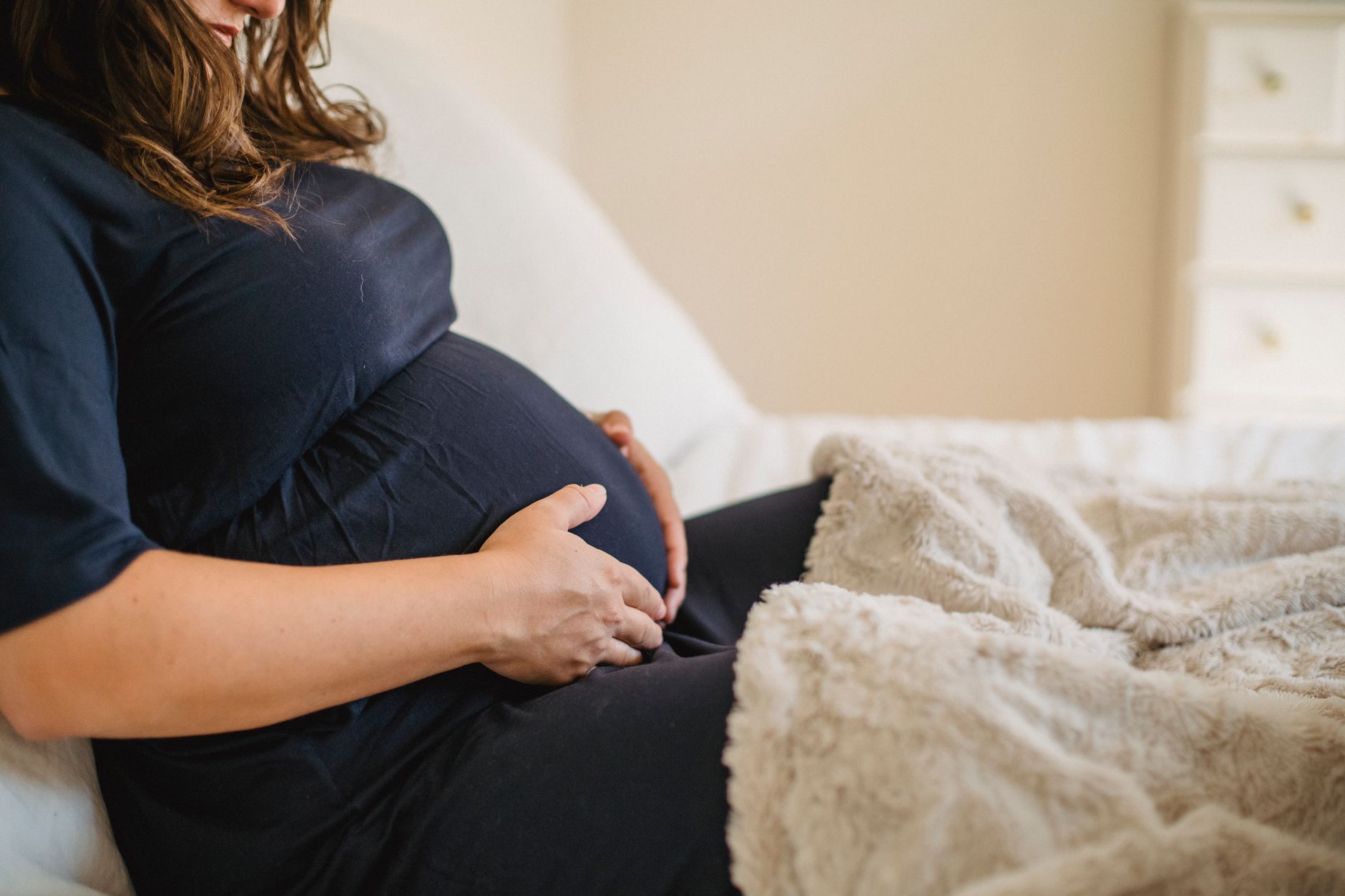
Around 17 weeks, your bump is becoming more noticeable, and you might soon feel those first fluttery movements.
What Common Symptoms Should You Expect at 17 Weeks Pregnant?
As you settle into your second trimester, many of the early pregnancy symptoms like morning sickness might be fading, often replaced by a new set of experiences. This period is frequently called the "golden trimester" because many people report feeling more energetic and comfortable than in the first or third trimesters.
One common symptom is an increase in energy. With nausea subsiding, you might find yourself feeling more like your old self, or even better! This renewed vigor is a great opportunity to enjoy gentle exercise, prepare for your baby's arrival, or simply catch up on sleep. Your appetite might also increase, as your body is working hard to support your growing baby. Listening to your body's hunger cues and focusing on nutrient-dense foods is key.
You might also notice changes in your skin, such as a "pregnancy glow" due to increased blood flow, or conversely, some skin darkening in certain areas. The linea nigra, a dark line running down your abdomen, might become more prominent, and some people develop melasma (dark patches on the face). These changes are usually harmless and often fade after birth.
Nasal congestion or even nosebleeds can be surprising symptoms. This is due to increased blood volume and hormone-induced swelling of the mucous membranes in your nose. Keeping hydrated and using a humidifier can offer some relief. You might also experience increased vaginal discharge, which is typically clear or milky white and odorless; this is normal and helps protect against infection. However, if it changes in color, odor, or causes itching, contact your provider.
Is it Normal to Have Headaches at 17 Weeks Pregnant?
Yes, it's quite common to experience headaches during pregnancy, including at 17 weeks. These can be triggered by a variety of factors, such as hormonal changes, increased blood volume, fatigue, stress, dehydration, or even low blood sugar. Tension headaches are particularly common.
To manage headaches, try resting in a quiet, dark room, applying a cool compress to your forehead, or drinking plenty of water. It's generally safe to take acetaminophen (paracetamol) for pain relief during pregnancy, but always check with your doctor or midwife before taking any medication, even over-the-counter options. Avoid ibuprofen and naproxen unless specifically advised by your doctor. If your headaches are severe, persistent, accompanied by vision changes, or feel different from your usual headaches, contact your healthcare provider immediately, as they could sometimes be a sign of a more serious condition like pre-eclampsia, especially later in pregnancy.
Is it Normal to Experience Leg Cramps at 17 Weeks?
Leg cramps, particularly in the calves and often at night, are a frequent complaint during the second and third trimesters. While the exact cause isn't fully understood, they're thought to be related to changes in blood circulation, pressure from the growing uterus on nerves, dehydration, or even mineral imbalances like calcium or magnesium. Many moms tell us the same thing: you'll be fast asleep and suddenly wake up with a jolt from a tightening calf muscle!
To help prevent and relieve leg cramps, try these strategies:
Stay hydrated: Drink plenty of water throughout the day.
Stretch regularly: Gently stretch your calf muscles before bed and during the day.
Increase magnesium: Discuss with your doctor if magnesium supplements are right for you, or focus on magnesium-rich foods like leafy greens, nuts, seeds, and whole grains.
Stay active: Regular, gentle exercise like walking can improve circulation.
Massage: Gently massage the affected muscle.
Warm bath: A warm bath before bed can relax muscles.
If cramps are severe, persistent, or accompanied by swelling or redness, contact your doctor, as they could occasionally indicate a blood clot.
How to Manage Constipation in the 17th Week of Pregnancy
Constipation is another very common pregnancy symptom, often starting early and continuing through the second trimester. It's mainly due to increased progesterone, which relaxes smooth muscles throughout your body, including those in your digestive tract, slowing things down. Your growing uterus also puts pressure on your bowel.
Here’s how to find relief:
Increase fiber intake: Aim for 25-30 grams of fiber daily from fruits, vegetables, whole grains, and legumes.
Drink plenty of fluids: Water helps soften stools.
Don't delay: Go to the bathroom as soon as you feel the urge.
Consider prune juice: A natural mild laxative.
Talk to your doctor: If these measures aren't enough, your provider might recommend a safe stool softener or fiber supplement.
How Much Weight Should You Have Gained by 17 Weeks Pregnant?
Weight gain is a natural and healthy part of pregnancy, providing essential nutrients and support for your growing baby. At 17 weeks, you might have gained a noticeable amount, but the "normal" range varies significantly based on your pre-pregnancy Body Mass Index (BMI). The general guideline is for steady, gradual weight gain throughout your second trimester.
The American College of Obstetricians and Gynecologists (ACOG) and other health bodies provide specific recommendations. For the second and third trimesters, the general guideline is to gain about 1 pound (0.45 kg) per week, though this can vary. By 17 weeks, you’ve completed roughly one-third of your pregnancy, and your total weight gain will depend on your starting weight.
Here’s a general guide for total weight gain by 17 weeks, based on pre-pregnancy BMI:
Pre-Pregnancy BMI Category
Recommended Total Weight Gain (Full Pregnancy)
Typical Weight Gain by 17 Weeks (Approximate)
Underweight (BMI < 18.5)
28–40 lbs (12.5–18 kg)
8–15 lbs (3.6–6.8 kg)
Normal Weight (BMI 18.5–24.9)
25–35 lbs (11.5–16 kg)
5–10 lbs (2.3–4.5 kg)
Overweight (BMI 25.0–29.9)
15–25 lbs (7–11.5 kg)
3–8 lbs (1.4–3.6 kg)
Obese (BMI > 30.0)
11–20 lbs (5–9 kg)
2–6 lbs (0.9–2.7 kg)
These are general guidelines. Individual weight gain can vary, and your healthcare provider will monitor your progress.
Remember, these are averages. Some weeks you might gain more, some less. The most important thing is to gain weight steadily and healthily, focusing on nutrient-rich foods rather than "eating for two." Your doctor or midwife will track your weight gain at each prenatal appointment and can offer personalized advice. Don't compare your weight gain to others; every body and every pregnancy is different.
What Foods Should You Avoid and What Should You Eat at 17 Weeks Pregnant?
Good nutrition remains paramount at 17 weeks pregnant, supporting your baby's rapid development and your own health. While you might be enjoying an increased appetite, it's still about quality over quantity. Aim for a balanced diet rich in whole foods, and continue to be mindful of foods to avoid to prevent potential harm.
Focus on these nutrient-rich foods:
Lean Protein: Essential for your baby's growth and your own tissue repair. Include sources like lean meats, poultry, fish (low-mercury options), eggs, beans, lentils, and tofu.
Folic Acid/Folate: Crucial for neural tube development. Continue taking your prenatal vitamin with folic acid, and eat leafy green vegetables, citrus fruits, and fortified cereals.
Calcium: For strong bones and teeth for both you and your baby. Dairy products (milk, yogurt, cheese), fortified plant milks, and leafy greens are excellent sources.
Iron: Your blood volume increases significantly during pregnancy, requiring more iron to prevent anemia. Choose lean red meat, poultry, fish, fortified cereals, spinach, and beans. Pair iron-rich foods with vitamin C (like oranges or bell peppers) to enhance absorption.
Omega-3 Fatty Acids: Important for your baby's brain and eye development. Fatty fish like salmon, sardines, and fortified eggs are good sources. Check with your doctor about fish oil supplements.
Fiber: To combat common pregnancy constipation, ensure adequate fiber from whole grains, fruits, and vegetables.
Hydration: Drink plenty of water throughout the day – at least 8-10 glasses – to support increased blood volume, amniotic fluid, and prevent common pregnancy discomforts like headaches and constipation.
Continue to avoid these foods:
High-Mercury Fish: Limit or avoid fish like shark, swordfish, king mackerel, and tilefish. Opt for low-mercury choices like salmon, canned light tuna (limit to 6 ounces/week), cod, and shrimp.
Raw or Undercooked Meats, Poultry, and Eggs: These can carry bacteria like Listeria, Salmonella, or Toxoplasma, which are dangerous during pregnancy. Ensure all meats are cooked thoroughly, and avoid raw eggs (found in some homemade mayonnaise, cookie dough, or Caesar dressings).
Unpasteurized Dairy Products and Juices: Unpasteurized products can harbor Listeria. Stick to pasteurized milk, cheeses, and juices. Avoid soft cheeses like Brie, Camembert, feta, and blue cheese unless they are clearly labeled as made with pasteurized milk.
Deli Meats and Hot Dogs: These can also carry Listeria. If you eat them, heat them until they are steaming hot.
Raw Sprouts: Alfalfa, clover, radish, and mung bean sprouts can harbor bacteria.
Excessive Caffeine: Most guidelines suggest limiting caffeine intake to no more than 200 mg per day, which is roughly one 12-ounce cup of coffee.
Alcohol: There is no known safe amount of alcohol during pregnancy, so it's best to avoid it entirely.
Always wash fruits and vegetables thoroughly, and practice good food hygiene to minimize risks. If you have any dietary restrictions or concerns, consult your healthcare provider or a registered dietitian.
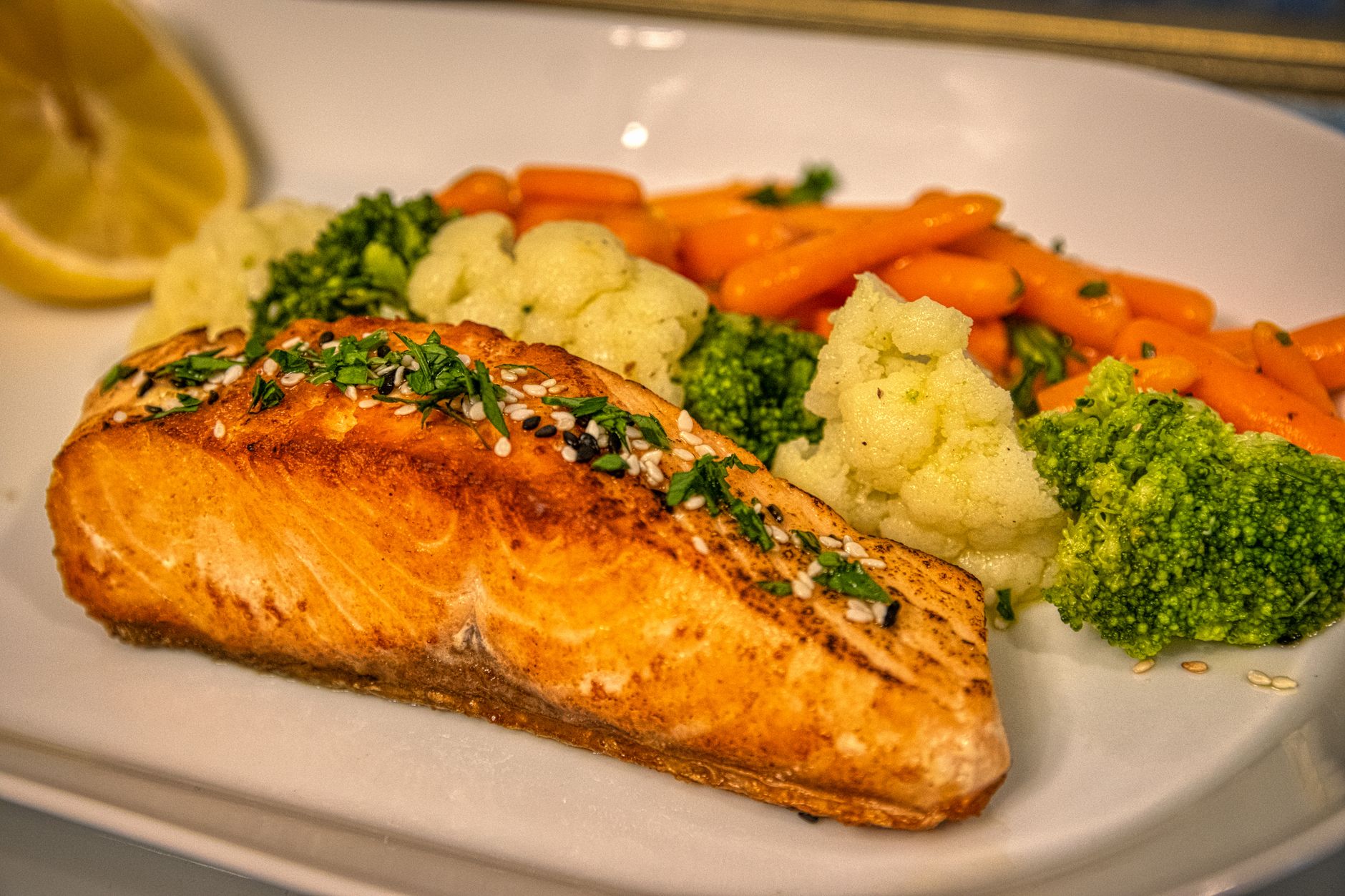
Focus on nutrient-dense foods like lean protein, whole grains, and plenty of fruits and vegetables to support your growing baby.
What Prenatal Tests and Screenings Are Scheduled Around 17 Weeks?
Around 17 weeks pregnant, your prenatal care continues with regular check-ups and potentially some important screening tests, depending on your individual health history and earlier test results. Your healthcare provider will guide you through what's recommended for you.
Routine Prenatal Appointments:
You'll typically have monthly appointments during the second trimester. At these visits, your provider will likely:
Check your blood pressure and weight.
Measure your fundal height (the distance from your pubic bone to the top of your uterus) to assess your baby's growth.
Listen to your baby's heartbeat using a Doppler.
Check your urine for protein and sugar.
Discuss any symptoms or concerns you have.
Second Trimester Screening Tests:
If you opted for them, or if your provider recommends them based on your risk factors, you might undergo certain screening tests around this time:
Quad Screen (or Quad Marker Screen): This blood test is typically performed between 15 and 22 weeks of pregnancy (often around 16-18 weeks). It measures levels of four specific substances in your blood: alpha-fetoprotein (AFP), human chorionic gonadotropin (hCG), unconjugated estriol, and inhibin A. The results, combined with your age and other factors, help assess your baby's risk of certain chromosomal abnormalities, such as Down syndrome (Trisomy 21) and Trisomy 18, as well as neural tube defects like spina bifida.
AFP Blood Test (Maternal Serum Alpha-Fetoprotein): Sometimes performed as a standalone test, this measures only AFP levels and is primarily used to screen for neural tube defects.
It's important to remember that these are screening tests, not diagnostic tests. They indicate a higher or lower risk, but they don't confirm a diagnosis. If a screening test comes back with a "positive" or "abnormal" result, it usually means there's an increased risk, and your provider will likely recommend further diagnostic testing, such as amniocentesis or a detailed ultrasound, to get more definitive answers.
Amniocentesis:
If you have a higher risk based on screening tests, or if you are over 35, or have a family history of genetic conditions, your doctor might offer amniocentesis. This diagnostic procedure is usually performed between 15 and 20 weeks. A small amount of amniotic fluid, which contains fetal cells, is collected from around the baby and analyzed for chromosomal abnormalities and genetic conditions. This test carries a small risk of complications, so it's a decision to discuss carefully with your healthcare team.
Anatomy Scan (Level II Ultrasound):
While not typically done *at* 17 weeks, your detailed anatomy scan (also known as the mid-pregnancy ultrasound or level II ultrasound) is usually scheduled between 18 and 22 weeks. This comprehensive ultrasound examines your baby's organs, growth, and overall development in detail, checking for any structural abnormalities. It's also often when you can confirm your baby's sex, if you wish to know! Your provider might mention this upcoming scan during your 17-week appointment.
How to Relieve Round Ligament Pain and Other Aches at 17 Weeks Pregnant?
Around 17 weeks, as your uterus continues its impressive growth spurt, you might start to experience a common pregnancy discomfort known as round ligament pain (RLP). This sharp, shooting pain or dull ache is typically felt in your lower abdomen or groin area, often on one side, but sometimes on both. It can be triggered by sudden movements like coughing, sneezing, laughing, rolling over in bed, or standing up too quickly. It's a completely normal (though often startling) part of pregnancy.
The round ligaments are two cord-like structures that support your uterus, connecting it to your groin. As your uterus expands, these ligaments stretch and sometimes spasm, causing the pain. While it can be uncomfortable, RLP is generally harmless and a sign that your body is making room for your growing baby.
Tips for managing Round Ligament Pain:
Slow down movements: Try to move slowly when changing positions, sitting up, or getting out of bed.
Bend and flex: If you feel a cough or sneeze coming on, try to bend and flex your hips to reduce the strain on your ligaments.
Heat therapy: A warm (not hot) bath or a warm compress on the affected area can help relax the muscles.
Support garments: A maternity support belt or belly band can provide gentle compression and support to your abdomen, taking some pressure off the ligaments.
Rest: Lie down on your side with a pillow between your knees to alleviate pressure.
Gentle stretching: Light, pregnancy-safe stretches or prenatal yoga can help improve flexibility and reduce discomfort.
Pain relief: Acetaminophen (paracetamol) is generally considered safe for occasional use, but always consult your doctor before taking any medication.
Other Common Aches and Pains and How to Manage Them
Besides RLP, you might experience other aches and pains as your body adapts to pregnancy:
Back Pain: As your belly grows, your center of gravity shifts, and your posture changes, leading to increased strain on your back muscles.
Good posture: Be mindful of how you stand and sit.
Supportive shoes: Opt for low-heeled, comfortable shoes.
Maternity support belt: Can also help with back pain.
Prenatal massage: A massage from a therapist specializing in prenatal care can be very soothing.
Sleep support: Use pregnancy pillows to support your back and belly while sleeping.
Pelvic Pain: Hormones like relaxin loosen ligaments in your pelvis to prepare for birth, which can sometimes lead to pelvic pain or discomfort, often called Pelvic Girdle Pain (PGP) or Symphysis Pubis Dysfunction (SPD).
Keep knees together: When getting in and out of a car or turning in bed.
Avoid heavy lifting: And strenuous activities that aggravate the pain.
Pelvic floor exercises: Can help strengthen supporting muscles.
Physiotherapy: A physiotherapist specializing in women's health can provide tailored exercises and advice.
What Clothing Should I Wear for Comfort at 17 Weeks Pregnant?
With your bump becoming more noticeable and your body undergoing changes, comfort is key! Investing in a few maternity essentials can make a huge difference in how you feel.
Stretchy bottoms: Maternity leggings, jeans with an over-the-belly panel, or yoga pants.
Loose-fitting tops: Empire-waist dresses, tunics, or flowy tops that accommodate your growing belly.
Supportive bras: Your breasts might be growing, so a comfortable, non-underwire bra that offers good support is essential. Many choose to start wearing nursing bras for comfort now.
Comfortable shoes: Ditch high heels for supportive flats or sneakers, especially if you experience back pain or swelling.
Layering: Pregnancy can bring fluctuating body temperatures, so layers help you adapt.
One reader shared, "Around 17 weeks, I finally gave in and bought my first pair of maternity jeans. It felt like a luxury, but honestly, it was the best decision! No more unbuttoning my regular jeans when I sat down. The relief was immediate." Listen to your body and prioritize comfort.
What is a Normal Fetal Heartbeat Rate at 17 Weeks Pregnant?
Hearing your baby's heartbeat for the first time is often an emotional moment at your prenatal appointments. At 17 weeks pregnant, your baby's heart is beating strong and steadily. A normal fetal heart rate at this stage typically ranges between 120 to 160 beats per minute (bpm). This rate is usually much faster than an adult's resting heart rate, which is around 60-100 bpm.
Your healthcare provider will use a handheld Doppler device during your routine prenatal visits to listen to and confirm your baby's heartbeat. This quick check provides reassurance about your baby's well-being. The sound might be fast and rhythmic, like a galloping horse, which is perfectly normal.
While the range of 120-160 bpm is a general guideline, slight variations can occur. Your doctor or midwife is trained to interpret these readings in the context of your overall pregnancy health. If they have any concerns about the heart rate, they will discuss it with you and recommend further investigation if necessary. However, for most pregnancies at 17 weeks, a strong, consistent heartbeat within this range is a positive sign of healthy development.
What Safe Exercises Can You Do During Your 17th Week of Pregnancy?
Staying active during pregnancy offers numerous benefits, from boosting your mood and energy levels to improving sleep, reducing back pain, and preparing your body for labor and delivery. At 17 weeks, with your energy likely up and morning sickness fading, it's an excellent time to establish or maintain a regular, safe exercise routine. Always remember to listen to your body and consult your healthcare provider before starting any new exercise program.
General Guidelines for Safe Pregnancy Exercise:
Listen to your body: Don't push yourself to exhaustion. You should be able to hold a conversation while exercising.
Stay hydrated: Drink plenty of water before, during, and after your workout.
Avoid overheating: Dress in layers, exercise in cool environments, and avoid hot tubs or saunas.
Avoid lying flat on your back: After the first trimester, lying on your back for prolonged periods can compress a major blood vessel (vena cava), reducing blood flow to your baby. Modify exercises to an incline or side-lying position.
Avoid high-impact or risky activities: Steer clear of contact sports, activities with a high risk of falling (like horseback riding or downhill skiing), and exercises that involve sudden changes in direction or jarring movements.
Warm-up and cool-down: Always start with 5-10 minutes of light warm-up and finish with 5-10 minutes of gentle stretching.
Recommended Safe Exercises at 17 Weeks:
Walking: A fantastic, low-impact exercise that you can do almost anywhere. Aim for at least 30 minutes on most days of the week.
Swimming and Water Aerobics: Water provides buoyancy, making you feel lighter and reducing strain on your joints. It's excellent for cardiovascular health and can relieve swelling.
Prenatal Yoga or Pilates: These practices focus on flexibility, strength, balance, and breathing techniques, which can be very beneficial for labor. Look for certified prenatal instructors who can offer modifications.
Cycling (Stationary Bike): A stationary bike is a safe option as it eliminates the risk of falling.
Strength Training: Using light weights, resistance bands, or your own body weight can help maintain muscle tone. Focus on proper form and avoid heavy lifting or exercises that strain your core excessively.
Dancing: If you enjoy it, gentle dancing to your favorite music can be a fun way to stay active.
Can I Travel by Plane During Week 17 of Pregnancy?
For most women with an uncomplicated pregnancy, air travel is generally considered safe during the second trimester (typically between weeks 14 and 27 or 28). At 17 weeks, you are in this optimal window. Many airlines have restrictions on air travel in the third trimester, but usually not this early.
However, it's always best to discuss your travel plans with your healthcare provider before booking, especially if you have any pre-existing conditions or pregnancy complications. They can advise you based on your individual health.
If you do fly:
Stay hydrated: Drink plenty of water.
Move around: Get up and walk every hour or so to prevent blood clots. Do calf stretches in your seat.
Wear compression stockings: These can help prevent swelling and reduce the risk of deep vein thrombosis (DVT).
Choose an aisle seat: For easier access to the restroom and freedom to stretch.
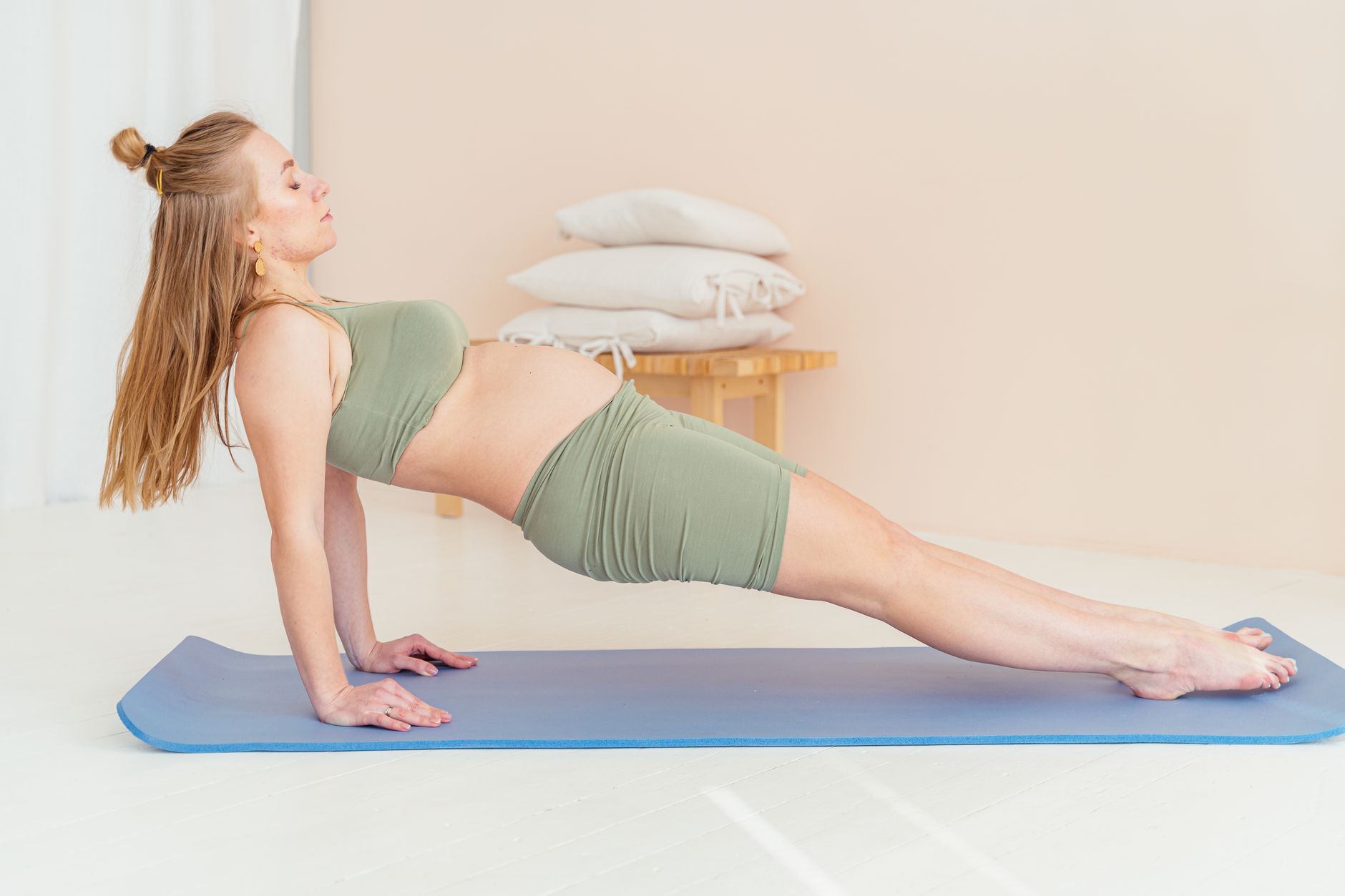
Gentle exercises like prenatal yoga can help you stay strong and flexible, and manage common aches and pains.
From our medical team: "The second trimester, especially around 17 weeks, is often a time of increased comfort and energy for many pregnant individuals. It's a fantastic opportunity to really connect with your pregnancy, whether it's through feeling those first flutters or planning for your baby's arrival. While many symptoms are normal, it's crucial to always communicate any concerns or unusual symptoms with your doctor or midwife. We're here to support you through every stage."
Myth vs. Fact
Pregnancy is full of old wives' tales and well-meaning advice. Let's clear up a few common misconceptions around 17 weeks:
Myth: If you're not showing a big bump at 17 weeks, something is wrong with your baby's growth.
Fact: The size of your baby bump varies greatly among individuals, even at 17 weeks. Factors like your body shape, muscle tone, whether it's your first pregnancy, and even the position of your uterus can influence how prominent your bump is. As long as your healthcare provider confirms your baby is growing well at your appointments, there's no need to worry about the size of your bump.
Myth: You should avoid all exercise during pregnancy to keep your baby safe.
Fact: Regular, moderate exercise is not only safe but highly recommended for most pregnant individuals with uncomplicated pregnancies. It helps manage weight gain, reduces discomforts like back pain and constipation, improves sleep, and can even prepare your body for labor. The key is to choose safe activities and listen to your body, avoiding anything high-impact or risky. Always consult your doctor before starting or continuing an exercise routine.
Myth: You need to "eat for two" at 17 weeks to ensure your baby gets enough nutrients.
Fact: While your nutritional needs do increase during pregnancy, it's not about doubling your portions. In the second trimester, you generally need only an additional 300-350 extra calories per day, which is equivalent to a healthy snack like a yogurt and a piece of fruit. The focus should be on nutrient-dense foods, not just more food, to support your baby's growth and your own health.
Key Takeaways
Your baby is roughly the size of a pomegranate, developing fat stores and refining senses like hearing and taste.
You might start feeling your baby's first movements (quickening) as subtle flutters around this time, though it varies.
Enjoy increased energy and appetite, but manage common symptoms like headaches, leg cramps, and constipation with hydration, gentle movement, and dietary adjustments.
Weight gain guidelines vary by pre-pregnancy BMI; aim for steady, healthy gain, focusing on nutrient-rich foods.
Continue to avoid high-mercury fish, raw/undercooked meats, unpasteurized products, and alcohol.
Discuss any scheduled prenatal tests like the Quad Screen with your provider; these are screenings, not diagnoses.
Manage round ligament pain and other aches with slow movements, heat, support belts, and gentle stretching.
Maintain a safe exercise routine like walking, swimming, or prenatal yoga, always listening to your body.
Air travel is generally safe in the second trimester, but always check with your doctor first.
Frequently Asked Questions
Can I have sex at 17 weeks pregnant?
Yes, for most pregnancies without complications, sex is generally considered safe throughout all trimesters, including at 17 weeks. Your baby is well-protected by the amniotic sac and strong uterine muscles. However, if you have any concerns, experience pain, bleeding, or have certain complications like placenta previa or a history of preterm labor, always check with your healthcare provider for personalized advice.
When will I start feeling my baby move at 17 weeks?
While some people, especially those who have been pregnant before, might feel subtle flutters (quickening) as early as 17 weeks, it's more common to notice these first movements between 18 and 22 weeks for first-time pregnancies. Don't worry if you haven't felt anything yet; every pregnancy is different, and the timing can vary.
What prenatal appointments should I expect around week 17?
Around 17 weeks, you'll typically have a routine monthly prenatal check-up. This appointment will include monitoring your blood pressure and weight, checking your baby's heartbeat with a Doppler, and measuring your fundal height. Your provider may also discuss any optional second-trimester screening tests, like the Quad Screen, if they haven't been done already.
Are there any foods I should avoid during the 17th week of pregnancy?
Yes, the same food safety rules apply at 17 weeks. Continue to avoid high-mercury fish, raw or undercooked meats, poultry, and eggs, unpasteurized dairy products and juices, deli meats (unless steaming hot), raw sprouts, excessive caffeine (limit to 200mg/day), and alcohol. Focus on thoroughly cooked, fresh, and pasteurized options to minimize the risk of foodborne illnesses.
How much weight gain is typical by the 17th week?
Typical weight gain by 17 weeks varies based on your pre-pregnancy BMI. For someone with a normal pre-pregnancy BMI, a gain of approximately 5-10 pounds (2.3-4.5 kg) is common. The focus should be on steady, healthy weight gain, typically about 1 pound per week in the second trimester, rather than a specific number at 17 weeks. Your healthcare provider will monitor your progress.
Is it normal to have headaches at 17 weeks pregnant?
Yes, headaches are common during pregnancy, including at 17 weeks, often due to hormonal shifts, increased blood volume, or dehydration. Rest, hydration, and a cool compress can help. Acetaminophen (paracetamol) is generally safe, but always consult your doctor before taking any medication. Seek immediate medical advice if headaches are severe, persistent, or accompanied by other concerning symptoms.
When to Call Your Doctor
While many symptoms at 17 weeks pregnant are normal, it's important to know when to seek medical advice. Trust your instincts, and don't hesitate to call your doctor or midwife if you experience any of the following:
Severe abdominal pain or cramping, especially if accompanied by bleeding.
Vaginal bleeding or spotting.
Sudden gush of fluid from your vagina.
Fever (over 100.4°F or 38°C) or chills.
Severe, persistent headaches, especially if accompanied by vision changes or swelling in your face or hands.
Sudden or severe swelling in your hands, face, or ankles.
Pain or burning during urination, or strong-smelling urine, which could indicate a urinary tract infection.
Persistent nausea and vomiting, leading to an inability to keep food or fluids down.
Any signs of preterm labor, such as regular contractions, constant low backache, or pelvic pressure.
Decreased fetal movement (though it's still early for consistent movements, any concerning changes should be reported).
Any other symptoms that worry you or feel "not right."
This article is for informational purposes only and is not a substitute for professional medical advice, diagnosis, or treatment. Always seek the advice of your physician or other qualified health provider with any questions you may have regarding a medical condition.
Not sure about the label on 17 Weeks Pregnant What To Expect products?
Snap the ingredients list and SafeFilter checks every ingredient for your stage — only 3 free scans this month, then you're locked until reset. Unlimited from $7/mo or $50/yr.
When Shubhra Mishra was expecting her first child in 2016, she was overwhelmed by conflicting food advice — one site said yes, another said never. By the time her second baby arrived in 2019, she realized millions of mothers face the same confusion.
That sparked a five-year journey through clinical nutrition papers, cultural diets, and expert conversations — all leading to BumpBites: a calm, compassionate space where science meets everyday motherhood.
Her long-term vision is to build a global community ensuring safe, supported, and free deliveriesfor every mother — because no woman should face pregnancy alone or uninformed. 🌿
🌍 Stand with mothers, shape safer guidance
Join a small circle of experts who review BumpBites articles so expecting parents everywhere can decide with confidence.