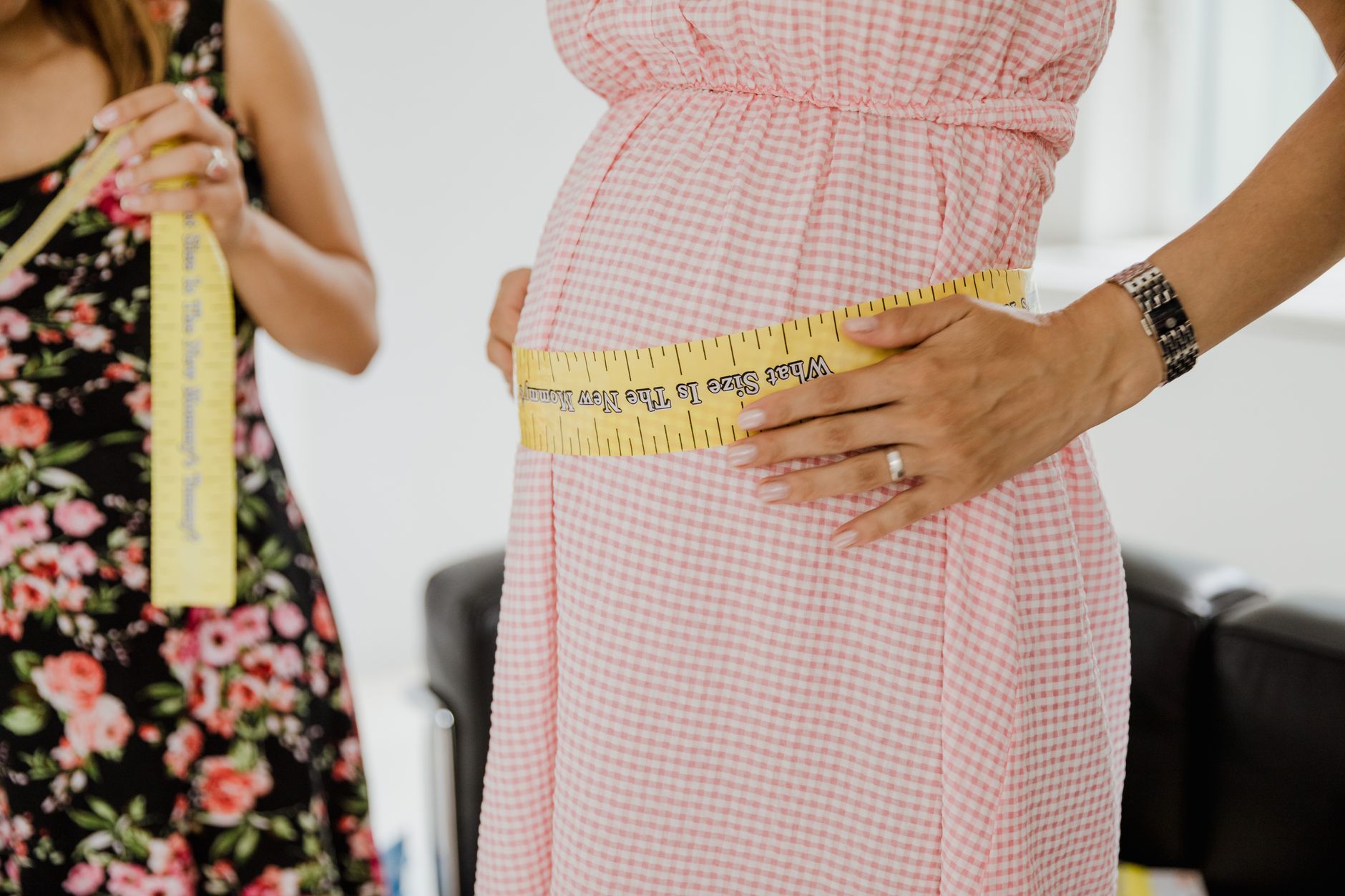
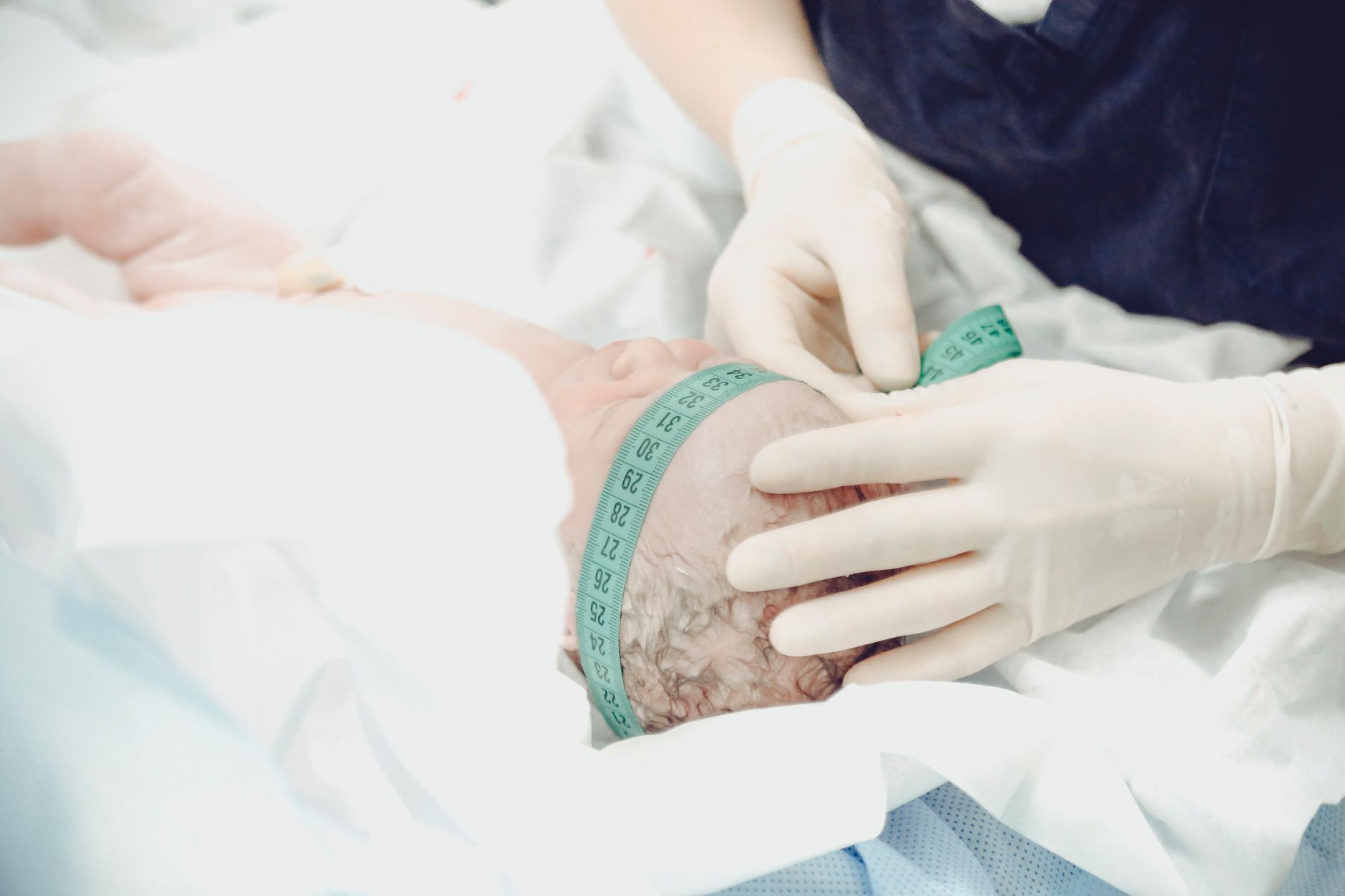
At 16 weeks, the pregnant belly measures about 12‑14 inches (30‑35 cm) around the fundus, resembling a mango; size varies with baby growth and body type.
By Shubhra Mishra — a mom of two who turned her own confusion during pregnancy into BumpBites, a global mission to make food choices clear, safe, and stress-free for every expecting mother. 💛
Check whether any food is safe during pregnancy with the BumpBites Food Safety Checker.
Quick take: At 16 weeks pregnant, your belly size can vary widely—most first-time moms measure around 16–20 cm (6.3–7.9 inches) from pubic bone to the top of the uterus, while those with previous pregnancies may show a bit more. But there’s no “right” size—your body, baby’s position, and even how you measure all play a role. If you’re worried, your provider will track growth at each visit, not just by belly size.
You’re 16 weeks pregnant, standing sideways in front of the mirror, hands resting on the curve that’s finally starting to look like a baby bump—not just bloating. Maybe you’ve noticed the way your favorite jeans fit differently, or how your partner gently touches your belly like it’s suddenly more real. Or maybe you’re Googling at 2 a.m. because your bump still looks small, and you’re wondering if that’s okay.
Here’s the truth: at 16 weeks, belly size isn’t one-size-fits-all. Some women look like they’ve swallowed a cantaloupe, while others still look like they’ve just had a big lunch. Both can be completely normal. What matters isn’t the number on the tape measure—it’s whether your baby is growing steadily, and whether you’re feeling supported (and not stressed) along the way.
In this guide, we’ll walk you through everything you need to know about 16-week belly size: how to measure it, what’s typical, what affects it, and when to check in with your provider. No comparisons, no judgments—just the facts, plus a little reassurance.
At 16 weeks, your bump may finally look like a baby bump—not just bloating.
What Is the Average Belly Size at 16 Weeks Pregnant?
At 16 weeks, your uterus is about the size of a small melon, and it’s finally rising above your pubic bone—meaning your belly is starting to show. For most women, the average measurement from the top of the pubic bone to the top of the uterus (called the fundal height) is around 16–20 centimeters (6.3–7.9 inches). But here’s the thing: “average” is a wide range, and your belly might not match it—and that’s okay.
One mom, Sarah, told us she measured 18 cm at 16 weeks and felt like her bump was “finally real.” Another, Priya, measured 14 cm and worried something was wrong—until her provider reassured her that her baby was growing perfectly on track. The truth? Belly size at this stage is less about the number and more about the trend. Your provider will track how your belly grows over time, not just at one appointment.
Here’s a quick reference for what’s typical:
Measurement
First Pregnancy
Subsequent Pregnancies
Fundal height (pubic bone to top of uterus)
16–20 cm (6.3–7.9 in)
18–22 cm (7.1–8.7 in)
Waist circumference (around the belly button)
32–36 inches (81–91 cm)
34–38 inches (86–97 cm)
Remember, these numbers are just guidelines. Your belly might measure smaller or larger, and that doesn’t necessarily mean anything’s wrong. What matters is whether your baby is growing steadily, which your provider will check with ultrasounds and fundal height measurements at each visit.
How Many Inches (or Centimeters) Is a 16-Week Pregnant Belly?
If you’ve ever tried to measure your belly at home, you’ve probably wondered: How many inches should it be at 16 weeks? The answer depends on how you measure it—and what you’re measuring.
The most common way providers track belly size is by measuring fundal height, which is the distance from your pubic bone to the top of your uterus. At 16 weeks, the average fundal height is about 16–20 centimeters (6.3–7.9 inches). But if you’re measuring your waist circumference (around the belly button), you might see numbers closer to 32–36 inches (81–91 cm) for first-time moms, or 34–38 inches (86–97 cm) if you’ve been pregnant before.
Here’s a quick breakdown of what these measurements mean:
Fundal height (pubic bone to top of uterus): 16–20 cm (6.3–7.9 in) for first pregnancies; 18–22 cm (7.1–8.7 in) for subsequent pregnancies.
Waist circumference (around the belly button): 32–36 inches (81–91 cm) for first pregnancies; 34–38 inches (86–97 cm) for subsequent pregnancies.
But here’s the catch: these numbers are just averages. Your belly might measure smaller or larger, and that doesn’t automatically mean something’s wrong. For example, if you’re petite or have a smaller frame, your belly might not “pop” as much at 16 weeks. On the other hand, if you’re carrying multiples or have a higher BMI, your belly might look larger than average. The key is whether your baby is growing steadily, which your provider will track over time.
One mom, Maria, shared that her belly measured 12 inches (30 cm) around at 16 weeks, and she panicked—until her provider explained that her baby was just positioned a little differently. Another mom, Aisha, measured 38 inches (97 cm) and thought she might be having twins, but it turned out she just had a lot of amniotic fluid. The point? Numbers are just one piece of the puzzle.
Fundal height is measured from your pubic bone to the top of your uterus, not around your waist.
How to Measure Belly Size at 16 Weeks (and What’s Normal)
Measuring your belly at home can be a fun way to track your pregnancy, but it’s important to do it correctly—and to remember that there’s no “right” size. Here’s a step-by-step guide to measuring your belly accurately, plus what to expect at 16 weeks.
How to Measure Fundal Height
Fundal height is the distance from your pubic bone to the top of your uterus. Your provider will measure this at each visit, but you can also do it at home with a soft tape measure. Here’s how:
Empty your bladder. A full bladder can push your uterus up and give you a false measurement.
Lie down on your back. Use a pillow under your head for comfort, but keep your legs straight (don’t bend your knees).
Find your pubic bone. It’s the hard bone at the front of your pelvis, just above your pubic hair.
Locate the top of your uterus. Gently press your fingers into your belly just above your pubic bone. Move upward until you feel the top of your uterus (it’ll feel firm, like a small melon).
Measure from pubic bone to the top of the uterus. Place the start of the tape measure on your pubic bone and stretch it to the top of your uterus. The number where the tape meets the top is your fundal height.
At 16 weeks, your fundal height should be around 16–20 cm (6.3–7.9 inches). But remember, this is just an average—your measurement might be a little smaller or larger, and that’s usually fine.
How to Measure Waist Circumference
If you want to track how your belly is growing around your waist, you can measure your waist circumference. Here’s how:
Stand up straight. Don’t suck in your belly—stand naturally.
Find your belly button. Wrap the tape measure around your waist at the level of your belly button.
Measure snugly but not tightly. The tape should be snug against your skin but not digging in.
At 16 weeks, your waist circumference might be around 32–36 inches (81–91 cm) for first-time moms, or 34–38 inches (86–97 cm) if you’ve been pregnant before. Again, these are just averages—your belly might measure differently, and that’s normal.
What’s “Normal” at 16 Weeks?
There’s no single “normal” belly size at 16 weeks. What matters is whether your belly is growing steadily over time. If you measure your fundal height at home and notice it’s not increasing by about 1 cm per week after 20 weeks, mention it to your provider. But at 16 weeks, it’s still early, and your belly might not have “popped” yet—especially if this is your first pregnancy.
One mom, Lisa, shared that her belly didn’t start showing until 18 weeks, and she spent weeks worrying she was “behind.” Another mom, Jessica, said her belly was already noticeable at 14 weeks, and she felt self-conscious about looking “too big.” The truth? Neither was “right” or “wrong”—their bodies were just different.
Factors That Affect Belly Size at 16 Weeks Pregnant
Your belly size at 16 weeks isn’t just about your baby’s growth—it’s also influenced by a mix of factors, from your body type to how your baby is positioned. Here are the biggest things that can affect how your bump looks and measures at this stage:
1. Maternal BMI and Body Type
Your pre-pregnancy body mass index (BMI) plays a big role in how soon your belly starts showing. If you have a smaller frame or lower BMI, your bump might become visible earlier because there’s less space for your uterus to expand inward. On the other hand, if you have a higher BMI or a more muscular build, your belly might take longer to “pop” because your uterus has more room to grow internally before it pushes outward.
For example, a petite woman with a BMI of 19 might show as early as 12–14 weeks, while a woman with a BMI of 28 might not show until 18–20 weeks. Neither is “better”—it’s just how bodies work.
2. Multiple Gestation (Twins or More)
If you’re carrying twins or more, your belly will likely be noticeably larger at 16 weeks. That’s because your uterus has to stretch to accommodate two (or more) babies, plus extra amniotic fluid and placentas. Many moms of multiples start showing by 12–14 weeks, and by 16 weeks, their bumps can look more like a singleton pregnancy at 20–24 weeks.
One mom of twins, Rachel, shared that her belly measured 24 cm at 16 weeks—well above the average for a singleton pregnancy. Her provider reassured her that everything was on track, and she went on to have a healthy twin delivery.
3. Amniotic Fluid Volume
Amniotic fluid is the liquid that surrounds and cushions your baby in the womb. The amount of fluid can vary from woman to woman, and it can affect how big your belly looks. If you have polyhydramnios (too much amniotic fluid), your belly might look larger than average. If you have oligohydramnios (too little amniotic fluid), your belly might look smaller. Both conditions are usually temporary and can be managed with monitoring.
4. Baby’s Position
Your baby’s position in the womb can also affect how your belly looks. If your baby is lying sideways (transverse) or curled up in a ball, your belly might look smaller. If your baby is stretched out or positioned toward your front, your belly might look larger. As your baby grows and moves, your belly shape can change from week to week.
5. Previous Pregnancies
If this isn’t your first pregnancy, your belly might show earlier and look larger at 16 weeks. That’s because your abdominal muscles have already stretched during your first pregnancy, so they’re more relaxed and less able to hold your uterus in. Many second-time (or third-time!) moms start showing by 12–14 weeks, and their bumps can measure a few centimeters larger than first-time moms at the same stage.
6. Diastasis Recti
Diastasis recti is a condition where the two large parallel bands of muscles that meet in the middle of your abdomen (your “six-pack” muscles) separate during pregnancy. This can make your belly look larger or more protruding, even if your baby is a normal size. Diastasis recti is common—about 60% of women experience it during pregnancy—and it usually resolves on its own after delivery. If you suspect you have it, mention it to your provider, who can recommend safe exercises to help.
7. Bloating and Constipation
Bloating is a common pregnancy symptom, especially in the first and second trimesters. Hormonal changes slow down your digestion, which can make you feel puffy and look like you have a bigger belly than you actually do. Constipation can also contribute to bloating. If your belly feels hard or swollen, it might just be gas—not a growing baby.
One mom, Emily, shared that her belly looked huge at 16 weeks, but her provider explained it was mostly bloating. After adjusting her diet and drinking more water, her belly “deflated” a bit, and she felt much more comfortable.
Difference Between 16-Week Belly Size for First vs. Subsequent Pregnancies
If you’ve been pregnant before, you might have noticed that your belly “popped” earlier this time around—and that’s completely normal. The difference between first and subsequent pregnancies is one of the biggest factors affecting belly size at 16 weeks. Here’s why:
First Pregnancy: The “Slow and Steady” Bump
If this is your first pregnancy, your abdominal muscles are still tight and toned, which means they can hold your uterus in for longer. Your belly might not start showing until 16–20 weeks, and even then, it might look more like a small bump than a full-on baby belly. At 16 weeks, first-time moms often measure around 16–20 cm (6.3–7.9 inches) for fundal height, and their waist circumference might be 32–36 inches (81–91 cm).
One first-time mom, Anna, shared that her belly didn’t start showing until 18 weeks, and she spent weeks comparing herself to friends who were already “popping.” Her provider reassured her that her baby was growing perfectly, and by 24 weeks, her bump was right on track.
Subsequent Pregnancies: The “Already There” Bump
If you’ve been pregnant before, your abdominal muscles have already stretched once, so they’re more relaxed and less able to hold your uterus in. That means your belly might start showing as early as 12–14 weeks, and by 16 weeks, it can look noticeably larger than a first-time mom’s bump. At 16 weeks, women with previous pregnancies often measure around 18–22 cm (7.1–8.7 inches) for fundal height, and their waist circumference might be 34–38 inches (86–97 cm).
One mom, Sarah, who was pregnant with her second child, shared that her belly was already noticeable at 14 weeks. She joked that she looked like she was “smuggling a basketball,” but her provider confirmed that everything was on track.
Why the Difference?
The main reason for the difference is your abdominal muscles. During your first pregnancy, your rectus abdominis (the “six-pack” muscles) are tight and strong, so they can hold your uterus in for longer. After your first pregnancy, these muscles stretch and may not return to their pre-pregnancy tightness, which means your uterus has more room to expand outward in subsequent pregnancies. Additionally, your skin and ligaments are already more elastic from your first pregnancy, so your belly can grow more quickly.
Here’s a quick comparison:
Factor
First Pregnancy
Subsequent Pregnancies
When belly starts showing
16–20 weeks
12–14 weeks
Fundal height at 16 weeks
16–20 cm (6.3–7.9 in)
18–22 cm (7.1–8.7 in)
Waist circumference at 16 weeks
32–36 inches (81–91 cm)
34–38 inches (86–97 cm)
Abdominal muscle tone
Tighter, holds uterus in longer
More relaxed, allows uterus to expand outward
Remember, neither is “better” or “worse”—it’s just how bodies adapt to pregnancy. Whether this is your first or fifth pregnancy, your provider will track your baby’s growth to make sure everything is progressing as it should.
When Should I Be Concerned About a Small or Large Belly at 16 Weeks?
It’s natural to worry if your belly looks smaller or larger than you expected at 16 weeks. But in most cases, there’s no cause for concern—bellies come in all shapes and sizes, and what matters is whether your baby is growing steadily. That said, there are a few signs that might warrant a check-in with your provider. Here’s what to watch for:
Signs of a Small Belly at 16 Weeks
If your belly measures smaller than average at 16 weeks, it’s usually not a cause for concern—especially if this is your first pregnancy or if you have a smaller frame. However, mention it to your provider if you notice any of the following:
Your fundal height hasn’t increased since your last visit. After 20 weeks, your fundal height should increase by about 1 cm per week. If it’s not growing, your provider might want to check your baby’s growth with an ultrasound.
You’re not feeling your baby move (if you’ve felt movement before). At 16 weeks, some women start feeling flutters, while others don’t feel anything until 20–24 weeks. If you’ve felt movement before and suddenly stop, let your provider know.
You’re experiencing other symptoms, like severe cramping, bleeding, or decreased fetal movement. These could be signs of a problem, so don’t hesitate to call your provider.
Your provider is concerned about your baby’s growth. If your fundal height is consistently smaller than expected, your provider might order an ultrasound to check your baby’s size and amniotic fluid levels.
One mom, Priya, shared that her belly measured 14 cm at 16 weeks, and she panicked—until her provider explained that her baby was just positioned a little differently. A quick ultrasound confirmed that everything was fine, and Priya went on to have a healthy delivery.
Signs of a Large Belly at 16 Weeks
If your belly measures larger than average at 16 weeks, it’s usually not a cause for concern—especially if you’re carrying multiples or have a higher BMI. However, mention it to your provider if you notice any of the following:
Your fundal height is more than 2–3 cm larger than expected for your gestational age. This could be a sign of polyhydramnios (too much amniotic fluid) or a larger-than-average baby, both of which can be managed with monitoring.
You’re experiencing other symptoms, like severe swelling, shortness of breath, or pain. These could be signs of a problem, so don’t hesitate to call your provider.
You’re measuring significantly larger than expected, and your provider is concerned. If your fundal height is consistently larger than expected, your provider might order an ultrasound to check your baby’s size and amniotic fluid levels.
One mom, Aisha, shared that her belly measured 38 inches (97 cm) around at 16 weeks, and she thought she might be having twins. Her provider ordered an ultrasound, which showed that she just had a lot of amniotic fluid. With monitoring, Aisha’s pregnancy progressed smoothly.
When to Call Your Provider
No matter your belly size, always call your provider if you experience any of the following:
Severe abdominal pain or cramping
Vaginal bleeding or spotting
Decreased fetal movement (if you’ve felt movement before)
Severe swelling in your hands, feet, or face
Sudden weight gain or loss
Severe headaches, vision changes, or dizziness
Remember, your provider is there to support you. If you’re ever worried about your belly size or your baby’s growth, don’t hesitate to reach out. It’s always better to check in than to stress at home.
Your provider will measure your fundal height at each visit to track your baby’s growth.
What Does a 16-Week Belly Size Tell About Baby’s Growth?
At 16 weeks, your belly size is just one piece of the puzzle when it comes to your baby’s growth. While fundal height measurements can give your provider a general idea of how your baby is developing, they’re not the whole story. Here’s what your belly size can (and can’t) tell you about your baby at this stage:
What Your Belly Size Can Tell You
Your fundal height measurement is a quick and easy way for your provider to estimate your baby’s growth. At 16 weeks, the average fundal height is 16–20 cm (6.3–7.9 inches), which roughly corresponds to the size of your uterus. If your fundal height is within this range, it’s a good sign that your baby is growing as expected. If your fundal height is consistently smaller or larger than expected, your provider might order an ultrasound to get a more accurate picture of your baby’s size and development.
For example, if your fundal height is smaller than expected, your provider might check for:
Intrauterine growth restriction (IUGR): This is a condition where your baby isn’t growing as quickly as expected. It can be caused by factors like high blood pressure, placental problems, or genetic conditions. If caught early, IUGR can often be managed with monitoring and lifestyle changes.
Oligohydramnios: This is a condition where you have too little amniotic fluid. It can be caused by factors like dehydration, placental problems, or birth defects. Oligohydramnios can sometimes be managed with increased fluid intake or medication.
If your fundal height is larger than expected, your provider might check for:
Macrosomia: This is a condition where your baby is larger than average. It can be caused by factors like gestational diabetes, genetics, or excessive weight gain during pregnancy. Macrosomia can increase the risk of complications during delivery, so your provider might recommend monitoring or a planned C-section.
Polyhydramnios: This is a condition where you have too much amniotic fluid. It can be caused by factors like gestational diabetes, birth defects, or infections. Polyhydramnios can sometimes be managed with medication or monitoring.
Multiple gestation: If you’re carrying twins or more, your fundal height will naturally be larger than average. Your provider will monitor your pregnancy closely to ensure both babies are growing as expected.
What Your Belly Size Can’t Tell You
While fundal height measurements can give your provider a general idea of your baby’s growth, they’re not foolproof. Here’s what your belly size can’t tell you:
Your baby’s exact size or weight. Fundal height measurements are just estimates. Your baby’s actual size and weight can only be determined with an ultrasound.
Your baby’s position or movement. Your belly size doesn’t tell you whether your baby is head-down, breech, or transverse. It also doesn’t tell you how active your baby is—some babies are naturally more active than others.
Your baby’s health or development. A “normal” belly size doesn’t guarantee that your baby is healthy, and a “small” or “large” belly doesn’t mean there’s a problem. Your provider will use other tools, like ultrasounds and fetal heart rate monitoring, to assess your baby’s health.
Your due date. While fundal height measurements can help estimate your due date, they’re not as accurate as an ultrasound. Your provider will use a combination of methods to determine your due date.
What’s Happening with Your Baby at 16 Weeks?
At 16 weeks, your baby is about the size of an avocado—roughly 4.6 inches (11.6 cm) long and weighing about 3.5 ounces (100 grams). Here’s what’s happening with your baby’s growth and development at this stage:
Muscles and bones: Your baby’s muscles and bones are getting stronger, and they’re starting to make more coordinated movements. You might even feel some flutters or kicks soon!
Facial features: Your baby’s eyes and ears are moving into their final positions, and their facial muscles are developing. They can even make facial expressions, like squinting or frowning.
Hair and nails: Your baby’s hair and nails are starting to grow. Some babies are born with a full head of hair, while others are nearly bald—both are normal!
Senses: Your baby’s senses are developing. They can hear your voice and other sounds, and they’re starting to respond to light.
Heart: Your baby’s heart is pumping about 25 quarts of blood per day, and their heartbeat is strong and steady.
One mom, Jessica, shared that she felt her baby’s first kicks at 16 weeks. She described them as “butterflies in my stomach,” and she loved knowing that her baby was growing and moving inside her.
How to Track Belly Size Changes Week by Week During Pregnancy
Tracking your belly size week by week can be a fun way to document your pregnancy journey, but it’s important to remember that there’s no “right” way to grow. Some weeks, your belly might seem to pop overnight, while other weeks, it might not change at all. Here’s how to track your belly size accurately and what to expect as your pregnancy progresses:
How to Track Fundal Height at Home
Your provider will measure your fundal height at each prenatal visit, but you can also track it at home with a soft tape measure. Here’s how:
Empty your bladder. A full bladder can push your uterus up and give you a false measurement.
Lie down on your back. Use a pillow under your head for comfort, but keep your legs straight (don’t bend your knees).
Find your pubic bone. It’s the hard bone at the front of your pelvis, just above your pubic hair.
Locate the top of your uterus. Gently press your fingers into your belly just above your pubic bone. Move upward until you feel the top of your uterus (it’ll feel firm, like a small melon).
Measure from pubic bone to the top of the uterus. Place the start of the tape measure on your pubic bone and stretch it to the top of your uterus. The number where the tape meets the top is your fundal height.
Record your measurement. Write down your fundal height in a notebook or pregnancy app so you can track changes over time.
After 20 weeks, your fundal height should increase by about 1 cm per week. If it’s not growing, or if it’s growing too quickly, mention it to your provider.
How to Track Waist Circumference at Home
If you want to track how your belly is growing around your waist, you can measure your waist circumference. Here’s how:
Stand up straight. Don’t suck in your belly—stand naturally.
Find your belly button. Wrap the tape measure around your waist at the level of your belly button.
Measure snugly but not tightly. The tape should be snug against your skin but not digging in.
Record your measurement. Write down your waist circumference in a notebook or pregnancy app so you can track changes over time.
Your waist circumference will increase as your belly grows, but there’s no “right” number to aim for. What matters is whether your belly is growing steadily over time.
What to Expect Week by Week
Here’s a general timeline of how your belly might grow during pregnancy. Remember, every woman is different, so your belly might not follow this exact pattern—and that’s okay!
Week of Pregnancy
Fundal Height (cm)
Waist Circumference (inches)
What’s Happening
12 weeks
Just above pubic bone
30–34 inches (76–86 cm)
Your uterus is about the size of a grapefruit, and your belly might start to show if this isn’t your first pregnancy.
16 weeks
16–20 cm (6.3–7.9 in)
32–36 inches (81–91 cm)
Your uterus is about the size of a small melon, and your belly is starting to show for most women.
20 weeks
20 cm (7.9 in)
34–38 inches (86–97 cm)
Your uterus is about the size of a cantaloupe, and your belly is usually noticeable by now.
Not sure about the label on 16 Weeks Pregnant Belly Size products?
Snap the ingredients list and SafeFilter checks every ingredient for your stage — only 3 free scans this month, then you're locked until reset. Unlimited from $7/mo or $50/yr.
When Shubhra Mishra was expecting her first child in 2016, she was overwhelmed by conflicting food advice — one site said yes, another said never. By the time her second baby arrived in 2019, she realized millions of mothers face the same confusion.
That sparked a five-year journey through clinical nutrition papers, cultural diets, and expert conversations — all leading to BumpBites: a calm, compassionate space where science meets everyday motherhood.
Her long-term vision is to build a global community ensuring safe, supported, and free deliveriesfor every mother — because no woman should face pregnancy alone or uninformed. 🌿
🌍 Stand with mothers, shape safer guidance
Join a small circle of experts who review BumpBites articles so expecting parents everywhere can decide with confidence.