At 15 weeks pregnant, symptoms like reduced nausea, growing belly, and increased energy are common. Learn what to expect, why changes occur, and how to manage them effectively.
By Shubhra Mishra — a mom of two who turned her own confusion during pregnancy into BumpBites, a global mission to make food choices clear, safe, and stress-free for every expecting mother. 💛
Check whether any food is safe during pregnancy with the BumpBites Food Safety Checker.
Quick take: At 15 weeks pregnant you’re entering the second trimester, and most women notice a mix of lingering early‑pregnancy symptoms (like nausea) plus new ones (such as mild cramping and a growing belly). Weight gain of 1–2 kg (2–4 lb) is typical, the baby is about the size of an avocado, and you can safely stay active with moderate exercise. Most symptoms are normal, but sharp pain, heavy bleeding, or fever should prompt a call to your provider.
It’s 2 a.m., you’re curled up on the couch, and the baby bump that was barely a flutter a few weeks ago now feels a little firmer. You wonder, “Are these cramps and fatigue normal? How big should my belly be? Can I still run?” You’re not alone—many expectant parents hit the 15‑week mark with a flood of questions.
In this guide we’ll walk through every common symptom you might notice, what your baby looks like, how much weight you should have gained, and practical tips for diet, exercise, and emotional wellbeing. We’ll also flag the red‑alert signs that need a doctor’s eye and give you a clear plan for upcoming appointments, including the anatomy scan.
By the end of this article you’ll have a concise, science‑backed picture of “15 weeks pregnant symptoms” and a checklist of what to do next, so you can feel confident and calm as you move through the second trimester.
What are the common symptoms at 15 weeks pregnant?
Most women report a blend of lingering first‑trimester complaints and new second‑trimester experiences. Below is a 15‑weeks pregnant symptoms list and timeline that captures what many describe:
Fatigue: Still common, often due to rising progesterone and the body’s effort to build blood volume.
Nausea or “morning‑sickness”: Can persist, though many notice a gradual decline after week 12.
Cramping: Mild, Braxton‑Hicks‑type sensations are typical as the uterus expands.
Heartburn: Hormonal relaxation of the lower esophageal sphincter lets stomach acid rise.
Increased urination: The growing uterus presses on the bladder.
Breast changes: Darkening of the areola and slight tenderness continue.
Mood swings: Hormonal fluctuations, plus the emotional impact of a growing baby.
Backaches: Shifts in posture and added weight strain the lower back.
Vivid dreams or insomnia: Nighttime rest can be disrupted by hormonal changes.
Most of these symptoms are harmless and resolve on their own or with simple lifestyle tweaks. If any symptom feels severe, sudden, or is accompanied by fever, heavy bleeding, or intense pain, it’s time to call your provider.
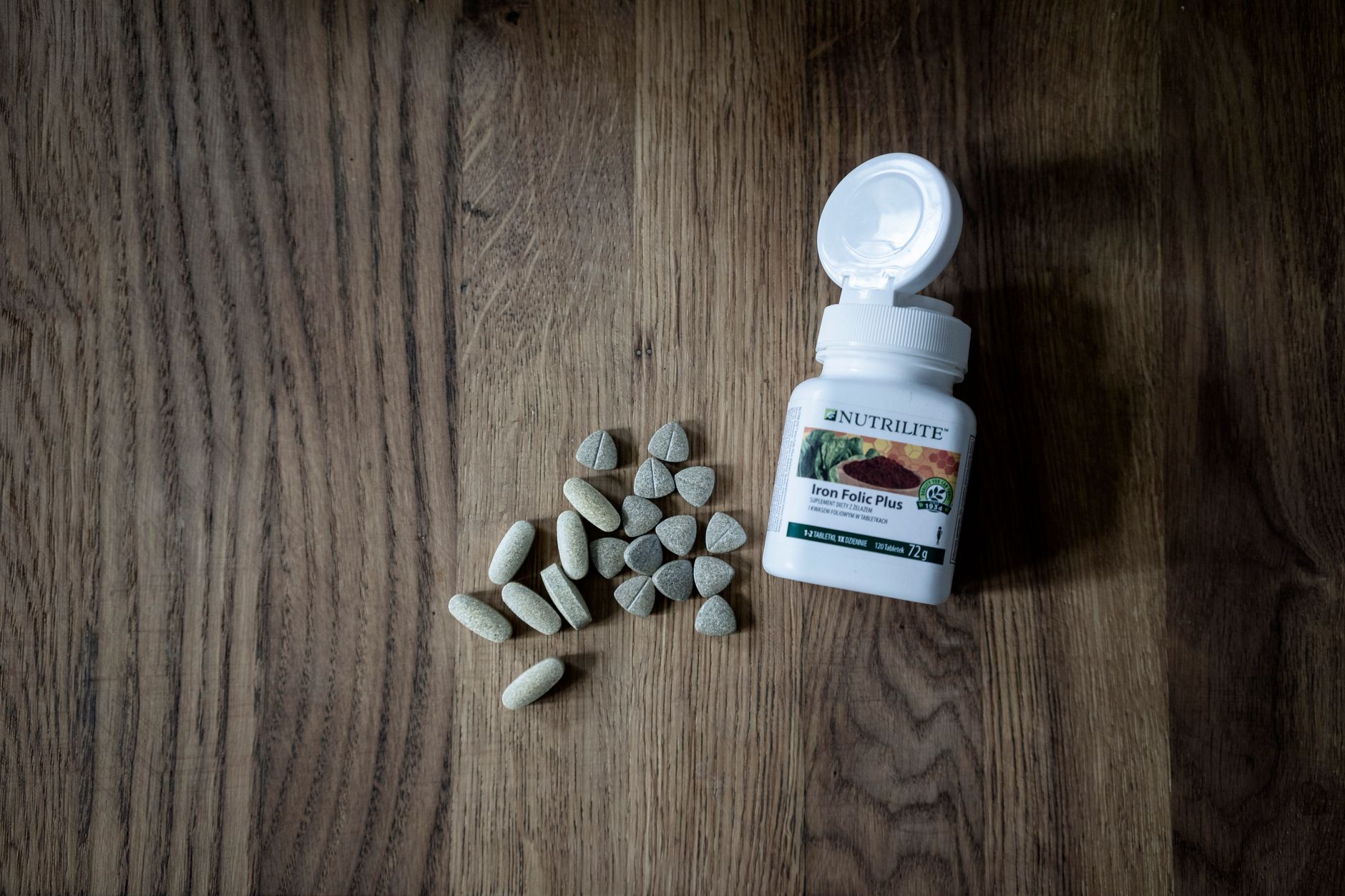
Keep your prenatal vitamins handy—consistent intake supports both you and your baby.
Is it normal to have cramping at 15 weeks pregnancy?
Y
es, mild cramping is normal at 15 weeks. The uterus is growing rapidly, and the surrounding ligaments stretch to accommodate the expanding organ. This can feel like a low‑grade ache or a rhythmic “Braxton‑Hicks” sensation, similar to mild menstrual cramps.
Typical causes include:
Uterine growth: As the uterus enlarges, the round ligaments stretch, creating a pulling sensation.
Gas or digestion: Hormonal relaxation of the gut can lead to bloating, which may be mistaken for uterine cramping.
Physical activity: Starting a new exercise routine can trigger temporary soreness.
When cramping becomes sharp, persistent, or accompanied by bleeding, fever, or dizziness, it may signal a miscarriage, ectopic pregnancy, or infection, and you should seek medical care right away.
How much weight should I gain by 15 weeks pregnant?
Weight gain in the first trimester is modest—most women gain about 1–2 kg (2–4 lb) by the end of week 13. By 15 weeks, a typical total gain is roughly 2–4 kg (4–9 lb) depending on your pre‑pregnancy BMI.
The 2023 ACOG guidelines outline recommended ranges:
Pre‑pregnancy BMI
Recommended total gain by 15 weeks
Underweight (BMI < 18.5)
≈ 4 kg (9 lb)
Normal weight (BMI 18.5‑24.9)
≈ 3 kg (6‑7 lb)
Overweight (BMI 25‑29.9)
≈ 2.5 kg (5‑6 lb)
Obesity (BMI ≥ 30)
≈ 2 kg (4‑5 lb)
These numbers are averages; your provider will tailor advice based on your health history. Gaining too quickly can increase the risk of gestational diabetes and hypertension, while gaining too little may affect fetal growth.
In terms of belly size expectations, most 15‑week bumps sit just above the pubic bone and may be visible as a small “baby‑balloon” when you lie down. A simple way to gauge growth is to notice whether your belly feels firmer and slightly larger than a few weeks earlier.
What does my baby look like at 15 weeks gestation?
At 15 weeks the embryo is officially a fetus and measures about 4 cm (1.6 in) from crown to rump—roughly the size of an avocado or a small plum. Major landmarks are now in place:
Head: The brain is rapidly developing; the cerebral cortex begins to form.
Eyes and ears: Eyes can move and open, though the eyelids remain fused; ears are positioned low on the head.
Limbs: Fingers and toes are fully formed, and tiny fingernails appear.
Heart: Beats at 150‑160 bpm—about twice the adult rate.
Skeleton: Bones start to harden; the spine gains a slight curve.
These 15‑weeks pregnant fetal development milestones mean your baby can now make spontaneous movements, though you likely won’t feel them until weeks 18‑20. The placenta is also maturing, taking on the critical role of nutrient exchange.
Can I exercise safely at 15 weeks pregnant?
Yes—moderate exercise is encouraged for most pregnancies. The American College of Obstetricians and Gynecologists (ACOG) recommends at least 150 minutes of moderate‑intensity activity per week, such as brisk walking, swimming, or prenatal yoga.
Safe activities at 15 weeks include:
Walking: Low impact, easy to adjust pace.
Swimming or water aerobics: Supports the body and reduces joint strain.
Stationary cycling: Keeps the heart rate steady without risk of falling.
Avoid high‑impact sports, contact activities, and exercises that involve lying flat on your back for extended periods, as the uterus can compress major blood vessels. Always listen to your body—if you feel dizziness, shortness of breath, or uterine pain, stop and rest.
What foods should I avoid at 15 weeks pregnancy?
Nutrition remains a cornerstone of a healthy pregnancy. While most foods are safe, a few carry risks:
Unpasteurized dairy and soft cheeses: Risk of Listeria—choose pasteurized options.
Raw or undercooked eggs and meat: Prevent salmonella and toxoplasmosis.
High‑mercury fish: Limit shark, swordfish, king mackerel; opt for low‑mercury choices like salmon or sardines.
Caffeine: Keep intake below 200 mg per day (about one 12‑oz coffee).
Alcohol: No known safe amount; abstaining eliminates fetal alcohol spectrum risk.
For lingering 15‑weeks pregnant nausea, try small, frequent meals, ginger tea, or bland crackers. Heartburn remedies include eating smaller portions, staying upright after meals, and sipping almond milk. Hydration is essential—aim for 2–3 L of water daily.
Why am I experiencing mood swings at 15 weeks pregnant?
Hormonal shifts—especially rising estrogen and progesterone—can affect neurotransmitters that regulate mood. Additionally, the psychological impact of a growing baby, changes in sleep patterns, and the stress of upcoming appointments often combine to create emotional rollercoasters.
Typical triggers include:
Sleep disruption: Nighttime bathroom trips and discomfort.
Physical discomfort: Back pain, heartburn, and fatigue can lower patience.
Anxiety about the future: Concerns about labor, parenting, or finances.
Managing mood swings:
Practice gentle mindfulness or breathing exercises each night.
Stay active—exercise releases endorphins that boost mood.
Maintain a balanced diet rich in omega‑3 fatty acids (e.g., walnuts, flaxseed).
Talk openly with your partner or a supportive friend; sharing reduces emotional load.
If feelings become overwhelming, persistent sadness, or thoughts of self‑harm, reach out to your provider or a mental‑health professional promptly.
When should I schedule my anatomy scan at 15 weeks?
The detailed anatomy ultrasound is typically performed between weeks 18‑22, but many clinics offer an earlier “first‑trimester anatomy” scan around 15 weeks to check basic organ development.
Key points for the 15‑week visit:
What it looks for: Confirmation of fetal heartbeat, placement of placenta, and detection of major structural anomalies.
Blood pressure changes: ACOG advises monitoring for hypertension; a rise above 140/90 mmHg warrants discussion.
Prenatal vitamins dosage: Continue a daily prenatal vitamin with 400‑800 µg of folic acid and 27 mg of iron; some providers may add vitamin D (1000‑2000 IU) based on blood levels.
Additional labs: Screening for gestational diabetes (often at 24‑28 weeks) and anemia may be ordered now.
Ask your provider:
“When is the best time for my anatomy scan, and what should I expect?”
“Should I adjust my vitamin or supplement routine before the scan?”
“Are there any specific signs I should watch for between now and the scan?”
What about sexual activity and safety at 15 weeks pregnant?
For most uncomplicated pregnancies, sex remains safe up to the third trimester. The amniotic sac and uterine wall protect the baby, and the cervix stays closed. However, you may notice increased pelvic pressure or a heightened sense of protectiveness.
Guidelines:
Comfort is key: Choose positions that avoid deep pressure on the abdomen.
Listen to your body: If you experience bleeding, cramping, or dizziness after intercourse, pause and discuss with your provider.
Infections: Use condoms if you or your partner have a sexually transmitted infection (STI) to prevent complications.
Always share any concerns with your obstetrician, especially if you have a history of preterm labor or placenta previa.
Take moments to relax—you deserve gentle self‑care as your body works hard.
From our medical team: Most of the symptoms you’re experiencing at 15 weeks are part of the normal spectrum of pregnancy. Keep up with your prenatal appointments, stay hydrated, and prioritize rest. If you ever feel unsure about a symptom—especially sharp pain, bleeding, or sudden swelling—call your provider right away. You’re building a healthy foundation for both you and your baby.
Myth vs. fact
Myth: Cramping at 15 weeks always means a miscarriage.
Fact: Mild, intermittent cramping is common as the uterus expands. Persistent, severe pain or bleeding should be evaluated, but occasional Braxton‑Hicks‑type cramps are normal.
Myth: You must stop all exercise once you feel any discomfort.
Fact: Gentle, low‑impact activity is encouraged; modify intensity if you feel sore, and always avoid exercises that cause pain.
Myth: All pregnancy cravings are dangerous.
Fact: Cravings are usually harmless. The key is to balance them with nutrient‑dense foods and avoid high‑risk items like unpasteurized cheeses or raw fish.
Key takeaways
Most 15‑week symptoms—fatigue, mild cramping, heartburn—are normal and manageable.
Typical weight gain is 2–4 kg (4–9 lb) by this point; aim for a gradual increase.
Your baby is about the size of an avocado, with fully formed limbs and a fast‑beating heart.
Stay active with moderate‑intensity exercise; avoid high‑impact or lying flat on your back.
Limit caffeine, avoid unpasteurized dairy, raw eggs, and high‑mercury fish to reduce infection risk.
Mood swings are common—use mindfulness, balanced nutrition, and open communication to cope.
Schedule your anatomy scan between weeks 18‑22; keep prenatal vitamins and blood‑pressure checks routine.
Frequently asked questions
What symptoms are normal at 15 weeks pregnant?
Typical symptoms include mild cramping, fatigue, occasional nausea, heartburn, increased urination, breast tenderness, and mood swings. Most are harmless, but sharp pain, heavy bleeding, or fever should prompt a call to your provider.
Can I feel my baby move at 15 weeks?
Most people do not feel fetal movements until weeks 18‑20, although a few may sense a faint flutter. If you notice a sudden, strong kick before then, it’s usually benign but worth mentioning at your next visit.
Is it safe to have sex at 15 weeks pregnant?
Yes, unless your doctor has advised otherwise for specific complications. Use comfortable positions, listen to your body, and stop if you experience bleeding, pain, or dizziness.
How much weight should I have gained by 15 weeks?
On average, a total gain of 2–4 kg (4–9 lb) is expected, varying by pre‑pregnancy BMI. Your provider will personalize the target based on your health profile.
What should I eat to reduce morning sickness at 15 weeks?
Focus on small, frequent meals, ginger tea, plain crackers, and foods rich in protein. Staying hydrated and avoiding spicy or fatty foods can also help.
When will I have my anatomy ultrasound?
The detailed anatomy scan is usually scheduled between weeks 18‑22, but many clinics offer an earlier scan around 15 weeks to check basic organ development. Ask your provider for the exact timing that fits your care plan.
When to call your doctor
If you experience any of the following, seek medical attention promptly: heavy vaginal bleeding, severe abdominal pain, fever over 38 °C (100.4 °F), sudden swelling of hands or face, vision changes, or a rapid heartbeat exceeding 120 bpm at rest. This article is for informational purposes only and does not replace personalized medical advice. Always consult your healthcare provider with specific concerns.
References
American College of Obstetricians and Gynecologists (ACOG). “Nutrition During Pregnancy.” 2023 Clinical Guidance.
National Institute for Health and Care Excellence (NICE). “Antenatal Care for Healthy Women.” Updated 2022.
U.S. Food and Drug Administration (FDA). “Guidance for Industry: Food Safety.” 2021.
World Health Organization (WHO). “Guidelines on Antenatal Care.” 2022.
Centers for Disease Control and Prevention (CDC). “Pregnancy and Immunizations.” 2023.
Royal College of Obstetricians and Gynaecologists (RCOG). “Maternal Weight Gain.” 2022.
Mayo Clinic. “Prenatal nutrition: what to eat and what to avoid.” 2023.
National Health Service (NHS). “Pregnancy symptoms.” Updated 2023.
American Academy of Pediatrics (AAP). “Physical Activity Guidelines for Pregnant Women.” 2022.
Fetal Medicine Foundation. “Fetal development milestones.” 2023.
Not sure about the label on 15 Weeks Pregnant Symptoms products?
Snap the ingredients list and SafeFilter checks every ingredient for your stage — only 3 free scans this month, then you're locked until reset. Unlimited from $7/mo or $50/yr.
When Shubhra Mishra was expecting her first child in 2016, she was overwhelmed by conflicting food advice — one site said yes, another said never. By the time her second baby arrived in 2019, she realized millions of mothers face the same confusion.
That sparked a five-year journey through clinical nutrition papers, cultural diets, and expert conversations — all leading to BumpBites: a calm, compassionate space where science meets everyday motherhood.
Her long-term vision is to build a global community ensuring safe, supported, and free deliveriesfor every mother — because no woman should face pregnancy alone or uninformed. 🌿
🌍 Stand with mothers, shape safer guidance
Join a small circle of experts who review BumpBites articles so expecting parents everywhere can decide with confidence.