

Quick take: At 14 weeks pregnant, you’re officially in your second trimester—often called the "honeymoon phase" of pregnancy. Your baby is about the size of a lemon (3.5 inches long) and starting to make tiny facial expressions. Many women feel less nauseous, but new symptoms like round ligament pain or a stuffy nose might pop up. You’ll likely have a prenatal appointment soon to check your baby’s growth and discuss optional genetic screening. Focus on gentle exercise, a balanced diet, and listening to your body as it adjusts to this exciting new stage.
You’re 14 weeks pregnant—congratulations! If the first trimester felt like a marathon of exhaustion and nausea, you might finally be catching your breath. The second trimester is often called the "honeymoon phase" of pregnancy, and for good reason: many women feel more like themselves again, with a burst of energy and a growing belly that makes the whole experience feel more real.
But even as the fog of early pregnancy lifts, new questions pop up. Is your baby’s size normal? Why does your nose feel stuffy all the time? And when will you *finally* feel those first tiny flutters? This week is all about settling into a new rhythm—one where your body is working hard behind the scenes, but you’re starting to feel more like *you* again.
One mom we spoke to described it like this: "At 14 weeks, I woke up one morning and realized I hadn’t thrown up in days. I actually *wanted* to eat breakfast. And then I panicked—was that normal? Shouldn’t I still feel sick? Turns out, this is exactly what’s supposed to happen. My body was just… adjusting."
Whether you’re still riding the wave of first-trimester fatigue or feeling like you’ve turned a corner, here’s everything you need to know about week 14 of pregnancy—from your baby’s development to what to expect at your next prenatal visit.
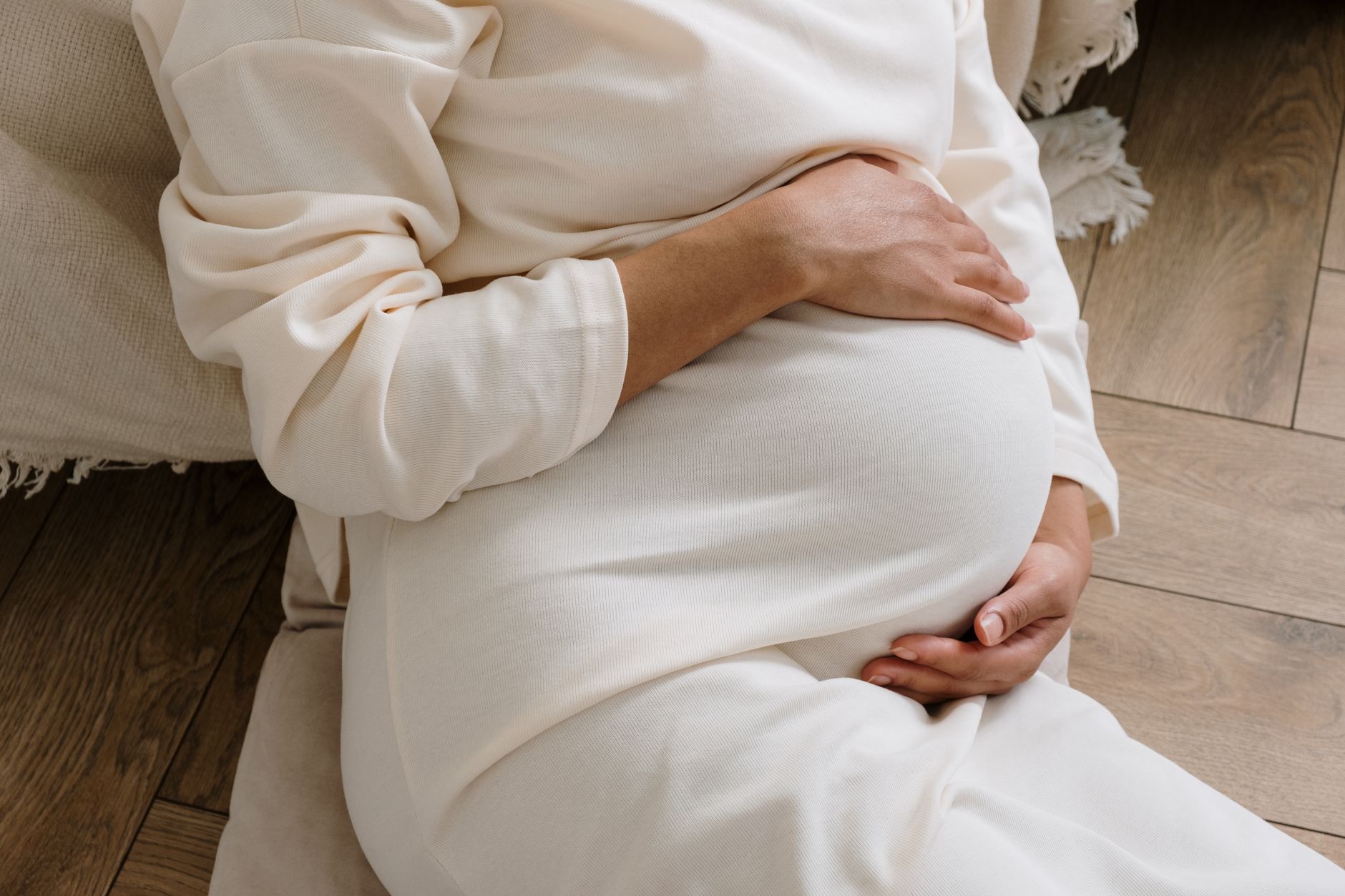
What Are the Symptoms at 14 Weeks Pregnant?
By 14 weeks, many of the classic first-trimester symptoms—like morning sickness and extreme fatigue—start to fade for most women. But pregnancy is full of surprises, and your body might be throwing you a few new curveballs this week. Here’s what’s normal (and what’s not) when it comes to symptoms at 14 weeks pregnant.
Symptoms That Might Be Fading
- Morning sickness: For many women, nausea starts to ease up around weeks 12–14. If you’re still feeling queasy, you’re not alone—about 10% of women experience morning sickness into the second trimester. The good news? It usually fades by week 16. (More on relief tips below!)
- Extreme fatigue: That first-trimester exhaustion often lifts around now, thanks to rising energy levels and your body adjusting to pregnancy hormones. If you’re still feeling wiped out, check in with your provider—it could be a sign of low iron or other issues.
- Breast tenderness: Your breasts may still feel full or sore, but the sharp tenderness of early pregnancy usually starts to ease by now.
New Symptoms That Might Appear
- Round ligament pain: As your uterus grows, the ligaments that support it stretch and thicken. This can cause sharp, stabbing pains or a dull ache in your lower belly or groin—especially when you change positions suddenly (like rolling over in bed or standing up too fast). It’s annoying but normal. Try moving more slowly and using a pregnancy support belt if it’s bothersome.
- Stuffy nose (rhinitis of pregnancy): Thanks to increased blood flow and hormones, about 30% of pregnant women develop nasal congestion. It’s not a cold—it’s your body’s way of keeping your nasal passages moist. Saline sprays, a humidifier, and staying hydrated can help.
- Increased vaginal discharge: More clear or milky-white discharge (called leukorrhea) is normal now. It helps prevent infections by flushing out bacteria. Wear a panty liner if it’s bothersome, but avoid tampons or douching.
- Visible veins: You might notice blue or purple veins on your breasts, belly, or legs. This is due to increased blood volume and is totally normal. They usually fade after delivery.
- Mild swelling: Your body is holding onto more fluid now, which can cause mild swelling in your hands, feet, or ankles. Elevate your legs when you can, and avoid standing for long periods.
- Heartburn or indigestion: Your growing uterus is starting to push on your stomach, which can cause acid reflux. Eating smaller meals, avoiding spicy or greasy foods, and not lying down right after eating can help.
One thing many women notice at 14 weeks? Their emotions start to feel more stable. The rollercoaster of first-trimester hormones often settles down, leaving you feeling more like yourself—just with a little extra bump.
When to Call Your Doctor
While most symptoms at 14 weeks are normal, some warrant a call to your provider:
- Severe abdominal pain or cramping (especially if it’s one-sided)
- Heavy vaginal bleeding (like a period) or spotting that lasts more than a day
- Severe dizziness or fainting
- Signs of a urinary tract infection (burning, frequent urination, fever)
- Sudden swelling in your hands or face (could be a sign of preeclampsia, though this is rare this early)
- Persistent headaches with vision changes
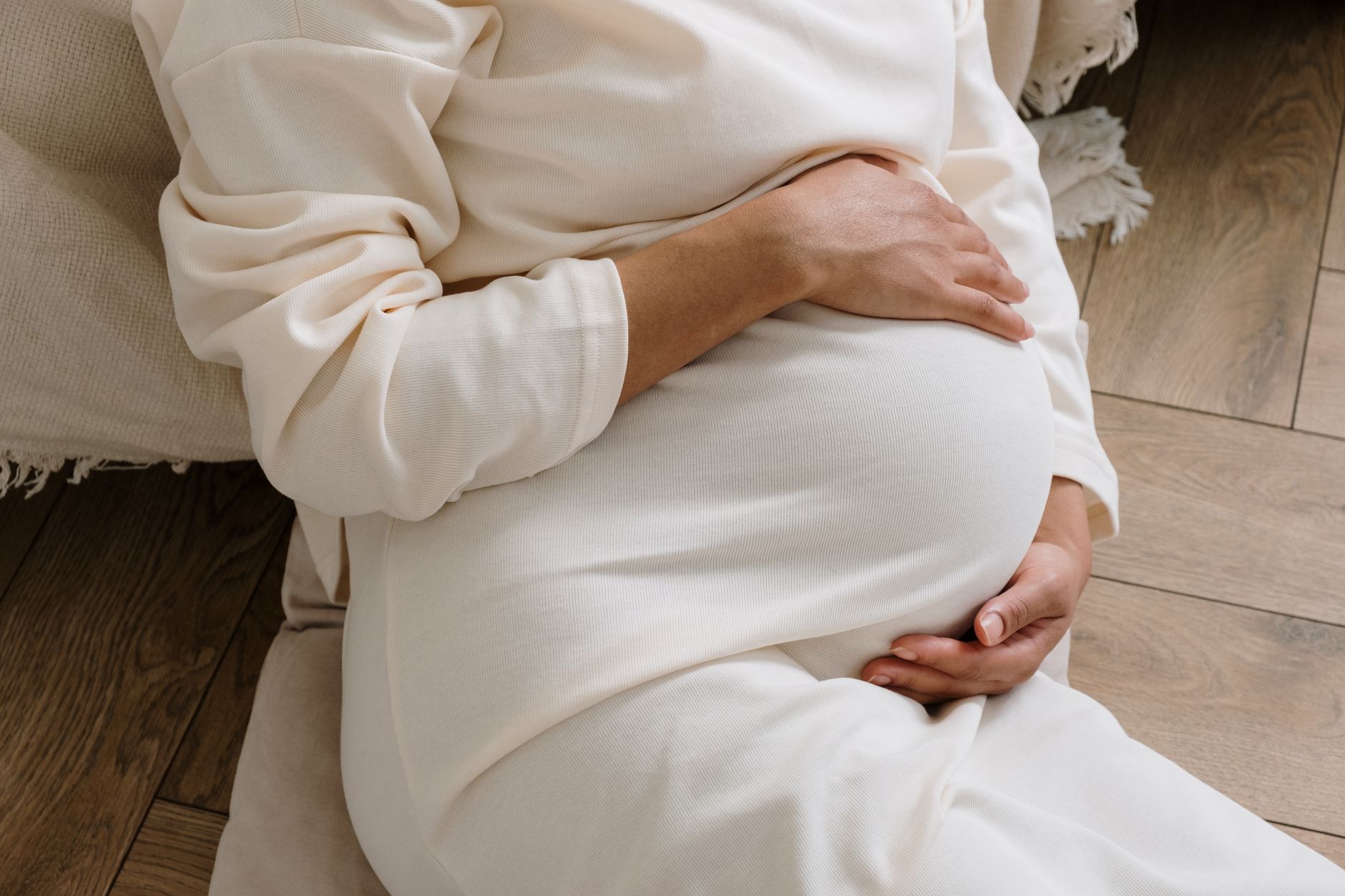
14 Weeks Pregnant: Baby Size and Development
What’s Happening Inside Your Womb?
- Facial expressions: Your baby’s facial muscles are developing, and they might be practicing tiny frowns, squints, or even smiles. (Spoiler: They’re not *actually* smiling yet—those expressions are just reflexes—but it’s adorable to imagine!)
- Hair growth: Fine hair called lanugo is starting to cover your baby’s body. This soft, downy hair helps regulate their body temperature and usually sheds before birth (though some babies are born with a little left on their shoulders or back).
- Kicking and moving: Your baby is wiggling, stretching, and even doing somersaults—but you probably won’t feel it yet. Most first-time moms start feeling movement between 16–22 weeks, though it can happen earlier if this isn’t your first pregnancy.
- Thumb-sucking: Your baby might start sucking their thumb this week. Ultrasounds often catch these sweet moments, which help strengthen their sucking reflex for breastfeeding or bottle-feeding later.
- Taste buds: Your baby’s taste buds are forming, and they can now taste the amniotic fluid. What you eat flavors the fluid, so your baby is getting a preview of your favorite foods!
- Genitals: If you’re having a boy, his prostate is developing. If you’re having a girl, her ovaries are moving down into her pelvis. (If you opt for genetic testing or an anatomy scan, you might find out the sex soon!)
- Bone development: Your baby’s skeleton is hardening, especially in the arms and legs. Their bones are still soft and flexible, which helps them fit through the birth canal later.
One mom described seeing her 14-week ultrasound like this: "I couldn’t believe how much my baby was moving! The technician pointed out their tiny hands and feet, and I swear I saw them yawn. It made everything feel so real."
How Big Is the Baby at 14 Weeks?
Here’s a fun way to visualize your baby’s size this week:
- Length: About 3.5 inches (8.7 cm) from head to bottom (crown to rump)
- Weight: Around 1.5 ounces (43 grams)
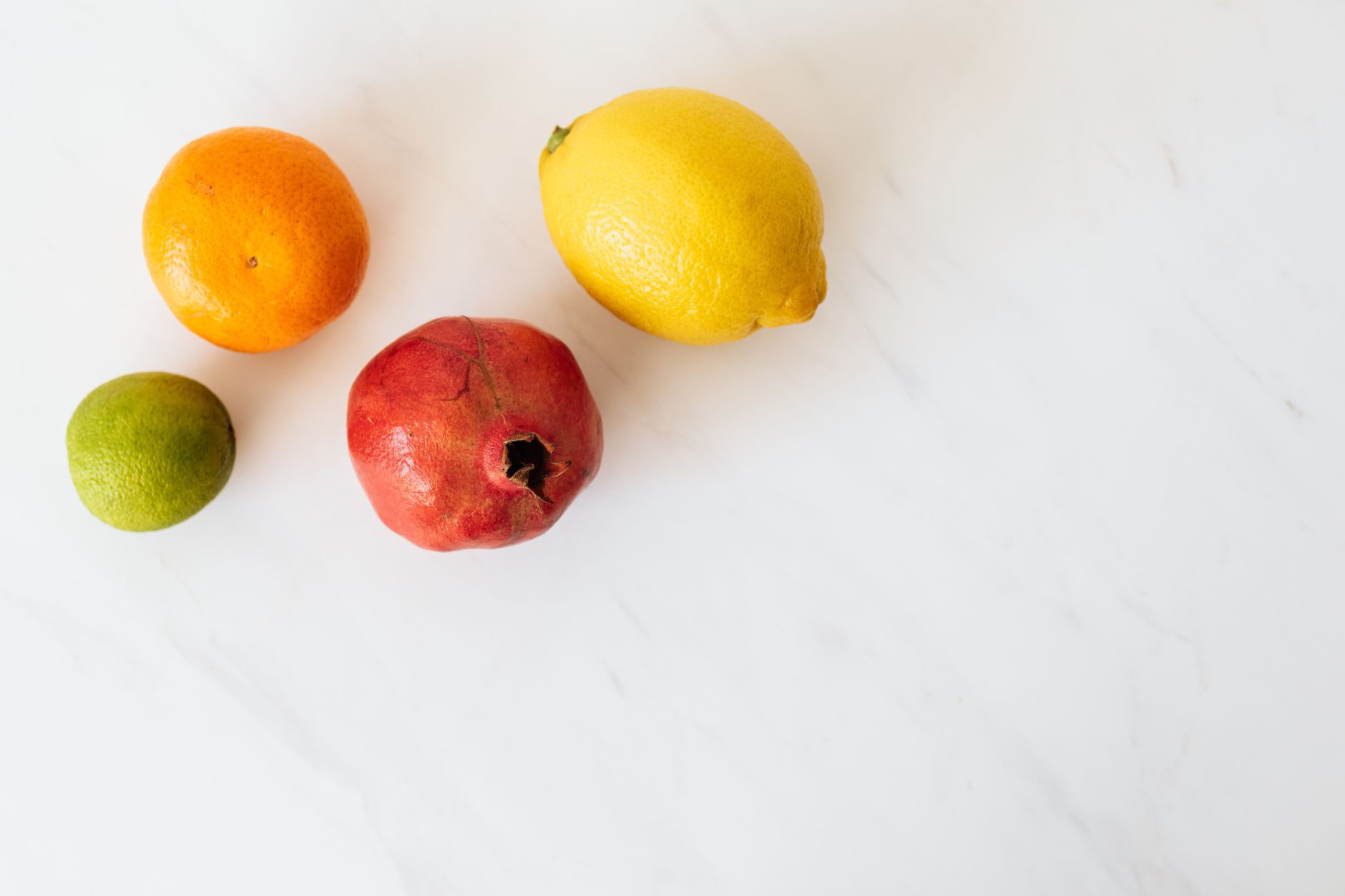
- Size comparison: A lemon, a peach, or a small navel orange
Your baby is still tiny, but they’re growing fast—by next week, they’ll be closer to the size of an apple!
How Much Weight Should I Gain by 14 Weeks Pregnant?
Weight gain in pregnancy isn’t one-size-fits-all—it depends on your pre-pregnancy body mass index (BMI), your metabolism, and whether you’re carrying one baby or multiples. But at 14 weeks, most women are just starting to show (or feel like they are!). Here’s what’s typical—and when to check in with your provider.
General Weight Gain Guidelines
The American College of Obstetricians and Gynecologists (ACOG) recommends the following weight gain ranges for a single pregnancy:
| Pre-Pregnancy BMI | Recommended Total Weight Gain | Recommended Weight Gain by 14 Weeks |
|---|---|---|
| Underweight (BMI < 18.5) | 28–40 lbs (12.7–18 kg) | 3–5 lbs (1.4–2.3 kg) |
| Normal weight (BMI 18.5–24.9) | 25–35 lbs (11.3–15.9 kg) | 2–4 lbs (0.9–1.8 kg) |
| Overweight (BMI 25–29.9) | 15–25 lbs (6.8–11.3 kg) | 1–3 lbs (0.5–1.4 kg) |
| Obese (BMI ≥ 30) | 11–20 lbs (5–9 kg) | 0–2 lbs (0–0.9 kg) |
Note: If you’re carrying twins, the recommended weight gain is higher. Check with your provider for personalized guidance.
Where Is the Weight Going?
It’s not just about the baby! Here’s a rough breakdown of where the weight goes during pregnancy:
- Baby: 7–8 lbs (3.2–3.6 kg)
- Placenta: 1–2 lbs (0.5–0.9 kg)
- Amniotic fluid: 2 lbs (0.9 kg)
- Uterus growth: 2 lbs (0.9 kg)
- Breast tissue: 1–3 lbs (0.5–1.4 kg)
- Blood volume: 3–4 lbs (1.4–1.8 kg)
- Fluid retention: 2–3 lbs (0.9–1.4 kg)
- Fat stores: 6–8 lbs (2.7–3.6 kg)
By 14 weeks, most women have gained only a few pounds—if any. Many women actually lose weight in the first trimester due to morning sickness, and that’s okay as long as your provider isn’t concerned.
What If I’m Not Gaining Enough (or Gaining Too Much)?
If you’re not gaining weight or are gaining too quickly, don’t panic. Your provider will monitor your progress at each prenatal visit and let you know if there’s cause for concern. Here’s what might be happening:
- Not gaining enough: This could be due to nausea, food aversions, or a high metabolism. Focus on nutrient-dense foods (like nuts, avocados, and whole grains) and small, frequent meals. If you’re struggling, ask your provider about supplements or a referral to a nutritionist.
- Gaining too much: Rapid weight gain can sometimes be a sign of fluid retention (edema) or gestational diabetes, but it’s often just your body’s natural response to pregnancy. Avoid empty calories (like sugary snacks or soda) and focus on fiber-rich foods to help you feel full.
One mom shared her experience: "I barely gained any weight in the first trimester because I couldn’t keep anything down. But by 14 weeks, my appetite came roaring back, and I made up for it fast! My provider wasn’t worried—she just reminded me to focus on healthy foods, not the number on the scale."
Tips for Healthy Weight Gain
- Eat small, frequent meals: Aim for 5–6 smaller meals a day instead of 3 large ones. This can help with nausea and keep your energy steady.
- Focus on nutrients, not calories: Choose foods packed with protein, fiber, and healthy fats (like eggs, Greek yogurt, and leafy greens) instead of empty calories.
- Stay hydrated: Drink plenty of water—it helps with digestion, energy levels, and even swelling.
- Move your body: Gentle exercise (like walking or prenatal yoga) can help regulate weight gain and boost your mood.
- Don’t stress the scale: Weight gain isn’t linear. Some weeks you might gain more, some weeks less. What matters is the overall trend.
14 Weeks Pregnant: Diet and Nutrition Tips
Now that you’re in the second trimester, your appetite might be making a comeback—and that’s a good thing! Your baby is growing fast, and your body needs extra nutrients to support their development. But what should you eat (and avoid) at 14 weeks pregnant? Here’s your go-to guide for a healthy pregnancy diet.
What to Eat at 14 Weeks Pregnant
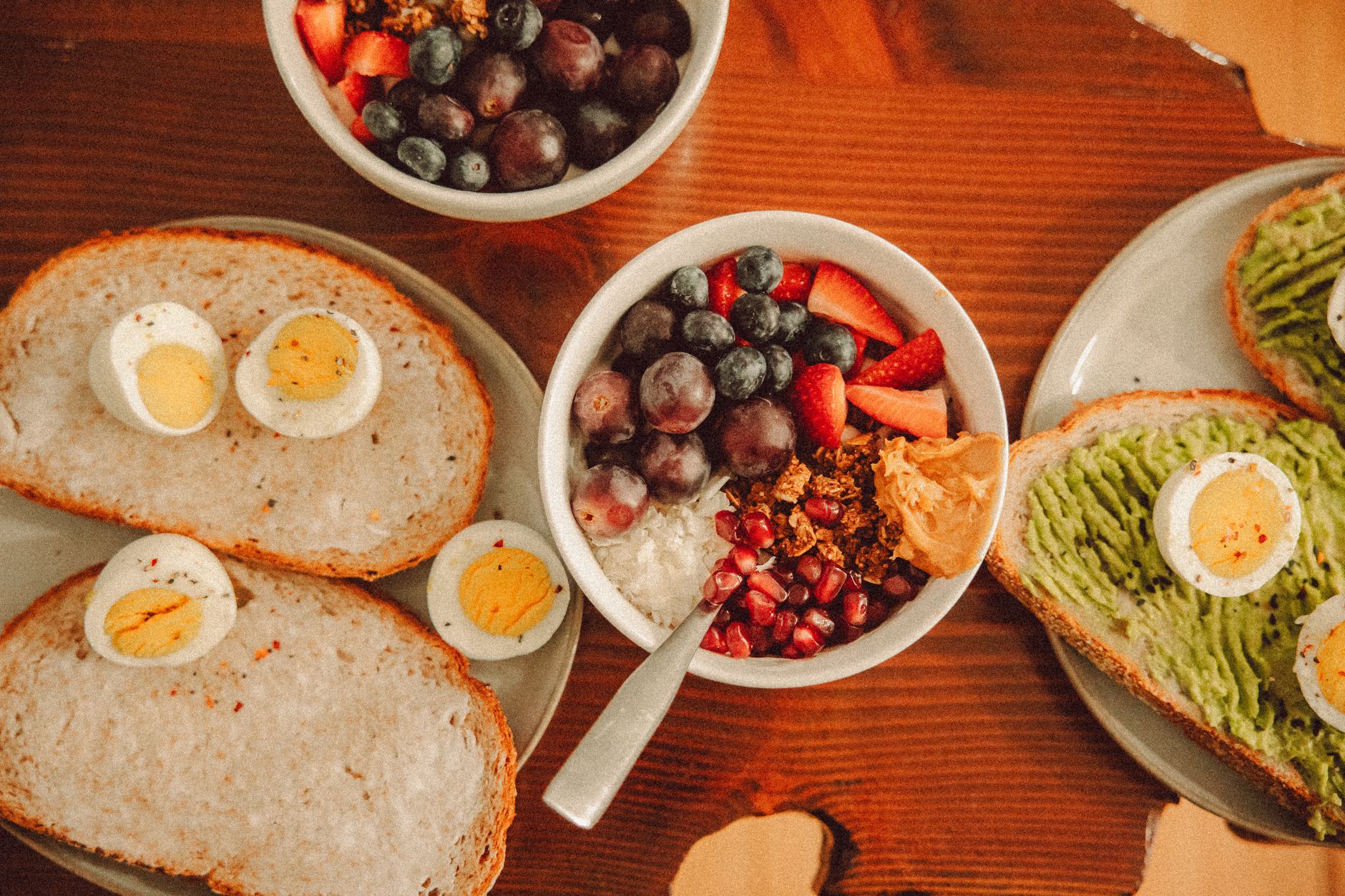
Think of your diet as fuel for two. Focus on whole, nutrient-dense foods that give you and your baby the vitamins and minerals you both need. Here’s what to prioritize:
1. Protein
Protein is essential for your baby’s growth, especially for their developing muscles and organs. Aim for 75–100 grams per day. Good sources include:
- Lean meats (chicken, turkey, lean beef)
- Fish (low-mercury options like salmon, cod, or tilapia—see safety notes below)
- Eggs
- Dairy (Greek yogurt, cottage cheese, milk)
- Plant-based proteins (lentils, chickpeas, tofu, quinoa, nuts, and seeds)
2. Folate and Folic Acid
Folate (the natural form) and folic acid (the synthetic form) help prevent neural tube defects like spina bifida. You need 600 micrograms (mcg) per day. Food sources include:
- Leafy greens (spinach, kale, romaine lettuce)
- Fortified cereals and bread
- Beans and lentils
- Citrus fruits (oranges, grapefruit)
- Avocados
Most prenatal vitamins contain folic acid, but it’s still important to eat folate-rich foods.
3. Calcium
Calcium supports your baby’s bone and teeth development. Aim for 1,000 mg per day. Good sources include:
- Dairy (milk, cheese, yogurt)
- Fortified plant-based milks (almond, oat, soy)
- Leafy greens (collard greens, bok choy)
- Canned fish with bones (sardines, salmon)
- Tofu
4. Iron
Iron helps your body make more blood to supply oxygen to your baby. You need 27 mg per day (nearly double the pre-pregnancy amount). Iron-rich foods include:
- Lean red meat
- Poultry
- Fish
- Beans and lentils
- Spinach and other leafy greens
- Fortified cereals
Pair iron-rich foods with vitamin C (like orange juice or bell peppers) to boost absorption. Avoid drinking coffee or tea with meals, as they can inhibit iron absorption.
5. Omega-3 Fatty Acids
Omega-3s support your baby’s brain and eye development. Aim for 200–300 mg of DHA per day. Good sources include:
- Fatty fish (salmon, sardines, anchovies)
- Chia seeds and flaxseeds
- Walnuts
- Fortified eggs
If you don’t eat fish, ask your provider about a DHA supplement.
6. Fiber
Fiber helps prevent constipation, a common pregnancy woe. Aim for 25–30 grams per day. Good sources include:
- Whole grains (oats, quinoa, brown rice, whole-wheat bread)
- Fruits (berries, apples, pears, prunes)
- Vegetables (broccoli, carrots, Brussels sprouts)
- Beans and lentils
- Nuts and seeds
7. Hydration
Your blood volume increases by about 50% during pregnancy, so staying hydrated is key. Aim for 8–10 cups (64–80 ounces) of fluids per day, mostly from water. Other hydrating options include:
- Herbal teas (caffeine-free)
- Milk
- Fruit-infused water
- Coconut water (for electrolytes)
If you’re struggling with nausea, try sipping small amounts throughout the day or sucking on ice chips.
Foods to Limit or Avoid at 14 Weeks Pregnant
Some foods can pose risks during pregnancy, like foodborne illnesses or high mercury levels. Here’s what to steer clear of:
1. High-Mercury Fish
Mercury can harm your baby’s developing nervous system. Avoid:
- Shark
- Swordfish
- King mackerel
- Tilefish
- Bigeye tuna (limit albacore tuna to 6 oz per week)
2. Raw or Undercooked Foods
These can carry bacteria like listeria or salmonella, which are especially dangerous during pregnancy. Avoid:
- Raw fish (sushi, sashimi, ceviche)
- Undercooked meat or poultry
- Raw eggs (including cookie dough, homemade Caesar dressing, or sunny-side-up eggs)
- Unpasteurized dairy or soft cheeses (like brie, feta, or blue cheese—unless they’re labeled "pasteurized")
3. Deli Meats and Hot Dogs
These can also carry listeria. If you’re craving a sandwich, heat the meat until it’s steaming hot first.
4. Excess Caffeine
The American College of Obstetricians and Gynecologists (ACOG) recommends limiting caffeine to 200 mg per day (about one 12-oz cup of coffee). Too much caffeine may increase the risk of miscarriage or low birth weight. Be mindful of hidden caffeine in:
- Tea
- Chocolate
- Energy drinks
- Some sodas
5. Alcohol
There’s no known safe amount of alcohol during pregnancy. It’s best to avoid it entirely to reduce the risk of fetal alcohol spectrum disorders.
6. Unwashed Fruits and Vegetables
Always wash produce thoroughly to remove dirt and bacteria. Avoid pre-cut fruits or veggies from salad bars, as they can carry listeria.
Sample Meal Plan for 14 Weeks Pregnant
Here’s a simple, nutrient-packed day of eating to give you an idea of what a balanced pregnancy diet looks like:
| Meal | Example | Nutrients Covered |
|---|---|---|
| Breakfast | Greek yogurt with berries, chia seeds, and a drizzle of honey + whole-grain toast with almond butter | Protein, calcium, fiber, omega-3s, folate |
| Snack | Hard-boiled egg + carrot sticks with hummus | Protein, iron, fiber, vitamin A |
| Lunch | Grilled salmon with quinoa and roasted Brussels sprouts + a side of mixed greens with olive oil and lemon | Omega-3s, protein, fiber, folate, iron |
| Snack | Apple slices with peanut butter + a handful of walnuts | Fiber, healthy fats, vitamin C |
| Dinner | Baked chicken with sweet potato and steamed broccoli + a glass of milk | Protein, vitamin A, fiber, calcium |
| Dessert | Dark chocolate-covered strawberries | Iron, vitamin C, antioxidants |
Dealing with Food Aversions and Cravings
Food aversions and cravings are common at 14 weeks, thanks to hormonal changes. Here’s how to handle them:
- If you’re avoiding certain foods: Try to find substitutes that give you similar nutrients. For example, if you can’t stand the smell of meat, try plant-based proteins like lentils or tofu.
- If you’re craving junk food: It’s okay to indulge occasionally, but try to find healthier versions. Craving ice cream? Try Greek yogurt with honey and fruit. Craving chips? Opt for air-popped popcorn or veggie chips.
- If you’re craving non-food items (pica): Some women crave things like ice, dirt, or laundry detergent. This can be a sign of a nutrient deficiency (like low iron). Mention it to your provider—they can check your levels and recommend supplements if needed.
One mom’s story: "At 14 weeks, I couldn’t even look at chicken without gagging. My provider suggested I try turkey instead, and it worked! I also discovered I could tolerate smoothies packed with spinach and protein powder—it became my go-to when I didn’t feel like eating."
Supplements to Consider at 14 Weeks
Even with a healthy diet, it can be hard to get all the nutrients you need during pregnancy. Here are the supplements most providers recommend:
- Prenatal vitamin: This is your nutritional safety net. Look for one that contains folic acid, iron, calcium, and DHA. Take it with a meal to avoid nausea.
- Vitamin D: Many women are deficient in vitamin D, which is important for bone health. The NHS recommends 10 micrograms (400 IU) per day during pregnancy. Your provider can test your levels if you’re concerned.
- DHA: If you don’t eat fish, consider a DHA supplement to support your baby’s brain development.
- Iron: If your iron levels are low, your provider might recommend an additional iron supplement. Too much iron can cause constipation, so only take it if prescribed.
Is It Safe to Exercise at 14 Weeks Pregnant?
If you’re feeling more energetic at 14 weeks, you might be wondering: Is it safe to exercise now? The short answer is yes—for most women, exercise is not only safe but encouraged during pregnancy. Staying active can help reduce back pain, boost your mood, improve sleep, and even make labor easier. But there are a few things to keep in mind to stay safe.
Benefits of Exercise During Pregnancy
Regular physical activity can help:
- Reduce back pain and improve posture
- Prevent excessive weight gain
- Boost energy levels
- Improve sleep
- Lower the risk of gestational diabetes and preeclampsia
- Prepare your body for labor and delivery
- Speed up postpartum recovery
Safe Exercises for 14 Weeks Pregnant
The American College of Obstetricians and Gynecologists (ACOG) recommends 150 minutes of moderate-intensity exercise per week during pregnancy. That’s about 30 minutes a day, 5 days a week. Here are some great options for 14 weeks:
1. Walking
Walking is one of the safest and easiest ways to stay active during pregnancy. It’s low-impact, requires no special equipment, and you can do it almost anywhere. Aim for a brisk pace that gets your heart rate up but still allows you to carry on a conversation.
2. Prenatal Yoga
Prenatal yoga focuses on gentle stretches, breathing techniques, and relaxation. It can help relieve back pain, improve flexibility, and reduce stress. Look for a class specifically designed for pregnant women, or follow along with a prenatal yoga video at home.
3. Swimming
Swimming is a fantastic full-body workout that’s easy on your joints. The water supports your growing belly, making you feel weightless and comfortable. It’s also a great way to cool off if you’re feeling overheated.
4. Stationary Cycling
Cycling on a stationary bike is a safe way to get your heart rate up without the risk of falling. Avoid outdoor cycling, as your balance may be off due to your changing center of gravity.
5. Low-Impact Aerobics
Low-impact aerobics classes (like Zumba or step aerobics) can be a fun way to stay active. Just make sure the instructor knows you’re pregnant and can offer modifications for moves that involve jumping or sudden changes in direction.
6. Strength Training
Strength training helps maintain muscle tone and can ease pregnancy aches and pains. Focus on light weights and high repetitions (12–15 reps per set). Avoid heavy lifting or exercises that require you to lie flat on your back after the first trimester.
Exercises to Avoid at 14 Weeks Pregnant
While most exercises are safe, there are a few to steer clear of during pregnancy:
- Contact sports: Avoid sports like soccer, basketball, or hockey, where there’s a risk of getting hit in the belly.
- Activities with a high risk of falling: This includes skiing, snowboarding, horseback riding, and gymnastics.
- Hot yoga or hot Pilates: Overheating can be dangerous for your baby. Avoid exercising in hot, humid conditions.
- Scuba diving: The pressure changes can be harmful to your baby.
- Exercises that require lying flat on your back: After the first trimester, lying on your back can compress the vena cava (a major blood vessel), reducing blood flow to your baby. Opt for side-lying or seated exercises instead.
- Exercises that involve holding your breath: Avoid activities like heavy weightlifting or intense interval training where you might hold your breath.
Tips for Exercising Safely at 14 Weeks
- Listen to your body: If something doesn’t feel right, stop. Pregnancy isn’t the time to push through pain or exhaustion.
- Stay hydrated: Drink plenty of water before, during, and after exercise to prevent overheating and dehydration.
- Avoid overheating: Wear loose, breathable clothing and exercise in a cool environment. If you feel dizzy, nauseous, or overly warm, take a break.
- Warm up and cool down: Spend 5–10 minutes warming up with gentle movements and stretching before your workout, and cool down afterward.
- Modify as needed: Your balance and center of gravity are changing, so you might need to adjust your form. For example, avoid deep twists in yoga or wide squats that strain your hips.
- Avoid exercises that

