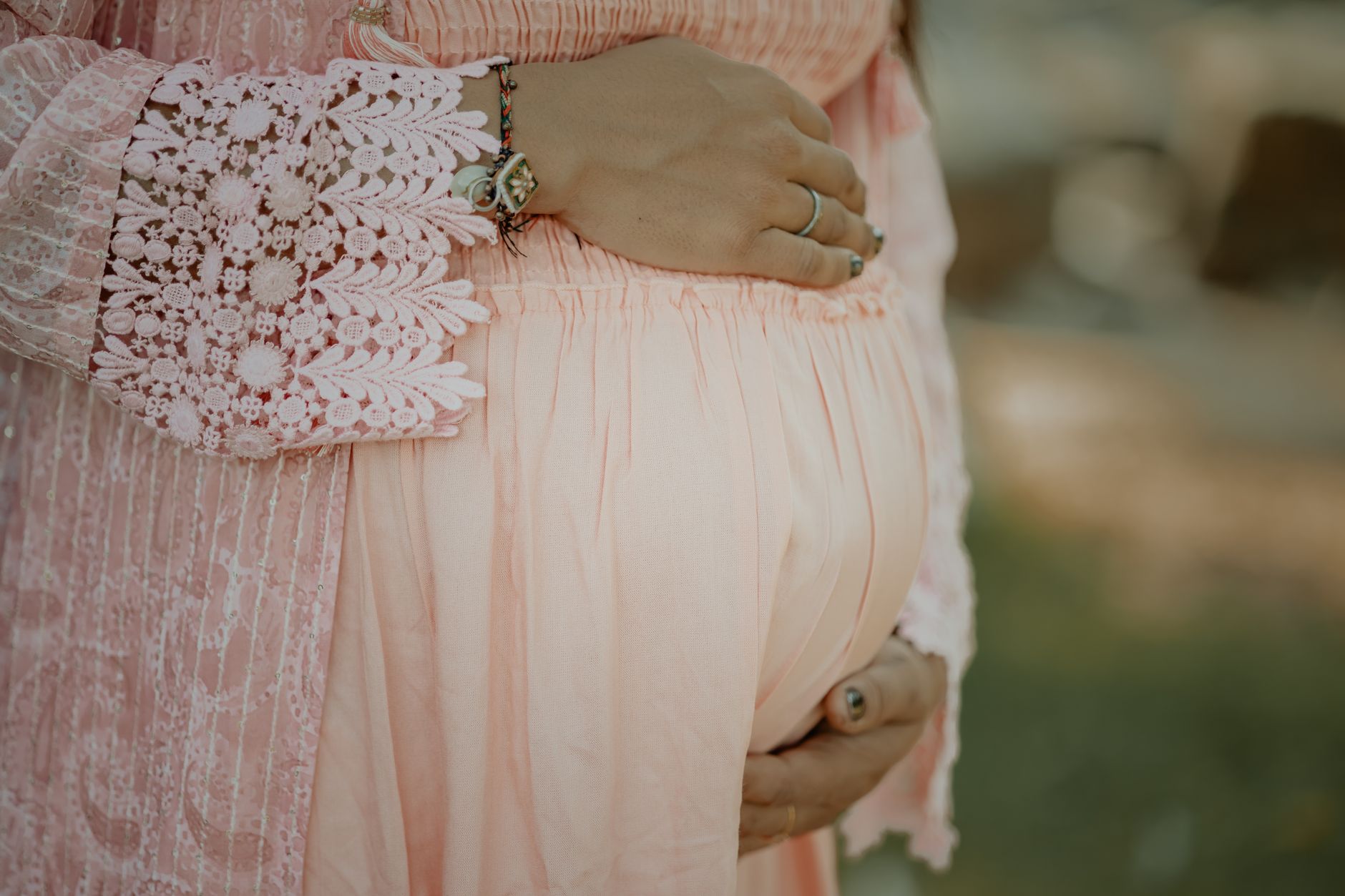
At 14 weeks pregnant, your belly size varies greatly. Some women show a slight bump, others may not yet. Both are normal! Learn what to expect with your 14 weeks pregnant belly size and common changes.
By Shubhra Mishra — a mom of two who turned her own confusion during pregnancy into BumpBites, a global mission to make food choices clear, safe, and stress-free for every expecting mother. 💛
Check whether any food is safe during pregnancy with the BumpBites Food Safety Checker.
Quick take: At 14 weeks pregnant, most bellies are just beginning to show a gentle curve, but size varies widely. A bump that feels soft, measures around 85‑95 cm in circumference, or appears larger due to bloating or a first pregnancy is usually normal. If you notice sudden rapid growth, severe pain, or a hard, painful uterus, contact your provider right away.
It’s 2 a.m., you’re lying in bed scrolling through pregnancy forums, and a sudden swirl of doubt hits you: “My belly looks huge for 14 weeks—am I doing something wrong?” You’re not alone. Many expectant moms wonder whether their baby bump is on track, especially when the first noticeable curve appears. The good news is that a 14 week belly can look quite different from one person to the next, and most variations are harmless.
In this guide we’ll walk through exactly what a 14 week pregnant belly typically looks like, why some people see a bigger bump earlier, what you might actually feel, and how to dress comfortably as your body changes. We’ll also explore the many factors that shape belly size—from body type and previous pregnancies to twins and natural bloating—so you’ll have a clear, science‑backed picture of what’s normal and when a check‑in with your provider is wise.
At 14 weeks most women notice a subtle, rounded curve forming over the lower abdomen.
What does a 14 week pregnant belly typically look like?
By the middle of the second trimester, the uterus has grown enough to rise out of the pelvis and begin pushing the abdominal wall outward. Most expectant mothers describe the belly at this stage as a soft, rounded “baby bump” that is just starting to be visible when viewed from the side or in a mirror. The curve is usually gentle rather than pronounced, and the skin may feel a little stretched but not tight.
Beyond the visual, many women at 14 weeks report a new feeling of "fullness" or a slight pressure in the lower abdomen, even before the bump is undeniably visible to others. This sensation is a normal sign that your uterus is expanding and moving upwards. You might also notice that your waistline feels thicker, making your usual pants a bit snug, even if the bump isn't yet a prominent feature.
Average size and circumference
Clinical guidelines from the American College of Obstetricians and Gynecologists (ACOG) note that the fundal height—a measurement from the pubic bone to the top of the uterus—should be roughly equal to the gestational age in centimeters. At 14 weeks, a typical fundal height is about 14 cm. Translating that to an external abdominal circumference, most women fall within the 85 – 95 cm (33 – 37 in) range, though a variation of ±5 cm is entirely normal.
It’s important to remember that these are averages, and your specific measurement can be influenced by many personal factors. Don't get too caught up in comparing your numbers to others. Your healthcare provider will monitor your growth over time to ensure it's healthy for *you*. What matters most is consistent growth, not hitting an exact number on any given day.
Measurement
Typical range at 14 weeks
Notes
Fundal height
13‑15 cm
Measured from pubic symphysis to uterine fundus
Abdominal circumference
85‑95 cm
External measurement; varies with body type
Fetal crown‑rump length
≈ 8.5 cm
Based on ultrasound averages (Mayo Clinic)
Typical visual appearance
When you look straight on, the belly often appears as a subtle “U” shape centered over the lower abdomen. From the side, you may notice a gentle outward bulge that becomes more pronounced as the uterus expands. The skin may have a faint “line of stretch” (often called the linea nigra when it darkens later), but most women do not yet have a stretch‑mark scar at this point.
It’s also common for the belly to feel slightly “soft” to the touch. The uterus itself is a muscular organ that is still relatively pliable, so pressing gently will often give a give‑and‑take sensation rather than a firm, hard ball. This softness is due to the uterine wall being thinner and more elastic at this stage, adapting to the rapid growth of your baby. Your skin might also feel more sensitive, and some women notice increased visibility of veins due to increased blood flow.
Is it normal to not show a baby bump at 14 weeks pregnant?
A
bsolutely. Not every pregnant belly reveals itself at the same speed. Factors such as a lean body frame, strong abdominal muscles, and a higher‑placed uterus can keep the bump hidden longer. In fact, many women with a first pregnancy report not seeing a noticeable protrusion until 16‑20 weeks.
Don't let social media or well-meaning comments from others (like "You're barely showing!") make you worry. Every body is different, and the timing of your bump appearing has little to do with the health or growth of your baby. What matters most is that your healthcare provider is happy with your progress during your regular check-ups.
Why some bellies stay flat
Women with a low body mass index (BMI) or those who maintain regular core‑strengthening workouts may have tighter abdominal walls that mask the early growth of the uterus. Additionally, the uterus may still be partially tucked under the pelvic brim, especially in people with a deeper pelvis, making the external curve less obvious.
Another common reason is the position of your baby. While your baby is still quite small at 14 weeks, their position within the uterus, and the uterus's position itself, can influence how much of a bump is visible. For example, if your uterus is tilted backward (retroverted), it might take longer to show externally compared to an anteverted (forward-tilted) uterus.
When to be concerned
While a hidden bump is usually harmless, there are rare situations where a lack of growth may signal an issue such as an incorrectly dated pregnancy or, less commonly, a miscarriage. If you haven’t had a prenatal visit by the end of the first trimester, or if you notice a sudden decrease in fundal height, schedule a check‑up with your provider.
It's important to differentiate between simply not showing a bump and a complete lack of uterine growth. Your provider will measure your fundal height at appointments to ensure your uterus is expanding as expected. If you're experiencing other concerning symptoms like severe cramping, bleeding, or a sudden loss of pregnancy symptoms, always contact your doctor immediately, regardless of belly size.
Why is my 14 week pregnant belly so big already?
If your belly feels larger than you expected, several perfectly normal reasons could be at play. The most common culprits are natural bloating, a first pregnancy, or the early presence of twins.
Many moms-to-be tell us they feel like they "popped" overnight, only to realize later it was often a combination of factors rather than just the baby's size. It's easy to look in the mirror and think your belly is much bigger than it "should" be, especially if you're comparing yourself to others or images online. Remember, those images often don't tell the full story.
Factors that make it appear larger
First‑pregnancy abdominal muscles: In a first pregnancy, the abdominal wall has never been stretched before, so the uterus may push outward more noticeably.
Bloating and fluid retention: Hormonal changes increase progesterone, slowing gut motility and causing gas buildup. This can add a few centimeters to your waistline.
Multiples: Carrying twins typically adds an extra 1‑2 cm to abdominal circumference as early as the first trimester (CDC guidance).
Weight gain: Early pregnancy weight gain of 0.5‑2 kg (1‑4 lb) is common and can contribute to a larger appearance.
Pelvic tilt: Some women naturally carry their pelvis in a way that pushes the uterus forward, making the bump more prominent earlier on.
Digestive issues: Beyond just gas, constipation is very common in early pregnancy due to hormones and can contribute to a distended abdomen.
Most of these factors are benign, but if you experience rapid swelling, severe abdominal pain, or sudden shortness of breath, seek medical advice promptly. While a larger belly can be a sign of a healthy, growing pregnancy, it's always wise to rule out any underlying conditions if you have concerns.
What causes a pregnant belly to start showing at 14 weeks?
The “show” is primarily driven by the uterus’s growth and its upward ascent out of the pelvic cavity. Around 12‑14 weeks, the uterus reaches the level of the umbilicus in many women, marking the transition from a hidden to a visible bump.
This visible change is a remarkable milestone, signifying that your baby is growing rapidly and your body is making incredible adaptations. The uterus, which started as a pear-sized organ, is now expanding to accommodate a baby that's about the size of a lemon or peach. This physical transformation involves the stretching of muscles and ligaments, all contributing to that outward curve.
Uterine growth milestones
During the first trimester, the uterus expands from the size of a small grapefruit to roughly the size of a large orange. By week 14, it weighs about 100 g and measures roughly 14 cm from fundus to cervix. This growth lifts the uterus above the pelvic brim, creating that familiar curve.
The uterine muscle fibers are stretching and thickening, preparing for the months ahead. This growth is constant, even if it feels like your bump appears suddenly. The ligaments supporting the uterus (like the round ligaments) also begin to stretch, which can sometimes cause mild aches or twinges, especially with sudden movements. This entire process is orchestrated by a symphony of hormones, primarily progesterone, which helps relax the uterine muscles and allow for expansion.
Bloating vs. true bump
Distinguishing between normal pregnancy‑related bloating and the actual baby bump is essential. Bloating tends to cause a uniform “tightness” around the entire waist and may be accompanied by gas, rumbling, or a feeling of fullness after meals. In contrast, a true bump will feel like a localized, rounded protrusion centered over the lower abdomen, and you may be able to feel the uterus’s outline when you press gently.
A helpful tip for telling the difference is to notice when your belly changes size. Bloating often fluctuates throughout the day, being larger after meals or in the evening, and might feel softer in the morning. A true baby bump, while it can still be influenced by bloating, will maintain a more consistent, firm shape over your lower abdomen, gradually growing over days and weeks rather than hours. You might also notice that the true bump starts lower in your pelvis and slowly moves upwards.
Can you feel your uterus or baby at 14 weeks pregnant?
Yes, many people start to sense the uterus’s presence around this time, though the baby itself is still too small to be distinctly felt. You might notice a gentle thumping sensation as the placenta fills with blood, or a slight “pulsing” that mirrors your own heartbeat.
While you likely won't feel definite kicks or flutters from your baby (those typically come later, often between 16-24 weeks), you might feel other subtle changes. Some describe a bubbling or gurgling sensation, often mistaken for gas, which could be early, very faint fetal movements. The placenta is also developing rapidly, and increased blood flow to the area can create unique sensations.
Physical sensations you might notice
Uterine firmness: Gently pressing on the lower abdomen often yields a soft, yielding feel rather than a hard ball.
Light cramping: Known as “Braxton‑ Hicks”‑type sensations, these are mild, irregular tightening that feel like a brief, painless pull.
Round ligament pain: A sharp, brief pain on one side of the lower abdomen as the ligaments stretch to support the growing uterus.
Increased blood flow: You might feel a slight warmth or a stronger pulse in your lower abdomen due to the increased blood volume supporting your pregnancy.
"Popping" or "fluttering": While not true kicks, some very sensitive individuals might describe very faint, irregular sensations that could be early fetal movements. These are often described as a "butterfly" feeling or "fish swimming."
Hard or soft uterus
At 14 weeks the uterus is typically soft to the touch. A hard, rock‑like feeling could indicate uterine hypertonus (excessive muscle tone) or a more serious condition such as pre‑eclampsia, especially if accompanied by headaches, vision changes, or swelling. In such cases, contact your provider immediately.
It's normal for your uterus to momentarily feel firmer during a Braxton Hicks contraction, but this should be brief and usually painless. If your uterus feels consistently hard, tender to the touch, or if the firmness is accompanied by pain, fever, or other concerning symptoms, it's crucial to seek medical advice. Your provider can assess the situation and ensure everything is progressing as it should.
How to manage common 14-week belly discomforts?
As your belly grows and your body changes, it's common to experience a range of mild discomforts. Knowing how to manage them can make a big difference in your day-to-day comfort.
Many of these sensations are simply your body adapting to pregnancy. From stretching ligaments to digestive changes, your abdomen is undergoing significant work. Focusing on gentle self-care and knowing when to reach out for medical advice can help you navigate this exciting but sometimes challenging phase.
Dealing with round ligament pain
Round ligament pain is a common complaint around 14 weeks. It often feels like a sharp, stabbing pain or a dull ache in your lower abdomen or groin, usually on one side, and can be triggered by sudden movements like sneezing, coughing, or rolling over in bed. To ease this:
Change positions slowly: Take your time getting up from a chair or turning in bed.
Use a support pillow: Placing a pillow between your knees at night can help support your pelvis and reduce strain.
Apply warmth: A warm bath or a heating pad on a low setting (never directly on your belly) can provide relief.
Gentle stretching: Simple pelvic tilts or cat-cow stretches can help loosen tight muscles.
If the pain is severe, persistent, or accompanied by fever or bleeding, contact your provider.
Managing bloating and gas
Bloating and gas are often most pronounced in the first trimester and early second trimester due to increased progesterone slowing digestion.
Eat smaller, more frequent meals: This reduces the burden on your digestive system.
Stay hydrated: Drinking plenty of water helps move food through your gut and can prevent constipation.
Avoid gas-producing foods: Common culprits include beans, broccoli, cabbage, and fizzy drinks.
Gentle exercise: Walking can stimulate digestion and help release trapped gas.
Over-the-counter remedies like simethicone (Gas-X) are generally considered safe in pregnancy, but always check with your doctor before taking any medication.
Easing general abdominal pressure and tenderness
As your uterus expands, you might feel general pressure or tenderness.
Wear supportive clothing: Loose-fitting clothes and maternity pants that don't compress your belly can make a big difference.
Rest and elevate your feet: This can help reduce swelling and pressure.
Practice deep breathing: Relaxation techniques can help manage discomfort and stress.
If the tenderness becomes severe, localized, or is associated with other symptoms, it's important to consult your healthcare provider to rule out any complications.
Tips for dressing comfortably with a growing 14 week pregnant belly
As your belly begins to curve, finding clothing that feels both comfortable and flattering can be a surprise challenge. Here are some practical, tried‑and‑tested tips that many moms‑to‑be swear by.
The key is to embrace stretchy, forgiving fabrics and silhouettes that accommodate your changing shape without digging in or feeling restrictive. You don't necessarily need a full maternity wardrobe yet, but a few strategic pieces can make a huge difference in your comfort and confidence.
Opt for stretchy fabrics: Soft jersey, ponte, and ribbed knits move with your body and won’t dig into the growing uterus. Look for blends with spandex or elastane.
Choose empire‑waist or wrap styles: These designs sit above the belly, providing room without sacrificing shape. They're also great for postpartum wear.
Layer with open cardigans or kimono jackets: An open front adds coverage while allowing you to adjust warmth as needed, and they effortlessly drape over a growing bump.
Invest in maternity leggings: The high‑rise waistband sits comfortably below the belly, eliminating the “squeezing” feeling common with regular jeans. Look for over-the-bump styles for maximum comfort.
Use belly‑support bands sparingly: Light support can ease discomfort, but over‑compression may restrict blood flow. They can be great for extending the life of your pre-pregnancy pants.
Consider flowy tops and dresses: A-line or babydoll styles provide plenty of room and are effortlessly chic.
Don't forget comfortable underwear: Your regular underwear might start to feel tight. Look for soft, breathable cotton briefs that sit comfortably under or over your bump.
Remember, comfort is key. If a garment feels tight around the waist, give yourself an extra inch of room and prioritize breathable, non‑restrictive fabrics. Your body is doing incredible work, and you deserve to feel good in what you wear.
Wrap dresses adapt to a growing belly while staying stylish.
Nutritional support for a healthy growing belly at 14 weeks
At 14 weeks, your baby is growing rapidly, and your body is working hard to support this development. What you eat plays a crucial role not only in your baby's health but also in your own energy levels and managing pregnancy discomforts.
Focusing on nutrient-dense foods can help support your expanding uterus and the increasing blood volume, while also providing the building blocks for your baby's organs, bones, and tissues. This isn't about "eating for two" in terms of quantity, but rather making every bite count for quality.
Key nutrients for the second trimester
As you enter the second trimester, certain nutrients become even more vital:
Iron: Essential for preventing anemia, as your blood volume increases significantly. Good sources include lean red meat, poultry, fortified cereals, beans, and spinach. Pair with Vitamin C-rich foods to enhance absorption.
Calcium: Crucial for your baby's developing bones and teeth, and for maintaining your own bone density. Dairy products, fortified plant milks, leafy greens, and sardines are excellent choices.
Vitamin D: Works with calcium for bone health and supports immune function. Found in fatty fish, fortified milk, and sunlight exposure.
Omega-3 Fatty Acids (DHA): Important for your baby's brain and eye development. Look for fatty fish like salmon (limit to 2-3 servings per week), fortified eggs, or discuss a supplement with your provider.
Fiber: Helps combat common pregnancy constipation and keeps your digestive system healthy. Whole grains, fruits, vegetables, and legumes are packed with fiber.
The World Health Organization (WHO) emphasizes a balanced diet rich in micronutrients throughout pregnancy.
Managing weight gain and cravings
Moderate weight gain is a healthy and necessary part of pregnancy. The RCOG advises that most women gain between 1-4 lbs (0.5-2 kg) by the end of the first trimester. At 14 weeks, you might start to feel hungrier, and cravings can become more intense.
Listen to your body's hunger cues: Eat when you're hungry, but focus on nutrient-rich snacks like fruit, nuts, yogurt, or whole-grain crackers.
Balance your meals: Combine protein, complex carbohydrates, and healthy fats to stay full and regulate blood sugar.
Indulge cravings in moderation: It's okay to enjoy a treat now and then, but try to pair it with something nutritious. For example, if you crave chocolate, have a small piece after a healthy meal.
Stay active: Gentle exercise like walking or prenatal yoga can support healthy weight gain and boost energy.
Always discuss your diet and any concerns about weight gain or loss with your healthcare provider, who can offer personalized recommendations.
Factors influencing 14 week pregnant belly size and appearance
Understanding why belly size varies helps you interpret what you’re seeing on your own body. Below are the most common influences, each backed by medical guidance from organizations like the NHS and ACOG.
It's a complex interplay of genetics, physiology, and lifestyle that shapes your pregnant silhouette. Knowing these factors can provide immense reassurance that your body is simply doing what it's designed to do, even if it looks different from someone else's.
Body type and previous pregnancies
People with a higher BMI often have more subcutaneous fat, which can mask early uterine growth and make the belly appear larger once it does show. Conversely, a leaner individual may have a smaller circumference but a more noticeable protrusion because there’s less surrounding tissue.
Women who have been pregnant before typically notice a quicker “show” because the abdominal muscles have already been stretched. The uterine muscles also retain a degree of “memory,” allowing the organ to expand more efficiently. This phenomenon is often referred to as "muscle memory" or simply the fact that the body has already undergone these changes once before, making the transition smoother and more visible the second (or third) time around.
Multiples (twins) vs. singleton
Carrying twins adds roughly 10‑15 % more uterine volume by the end of the first trimester. The CDC reports that twin pregnancies often present with an abdominal circumference that is 5‑10 mm larger than a singleton at the same gestational age. This early size difference can be noticeable as a “bigger‑than‑expected” bump at 14 weeks.
If you're carrying multiples, your body is working extra hard to support two or more babies, which naturally leads to a larger and earlier bump. While ultrasound is the definitive way to confirm a multiple pregnancy, an unusually large belly for your gestational age can sometimes be an early indicator, prompting your provider to investigate further.
Uterine position and pelvic anatomy
Some people have a retroverted uterus (tilted backward) that may stay lower in the pelvis for a longer period, delaying the visible bump. Others have a more vertical (anteverted) uterus that rises quickly, giving an earlier show. Both variants are normal and typically identified during an early ultrasound.
Your individual pelvic structure also plays a role. A deeper or wider pelvis might allow the uterus more room to grow internally before it pushes outwards, whereas a narrower pelvis might result in an earlier and more pronounced bump. These anatomical differences are simply variations in human physiology and do not indicate a problem with your pregnancy.
Hormonal influences and bloating
Progesterone slows intestinal transit, leading to increased gas and bloating. This effect peaks in the first half of pregnancy and can add a few centimeters to waist measurements. The NHS notes that distinguishing bloating from a true bump is easier when you notice a uniform tightness rather than a localized curve.
Beyond progesterone, the hormone relaxin, which helps loosen ligaments and joints in preparation for birth, can also contribute to a general feeling of expansion and sometimes a slightly larger overall appearance. While these hormonal shifts are essential for pregnancy, their side effects, like bloating, can certainly impact how your belly looks and feels in the early second trimester.
How to measure your belly at 14 weeks
To get an objective sense of size, use a flexible measuring tape:
Stand upright with your feet together.
Wrap the tape around the fullest part of your abdomen, typically just above the belly button.
Make sure the tape is snug but not compressing the skin.
Record the measurement in centimeters; compare it to the 85‑95 cm range mentioned earlier.
Consistent tracking can help you notice any rapid changes that warrant a professional opinion. While fundal height is a more precise clinical measurement taken by your doctor, home circumference measurements can give you a personal benchmark. Remember to measure at the same time of day (e.g., first thing in the morning) to minimize variations caused by bloating or food intake.
From our medical team: “A 14‑week belly that feels soft, shows a gentle curve, and measures within the typical range is almost always normal. If you experience sharp pain, a hard uterus, or a sudden increase in size, those are signs to call your midwife or obstetrician right away.”
Emotional aspects of a changing body at 14 weeks
Beyond the physical changes, your growing belly can bring a wave of emotional responses. For many, seeing the bump is a joyful confirmation of pregnancy, but it can also trigger feelings about body image, self-consciousness, or even anxiety about the future.
It's completely normal to have mixed feelings. Your body is undergoing one of the most profound transformations imaginable, and it's okay to acknowledge the emotional rollercoaster that comes with it. Giving yourself grace and understanding during this time is just as important as physical self-care.
Navigating body image changes
As your body changes, you might find yourself grappling with new feelings about your appearance.
Embrace the change: Try to view your bump as a symbol of the incredible life you're nurturing, rather than a deviation from your pre-pregnancy body.
Focus on comfort: Wearing clothes that fit well and feel good can boost your confidence. Don't try to squeeze into old clothes.
Positive self-talk: Challenge negative thoughts. Remind yourself that your body is strong and capable.
Connect with others: Talk to trusted friends, family, or other pregnant individuals who understand what you're going through. Sharing your feelings can be incredibly validating.
Remember, societal beauty standards often don't account for the beauty of a pregnant body. Your body is doing something amazing.
Dealing with unsolicited comments
Once your bump becomes visible, you might start receiving comments from others—some well-meaning, some less so. Remarks like "You're so small!" or "Wow, you're huge!" can be frustrating and make you feel self-conscious.
Prepare polite responses: A simple "Thanks, we're doing great!" or "Every pregnancy is different!" can help deflect unwanted advice or comparisons.
Set boundaries: If someone is consistently making you uncomfortable, it's okay to gently (or firmly) let them know you'd prefer not to discuss your body.
Remember it's about *you*: Their comments reflect their own perceptions, not the reality or health of your pregnancy. Your medical team is the only authority on your growth.
Protecting your emotional well-being is paramount. Surround yourself with supportive people who uplift you and respect your journey.
Myth vs. fact
Myth: If you can’t see a bump at 14 weeks, something is wrong.
Fact: Many women—especially those with a low BMI or strong core muscles—don’t develop a visible bump until the second trimester. Lack of a bump alone isn’t a diagnostic sign, and often a subtle internal change is happening long before it's externally obvious.
Myth: A larger belly always means a bigger baby.
Fact: Belly size is influenced by many variables, including bloating, fluid retention, and the presence of twins. Fetal size at 14 weeks is relatively consistent across pregnancies (≈ 8.5 cm crown‑rump length), and a large bump often reflects maternal factors more than fetal size at this early stage.
Myth: The uterus feels hard at 14 weeks because the baby is growing fast.
Fact: The uterus is normally soft and pliable at this stage. A hard, tense uterus can indicate uterine hypertonus or a more serious condition and should be evaluated by a provider, as a consistently firm uterus at 14 weeks is not typical.
Myth: You can tell the baby's gender by the shape of your bump.
Fact: The "high or low" or "round or pointy" bump theories for predicting gender are old wives' tales with no scientific basis. Belly shape is influenced by your body type, muscle tone, and the baby's position, not its sex.
Key takeaways
At 14 weeks most bellies show a gentle, soft curve with a circumference of 85‑95 cm, but individual variations are wide.
Not seeing a bump yet is normal, especially for first‑time or lean moms; don't compare yourself to others.
Factors such as body type, previous pregnancies, twins, bloating, and uterine position significantly influence appearance.
Feelings of a soft, slightly tender uterus, mild cramping, or round ligament pain are typical; a hard, painful uterus warrants medical attention.
Dress in stretchy, breathable fabrics and consider empire‑waist or wrap styles for comfort and confidence.
Manage common discomforts like bloating and round ligament pain with gentle movements, hydration, and dietary adjustments.
Prioritize nutrient-dense foods like iron, calcium, and omega-3s to support your baby's rapid growth and your own well-being.
Be kind to yourself as your body changes, and navigate unsolicited comments with grace.
Track your belly size with a measuring tape at home, but rely on your provider for clinical assessments of fundal height.
Frequently asked questions
Can you see a bump at 14 weeks pregnant?
Yes, many people begin to notice a subtle curve around the lower abdomen at 14 weeks, but the visibility varies widely based on body shape, previous pregnancies, and whether there is any bloating. For some, it might just be a thicker waistline.
Is it normal to have a big belly at 14 weeks pregnant?
It can be normal; a larger‑looking belly may result from natural bloating, early weight gain, a first pregnancy, or twins. As long as the uterus feels soft and you’re not experiencing pain, it’s usually nothing to worry about. Your provider will confirm healthy growth.
What is the size of the uterus at 14 weeks pregnant?
By week 14 the uterus typically measures about 14 cm from fundus to cervix and weighs roughly 100 g, lifting just above the pelvic brim and beginning to create a visible bump. It's roughly the size of a large orange or grapefruit.
What should I be feeling at 14 weeks pregnant?
You may notice a soft, slightly tender uterus, occasional round‑ligament twinges, mild cramping, and a gentle “pulsing” sensation as blood fills the placenta. A hard, painful uterus is not typical and should be evaluated. Fetal movements are usually too faint to be consistently felt.
Why do I look 6 months pregnant at 14 weeks?
Early bloating, a first pregnancy’s unconditioned abdominal wall, or carrying twins can make the belly appear larger than the gestational age suggests. Hormonal fluid retention also adds to the visual effect. It's almost always a normal variation, not an indication of a problem.
What is the average weight gain at 14 weeks pregnant?
Most guidelines, including those from the NHS, recommend a total weight gain of 0.5‑2 kg (1‑4 lb) by the end of the first trimester. This modest gain supports fetal growth and maternal tissue expansion. Weight gain will typically accelerate in the second trimester.
Will my belly button pop out at 14 weeks?
It's unlikely your belly button will "pop out" at 14 weeks. This usually happens much later in pregnancy (third trimester) as the uterus expands significantly and pushes the navel outward. At 14 weeks, it might start to flatten or feel a little shallower.
How often should I measure my belly?
For home tracking, measuring your abdominal circumference once a week, at the same time of day, can give you a sense of your belly's growth. Your healthcare provider will perform more precise fundal height measurements at your regular prenatal appointments, typically starting around 20 weeks.
When to call your doctor
If you notice any of the following, contact your provider right away: sudden, rapid increase in belly size; severe abdominal pain; a hard, rigid uterus; bleeding or spotting; fever over 38 °C (100.4 °F); persistent, severe headaches or vision changes; or decreased fetal movement (though movement is usually felt later). Remember, this article provides general information and is not a substitute for personalized medical advice.
References
American College of Obstetricians and Gynecologists (ACOG). “Routine Prenatal Care.” Practice Bulletin No. 171, 2022.
National Health Service (NHS). “Pregnancy: what to expect in the first trimester.” Updated 2023.
Mayo Clinic. “Fetal development: first trimester.” 2024.
Centers for Disease Control and Prevention (CDC). “Twin Pregnancies.” 2023.
World Health Organization (WHO). “Guidelines on Antenatal Care for a Positive Pregnancy Experience.” 2022.
Royal College of Obstetricians and Gynaecologists (RCOG). “Maternal weight gain in pregnancy.” 2021.
American College of Obstetricians and Gynecologists (ACOG). "Nutrition During Pregnancy." FAQ001, 2023.
Not sure about the label on 14 Weeks Pregnant Belly Size products?
Snap the ingredients list and SafeFilter checks every ingredient for your stage — only 3 free scans this month, then you're locked until reset. Unlimited from $7/mo or $50/yr.
When Shubhra Mishra was expecting her first child in 2016, she was overwhelmed by conflicting food advice — one site said yes, another said never. By the time her second baby arrived in 2019, she realized millions of mothers face the same confusion.
That sparked a five-year journey through clinical nutrition papers, cultural diets, and expert conversations — all leading to BumpBites: a calm, compassionate space where science meets everyday motherhood.
Her long-term vision is to build a global community ensuring safe, supported, and free deliveriesfor every mother — because no woman should face pregnancy alone or uninformed. 🌿
🌍 Stand with mothers, shape safer guidance
Join a small circle of experts who review BumpBites articles so expecting parents everywhere can decide with confidence.