At 13 weeks, your baby measures about 2.9 inches (7.4 cm) long and weighs roughly 0.5 ounces (14 g). Discover the key growth milestones, what you’ll feel, and tips for this stage.
By Shubhra Mishra — a mom of two who turned her own confusion during pregnancy into BumpBites, a global mission to make food choices clear, safe, and stress-free for every expecting mother. 💛
Check whether any food is safe during pregnancy with the BumpBites Food Safety Checker.
Quick take: At 13 weeks pregnant, your baby is about the size of a lime—roughly 7 cm (2.8 in) long and weighing around 23 g (0.8 oz). This is a normal size for the start of the second trimester, and most babies grow predictably from here. Ultrasound can confirm the measurements, and you’ll begin to notice early signs of healthy growth.
It’s 2 a.m., you’re curled up on the couch, and a sudden cramp makes you wonder: “How big is my baby now?” You’re not alone—many expectant parents hit that exact moment of curiosity around the 13‑week mark. The good news is that by week 13, doctors have a clear picture of your baby’s length, weight, and developmental milestones. In this guide we’ll walk through the exact measurements, compare the size to everyday objects, explain what’s happening inside, and show you how to track growth safely.
We’ll answer the most common questions—how many centimeters, what fruit it resembles, whether the size is normal, and how you can see it on an ultrasound. You’ll also learn the subtle signs that your baby is thriving and why first‑time pregnancies or multiples might look a bit different. By the end, you’ll have a solid, reassuring snapshot of your 13‑week miracle.
How big is a baby at 13 weeks pregnant in centimeters?
At the end of week 13, the fetus measures roughly 7 cm from crown to rump (about 2.8 in). This length is measured from the top of the head to the buttocks, which is the standard way clinicians assess size before the limbs become more defined.
Most sources, including the American College of Obstetricians and Gynecologists (ACOG) and the UK’s NHS, cite a range of 6.5–7.5 cm as typical. The variation reflects natural differences in genetics, maternal health, and whether it’s a first pregnancy or a subsequent one. In terms of inches, that translates to 2.5–3 inches, roughly the length of a small plum.
Why centimeters matter: Early ultrasounds rely on millimeter precision, and a deviation of more than 2 mm from the expected curve can prompt a closer look. However, a small difference at this stage is usually not a cause for alarm—it often balances out as the baby grows.
For a quick visual reference, many parents find it helpful to picture a lime or a small tangerine. If you have a fresh lime in your kitchen, hold it against your belly; the length should feel comparable. This everyday comparison makes abstract numbers feel concrete and reassuring.
At 13 weeks, the baby is about the length of a lime—around 7 cm.
What is the weight of a 13‑week fetus?
By week 13, the average fetal weight is approximately 23 g (0.8 oz). This is a tiny amount—about the weight of a single grape or a small almond. The weight can range from 18 g to 28 g and still be considered normal, according to ACOG growth charts.
Weight estimates come from the same ultrasound measurements that determine length. The calculator uses the crown‑rump length (CRL) and the head circumference to predict fetal mass. While the exact gram count is less critical than the growth trend, a steady increase in weight each week is a reassuring sign.
International guidelines, such as those from the World Health Organization (WHO), align with these numbers, citing a 13‑week average of 20‑25 g. In the UK, the NHS notes that a fetus at this stage “weighs less than a handful of raisins.” This analogy helps you grasp how delicate the baby is while still growing steadily.
It’s also worth noting that weight can be influenced by maternal factors. Adequate nutrition, especially protein and iron, supports healthy fetal mass. Conversely, severe maternal malnutrition or chronic illness may slow weight gain, prompting clinicians to monitor more closely.
13 weeks pregnant baby size compared to a fruit – which fruit does it match?
When doctors look for a simple way to describe fetal size, they often turn to fruit analogies. At 13 weeks, the baby is most commonly compared to a lime or a small plum. Both fruits average about 7 cm in length and weigh roughly 20–30 g, matching the fetal measurements closely.
Why fruit? The visual cue is instantly relatable. If you have a lime in your fridge, you can hold it against your abdomen to imagine the baby’s length. The skin’s smoothness also mirrors the baby’s developing skin, which is still translucent but becoming more opaque as fine hair (lanugo) begins to appear.
Other fruit comparisons appear in different regions. In some Australian blogs, the 13‑week baby is likened to a “small kiwi,” while in Canada, a “medium tangerine” is sometimes used. Regardless of the exact fruit, the key takeaway is the same: the baby is tiny, yet clearly distinguishable from a speck.
Here’s a quick comparison table that many parents find helpful:
Measurement
13‑week baby
Common fruit analogue
Length (cm)
≈ 7 cm
Lime, small plum
Length (inches)
≈ 2.8 in
Small plum
Weight (g)
≈ 23 g
Grape, almond
Using these everyday objects helps you visualize growth without needing a ruler or calculator. As you move into the next weeks, the fruit analogies will change—think “avocado” at 20 weeks and “pumpkin” at term—providing a fun way to track progress.
What developmental milestones occur at 13 weeks gestation?
Week 13 marks the transition from the embryonic period to the fetal period, and several critical milestones happen:
Facial features: The eyes move to the front of the face, and the palate begins to form, allowing for future sucking.
Heart development: The heart now has four chambers and beats at about 150 beats per minute, circulating blood throughout the tiny body.
Muscle activity: Muscles start to contract, and the baby may make spontaneous movements, though you won’t feel them yet.
Limbs: Fingers and toes are fully formed, though the nails are still soft.
Digestive tract: The intestines begin to lengthen, and the liver starts producing blood proteins.
Lanugo: Fine, downy hair (lanugo) begins to appear on the head and body, providing insulation.
These milestones are confirmed by ultrasound, which can capture the tiny heart chambers and the curled position of the limbs. The CDC notes that by week 13, the fetus is capable of basic reflexes, such as sucking and swallowing, essential for later feeding.
From a parental perspective, this is an exciting stage because the baby’s features become recognizably human. Many mothers describe the moment they see the first clear profile on an ultrasound as “the first real glimpse of my child.” It’s a powerful emotional anchor that helps you feel connected even before you can feel movement.
Is a 13‑week fetus size considered normal?
Yes—size variation at 13 weeks is common, and most babies fall within a broad but predictable range. ACOG defines “normal” as a crown‑rump length (CRL) between 6.5 cm and 7.5 cm and a weight between 18 g and 28 g. If your measurements fall within this interval, clinicians usually reassure you that growth is on track.
When measurements fall outside these ranges, doctors assess the trend. A single small reading isn’t automatically alarming; they’ll often repeat the ultrasound in a few weeks to see if the growth curve aligns. Consistent deviation—especially if the baby is significantly smaller—can prompt investigations for potential issues such as chromosomal abnormalities or placental insufficiency.
Internationally, the NHS emphasizes that “most babies grow at their own pace,” and a slight size difference rarely signals a problem. Factors that can affect size include maternal nutrition, smoking, and chronic conditions like hypertension. Conversely, twins naturally have smaller averages, so a 13‑week twin may measure closer to 5.5–6 cm.
Bottom line: a baby’s size at 13 weeks is a useful marker, but it’s the growth pattern over time that matters most. Regular prenatal visits and ultrasounds keep the picture clear.
Can I measure my baby’s size at 13 weeks with an ultrasound?
Absolutely. The standard method is a transabdominal ultrasound, which uses a handheld probe placed on your abdomen. The sonographer measures the crown‑rump length (CRL) and may also capture the head circumference (HC) and abdominal circumference (AC) if the baby is slightly larger.
When you schedule your 13‑week scan, the technician will aim to capture a clear sagittal view—a side profile that shows the head, spine, and rump. From this image, the software calculates the CRL to the nearest millimeter. Most clinics also provide a printed or digital report showing the length, estimated weight, and a visual image of the fetus.
Some women wonder whether a transvaginal ultrasound is better. While transvaginal scans can offer clearer images earlier in pregnancy (around 6–10 weeks), by week 13 the transabdominal approach is typically sufficient. The FDA and ACOG both state that ultrasound exposure at diagnostic levels is safe for both mother and baby.
If you don’t have an ultrasound scheduled yet, ask your provider about a “dating scan.” It’s often performed between 11 and 14 weeks to confirm gestational age and assess early growth. The results will give you the concrete numbers you’ve been curious about.
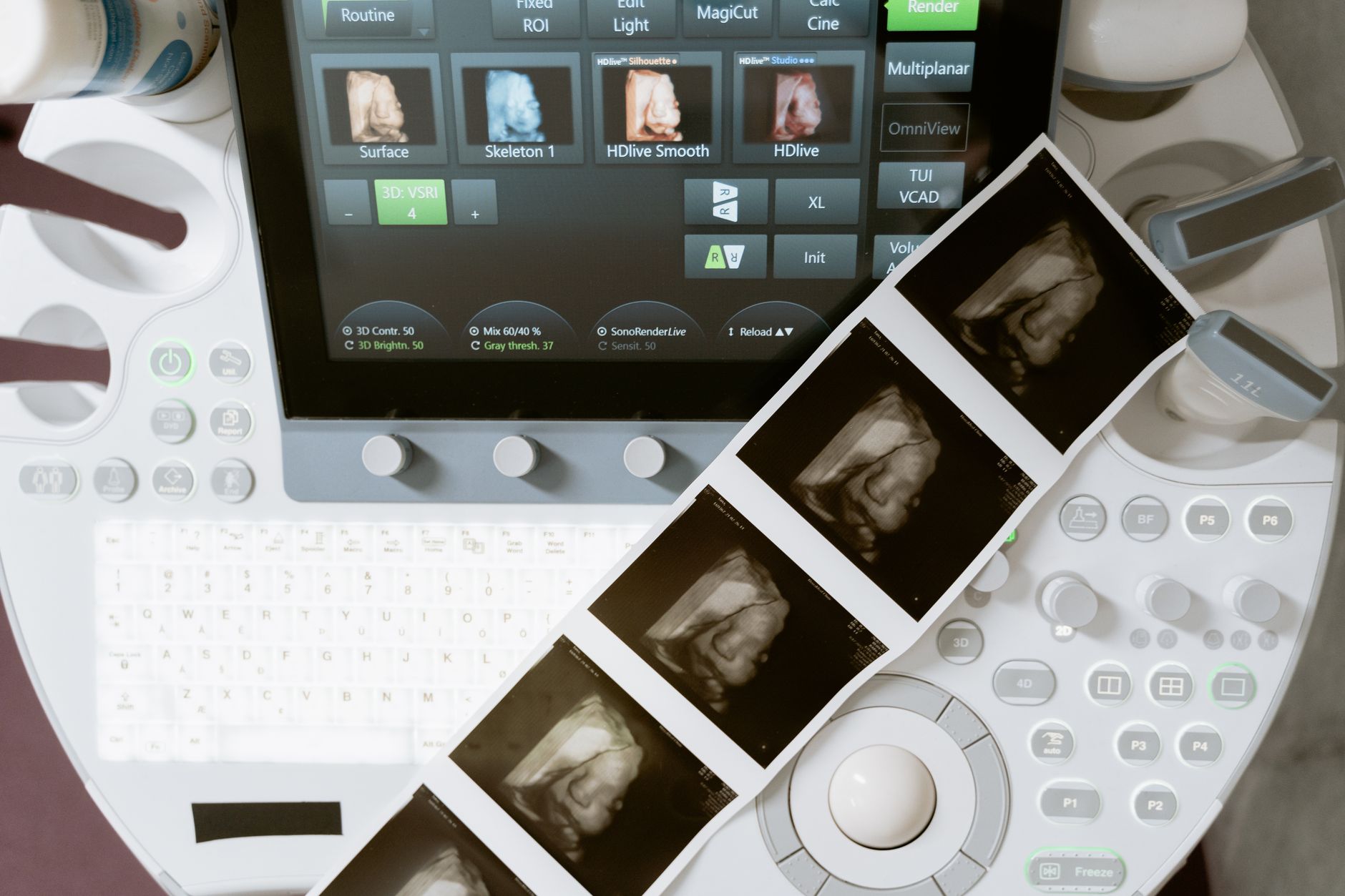
During a 13‑week ultrasound, the sonographer measures the crown‑rump length to estimate size.
What are the signs that the baby is growing properly at 13 weeks?
Beyond the ultrasound numbers, there are several clinical signs that indicate healthy development:
Consistent heartbeat: A fetal heart rate of 150–170 bpm, audible on Doppler, is a reassuring sign.
Fundal height: By week 13, the uterus should be just above the pubic bone, roughly 13 cm from the top of the pubic symphysis to the top of the uterus.
Normal hormone levels: Rising hCG and progesterone, measured via blood tests, support a thriving placenta.
Absence of severe cramping or bleeding: Mild discomfort is normal, but heavy bleeding or intense pain warrants a call.
Maternal well‑being: Stable weight gain (about 0.5–1 kg per week) and good energy levels suggest the placenta is delivering nutrients effectively.
Most women won’t feel movement until weeks 18‑20, but some report a subtle “flutter” as early as week 13. If you notice any sudden loss of fetal heart tones on a home Doppler, contact your provider immediately.
Regular prenatal visits provide objective tracking: the provider will compare your fundal height and symptoms to standard growth curves. Keeping a simple log of your daily symptoms, weight, and any ultrasound results can help you notice patterns and bring specific questions to your appointments.
How does 13‑week baby size differ for first‑time moms versus multiples?
First‑time (singleton) pregnancies typically follow the average size range described earlier. In contrast, twins, triplets, or higher-order multiples tend to be smaller at the same gestational age because the shared uterine space limits growth.
For twins at 13 weeks, the average CRL is about 5.5–6 cm (≈ 2.2–2.4 in) and the weight averages 12–15 g per fetus. This is roughly the size of a small cherry tomato. While the size difference may feel concerning, it’s normal for multiples and usually resolves as they catch up later in pregnancy.
Maternal factors also play a role. Women who have previously been pregnant often experience slightly faster uterine expansion, which can influence fundal height measurements. However, the ultrasound remains the most reliable method for sizing multiples because it directly visualizes each fetus.
Nutrition becomes even more critical for multiples. The American College of Obstetricians and Gynecologists recommends an extra 300 kcal per day for twins, focusing on protein, calcium, and iron to support two growing babies. Adequate prenatal vitamins and regular monitoring help ensure both fetuses stay on a healthy growth trajectory.
What does a 13‑week baby look like?
Visually, a 13‑week fetus resembles a tiny, curled-up bean. The head is large relative to the body, with a distinct facial profile. Tiny eyelids cover the eyes, and the ears are positioned low on the head. The arms and legs are proportionally longer than at earlier stages, and the fingers are fully formed, though they may still be slightly webbed.
Lanugo—fine, soft hair—starts to appear along the scalp and body, giving the skin a faint fuzziness. The skin is still translucent, allowing you to see the faint outline of blood vessels. The umbilical cord is attached near the belly button, and the placenta is already forming the essential connection for oxygen and nutrients.
Many parents describe the ultrasound image as “a tiny bean with a face.” This mental picture helps you connect the small measurements to a recognizable shape, making the abstract numbers feel more personal.
From our medical team: “At 13 weeks, the baby’s growth is measured primarily by crown‑rump length. If your ultrasound falls within the standard range, you can feel confident that development is on track. Keep attending your scheduled appointments, maintain a balanced diet, and discuss any concerns with your provider promptly. Small variations are normal, especially with twins, and most will resolve as the pregnancy progresses.”
Myth vs. fact
Myth: A baby that’s a bit smaller than the average at 13 weeks means something is wrong.
Fact: Size variations of a few millimeters are common and usually harmless. Doctors look at growth trends over several weeks rather than a single measurement.
Myth: You can feel the baby moving at 13 weeks.
Fact: Most people don’t feel fetal movement until weeks 18‑20, though a very sensitive mother might detect a faint flutter.
Myth: All babies grow at the exact same rate.
Fact: Genetics, maternal health, nutrition, and whether you’re carrying multiples all influence growth speed. Individual patterns are normal.
Key takeaways
At 13 weeks, the baby is about 7 cm (2.8 in) long and weighs roughly 23 g—about the size of a lime.
Key milestones include a four‑chambered heart, fully formed fingers and toes, and the first appearance of lanugo.
Ultrasound (crown‑rump length) is the most accurate way to measure size; fundal height offers a quick visual check.
Size variations are normal—first‑time pregnancies, twins, and maternal health can all shift measurements.
Signs of healthy growth include a steady fetal heart rate, appropriate fundal height, and absence of heavy bleeding or severe pain.
Continue regular prenatal visits, stay nourished, and discuss any concerns with your provider.
Frequently asked questions
How big is a baby at 13 weeks?
A 13‑week baby measures about 7 cm (2.8 in) long from crown to rump and weighs roughly 23 g, comparable to a lime.
What does a 13‑week ultrasound show?
The ultrasound primarily displays the crown‑rump length, heart activity (150–170 bpm), and early limb formation, allowing clinicians to confirm gestational age and estimate fetal weight.
Is it normal for a 13‑week fetus to be smaller than average?
Yes—small variations are common. Doctors look for consistent growth over time rather than a single measurement; a slightly smaller size often catches up later.
Can I feel my baby at 13 weeks?
Most people don’t feel movement until weeks 18‑20, though a few may notice a faint flutter. If you feel a strong kick at 13 weeks, it’s worth mentioning to your provider.
What are the developmental milestones at 13 weeks gestation?
The baby’s heart has four chambers, facial features become more defined, limbs are fully formed, and lanugo begins to appear, preparing the body for future growth.
How much does a 13‑week baby weigh?
The average weight is about 23 g (0.8 oz), similar to a grape or a small almond.
When to call your doctor
If you experience any of the following, contact your provider promptly: heavy vaginal bleeding, severe abdominal pain, sudden loss of fetal heart tones on a home Doppler, fever over 38°C (100.4°F), or a significant decrease in fetal movement after you’ve felt it. This article is for informational purposes only and does not replace personalized medical advice.
References
American College of Obstetricians and Gynecologists (ACOG). “Ultrasound in Pregnancy.” Clinical Guidance, 2023.
National Health Service (NHS). “Fetal Development: 13 Weeks.” Patient Information, 2022.
World Health Organization (WHO). “Maternal Nutrition and Fetal Growth.” Technical Report, 2021.
Centers for Disease Control and Prevention (CDC). “Prenatal Care Guidelines.” 2023.
Royal College of Obstetricians and Gynaecologists (RCOG). “Fetal Growth Charts.” 2022.
Mayo Clinic. “First Trimester Ultrasound.” Health Library, 2023.
National Institute for Health and Care Excellence (NICE). “Antenatal Care.” 2022.
Not sure about the label on 13 Weeks Pregnant Baby Size products?
Snap the ingredients list and SafeFilter checks every ingredient for your stage — only 3 free scans this month, then you're locked until reset. Unlimited from $7/mo or $50/yr.
When Shubhra Mishra was expecting her first child in 2016, she was overwhelmed by conflicting food advice — one site said yes, another said never. By the time her second baby arrived in 2019, she realized millions of mothers face the same confusion.
That sparked a five-year journey through clinical nutrition papers, cultural diets, and expert conversations — all leading to BumpBites: a calm, compassionate space where science meets everyday motherhood.
Her long-term vision is to build a global community ensuring safe, supported, and free deliveriesfor every mother — because no woman should face pregnancy alone or uninformed. 🌿
🌍 Stand with mothers, shape safer guidance
Join a small circle of experts who review BumpBites articles so expecting parents everywhere can decide with confidence.