At 12 weeks pregnant, expect reduced nausea, growing baby bumps, and key fetal developments. Learn what changes to anticipate, symptoms, and tips for a healthy pregnancy.
By Shubhra Mishra — a mom of two who turned her own confusion during pregnancy into BumpBites, a global mission to make food choices clear, safe, and stress-free for every expecting mother. 💛
Check whether any food is safe during pregnancy with the BumpBites Food Safety Checker.
Quick take: At 12 weeks pregnant you’re entering the early second trimester. Your baby is about the size of a lime, many common first‑trimester symptoms start to ease, and routine prenatal labs and a dating ultrasound are typically scheduled. Most women can continue light‑to‑moderate exercise, maintain a balanced diet, and expect the uterus to rise just above the pubic bone. If you notice severe abdominal pain, heavy bleeding, or sudden swelling, contact your provider right away.
It’s 2 a.m., you’ve just brushed your teeth and a wave of nausea hits you again. “Is this still normal?” you wonder, scrolling through endless forum posts. You’re 12 weeks into your pregnancy—a milestone that often feels like a bridge between the uncertain first trimester and the more predictable second.
In this guide we’ll walk through exactly what you can expect at 12 weeks: the baby’s size, your body’s changes, the tests coming up, nutrition tips, safe ways to stay active, and the emotional roller‑coaster that many parents describe. We’ll also compare week 12 to week 13, so you’ll know what’s about to shift next.
All of the information below reflects guidance from the American College of Obstetricians and Gynecologists (ACOG), the UK’s National Health Service (NHS), and other reputable bodies. Whenever something feels off, we remind you to talk to your own healthcare provider.
What symptoms can I expect at 12 weeks pregnant?
By the end of the first trimester many women notice a gradual easing of the classic “morning sickness” triad—nausea, vomiting, and heightened sense of smell. However, every pregnancy is unique, and you might still experience occasional queasiness, especially after a rich meal or during moments of fatigue.
Common physical symptoms
Nausea and vomiting: Still present for about 30 % of people at week 12, often milder than in the first 8 weeks. ACOG notes that symptoms typically improve by the start of the second trimester.
Fatigue: Hormonal shifts (especially progesterone) keep you feeling sleepy. By week 12 many report a steadier energy pattern, though it can fluctuate.
Breast tenderness: Hormones cause the ducts to enlarge; soreness may linger until the second trimester.
Frequent urination: The growing uterus puts pressure on the bladder, and increased blood volume means more fluid to filter.
Headaches: Hormonal changes, dehydration, or low blood sugar can trigger them. Staying hydrated often helps.
Constipation: Progesterone slows gut motility; adding fiber and water is key.
Morning‑sickness timeline
Most people see a peak in nausea between weeks 6–9, with a gradual decline after week 10. By week 12, the odds of severe nausea drop to roughly 15 % (CDC). If nausea persists beyond week 14 or interferes with nutrition, discuss anti‑emetic options with your provider.
What’s “normal” versus a red flag
Occasional mild nausea, fatigue, or breast soreness are typical. Seek medical attention if you experience:
Vomiting that prevents you from keeping fluids down for 24 hours.
Severe, persistent abdominal pain.
Bleeding heavier than spotting.
Sudden swelling of the hands, face, or eyes.
Keeping a glass of water and a snack nearby can help manage occasional nausea at 12 weeks.
How big is the baby at 12 weeks gestation and what are the fetal development milestones?
A
t 12 weeks the embryo has officially become a fetus. It measures about 2.1 inches (5.4 cm) from crown to rump and weighs roughly 14 grams—about the size of a lime or a small plum.
Key developmental milestones
Head and brain: The brain’s cerebral cortex begins to form, and facial features become more distinct. The eyes are set facing forward, though eyelids remain fused.
Heart: The heart beats at a steady 150–170 bpm, circulating blood through a fully formed four‑chamber system.
Limbs: Fingers and toes are now separate; fingernails and toenails start to develop.
Digestive system: The liver begins producing bile, and the intestines start to lengthen.
Genitals: External genitalia start to differentiate, though you won’t be able to tell the sex via ultrasound until later.
Comparing week 12 to week 13
Feature
Week 12
Week 13
Length (crown‑rump)
≈ 2.1 in (5.4 cm)
≈ 2.4 in (6.1 cm)
Weight
≈ 14 g
≈ 20 g
Heart rate
150–170 bpm
150–170 bpm
Key development
Fingers separated, eyelids fused
Eyebrows appear, vocal cords forming
The transition from week 12 to week 13 is subtle but marks the start of more rapid growth. By week 13 the fetus is about the size of a pea and begins to make spontaneous movements, although you likely won’t feel them yet.
What changes happen to my uterus at 12 weeks pregnant?
During the first trimester the uterus expands dramatically, moving from a small, pelvic organ to a more prominent structure just above the pubic bone.
Uterine growth milestones
Fundal height: Around week 12 the uterine fundus rises just above the pubic symphysis. By week 16 it can be felt at the level of the belly button.
Ligament stretch: The round ligaments stretch to accommodate the growing uterus, often causing a sharp “popping” sensation on either side of the lower abdomen.
Blood flow: Uterine arteries increase blood flow by up to 50 % to support the placenta.
Physical sensations you might notice
Some people describe a feeling of fullness or mild pressure in the lower abdomen, a slight pulling sensation in the groin, or a subtle “bloating” as the uterus pushes against the intestines. These sensations are normal, but sudden, severe pain should be evaluated promptly.
Can I exercise safely at 12 weeks pregnant?
Yes—moderate activity is encouraged for most people at 12 weeks, unless your provider has advised otherwise due to specific medical conditions.
Recommended activities
Walking: Gentle cardio that keeps you moving without impact.
Swimming or water aerobics: The buoyancy reduces joint stress while providing a full‑body workout.
Prenatal yoga: Focuses on flexibility, breathing, and relaxation.
Low‑impact strength training: Light dumbbells or resistance bands, avoiding heavy lifting.
What to avoid
Steer clear of contact sports, high‑impact aerobics, or activities that require lying flat on your back after the 20‑week mark (the supine position can compress the vena cava). Also, avoid overheating—stop if you feel dizzy or excessively sweaty.
Sample weekly routine
Monday: 30‑minute brisk walk.
Wednesday: 45‑minute prenatal yoga.
Friday: 20‑minute light strength circuit (2 sets of 12 reps).
Sunday: 30‑minute swimming.
Listen to your body. If you feel fatigue, shortness of breath, or abdominal pain, pause and consult your provider.
What prenatal tests and ultrasounds are done at 12 weeks?
Week 12 is a checkpoint for several routine screenings that help map the health of both you and your baby.
Blood work and labs
Complete blood count (CBC): Checks for anemia and infection.
Blood type and Rh factor: Determines if you need Rh immunoglobulin (Rh‑D immune globulin) later in pregnancy.
Infectious disease screening: Tests for HIV, hepatitis B, syphilis, and sometimes rubella immunity.
First‑trimester genetic screening: Combined with nuchal translucency ultrasound, it estimates the risk for trisomy 21 (Down syndrome) and trisomy 18.
12‑week ultrasound (dating scan)
The dating ultrasound, often performed between weeks 11–14, confirms gestational age, checks heart activity, and looks for multiple pregnancies. It also provides a first glimpse of the baby’s anatomy—head shape, spine, and limbs.
What to expect during the scan
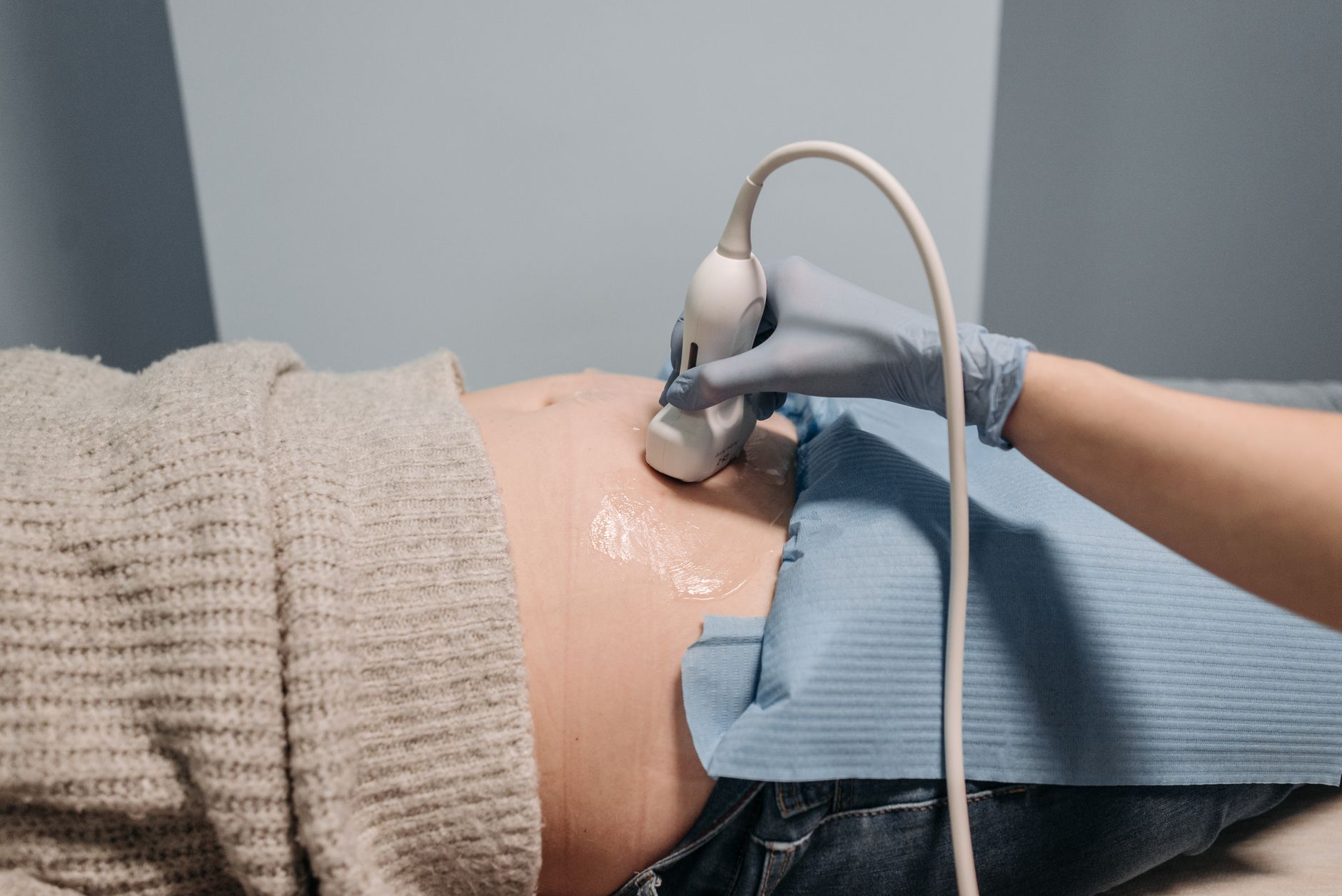
The sonographer will place a cool gel on your abdomen and glide a transducer over your belly. You’ll likely see a tiny flickering heart and a “crown‑rump” measurement. The technician may ask you to hold your breath briefly to get a clearer image.
Additional optional tests
Some providers offer a cell‑free fetal DNA (cfDNA) blood test after week 10 for higher‑resolution genetic screening. This is optional and usually discussed if the combined test indicates an elevated risk.
During the 12‑week dating scan, you’ll see the tiny heartbeat that confirms your baby’s growth.
What foods should I avoid at 12 weeks pregnant and how should I manage nutrition?
Nutrition remains a cornerstone of healthy fetal development. While many cravings feel harmless, there are specific foods and substances you should steer clear of.
Foods and drinks to limit or avoid
Unpasteurized dairy: Risks Listeria infection—opt for pasteurized milk, cheese, and yogurt.
High‑mercury fish: Avoid shark, swordfish, king mackerel, and tilefish. Choose low‑mercury options like salmon, sardines, and canned light tuna (max 2 servings per week).
Deli meats and hot dogs: If eaten, ensure they’re heated to steaming hot to kill potential bacteria.
Raw or undercooked eggs: Prevent salmonella; choose fully cooked eggs or pasteurized egg products.
Alcohol: No safe level has been established—abstinence is recommended by ACOG and NHS.
Caffeine: Limit to ≤200 mg per day (about one 12‑oz cup of coffee). Excess caffeine can raise miscarriage risk.
Key nutrients for week 12
Focus on folic acid (already supplemented), iron, calcium, omega‑3 fatty acids, and vitamin D. A balanced plate of lean protein, whole grains, colorful vegetables, and dairy (or fortified alternatives) typically covers these needs.
Sample meal plan
Breakfast: Whole‑grain toast with avocado, a boiled egg, and a glass of fortified orange juice.
Snack: Greek yogurt topped with fresh berries and a sprinkle of chia seeds.
Lunch: Grilled salmon salad with mixed greens, cherry tomatoes, cucumber, and a drizzle of olive oil.
Snack: Apple slices with almond butter.
Dinner: Lentil stew with carrots, spinach, and a side of quinoa.
Staying hydrated—aim for at least 8‑10 cups of water daily—helps with constipation and reduces fatigue.
When will I feel the baby move at 12 weeks?
Most people do not feel fetal movements until weeks 18–22, when the baby’s muscles are strong enough to produce a sensation you can perceive. However, some women report a “flutter” as early as week 12, especially if they’re very attuned to bodily changes.
Early movement signs
Quickening: The first conscious perception of fetal motion, often described as a gentle bubble or butterfly feeling.
Hiccups: Tiny rhythmic motions that may feel like brief twitches.
Maternal awareness: You might notice a subtle shift when lying on your left side.
What to do if you think you felt movement
Keep a short diary of the date, time, and description of the sensation. This can help your provider confirm normal development during later visits.
What are the 12‑week pregnancy weight‑gain expectations, sexual activity guidelines, emotional changes, and how does week 12 differ from week 13?
Weight‑gain expectations
In the first trimester (up to week 12) most guidelines recommend a modest gain of 0.5–2 lb (≈ 0.2–0.9 kg). This reflects the baby’s size, placenta, increased blood volume, and fluid retention. Excessive gain early on can increase the risk of gestational diabetes later, so aim for gradual, steady increases.
Sexual activity guidelines
For uncomplicated pregnancies, sex is generally safe through week 12. ACOG advises using comfortable positions that avoid abdominal pressure. If you have a history of miscarriage, cervical insufficiency, or placenta previa, discuss any concerns with your provider.
Emotional changes
Hormonal surges—especially estrogen and progesterone—can trigger mood swings, heightened emotions, or even mild anxiety. Many people feel a mix of excitement and “pregnancy brain” fog. If feelings of sadness or hopelessness linger beyond a few weeks, consider speaking with a mental‑health professional; perinatal depression can begin early.
Week 12 vs. week 13: what shifts?
Physical growth: The fetus adds roughly 6 grams and 0.3 inches in length.
Symptoms: Nausea often continues to wane, while energy levels may rise.
Uterus: The fundus moves slightly higher, becoming palpable just above the pubic bone.
Movement: By week 13, spontaneous fetal movements become more frequent, though still usually not felt.
Understanding these subtle changes can help you feel more in control as you transition into the second trimester.
From our medical team: “At 12 weeks you’ve passed the most vulnerable phase of early pregnancy. Most routine labs and the dating ultrasound are designed to reassure you that the baby’s growth is on track. Continue with balanced nutrition, stay active in ways that feel good, and keep an eye on any new or worsening symptoms. If anything feels out of the ordinary—especially bleeding, severe pain, or sudden swelling—call your provider promptly.”
Myth vs. fact
Myth: You must feel the baby move by week 12.
Fact: Most people first notice fetal movements between weeks 18 and 22; a few may sense a flutter as early as week 12, but it’s not the norm.
Myth: All foods are safe as long as you’re eating “healthy.”
Fact: Certain foods—like unpasteurized dairy, high‑mercury fish, and deli meats—pose infection or toxin risks even if they’re otherwise nutritious.
Myth: You should stop exercising once you’re pregnant.
Fact: Moderate, low‑impact exercise is encouraged for most pregnant people throughout the first and second trimesters, unless a medical condition advises otherwise.
Key takeaways
At 12 weeks the baby is about the size of a lime and weighs roughly 14 g.
Common symptoms—nausea, fatigue, breast tenderness—usually begin to improve.
Routine labs, blood type testing, and a dating ultrasound are typically scheduled now.
Avoid unpasteurized dairy, high‑mercury fish, raw eggs, and alcohol.
Expect a modest weight gain of 0.5–2 lb in the first trimester and watch for any sudden pain or bleeding.
Frequently asked questions
How many weeks is 12 weeks pregnant?
“12 weeks pregnant” means you are at the end of the first trimester, roughly 84 days since the first day of your last menstrual period.
What does a 12‑week ultrasound show?
The 12‑week dating ultrasound confirms gestational age, checks for a steady heartbeat, and provides the first view of the baby’s anatomy, including head, spine, and limbs.
When will I feel my baby move for the first time?
Most people feel the first noticeable movements (quickening) between weeks 18 and 22, though a few may sense a faint flutter as early as week 12.
Is it safe to have sex at 12 weeks pregnant?
For uncomplicated pregnancies, sex is generally safe at 12 weeks. Use positions that avoid abdominal pressure and discuss any concerns with your provider.
Can I travel during the 12th week of pregnancy?
Travel is usually fine at 12 weeks, but stay hydrated, move regularly on long flights, and carry prenatal records. If you have a high‑risk pregnancy, check with your provider before planning trips.
What are the common symptoms at 12 weeks pregnant?
Typical symptoms include milder nausea, fatigue, breast tenderness, frequent urination, mild constipation, and occasional headaches.
When to call your doctor
If you experience any of the following, contact your healthcare provider right away: heavy vaginal bleeding, severe abdominal pain, sudden swelling of hands or face, fever over 100.4 °F (38 °C), loss of fetal movement after week 20, or any symptom that feels dramatically different from your usual pregnancy experience. This article is for informational purposes only and does not replace personalized medical advice.
References
American College of Obstetricians and Gynecologists (ACOG). “First‑Trimester Ultrasound Guidance.” 2023.
National Health Service (NHS). “Pregnancy symptoms and signs.” Updated 2022.
Centers for Disease Control and Prevention (CDC). “Pregnancy Nutrition.” 2023.
World Health Organization (WHO). “Guidelines on Antenatal Care for a Positive Pregnancy Experience.” 2022.
Food and Drug Administration (FDA). “Guidance for Industry: Food Safety for Pregnant Women.” 2021.
Royal College of Obstetricians and Gynaecologists (RCOG). “Maternal Weight Gain.” 2022.
Mayo Clinic. “Exercise during pregnancy.” 2023.
National Institute for Health and Care Excellence (NICE). “Antenatal care for uncomplicated pregnancies.” 2022.
Not sure about the label on 12 Weeks Pregnant What To Expect products?
Snap the ingredients list and SafeFilter checks every ingredient for your stage — only 3 free scans this month, then you're locked until reset. Unlimited from $7/mo or $50/yr.
When Shubhra Mishra was expecting her first child in 2016, she was overwhelmed by conflicting food advice — one site said yes, another said never. By the time her second baby arrived in 2019, she realized millions of mothers face the same confusion.
That sparked a five-year journey through clinical nutrition papers, cultural diets, and expert conversations — all leading to BumpBites: a calm, compassionate space where science meets everyday motherhood.
Her long-term vision is to build a global community ensuring safe, supported, and free deliveriesfor every mother — because no woman should face pregnancy alone or uninformed. 🌿
🌍 Stand with mothers, shape safer guidance
Join a small circle of experts who review BumpBites articles so expecting parents everywhere can decide with confidence.