At 12 weeks pregnant, you’ll notice a growing belly, increased energy, and subtle changes in breasts and skin. Discover the common symptoms and what’s normal for the end of the first trimester.
By Shubhra Mishra — a mom of two who turned her own confusion during pregnancy into BumpBites, a global mission to make food choices clear, safe, and stress-free for every expecting mother. 💛
Check whether any food is safe during pregnancy with the BumpBites Food Safety Checker.
Quick take: At 12 weeks pregnant you’re entering the end of the first trimester, so many “early‑pregnancy” symptoms—like nausea, fatigue, and occasional cramping—are still normal, while new milestones appear, such as clearer fetal features and the chance to hear a heartbeat on ultrasound. Most women gain about 1–2 kg (2–4 lb) by this point, can stay active with moderate exercise, and should start a regular prenatal‑care schedule. If you notice heavy bleeding, severe pain, or a sudden loss of fetal movement, contact your provider right away.
It’s 2 a.m., you’re curled up on the couch, and the familiar wave of nausea has returned for the third night in a row. You glance at the calendar—yes, you’re officially 12 weeks pregnant. “Is this still normal?” you wonder, and a quick search leads you here. You’re not alone; the transition from the early‑month haze to the more settled second trimester can feel both reassuring and confusing.
In this guide we’ll walk through the most common 12‑week symptoms, what your baby is doing, how much weight you should have gained, what you can safely eat and exercise, and what to expect at your next prenatal visit. We’ll also flag the warning signs that merit a call to your doctor, and give you practical tips you can try tonight.
By the end you’ll have a clear picture of what’s typical at 12 weeks, how to manage the discomforts that linger, and a roadmap for the weeks ahead.
What are the common symptoms at 12 weeks pregnant?
By the end of the first trimester, many of the classic pregnancy symptoms start to ease, but a handful often persist. Below is a snapshot of what many expectant mothers report at the 12‑week mark.
Nausea and vomiting (morning sickness): Still common, though it usually peaks around weeks 8‑10 and begins to decline.
Fatigue: Hormonal shifts and the body’s increased blood volume keep you feeling tired.
Breast tenderness: Still sensitive as the ducts continue to develop.
Back pain: The growing uterus changes posture and puts pressure on the lower back.
Constipation: Progesterone relaxes smooth muscle, slowing gut motility.
Period‑like cramps: Light, intermittent uterine cramping can feel like a “period” but is usually harmless.
Increased urination: The uterus presses on the bladder and blood flow to the kidneys rises.
Emotional ups and downs: Fluctuating hormones affect mood and may cause sudden tears or laughter.
12 weeks pregnant symptoms vs 10 weeks
At 10 weeks, nausea and breast tenderness are often at their peak, and many women still feel a “bloating” sensation. By week 12, the uterus has risen above the pelvis, which can lessen the pressure on the bladder but increase lower‑back strain. The good news is that the intensity of morning sickness typically starts to wane, and the “pregnancy glow” becomes more noticeable as blood flow to the skin improves.
Early signs of miscarriage at 12 weeks
While most miscarriages happen before 12 weeks, it’s still important to know the red flags. Seek urgent care if you experience:
Heavy bleeding (soaking more than one pad per hour)
Severe cramping that feels like strong menstrual pains
Sudden loss of fetal movement (though most babies aren’t felt until later)
Foul‑smelling discharge
Minor spotting or light cramping is often benign, but always discuss it with your provider.
Period‑like cramps at 12 weeks
Light, intermittent cramping can be caused by the uterus stretching and the round ligaments beginning to support the growing organ. If the cramps are brief, mild, and not accompanied by heavy bleeding, they’re usually normal. Gentle stretching, warm showers, and a supportive belly band can ease the discomfort.
Feeling fatigued at 12 weeks
Fatigue at this stage often stems from increased progesterone, which has a calming, sleep‑inducing effect, and from the body working overtime to build blood cells and placenta. Prioritising short naps, staying hydrated, and eating balanced snacks with protein can help sustain energy.
Take a moment for a warm drink and a short read—small self‑care rituals can curb fatigue.
How much weight should I gain by 12 weeks pregnant?
Weight‑gain recommendations are based on pre‑pregnancy BMI. The Institute of Medicine (IOM) and the American College of Obstetricians and Gynecologists (ACOG) suggest the following total gain by the end of the first trimester (around 12 weeks):
Pre‑pregnancy BMI
Recommended total gain by 12 weeks
Underweight (BMI < 18.5)
≈ 2–4 kg (4.5–9 lb)
Normal weight (BMI 18.5–24.9)
≈ 1–2 kg (2–4 lb)
Overweight (BMI 25–29.9)
≈ 0.5–1.5 kg (1–3 lb)
Obese (BMI ≥ 30)
≈ 0.5–1 kg (1–2 lb)
These numbers are averages; individual trajectories vary. Gaining weight too quickly can increase the risk of gestational diabetes, while gaining too little may affect fetal growth. Aim for a steady gain of about 0.5 kg (1 lb) per week after the first trimester.
Tips for healthy weight gain
Eat a nutrient‑dense breakfast (e.g., oatmeal with berries and nuts).
Include a source of protein at every meal—lean meats, beans, tofu, or dairy.
Snack on fiber‑rich foods like fruit, raw vegetables, or whole‑grain crackers to support digestion.
Stay active with moderate exercise (see next section) to build lean muscle and regulate appetite.
Is morning sickness still normal at 12 weeks?
Yes, it can be. While most women see a decline in nausea after week 10, about 20 % still experience morning sickness into the second trimester. The exact cause isn’t fully understood, but hormonal peaks—especially human chorionic gonadotropin (hCG) and estrogen—play a role.
Why am I still experiencing morning sickness at 12 weeks?
Factors that prolong nausea include:
High hCG levels (often higher in twin pregnancies).
Sensitivity to certain smells or foods.
Stress or lack of sleep.
Gastro‑intestinal reflux, which can be exacerbated by a growing uterus.
Managing persistent nausea
Try these evidence‑based strategies:
Eat small, frequent meals: Keep blood sugar stable by choosing protein‑rich snacks every 2–3 hours.
Stay hydrated: Sip water, ginger tea, or electrolyte drinks throughout the day.
Ginger: ½ – 1 teaspoon of fresh ginger or ginger‑candies can reduce nausea for many women (per the NHS).
Vitamin B6: 10–25 mg three times daily is safe and may help (per ACOG).
Avoid triggers: Identify and steer clear of foods or scents that worsen symptoms.
If nausea is severe (vomiting more than 3 times a day) or leads to weight loss, discuss prescription options such as doxylamine‑pyridoxine with your provider.
Can I feel my baby move at 12 weeks pregnant?
Most babies are not yet large enough to generate a sensation that a mother can feel. By week 12, the embryo is about 5 cm long (roughly the size of a raspberry) and has begun to make spontaneous movements, but these are usually too subtle to be detected.
When do movements become noticeable?
First‑trimester fetal movements are called “quickening.” In most cases, quickening occurs between weeks 16 and 22, though some women report feeling a flutter as early as week 13. Factors influencing perception include maternal body habitus, uterine position, and previous pregnancy experience.
What to expect in the coming weeks
As the fetus grows, you’ll notice a gentle “bubbling” sensation. By the third trimester, these movements become distinct kicks and rolls. Keeping a daily movement diary after week 24 can help you monitor fetal health and discuss any concerns with your provider.
What does a 12 week ultrasound show?
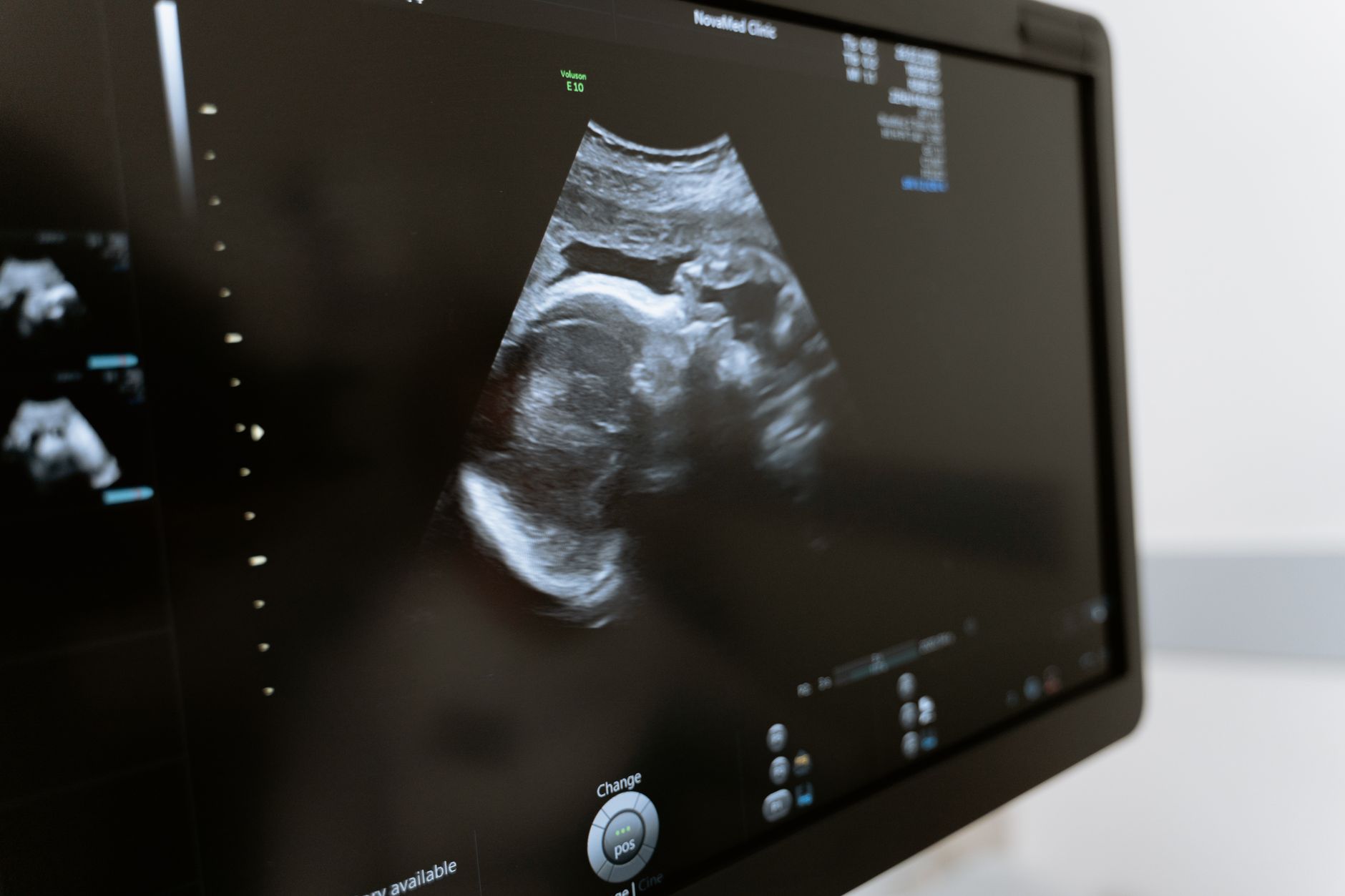
The 12‑week ultrasound, often called the “nuchal translucency scan,” is a key milestone. It confirms dating, checks for early structural anomalies, and can be the first chance to see the baby’s heartbeat.
Key things the scan assesses
Gestational age: Precise measurement of crown‑rump length (CRL) helps fine‑tune your due date.
Heart activity: A heartbeat is usually visible at 6‑7 weeks and should be strong by 12 weeks.
Nuchal translucency: Thickness of the fluid at the back of the neck can indicate risk for chromosomal conditions (e.g., Down syndrome). This measurement, combined with a blood test, informs further screening.
Basic anatomy: The scan can reveal the presence of a yolk sac, limb buds, and sometimes facial features.
Multiple gestation: If you’re carrying twins or higher-order multiples, the scan will often detect them.
What the 12‑week ultrasound does NOT show
Detailed organ development (brain, heart chambers, kidneys) isn’t fully assessable until the anatomy scan at 18‑22 weeks. Likewise, gender determination is possible but not guaranteed; many providers wait for the later scan for a clearer view.
During the 12‑week scan you’ll see the first glimpse of your baby’s heartbeat.
Should I avoid exercise at 12 weeks pregnant?
The short answer: No, you don’t need to stop exercising. In fact, moderate activity supports cardiovascular health, mood, and can reduce common discomforts like back pain and constipation.
Exercise guidelines for the 12th week
ACOG recommends at least 150 minutes of moderate‑intensity aerobic activity per week, plus strength training twice weekly. Safe options include:
Walking briskly (30 minutes, 5 days a week).
Swimming or water aerobics—buoyancy eases joint stress.
Prenatal yoga or gentle pilates for flexibility and core strength.
Stationary cycling with low resistance.
When to modify or pause activity
Listen to your body. Stop or reduce intensity if you experience:
Sudden shortness of breath beyond normal exertion.
Dizziness or feeling faint.
Upper‑abdominal pain or vaginal bleeding.
Any signs of preterm labor (regular contractions).
How to relieve back pain at 12 weeks
Strengthening the core and maintaining good posture are key. Try these simple moves:
Pelvic tilts: On hands and knees, gently arch and flatten the back, 10 repetitions.
Cat‑cow stretch: Flow between arching and rounding the spine to mobilise the lower back.
Pregnancy‑support belt: A snug belly band can offload pressure from the lumbar spine.
When do prenatal appointments start at 12 weeks?
Most providers schedule the first visit around 8‑10 weeks, followed by a comprehensive check‑in at 12 weeks. This visit typically includes a physical exam, blood work, and the 12‑week ultrasound.
What to expect during the 12‑week prenatal visit
Vitals and weight check: Your provider will track blood pressure, weight gain, and heart rate.
Blood tests: Screening for anemia, blood type, rubella immunity, and possibly a first‑trimester combined test for chromosomal anomalies.
Urine analysis: Checks for protein, glucose, and infection.
Discussion of symptoms: Bring a list of any cramps, nausea, or changes you’ve noticed.
Ultrasound: As described above, confirming dates and early anatomy.
After the 12‑week visit, most clinicians schedule the next appointment at 16‑20 weeks, unless a specific concern warrants an earlier follow‑up.
How to manage constipation at 12 weeks pregnant?
Constipation affects up to 40 % of pregnant people, largely because progesterone slows intestinal motility. The good news is that dietary tweaks, hydration, and gentle activity can make a big difference.
Diet recommendations for the 12‑week stage
Focus on fiber‑rich foods and fluids:
Whole grains: oatmeal, whole‑wheat toast, quinoa.
Fruits: berries, pears, prunes, and figs (prunes are a classic natural laxative).
Fluids: Aim for 2–3 liters of water daily; warm liquids in the morning can stimulate bowel movements.
Additional tips to ease constipation
Move daily: Even a 15‑minute walk after meals can encourage peristalsis.
Stay upright after eating: Sitting up helps gravity move food through the gut.
Consider a stool softener: A physician‑approved product like docusate sodium is safe in pregnancy.
Limit low‑fiber foods: Cut back on processed snacks, white bread, and excessive dairy.
If constipation persists despite these measures, or if you notice blood in your stool, reach out to your provider for further evaluation.
From our medical team: “At 12 weeks you’re still in the early adaptation phase. Most symptoms you’re feeling are hormonally driven and will gradually improve. Keep a symptom diary, stay hydrated, eat fiber‑rich meals, and maintain moderate activity. If anything feels out of the ordinary—especially heavy bleeding, severe pain, or a sudden loss of fetal movement—call your care team right away.”
Myth vs. fact
Myth: You should stop all exercise after you find out you’re pregnant.
Fact: Moderate, low‑impact exercise is safe and beneficial for most pregnancies, including at 12 weeks, unless your provider advises otherwise.
Myth: Feeling your baby move at 12 weeks means everything is perfect.
Fact: Most women cannot feel fetal movements until the second trimester; lack of sensation at 12 weeks is normal.
Myth: All morning sickness stops by week 10.
Fact: Up to one‑fifth of pregnant people still experience nausea into the second trimester.
Key takeaways
Common 12‑week symptoms include lingering nausea, fatigue, mild cramping, and back pain.
Most women gain 1–2 kg (2–4 lb) by this point; aim for steady, gradual weight gain thereafter.
Morning sickness can continue; try ginger, vitamin B6, and small frequent meals.
The 12‑week ultrasound confirms dating, checks the heartbeat, and measures nuchal translucency.
Moderate exercise (walking, swimming, prenatal yoga) is safe and helps reduce discomfort.
Combat constipation with fiber‑rich foods, plenty of water, and gentle movement.
Red‑flag symptoms—heavy bleeding, severe pain, sudden loss of movement—require immediate medical attention.
Frequently asked questions
What symptoms are normal at 12 weeks of pregnancy?
Typical symptoms include lingering nausea, fatigue, breast tenderness, mild lower‑back pain, increased urination, and occasional period‑like cramping. Most of these improve by the second trimester.
Can I feel my baby move at 12 weeks?
Most babies are too small to be felt at 12 weeks; quickening usually begins between weeks 16 and 22, though some women report a faint flutter as early as week 13.
Is it safe to exercise during the 12th week of pregnancy?
Yes—ACOG advises at least 150 minutes of moderate aerobic activity per week, plus strength training twice weekly, provided you avoid activities with a high risk of falling or abdominal trauma.
Why am I still experiencing morning sickness at 12 weeks?
Hormonal peaks, especially hCG and estrogen, can keep nausea active past week 10. Staying hydrated, using ginger, and eating small frequent meals often help.
How much weight should I have gained by 12 weeks?
Depending on your pre‑pregnancy BMI, most women gain 0.5–2 kg (1–4 lb) by the end of the first trimester. Your provider will tailor a plan to your individual needs.
What does the 12‑week ultrasound check for?
The scan confirms gestational age, visualises the heartbeat, measures nuchal translucency for chromosomal screening, and can detect multiple gestations or major structural concerns.
When to call your doctor
If you notice any of the following, seek medical care promptly:
Heavy vaginal bleeding (soaking a pad in an hour).
Severe abdominal or pelvic pain that doesn’t ease with rest.
Fever ≥ 38°C (100.4°F) without an obvious cause.
Sudden loss of fetal movement after you’ve felt kicks (rare at 12 weeks).
Persistent vomiting that leads to dehydration or weight loss.
This article is for informational purposes only and does not replace personalized medical advice. Always discuss symptoms and concerns with your obstetric provider.
References
American College of Obstetricians and Gynecologists (ACOG). “Nutrition During Pregnancy.” 2023 clinical guidance.
National Institute for Health and Care Excellence (NICE). “Weight Gain in Pregnancy.” Updated 2022.
United States Centers for Disease Control and Prevention (CDC). “Pregnancy Weight Gain Guidelines.” 2022.
National Health Service (NHS). “Nausea and Vomiting in Pregnancy.” 2023.
American Academy of Pediatrics (AAP). “Physical Activity Guidelines for Pregnant Women.” 2023.
World Health Organization (WHO). “Recommendations on Antenatal Care for a Positive Pregnancy Experience.” 2021.
Royal College of Obstetricians and Gynaecologists (RCOG). “First Trimester Screening.” 2022.
Food and Drug Administration (FDA). “Guidance for Industry: Food Safety and Pregnancy.” 2023.
Mayo Clinic. “Constipation during Pregnancy.” Updated 2024.
Society of Maternal-Fetal Medicine (SMFM). “Ultrasound Use in Early Pregnancy.” 2022.
Not sure about the label on 12 Weeks Pregnant Symptoms products?
Snap the ingredients list and SafeFilter checks every ingredient for your stage — only 3 free scans this month, then you're locked until reset. Unlimited from $7/mo or $50/yr.
When Shubhra Mishra was expecting her first child in 2016, she was overwhelmed by conflicting food advice — one site said yes, another said never. By the time her second baby arrived in 2019, she realized millions of mothers face the same confusion.
That sparked a five-year journey through clinical nutrition papers, cultural diets, and expert conversations — all leading to BumpBites: a calm, compassionate space where science meets everyday motherhood.
Her long-term vision is to build a global community ensuring safe, supported, and free deliveriesfor every mother — because no woman should face pregnancy alone or uninformed. 🌿
🌍 Stand with mothers, shape safer guidance
Join a small circle of experts who review BumpBites articles so expecting parents everywhere can decide with confidence.