Pregnancy cravings usually begin around the 6th week, but timing varies. Learn the typical timeline, why cravings happen, and what to expect during each trimester in this detailed guide.
By Shubhra Mishra — a mom of two who turned her own confusion during pregnancy into BumpBites, a global mission to make food choices clear, safe, and stress-free for every expecting mother. 💛
Check whether any food is safe during pregnancy with the BumpBites Food Safety Checker.
Quick take: Cravings often begin around weeks 5‑8, peak in the second trimester, and can linger into the third. They’re driven by hormonal shifts, changing nutrient needs, and emotional factors—not a reliable clue about your baby’s sex. Satisfy them with balanced snacks, stay mindful of excess sugar, and talk to your provider if cravings feel extreme or are paired with concerning symptoms.
It’s 2 a.m., you’re half‑asleep, and a sudden urge for ice‑cream or pickles pulls you out of bed. You’ve heard the term “pregnancy cravings” a hundred times, but you’re not sure when they’re supposed to start, why they happen, or whether they’re saying anything about your baby’s gender. You’re not alone—most expecting parents wonder the same thing, especially in those early weeks when the body feels like a mystery.
In this guide we’ll walk through the timeline of cravings, the biology behind them, the most common (and weirdest) foods that show up, and practical ways to keep your cravings nutritious without feeling deprived. We’ll also address the myths that link cravings to gender, nutrient deficiencies, and emotional health, so you can feel confident about what’s normal and when a red flag might need a doctor’s attention.
Whether you’re just discovering you’re pregnant or you’re midway through your third trimester, the answers below are grounded in current guidance from ACOG, the NHS, and the World Health Organization. Let’s demystify the cravings timeline and give you tools to enjoy the journey safely.
When do pregnancy cravings start in the first trimester?
Most women report that cravings surface between weeks 5 and 8 of pregnancy, often before a pregnancy test even confirms the gestation. This early window aligns with the surge of human chorionic gonadotropin (hCG) and rising estrogen, hormones that kick‑start both the placenta and the appetite‑regulating centers in the brain.
Because the hormonal changes are rapid, some people notice a sudden desire for a specific food as soon as they feel “different”—like the first morning sickness episode or a sudden shift in taste. In a recent survey of 1,200 pregnant people in the United States, 68 % reported cravings emerging before they knew they were pregnant, usually in the first few weeks after a missed period.
These early cravings can be subtle, such as a sudden hankering for citrus, or more pronounced, like a need for salty crackers. The key is that they often appear alongside other first‑trimester symptoms—fatigue, breast tenderness, and mood swings—making it easy to attribute them to “just being pregnant.”
While there’s no universal rule, if you notice cravings before you’ve taken a pregnancy test, they’re likely part of the body’s early hormonal preparation for supporting a developing embryo. If the cravings are accompanied by severe nausea, vomiting, or weight loss, it’s worth discussing with your provider, as this could signal hyperemesis gravidarum.
Early cravings may appear before a positive test, often as a sudden desire for tangy foods.
Beyond hormones, early cravings may also be linked to the body’s attempt to secure electrolytes lost through morning sickness. Sodium‑rich foods like pretzels or pickles can help retain fluid and ease low‑blood‑pressure feelings that sometimes accompany the first weeks of pregnancy. Keeping a small stash of these foods on hand can make those early days more comfortable without overindulging.
What are the most common pregnancy cravings by trimester?
Cravings evolve as pregnancy progresses, reflecting the shifting hormonal landscape and the body’s changing nutritional priorities. Below is a trimester‑by‑trimester snapshot of the foods most frequently reported, along with possible reasons they appear.
Trimester
Top cravings
Potential drivers
First (0‑13 weeks)
citrus, salty crackers, pickles, mild cheeses
hCG surge, heightened sense of taste, early nausea, need for electrolytes
Second (14‑27 weeks)
sweet fruit, dairy, protein bars, spicy foods
rise in progesterone, increased energy demand, iron & calcium needs
Third (28‑40 weeks)
starchy carbs, creamy sauces, fruit juices, sour candies
growth of uterus compresses stomach, need for quick energy, comfort foods
During the **first trimester**, the body often seeks salty or sour flavors, possibly because sodium helps retain fluid and balance the sudden rise in blood volume. The craving for pickles or olives is a classic example.
In the **second trimester**, many report a swing toward sweet and protein‑rich foods. This aligns with the rapid fetal growth phase, where the placenta needs more iron, calcium, and protein to build bones, teeth, and blood cells. Dairy and fortified yogurts are common picks because they supply calcium and vitamin D.
The **third trimester** brings a shift toward comfort and easy‑digestible foods. Starchy potatoes, rice, and creamy sauces provide quick calories, while the desire for sour candies may help alleviate heartburn by stimulating saliva production.
It’s important to note that while patterns exist, each pregnancy is unique. Some people may experience cravings for the same food across multiple trimesters, while others might have a single, fleeting desire. Listening to your body, while also keeping an eye on nutritional balance, is the best way to ride the craving wave.
How long do pregnancy cravings last during pregnancy?
Cravings are typically **transient**, lasting anywhere from a few days to several weeks. The average duration reported in longitudinal studies is about **four to six weeks**, with a peak intensity in the second trimester. However, a minority of people experience cravings that persist throughout the entire pregnancy.
Several factors influence how long cravings stick around:
Hormone levels: As estrogen and progesterone plateau after the second trimester, the intensity of cravings often diminishes.
Nutrient stores: If your diet supplies the nutrients your body signals it needs, cravings may wane more quickly.
Emotional context: Stress, anxiety, or excitement can prolong cravings, especially if the food offers a comforting association.
Most healthcare providers, including the American College of Obstetricians and Gynecologists (ACOG), advise monitoring cravings for changes in pattern. If a craving becomes **persistent, intense, and coupled with weight gain or loss outside recommended ranges**, it may signal an underlying issue such as gestational diabetes or an eating‑disorder risk, and you should discuss it with your provider.
Research also suggests that cravings tend to taper off as the baby’s growth slows in the final weeks of pregnancy. By the time labor begins, many people report that their strongest cravings have already faded, though occasional “late‑stage” desires for comfort foods can still surface.
Why do pregnancy cravings happen at night?
Nighttime cravings are a common complaint, especially in the second trimester. The body’s internal clock, or circadian rhythm, interacts with pregnancy hormones in several ways that can amplify hunger after dark.
First, **progesterone peaks in the evening**, which can increase appetite and reduce the feeling of fullness. Second, a growing uterus can push the stomach upward, causing **acid reflux**, which some people soothe with a small snack before bed. Finally, the emotional comfort of a “late‑night treat” can help alleviate the anxiety that often rises when the day’s distractions fade.
Practical strategies to manage night cravings include:
Schedule a balanced snack 30‑60 minutes before bedtime that combines protein and fiber—think Greek yogurt with berries or a slice of whole‑grain toast with almond butter.
Stay hydrated; sometimes thirst masquerades as hunger.
Keep a small stash of healthier options (e.g., pre‑cut fruit, nuts) within arm’s reach to avoid a trip to the kitchen for ice‑cream.
If night cravings are accompanied by **persistent insomnia, severe heartburn, or rapid weight gain**, it’s a good idea to check in with your provider. They can assess whether a dietary adjustment or a safe medication is needed.
Another useful tip is to limit caffeine after 2 p.m., as caffeine can disrupt sleep and may increase nighttime appetite. Opt for a calming herbal tea (e.g., rooibos) that’s caffeine‑free and soothing before lights‑out.
Choose a protein‑rich night snack to curb late‑hour cravings without overloading on sugar.
What are the weirdest pregnancy cravings women experience?
Cravings can be delightfully predictable—or surprisingly odd. While many people stick to familiar foods, some report truly unique desires that make you wonder about the brain‑body connection.
Here are a few of the most unusual cravings that have been documented in clinical surveys and anecdotal reports:
Pickles dipped in ice‑cream: The salty‑sweet combo satisfies both electrolyte needs and a sweet tooth.
Non‑food items (pica): Craving raw soil, chalk, or ice can signal iron deficiency and should be discussed with a clinician.
Spicy chocolate with chili powder: A blend of endorphin‑boosting chocolate and capsaicin’s heat.
Cold pizza or leftover Chinese food: The combination of carbs and savory flavors appeals to energy needs.
Fruit‑flavored soda mixed with ketchup: A tangy, sweet‑salty mix that some find surprisingly satisfying.
Most of these cravings are harmless if they’re occasional and the underlying nutrition is balanced. However, cravings for non‑food items (pica) are a red flag for potential mineral deficiencies, especially iron or zinc, and warrant a medical review.
When faced with an odd craving, try to pair it with a nutrient‑dense alternative. For example, if you’re yearning for something “pickly‑sweet,” a small serving of Greek yogurt with a drizzle of honey and a pinch of sea salt can mimic the flavor profile while providing protein and calcium.
Do pregnancy cravings mean anything about the baby's gender?
The idea that cravings can predict whether you’re having a boy or a girl is a long‑standing folklore, but scientific evidence does not support it. Large cohort studies, including those reviewed by the National Institute for Health and Care Excellence (NICE), have found **no statistically significant link** between specific cravings and fetal sex.
Some popular myths claim that:
Craving salty foods means a boy.
Sweet cravings point to a girl.
Strong aversions to meat indicate a girl, while a desire for meat suggests a boy.
These patterns are **coincidental** rather than causal. Hormonal differences between pregnancies with male or female fetuses are subtle and do not consistently alter taste preferences. The safest takeaway: enjoy your cravings without reading gender predictions into them.
Even though the myth persists, the underlying truth is that cravings are driven by a mixture of hormonal, nutritional, and emotional factors that affect everyone similarly, regardless of the baby's sex.
How to manage unhealthy pregnancy cravings for sweets?
Sweet cravings are among the most common, especially in the second trimester when blood glucose fluctuations and the brain’s reward pathways intersect. While indulging occasionally is fine, excessive sugar can contribute to gestational diabetes, excessive weight gain, and dental issues.
Here are evidence‑based strategies to satisfy a sweet tooth without overloading on refined sugars:
Choose natural sweetness: Fresh fruit, frozen berries, or a baked apple with cinnamon provides fiber and vitamins.
Pair sweet with protein or fat: A slice of whole‑grain toast with peanut butter and banana slices reduces blood‑sugar spikes.
Upgrade desserts: Swap ice‑cream for Greek yogurt topped with honey and nuts; it gives calcium and probiotics.
Mindful portioning: Pre‑portion a small cup of fruit‑based sorbet instead of eating straight from the tub.
Stay hydrated: Dehydration can masquerade as a sweet craving. A glass of water with a splash of citrus can curb the urge.
If you find that sweet cravings are **intense, frequent, and difficult to control**, talk to your provider about screening for gestational diabetes, especially if you have risk factors such as a family history of diabetes or a BMI ≥ 30.
Additionally, incorporating a source of healthy fats (like avocado or nuts) with your sweet snack can help keep you satisfied longer, reducing the frequency of cravings throughout the day.
Can pregnancy cravings be a sign of nutrient deficiencies?
Research suggests that cravings can sometimes signal the body’s need for specific nutrients, though the relationship is not always straightforward. For example:
Craving red meat or beans: May indicate a need for iron or protein.
Longing for dairy or leafy greens: Could reflect a calcium or magnesium requirement.
Yearning for citrus or sour foods: Might point to a vitamin C or folate need.
These signals are **not diagnostic**. A balanced prenatal diet—rich in iron‑rich legumes, calcium‑filled dairy or fortified plant milks, and a variety of fruits and vegetables—usually meets the increased demands of pregnancy. If you notice a persistent, specific craving, consider discussing a targeted blood test with your provider to rule out deficiencies.
For those with confirmed deficiencies, the recommended approach is to **address the gap with food first**, then supplement if needed. The CDC and ACOG both emphasize that prenatal vitamins should complement, not replace, a nutrient‑dense diet.
It’s also worth noting that cravings for non‑food items (pica) are a stronger indicator of iron or zinc deficiency. In such cases, clinicians often order a complete blood count and ferritin test to guide treatment.
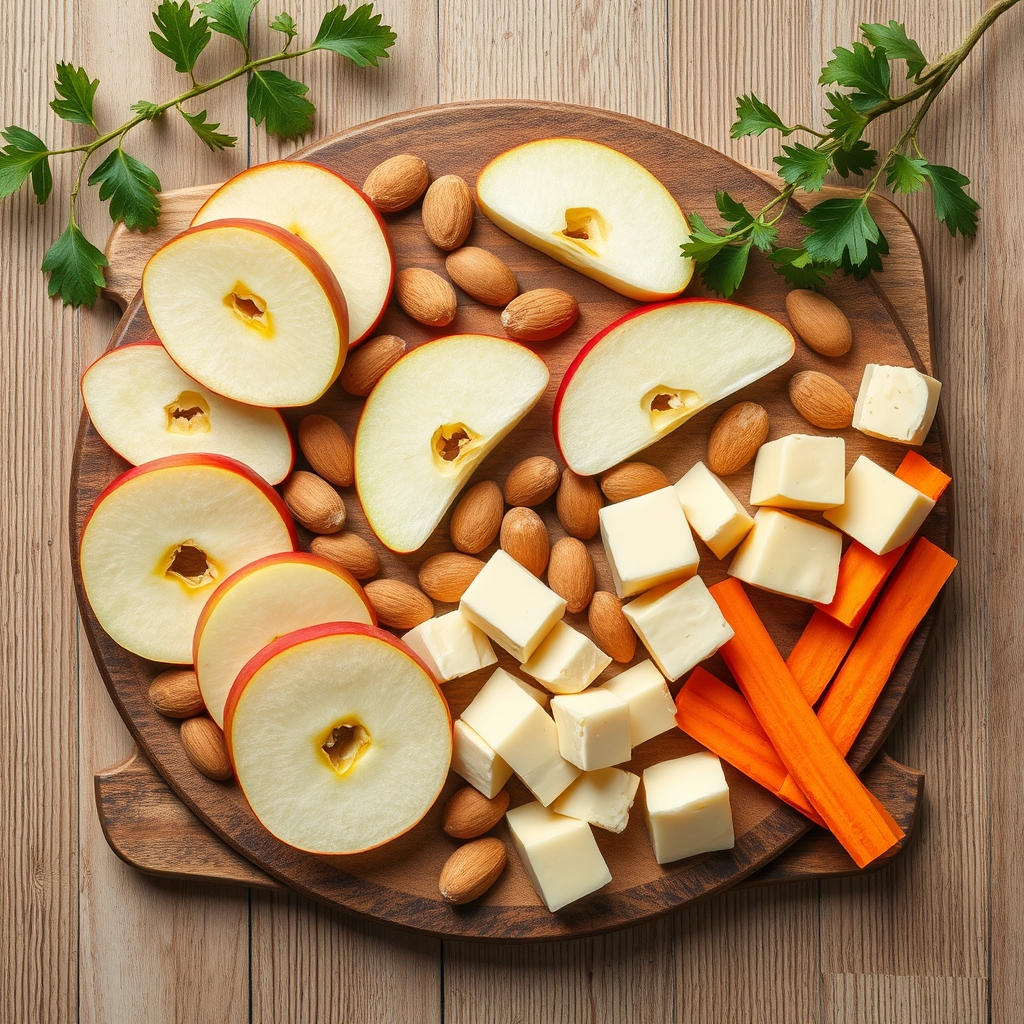
Balanced snacks can curb cravings while supplying essential nutrients.
How to satisfy cravings while staying nutritionally balanced
Balancing cravings with a nutrient‑rich diet doesn’t mean you have to give up the foods you love. The trick is to pair indulgent items with foods that add vitamins, minerals, and protein. For instance, if you’re craving a slice of pizza, add a side of steamed broccoli or a mixed green salad. This adds fiber, calcium, and folate without drastically increasing calories.
Another simple method is the “swap‑in” technique. Replace processed sweets with naturally sweet options—think frozen grapes instead of candy, or a homemade oat‑banana muffin instead of a store‑bought pastry. These swaps still satisfy the sweet tooth while delivering potassium, B‑vitamins, and complex carbs that support steady energy levels.
Finally, keep a “craving journal” for a week. Note what you’re craving, the time of day, and how you feel. Patterns often emerge that point to emotional triggers (stress, boredom) versus true nutritional signals. Sharing this journal with your provider can help tailor personalized nutrition advice.
Cravings and gestational diabetes: what to watch for
Gestational diabetes (GDM) affects roughly 7‑10 % of pregnancies in the United States (CDC). One of the early warning signs can be an increased, persistent craving for sugary foods, especially when accompanied by rapid weight gain. While cravings alone don’t cause GDM, they can exacerbate blood‑glucose spikes if not managed.
If you’re diagnosed with GDM, the American Diabetes Association (ADA) recommends a diet that emphasizes low‑glycemic‑index carbs, lean protein, and healthy fats. This doesn’t mean eliminating sweets entirely—rather, enjoy them in controlled portions, such as a small piece of dark chocolate (70 % cacao) paired with a handful of nuts.
Regular monitoring of blood glucose (fasting and post‑meal) helps you see how specific cravings affect your numbers. If a particular food consistently pushes your glucose above target ranges, discuss alternative options with your dietitian. In many cases, simple timing adjustments—like having a sweet snack after a balanced meal instead of on an empty stomach—can keep glucose levels stable.
Cultural influences on pregnancy cravings
Across the globe, cultural food traditions shape the way cravings manifest. In many Asian cultures, pickled vegetables and hot soups are common first‑trimester cravings, reflecting both flavor preferences and the comforting warmth of broth. In Latin America, sweet plantains and tamales often appear as second‑trimester cravings, providing both carbohydrate energy and essential vitamins like B‑6.
Understanding these cultural patterns can help you make healthier choices within familiar cuisines. For example, if you’re craving a traditional fried snack, try baking it instead of deep‑frying, or pair it with a side of fresh salsa for added vitamin C. When cultural foods are high in sodium, balance them with potassium‑rich fruits like bananas or oranges to help maintain fluid equilibrium.
Many healthcare providers appreciate when patients incorporate culturally meaningful foods into their prenatal diet, as long as overall nutrition goals are met. If you’re unsure how to adapt a beloved family recipe, ask your provider or a registered dietitian for suggestions that preserve flavor while boosting nutrient density.
Doctor's note
From our medical team: Cravings are a normal part of pregnancy for most people, driven by hormonal shifts and evolving nutritional demands. They’re rarely a sign of serious pathology, but persistent or extreme cravings—especially for non‑food items—should be evaluated for possible nutrient deficiencies. Always prioritize a varied, nutrient‑rich diet, stay hydrated, and keep your provider in the loop if you notice rapid weight changes, severe nausea, or cravings that interfere with daily life.
Myth vs. fact
Myth: Cravings always tell you the gender of your baby. Fact: Scientific studies have found no reliable connection between specific cravings and fetal sex; cravings are personal and hormone‑driven.
Myth: If you crave a certain food, you’re deficient in that nutrient. Fact: While cravings can sometimes hint at a need (e.g., iron), they’re not a diagnostic tool. A balanced diet and, if needed, lab testing are the best ways to assess deficiencies.
Myth: All pregnancy cravings are unhealthy and should be avoided. Fact: Many cravings are for nutritious foods—like fruit, dairy, or protein—so they can be incorporated into a healthy eating plan.
Key takeaways
Cravings usually start around weeks 5‑8, peak in the second trimester, and may fade by the third.
Hormonal changes, nutrient needs, and emotional factors all contribute to cravings.
Common cravings include citrus, dairy, sweet fruit, and starchy carbs; weird cravings are rare but often harmless.
Manage sweet cravings with fruit, yogurt, and protein‑paired snacks to avoid excess sugar.
Cravings are not a reliable method to guess your baby’s gender.
Persistent, intense cravings—especially for non‑food items—should be discussed with your provider.
Tailor cravings to cultural foods and consider low‑glycemic swaps if you have gestational diabetes risk.
Frequently asked questions
What are the most common pregnancy cravings?
The most frequently reported cravings are for citrus fruits, salty snacks, dairy products, and sweet fruit. These foods often reflect the body’s need for vitamin C, electrolytes, calcium, and quick energy during different trimesters.
Do all pregnant women get cravings?
No. While about 70‑80 % of pregnant people experience some cravings, a minority report none at all. Cravings are influenced by individual hormone levels, genetics, and lifestyle, so the experience varies widely.
Can pregnancy cravings start before you know you're pregnant?
Yes. Some women notice a sudden desire for specific foods weeks before a missed period or a positive test. Early cravings are linked to the initial rise in hCG and estrogen, which can alter taste and appetite before other symptoms appear.
How do I know if my cravings are a sign of something serious?
If cravings are accompanied by rapid weight gain or loss (> 2 kg per week), severe nausea, vomiting, or a desire for non‑food items (pica), it could indicate a medical issue such as gestational diabetes or a mineral deficiency. In those cases, contact your provider promptly.
Can I indulge in my pregnancy cravings or should I avoid them?
Indulging in moderation is fine. Aim to balance cravings with nutrient‑dense choices—pair sweets with protein, choose whole‑grain versions of carbs, and keep portion sizes reasonable to support healthy weight gain.
Do pregnancy cravings go away after giving birth?
Most cravings diminish shortly after delivery as hormone levels stabilize. However, some people notice lingering preferences for certain foods, especially if they enjoyed those foods throughout pregnancy.
Are cravings a sign of anemia?
Intense cravings for red meat, beans, or iron‑rich foods can sometimes hint at low iron stores, but they are not a definitive sign. If you suspect anemia, ask your provider for a blood test to check hemoglobin and ferritin levels.
Is it safe to eat fast food to satisfy cravings?
Occasional fast‑food meals are generally safe during pregnancy, but they should be limited because they’re often high in sodium, saturated fat, and calories. Choose options that include vegetables, lean protein, and whole‑grain buns, and balance the meal with a fruit or salad.
When to call your doctor
If you experience any of the following, reach out to your provider immediately: severe or persistent vomiting, sudden weight loss or gain (> 2 kg per week), cravings for non‑food items (pica), intense cravings that interfere with daily life, or any new symptom such as severe heartburn, swelling, or high blood pressure. This article is for informational purposes only and does not replace personalized medical advice.
References
American College of Obstetricians and Gynecologists (ACOG). “Nutrition During Pregnancy.” Clinical Guidance, 2023.
National Health Service (NHS). “Pregnancy cravings.” Patient information, 2022.
World Health Organization (WHO). “Guidelines on Antenatal Care for a Positive Pregnancy Experience.” 2021.
Centers for Disease Control and Prevention (CDC). “Gestational Diabetes.” 2022.
National Institute for Health and Care Excellence (NICE). “Antenatal care for uncomplicated pregnancies.” NG202, 2022.
Harvard T.H. Chan School of Public Health. “Pregnancy Nutrition: The Essentials.” 2023.
Journal of Maternal‑Fetal & Neonatal Medicine. “Cravings and nutrient intake in pregnancy.” 2021; 34(15): 2350‑2357.
American Diabetes Association (ADA). “Gestational Diabetes Management.” Standards of Care, 2023.
CDC. “Iron Deficiency in Pregnancy.” 2023.
International Journal of Food Sciences. “Cultural food practices and pregnancy cravings.” 2022; 12(4): 112‑119.
Not sure about the label on When Do Pregnancy Cravings Start Timeline Explained products?
Snap the ingredients list and SafeFilter checks every ingredient for your stage — only 3 free scans this month, then you're locked until reset. Unlimited from $7/mo or $50/yr.
When Shubhra Mishra was expecting her first child in 2016, she was overwhelmed by conflicting food advice — one site said yes, another said never. By the time her second baby arrived in 2019, she realized millions of mothers face the same confusion.
That sparked a five-year journey through clinical nutrition papers, cultural diets, and expert conversations — all leading to BumpBites: a calm, compassionate space where science meets everyday motherhood.
Her long-term vision is to build a global community ensuring safe, supported, and free deliveriesfor every mother — because no woman should face pregnancy alone or uninformed. 🌿
🌍 Stand with mothers, shape safer guidance
Join a small circle of experts who review BumpBites articles so expecting parents everywhere can decide with confidence.