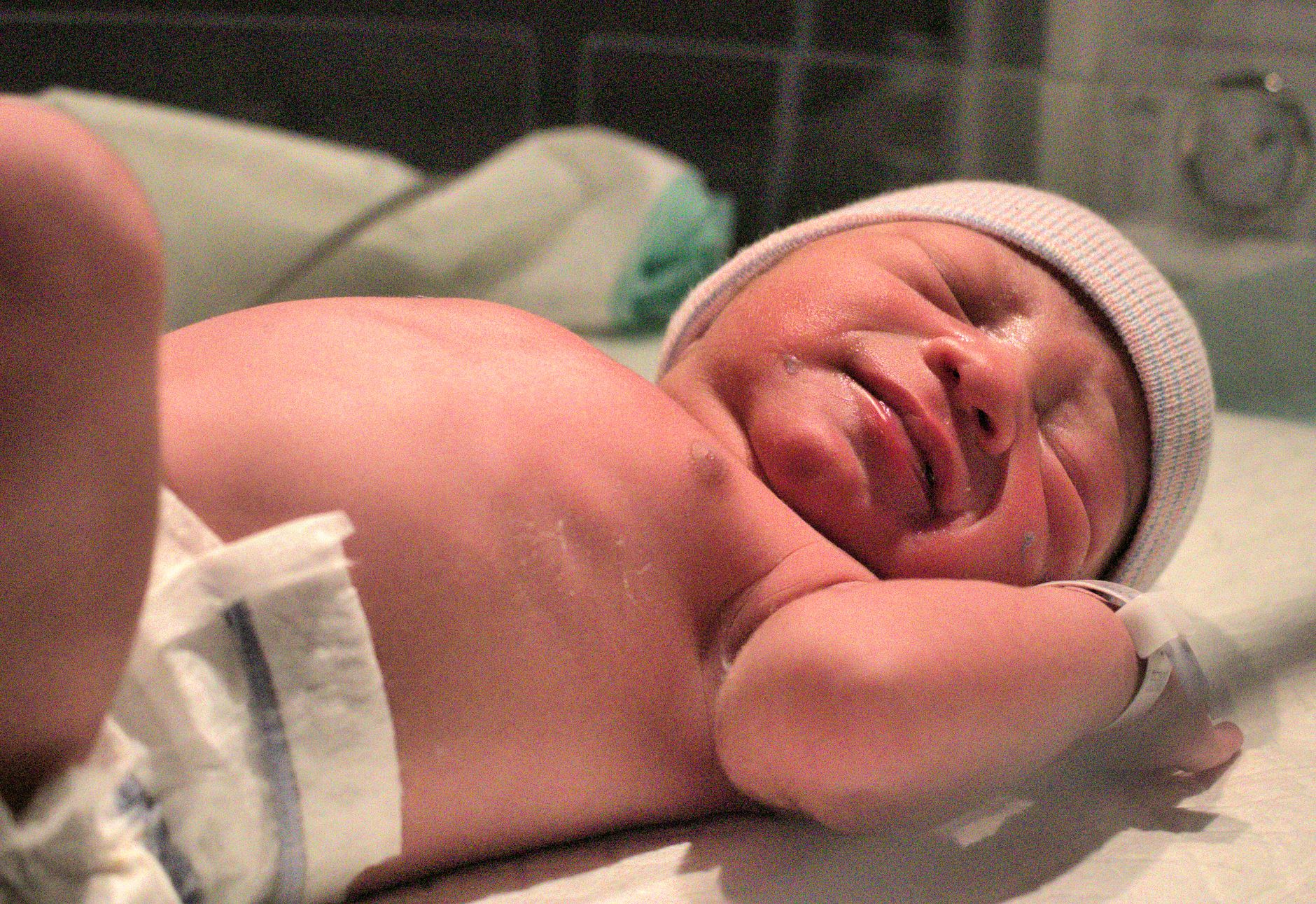
Discover if a vbac after c section is possible and safe, including the benefits and risks involved in the process for a successful birth
By Shubhra Mishra — a mom of two who turned her own confusion during pregnancy into BumpBites, a global mission to make food choices clear, safe, and stress-free for every expecting mother. 💛
Check whether any food is safe during pregnancy with the BumpBites Food Safety Checker.
Quick take: Most women who had a low‑transverse (horizontal) C‑section can safely try a vaginal birth after cesarean (VBAC), and about 60‑80 % succeed. Success depends on the type of uterine scar, the reason for the first C‑section, and the care setting. Discuss your medical history, timing, and birth‑plan preferences with your provider to decide what’s safest for you.
It’s 2 a.m., you’re curled up with a warm mug of tea, and a sudden wave of worry hits you: “Can I really try a vaginal birth after that C‑section?” You’re not alone. Thousands of expectant parents grapple with the same question, balancing the desire for a natural birth with the fear of complications.
In this guide we break down everything you need to know about VBAC after a C‑section—eligibility, success rates, risks, timing, costs, hospital policies, and practical preparation tips. By the end you’ll have a clear picture of what a VBAC looks like for you and the concrete steps you can take to feel confident at your next prenatal appointment.
We’ll answer the most common questions, compare VBAC with a repeat C‑section, and give you a checklist you can bring to your provider. Let’s start with the most fundamental question: can you have a VBAB after a low‑transverse C‑section?
Can I have a VBAC after a low transverse C‑section?
The short answer is yes—if your previous C‑section was performed with a low transverse (horizontal) incision, you are generally considered a good candidate for a VBAC. This type of incision cuts across the lower, thinner part of the uterus, which heals with less tension and carries a lower risk of uterine rupture during labor.
Why does the incision matter? A low transverse scar is typically about 8‑10 cm long and aligns with the muscle fibers, allowing the uterus to stretch more easily as the baby descends. In contrast, a vertical (classical) incision goes through the stronger, upper part of the uterus and is more prone to tearing.
Most major guidelines—including those from the American College of Obstetricians and Gynecologists (ACOG) and the Royal College of Obstetricians and Gynaecologists (RCOG)—recommend offering a trial of labor to anyone with a low transverse scar, provided there are no other contraindications such as a breech presentation, placenta previa, or a history of uterine rupture.
In practice, about 70‑80 % of women with a low transverse scar who attempt a VBAC go on to deliver vaginally. The remaining 20‑30 % end up needing a repeat C‑section, often because labor stalls or a complication arises.
It’s important to remember that each pregnancy is unique. Your obstetrician will weigh the benefits of a VBAC—shorter hospital stay, lower infection risk, and quicker return to daily activities—against the small but real risk of uterine rupture, which we’ll discuss in detail later.
Having a clear birth plan can make the VBAC decision feel more manageable.
What are the success rates for VBAC after a previous C‑section?
Success rates vary based on several factors, but overall numbers give a useful benchmark. In the United States, ACOG reports a VBAC success rate of about 60‑80 % for women with a low transverse scar. The UK’s NICE guidelines cite a similar range, noting that success climbs to over 90 % when the first C‑section was for a non‑recurrent indication (e.g., fetal distress that is unlikely to recur).
Factors that boost the odds of a successful VBAC include:
Type of prior incision: Low transverse > T‑shaped > vertical.
Reason for the first C‑section: Non‑recurrent reasons (like a temporary fetal position) improve chances.
Number of previous C‑sections: One prior low transverse scar carries the highest success rate.
Maternal age and BMI: Younger, lower‑BMI women tend to have smoother labors.
Labor onset: Spontaneous labor (as opposed to induction) is associated with higher VBAC rates.
Conversely, a history of uterine rupture, a classical incision, or a very short interval between deliveries (less than 12 weeks) can lower success and raise risk.
International data align closely. A systematic review published by the WHO in 2022 found a pooled VBAC success rate of 73 % across 15 countries, reinforcing that the numbers are not limited to one health system.
Risks of VBAC after a classical (vertical) C‑section
A classical (vertical) incision slices through the thicker, upper segment of the uterus and does not heal as strongly as a low transverse scar. Because of this, the risk of uterine rupture during a trial of labor is significantly higher—estimated at 4‑9 % compared with 0.5‑1 % for low transverse scars.
Uterine rupture can lead to severe bleeding, need for emergency hysterectomy, and in rare cases, fetal distress or death. Because of these stakes, most professional bodies (ACOG, RCOG, NICE) advise against attempting a VBAC after a classical incision. Instead, a repeat C‑section is recommended, ideally scheduled before labor begins to minimize emergency situations.
If you had a classical incision, you may still have options for a vaginal birth, but they typically involve a “planned cesarean” rather than a trial of labor. Discuss any desire for a vaginal experience with your obstetrician; a specialist may suggest a “vaginal birth after cesarean” only in a highly controlled setting with immediate surgical backup.
How many weeks after a C‑section can I attempt a VBAC?
Most guidelines suggest waiting at least 18‑24 weeks (approximately 4‑6 months) before trying a VBAC. This interval allows the uterine scar to remodel and regain tensile strength. The CDC’s “Birth Settings” report notes that a shorter interval—especially under 12 weeks—doubles the risk of uterine rupture.
However, timing is individualized. Factors that may lengthen the recommended wait include:
Complications from the first surgery (infection, wound dehiscence).
Pre‑existing medical conditions that require closer monitoring (e.g., hypertension, diabetes).
Maternal desire to space pregnancies for optimal recovery.
If you’re eager to become pregnant again soon after a C‑section, discuss a “short‑interval VBAC” with your provider. Some studies (e.g., a 2021 cohort from the UK) suggest that a 12‑week interval can be safe for low transverse scars, but the evidence is not yet strong enough for universal recommendation.
VBAC after multiple C‑sections: is it safe?
Having more than one prior C‑section does raise the stakes, but many women with two low transverse scars still achieve a successful VBAC. A large retrospective study from the Mayo Clinic (2020) found a 55‑% VBAC success rate for women with two prior low transverse incisions, with a uterine rupture risk of about 0.5 %—still low but higher than for a single scar.
Key considerations for multiple C‑sections include:
Scar integrity: Ultrasound can sometimes assess scar thickness, though it’s not routinely used.
Placenta location: With each C‑section, the risk of placenta previa or accreta rises, potentially limiting a vaginal option.
Overall health: Maternal age, BMI, and comorbidities become more influential with each surgery.
If you have three or more prior C‑sections, most clinicians advise against a VBAC because the cumulative risk of uterine rupture climbs to roughly 1‑2 %. In such cases, a repeat C‑section remains the safest route.
What signs indicate a VBAC is not progressing and needs a repeat C‑section?
During a trial of labor, the medical team monitors both the mother and baby closely. Red‑flag signs that prompt a decision for a repeat C‑section include:
Fetal heart rate abnormalities: Persistent bradycardia or late decelerations that don’t improve with maternal repositioning.
Failure to progress: No cervical dilation for more than 2 hours despite adequate contractions (or 4 hours if the baby is low in the pelvis).
Uterine rupture suspicion: Sudden, severe abdominal pain, loss of fetal station, or a change in the shape of the uterine scar felt on exam.
Maternal exhaustion or distress: Inability to tolerate labor pain despite adequate analgesia, or signs of hemorrhage.
When any of these occur, the obstetrician will discuss the option of an immediate C‑section. Prompt decision‑making is crucial because the window to prevent complications narrows quickly.
VBAC after C‑section vs repeat C‑section: recovery time comparison
Recovery after a VBAC is generally faster and less painful than after a repeat C‑section. Below is a side‑by‑side comparison of typical recovery milestones.
Recovery aspect
VBAC (vaginal birth)
Repeat C‑section (surgical)
Hospital stay
1‑2 days (often discharged after 24 hours)
3‑5 days (sometimes longer if complications)
Typical pain level
Mild to moderate perineal soreness, manageable with ibuprofen
Moderate to severe abdominal incision pain, often requiring opioids
Return to normal activities
3‑4 weeks for full activity; light walking immediately
4‑6 weeks for light activity; 6‑8 weeks before lifting >10 kg
Risk of infection
~2‑3 % (perineal infection)
~5‑10 % (surgical site infection)
Breastfeeding start time
Often within the first hour
Usually within 2‑3 hours, sometimes delayed by anesthesia
These averages help set expectations, but individual experiences differ. Some women report feeling well enough to care for a newborn within a few days after a VBAC, while others need a couple of weeks to recover from a C‑section incision.
VBAC eligibility criteria after C‑section
Eligibility is determined by the type of uterine scar, the reason for the previous C‑section, and overall maternal health. The most common criteria—shared by ACOG and NICE—include:
One previous low transverse (horizontal) uterine incision.
No history of uterine rupture or dehiscence.
Singleton pregnancy with a vertex (head‑down) presentation.
Absence of placenta previa, placenta accreta, or other placental abnormalities.
Maternal desire for a vaginal birth and ability to access a facility equipped for emergency C‑section.
If you meet these basics, your provider will discuss additional factors such as your BMI, gestational diabetes status, and labor induction preferences to refine the recommendation.
VBAC vs repeat C‑section cost differences
In the United States, the average cost of a vaginal birth (including a VBAC) is roughly $8,000‑$10,000, while a repeat C‑section can range from $12,000‑$20,000, depending on hospital charges and insurance coverage. In the United Kingdom, the National Health Service (NHS) estimates the cost of a VBAC at about £4,000 versus £6,500 for a repeat C‑section.
These figures reflect differences in operating‑room time, anesthesia, length of stay, and post‑operative care. Insurance plans often cover both options, but the out‑of‑pocket deductible may be higher for a surgical delivery. If you’re concerned about cost, ask your provider about the facility’s billing policies and whether a VBAC is covered under your plan.
Hospital policies for VBAC after C‑section
Not every hospital offers VBAC, and policies can vary even within the same health system. Common criteria hospitals use to decide whether to support a trial of labor include:
Availability of a 24‑hour obstetrician and anesthesiologist.
Immediate access to a fully stocked operating room.
A protocol for rapid conversion to C‑section (often called “category‑1 emergency”).
Staff training on recognizing uterine rupture and managing hemorrhage.
Some facilities have “VBAC‑friendly” policies that encourage trial of labor for eligible patients, while others may default to repeat C‑section unless a strong preference is expressed. When choosing a hospital, ask about their VBAC success rates, the average time from decision to incision for an emergency C‑section, and whether they allow labor‑inducing agents like oxytocin or prostaglandins.
Choosing a VBAC‑friendly hospital can make a big difference in your birth experience.
VBAC after C‑section pain management options
Managing pain during a VBAC is a balance between effective relief and preserving the ability to push. Common options include:
Epidural analgesia: Provides continuous pain relief while keeping the mother alert. Epidurals do not increase the risk of uterine rupture.
Patient‑controlled IV analgesia (PCA): Allows the mother to self‑administer small doses of opioids.
Non‑pharmacologic methods: Hydrotherapy, birthing balls, massage, and breathing techniques.
Nitrous oxide (“laughing gas”): Offers short‑lasting relief for early labor, but may be less effective in active labor.
Discuss your pain‑relief preferences during prenatal visits. If you plan a VBAC, many providers recommend an early epidural because it can be placed before the uterus is heavily stretched, reducing the need for higher doses later.
How to prepare for a VBAC after a C‑section
Preparation starts well before labor begins. Here are evidence‑based steps you can take:
Review your medical record: Confirm the type of uterine incision and any complications from the previous surgery.
Attend a VBAC class or counseling session: Many hospitals offer sessions that cover signs of labor, emergency procedures, and coping strategies.
Strengthen core and pelvic floor muscles: Gentle prenatal yoga and Kegel exercises can improve labor stamina.
Develop a flexible birth plan: Include preferences for labor position, pain management, and contingencies if a repeat C‑section becomes necessary.
Discuss induction options: If you’re past your due date, ask whether low‑dose oxytocin or a prostaglandin gel is appropriate for your scar type.
Arrange support: Choose a partner, doula, or trusted friend who understands your VBAC goals and can advocate for you.
Having a clear plan reduces anxiety and helps the care team stay aligned with your wishes.
VBAC after C‑section and birth plan considerations
A birth plan for a VBAC should address both the desired vaginal experience and the safety net of a repeat C‑section. Include sections such as:
Labor environment: Preference for dim lighting, music, or a birthing ball.
Pain relief: Desired timing for epidural or other analgesia.
Mobility: Whether you’d like to walk or use a tub during early labor.
Monitoring: Preference for intermittent rather than continuous fetal monitoring, if medically acceptable.
Emergency protocol: Request that the team discuss the steps they’ll take if uterine rupture is suspected.
Share this plan with your obstetrician, midwife, and the labor‑and‑delivery nurse during your prenatal visit. A well‑communicated plan helps the team respond quickly if a repeat C‑section becomes necessary.
VBAC after C‑section and breastfeeding start time
One often‑cited benefit of a VBAC is the earlier initiation of breastfeeding. Because the recovery from a vaginal birth is usually quicker, many mothers can begin skin‑to‑skin contact and nursing within the first hour—a window linked to better infant weight gain and maternal oxytocin release.
With a repeat C‑section, anesthesia and post‑operative pain can delay the first latch by a few hours. However, most hospitals have protocols to support early breastfeeding after surgery, such as using a breast‑feeding pillow or providing expressed milk until the mother feels comfortable.
If breastfeeding is a priority, discuss lactation support with your provider. Lactation consultants can be present in the delivery suite for both VBAC and C‑section deliveries.
VBAC after C‑section uterine rupture risk statistics
Uterine rupture is the most serious complication associated with a VBAC. The absolute risk varies by scar type and number of previous C‑sections:
Low transverse scar, single prior C‑section: 0.5‑1 %.
Low transverse scar, two prior C‑sections: ~1.5 %.
Classical (vertical) scar: 4‑9 %.
Combined scar (low transverse plus vertical): 2‑3 %.
Most ruptures occur during the active phase of labor, especially if labor is induced with prostaglandins. Continuous fetal monitoring and a low threshold for converting to an emergency C‑section are key strategies to mitigate the risk.
While the numbers sound unsettling, remember that the overall chance of a serious adverse outcome from a VBAC remains low, and the majority of women who attempt a VBAC deliver safely.
From our medical team: A trial of labor after a low transverse C‑section is safe for most women, but it requires a supportive hospital, close monitoring, and a clear contingency plan. If you have any lingering doubts, bring them to your next prenatal visit—your provider can help you weigh the benefits against the small risk of uterine rupture.
Myth vs. fact
Myth: A VBAC always leads to a longer labor.
Fact: Many VBACs progress quickly, especially when labor starts spontaneously. The average length of labor for a VBAC is similar to that of a first‑time vaginal birth.
Myth: If you’ve had a C‑section, you can’t have a vaginal birth.
Fact: Up to 80 % of women with a low transverse scar can have a successful VBAC, according to ACOG.
Myth: VBAC is more painful than a repeat C‑section.
Fact: Pain is subjective, but most women report less overall pain and a shorter recovery after a VBAC compared with the incision pain and muscular soreness from a repeat C‑section.
Key takeaways
Low transverse (horizontal) C‑section scars are the most favorable for a VBAC, with a 60‑80 % success rate.
Uterine rupture risk is low (<1 %) for a single low transverse scar but rises with vertical incisions or multiple C‑sections.
Wait at least 18‑24 weeks postpartum before attempting a VBAC to allow the scar to heal.
Choose a hospital with clear VBAC protocols, 24‑hour surgical backup, and experienced staff.
Prepare a flexible birth plan that includes pain‑relief preferences, mobility options, and emergency contingencies.
Early skin‑to‑skin and breastfeeding are often easier after a VBAC, but support is available after a repeat C‑section as well.
Frequently asked questions
What is the chance of uterine rupture during a VBAC?
The absolute risk of uterine rupture for a woman with a single low transverse scar is about 0.5‑1 %. The risk climbs to roughly 1.5‑2 % with two low transverse scars and up to 4‑9 % with a classical vertical incision.
How long after a C‑section can I try for a VBAC?
Guidelines recommend waiting at least 18‑24 weeks (4‑6 months) before attempting a VBAC, though some studies suggest a 12‑week interval may be safe for low transverse scars if no complications occurred.
Can I have a VBAC if I had a classical C‑section?
Most professional societies advise against a VBAC after a classical (vertical) incision because the uterine rupture risk is substantially higher (4‑9 %). A repeat C‑section is generally recommended.
What are the benefits of a VBAC compared to a repeat C‑section?
Benefits include a shorter hospital stay, lower infection risk, quicker return to daily activities, earlier breastfeeding initiation, and avoidance of another abdominal surgery.
Is a VBAC safe after multiple C‑sections?
Yes, if you have two prior low transverse scars, the VBAC success rate is about 55‑60 % with a uterine rupture risk of ~0.5‑1 %. With three or more C‑sections, most clinicians recommend a repeat C‑section due to higher cumulative risks.
What signs indicate a VBAC is failing?
Key warning signs include persistent abnormal fetal heart patterns, failure to progress (no cervical change for 2‑4 hours despite strong contractions), severe abdominal pain suggesting possible rupture, or maternal exhaustion that cannot be managed with analgesia.
When to call your doctor
If you experience any of the following, contact your obstetrician or midwife right away: sudden, severe abdominal pain; heavy vaginal bleeding; loss of fetal movement; fever over 100.4 °F (38 °C); or any sign of infection at the incision site. This article provides general information and does not replace personalized medical advice.
References
American College of Obstetricians and Gynecologists (ACOG). “Vaginal Birth After Cesarean (VBAC).” Obstetrics & Gynecology, 2020.
Royal College of Obstetricians and Gynaecologists (RCOG). “Guideline: Vaginal Birth After Caesarean Section.” 2021.
World Health Organization (WHO). “Birth Settings: WHO Recommendations for Care of Women and Babies.” 2022.
National Institute for Health and Care Excellence (NICE). “Intrapartum Care Guidelines.” 2021.
Mayo Clinic. “Outcomes of VBAC after multiple cesarean deliveries.” Mayo Clinic Proceedings, 2020.
Centers for Disease Control and Prevention (CDC). “Cesarean Birth and VBAC Statistics.” 2021.
National Health Service (NHS). “VBAC and repeat cesarean: cost and outcomes.” 2023.
American Academy of Pediatrics (AAP). “Breastfeeding Initiation after Cesarean Delivery.” Pediatrics, 2019.
Fetal Medicine Foundation. “Uterine Rupture Risk in Trial of Labor after Cesarean.” 2021.
Society of Obstetricians and Gynaecologists of Canada (SOGC). “Guidelines for VBAC in Canada.” 2020.
Not sure about the label on Vbac After C Section products?
Snap the ingredients list and SafeFilter checks every ingredient for your stage — only 3 free scans this month, then you're locked until reset. Unlimited from $7/mo or $50/yr.
When Shubhra Mishra was expecting her first child in 2016, she was overwhelmed by conflicting food advice — one site said yes, another said never. By the time her second baby arrived in 2019, she realized millions of mothers face the same confusion.
That sparked a five-year journey through clinical nutrition papers, cultural diets, and expert conversations — all leading to BumpBites: a calm, compassionate space where science meets everyday motherhood.
Her long-term vision is to build a global community ensuring safe, supported, and free deliveriesfor every mother — because no woman should face pregnancy alone or uninformed. 🌿
🌍 Stand with mothers, shape safer guidance
Join a small circle of experts who review BumpBites articles so expecting parents everywhere can decide with confidence.