Use the postpartum weight loss calculator to estimate your weight loss after birth, factoring in delivery type (vaginal or C‑section) and feeding method (breastfeeding or formula). Get personalized numbers to set realistic goals.
By Shubhra Mishra — a mom of two who turned her own confusion during pregnancy into BumpBites, a global mission to make food choices clear, safe, and stress-free for every expecting mother. 💛
Check whether any food is safe during pregnancy with the BumpBites Food Safety Checker.
Quick take: Your postpartum weight loss will differ based on how you gave birth and whether you’re nursing or using formula. A simple calculator that accounts for delivery type, feeding method, baby’s age and your pre‑pregnancy stats can give a realistic estimate, while safe guidelines help you lose weight gradually and healthily.
It’s 2 a.m., you’re scrolling through your phone with a half‑full diaper bag at your feet, and a thought pops up: “Will I ever get my pre‑pregnancy body back?” You’ve just read that a C‑section can add extra weeks of recovery, and you’re not sure if breastfeeding will actually help you shed those pregnancy pounds. You’re not alone—most new parents wonder how their birth experience and feeding choices will shape the weight‑loss journey.
🔢 Calculate it for your situation: Use our Postpartum Weight Loss for a personalized result in seconds.
In this article we’ll break down exactly how vaginal versus C‑section delivery and breastfeeding versus formula feeding affect the calories you burn, the weight you can expect to lose, and the timeline you might follow. We’ll walk you through a step‑by‑step guide to using a postpartum weight loss calculator, share safe‑loss recommendations, and give you practical tips that fit your unique situation.
By the end, you’ll have a clear picture of what’s realistic, how to set healthy goals, and where to find reliable numbers for your own situation. Let’s get started.
How delivery type influences initial postpartum weight and recovery
The first weeks after birth are shaped by the type of delivery you had. A vaginal birth typically involves a shorter hospital stay—often 24 hours for uncomplicated deliveries—while a cesarean section (C‑section) usually requires 2–4 days of inpatient care. This difference matters for two reasons:
Fluid retention and tissue healing. After a C‑section, your body retains more fluid to heal the abdominal incision, and you may experience swelling (edema) for several weeks. Vaginal deliveries also have fluid shifts, but they generally resolve faster.
Physical activity restrictions. With a C‑section, doctors often advise limiting heavy lifting and intense cardio for 6–8 weeks. Vaginal births usually allow a gradual return to normal activity within a week or two, unless there were complications such as perineal tears.
These factors translate into a modest difference in early weight loss. Studies from the American College of Obstetricians and Gynecologists (ACOG) indicate that, on average, women who deliver vaginally lose about 5–7 lb (2.3–3.2 kg) in the first two weeks, while those with a C‑section may retain an extra 1–2 lb (0.5–0.9 kg) due to postoperative fluid and limited movement.
Beyond the first month, the impact of delivery type becomes less pronounced, but the initial “baseline” you start from can shape your weight‑loss timeline. Understanding this baseline helps you set realistic expectations and avoid frustration.
It’s also worth noting that the type of incision (low transverse versus classical) can affect core muscle engagement later on. A low transverse cut, which is most common, typically allows earlier activation of deep abdominal muscles, while a classical vertical incision may require a longer period of core protection (RCOG, 2023). This nuance can be reflected in the calculator’s activity‑level settings.
A calm nursery can be a reminder that recovery—whether after a vaginal birth or a C‑section—takes time.
How feeding method changes calorie expenditure and weight loss
Breas
tfeeding is often touted as a natural way to burn extra calories. The National Institutes of Health (NIH) estimate that lactating mothers expend roughly 300–500 kcal per day, depending on the baby’s age, feeding frequency, and milk production. Formula feeding, by contrast, does not provide this caloric expenditure, though it frees up the mother’s time and may affect overall energy balance differently.
Here’s what the numbers look like in practice:
Exclusive breastfeeding. Newborns typically feed 8–12 times per 24 hours, which can translate to a 350 kcal daily deficit for the mother. As the baby grows and feeds less frequently, the burn drops to around 200 kcal per day by six months.
Mixed feeding (both breast and formula). Mothers who supplement with formula may see a reduced caloric burn, roughly 150–250 kcal per day, because the breast is emptied less often.
Exclusive formula feeding. There is no additional caloric expenditure from lactation, so weight loss relies entirely on diet and activity.
These differences matter when you plug numbers into a postpartum weight loss calculator. The tool adjusts the expected weekly loss based on feeding method, baby’s age, and your own metabolic rate. It’s also why some moms find they lose weight faster while exclusively nursing, while others see a steadier pace regardless of feeding choice.
Keep in mind that milk production itself is an energy‑intensive process. A study published by the NHS in 2022 found that mothers who breastfeed for longer than six months continue to burn an extra 200 kcal per day, which can modestly influence long‑term weight trajectories (NHS, 2022). However, individual metabolism, sleep quality, and overall diet remain the dominant factors.
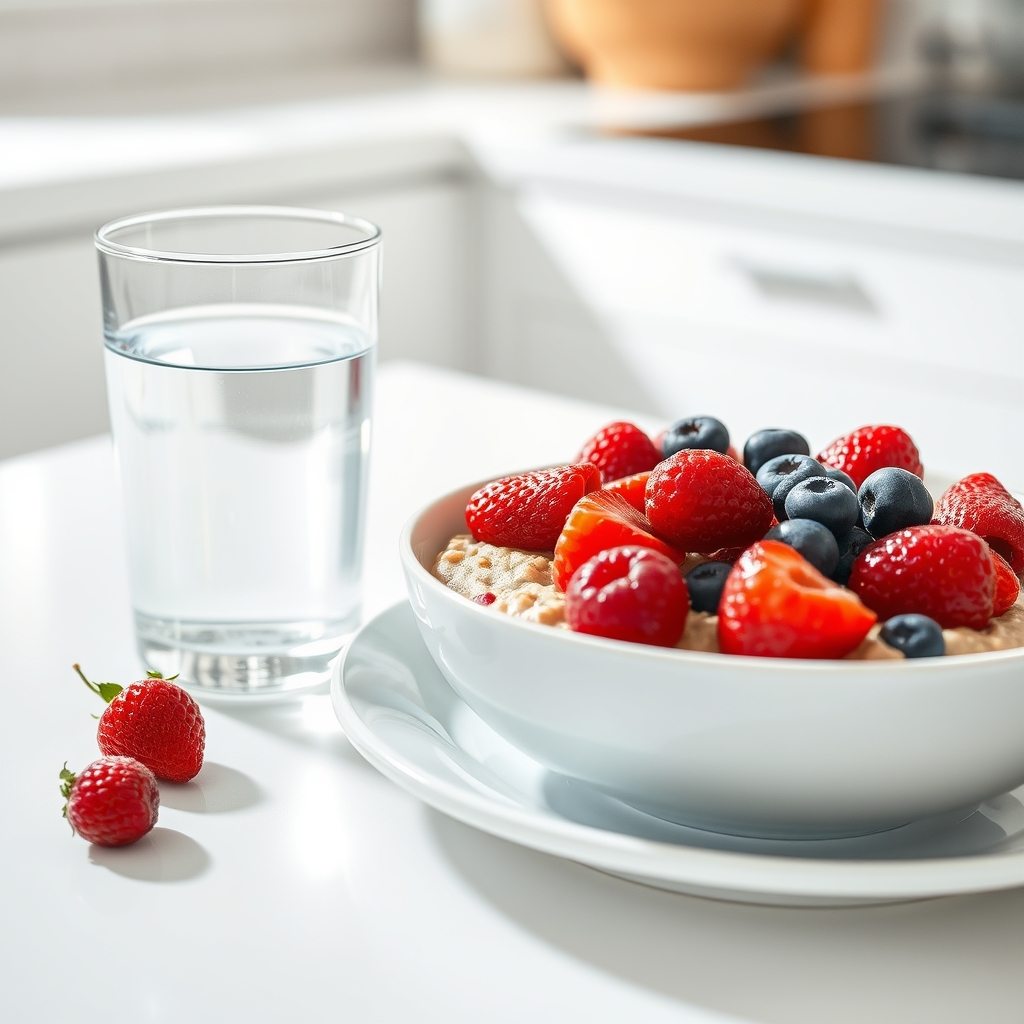
Hydration and nutrient‑dense meals support safe weight loss, whether you’re nursing or not.
Step‑by‑step guide to using the postpartum weight loss calculator
Ready to see numbers that reflect your situation? Follow these steps with our Postpartum Weight Loss calculator:
Gather your baseline data. You’ll need your pre‑pregnancy weight, the weight you recorded at delivery (often on the hospital discharge summary), and your baby’s current age in weeks.
Select your delivery type. Choose “Vaginal” or “C‑section.” The calculator applies a fluid‑retention factor (≈1 lb for vaginal, ≈1.5 lb for C‑section) and adjusts the activity‑restriction period.
Pick your feeding method. Options include “Exclusive breastfeeding,” “Mixed feeding,” or “Exclusive formula.” The tool uses the caloric burn estimates described earlier.
Enter your activity level. Most calculators ask for “Low,” “Moderate,” or “High” activity, which translates to estimated daily calorie expenditures (≈150, 300, 450 kcal extra).
Set your weight‑loss goal. The safe recommendation is 0.5–1 lb (0.2–0.5 kg) per week after the first six weeks. Input your desired weekly loss; the calculator will tell you how many weeks it will take to reach your target.
Review the output. You’ll see a timeline chart, weekly weight‑loss estimate, and a “caution” note if your goal exceeds safe guidelines.
The calculator also provides a downloadable Excel template for those who like to tweak assumptions manually. By adjusting variables—like adding a few minutes of gentle postpartum walking—you can see how small changes affect the overall timeline.
When you first see the results, remember they are averages, not predictions set in stone. Your body may respond faster or slower depending on hormone fluctuations, sleep patterns, and how consistently you follow the activity plan. Re‑run the calculator every few weeks to keep your goals aligned with reality.
Safe postpartum weight loss guidelines: rate, nutrition, and hydration
Rapid weight loss can jeopardize recovery, milk supply, and overall health. The World Health Organization (WHO) and ACOG agree on a conservative target of 0.5–1 lb (0.2–0.5 kg) per week after the initial six‑week postpartum period, once your body has begun healing and you’ve cleared any postpartum complications.
Key nutrition principles include:
Calorie minimum. Even while losing weight, most lactating mothers need at least 1,800 kcal per day to sustain milk production; non‑lactating mothers should aim for no fewer than 1,500 kcal.
Macronutrient balance. Aim for 20–25 % protein, 30–35 % healthy fats, and 45–55 % complex carbohydrates. Protein supports tissue repair, especially after a C‑section.
Hydration. Breastfeeding can increase fluid needs by 0.5–1 L per day. Keep a water bottle handy and sip throughout the day.
Micronutrients. Iron, calcium, vitamin D, and omega‑3 fatty acids are crucial for recovery and milk quality. Include leafy greens, fortified dairy or alternatives, lean meats, and fatty fish (or algae‑based DHA supplements).
Incorporate gentle movement as soon as your provider clears you—think short walks, pelvic floor exercises, and light stretching. Gradually increase intensity; by three months postpartum many women can handle moderate‑intensity cardio for 150 minutes per week, which further supports weight loss.
For mothers who are formula feeding, the same calorie minimum applies, but you have a bit more flexibility in macronutrient distribution because you’re not supporting lactation. Still, a balanced diet helps keep energy levels stable for the demands of newborn care.
Key factors that affect postpartum weight loss
Every mother’s journey is unique. Below are the most influential variables you should consider when interpreting calculator results:
Factor
Impact on weight loss
How to manage
Pre‑pregnancy BMI
Higher BMI often predicts faster early loss but may plateau later.
Set realistic goals; focus on health, not just numbers.
Activity level
More movement increases caloric deficit.
Start with short walks; add strength work after 6 weeks.
Sleep quality
Poor sleep can disrupt hormones (ghrelin, leptin) and hinder loss.
Nap when baby naps; enlist help for nighttime feeds.
Hormonal changes
Progesterone and prolactin affect appetite and fat storage.
Patience—these hormones normalize over months.
Feeding method
Breastfeeding adds 200–350 kcal/day burn.
Track feeding frequency; adjust diet accordingly.
Delivery type
C‑section may delay activity, add fluid retention.
Follow surgeon’s recovery plan; use gentle core activation.
By entering accurate data into the calculator, you’ll get a personalized estimate that already accounts for many of these factors. Still, keep in mind that daily fluctuations are normal; the tool’s weekly averages smooth out those variations.
Another subtle factor is the presence of postpartum mood changes. Women who experience higher stress or postpartum depression may find it harder to stick to nutrition plans or exercise routines (NHS, 2023). Recognizing this early and seeking support can keep your weight‑loss journey on track.
Sample calculations and interpreting results
Let’s walk through three common scenarios. All mothers in these examples had a pre‑pregnancy weight of 150 lb (68 kg) and a delivery weight of 170 lb (77 kg).
Result: The calculator predicts a total loss of 20 lb (9 kg) over 27 weeks, with an average weekly loss of 0.75 lb. The first eight weeks show a slightly higher loss (≈1 lb/week) due to fluid shedding and lactation burn.
Result: Estimated total loss is 18 lb (8 kg) over 36 weeks. The calculator adds a 1.5 lb fluid retention factor and reduces the lactation burn to 200 kcal/day, extending the timeline.
Scenario 3: Vaginal delivery + exclusive formula feeding
Inputs: Delivery type = Vaginal, Feeding = Formula only, Baby age = 4 weeks, Activity = High, Goal = 1 lb/week loss.
Result: Projected loss is 22 lb (10 kg) over 22 weeks. The higher activity level compensates for the lack of lactation calories, but the calculator flags the 1 lb/week goal as “aggressive” and suggests a minimum of 1,500 kcal intake.
What do these numbers mean? They give you a realistic window to plan meals, workouts, and self‑care. If a result feels too slow or fast, adjust the activity level or weekly goal within safe limits, then recalculate.
Remember, the calculator is a guide, not a prescription. Your actual progress may vary due to factors like seasonal changes, return-to-work schedules, or unexpected health issues. Use the numbers as a compass, not a rigid road map.
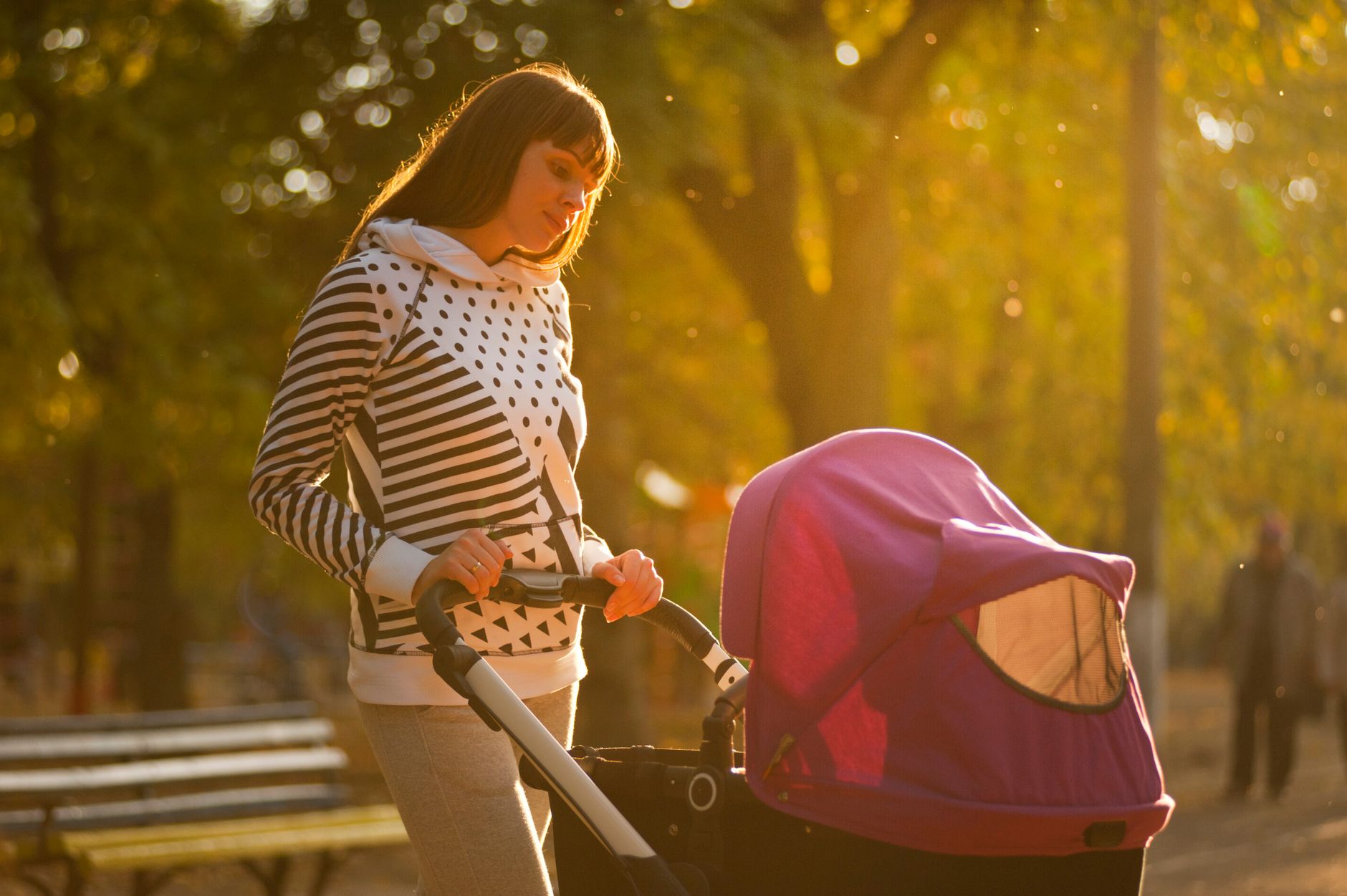
Gentle walks with a stroller can boost calorie burn without overtaxing recovery.
Practical tips for achieving weight loss goals by delivery type and feeding method
Now that you have numbers, here are actionable recommendations you can start tonight:
Vaginal delivery + breastfeeding: Prioritize protein at every meal (e.g., Greek yogurt, eggs, beans) to support milk production and tissue repair. Incorporate short walks after each feeding—10‑minute strolls add up without feeling like a workout.
C‑section + mixed feeding: Focus on core‑gentle activation (pelvic tilts, diaphragmatic breathing) once cleared by your surgeon. Use the extra time from formula feeding to fit in a 20‑minute low‑impact yoga session, which aids circulation and reduces swelling.
Formula feeding + high activity: Track your calorie intake with a simple app to ensure you stay above the 1,500 kcal minimum. Pair your cardio (e.g., brisk walking, stationary bike) with strength training twice a week to preserve lean muscle.
All scenarios: Keep a hydration log—aim for 8–10 cups of water daily. Add a splash of citrus or cucumber for flavor without extra calories. Schedule “self‑check‑ins” every two weeks to compare actual weight loss to calculator predictions, adjusting your plan as needed.
Another tip that works across the board is to prep “grab‑and‑go” snacks that combine protein and healthy fats—think nut butter packets, cheese sticks, or a small handful of almonds. These keep blood sugar stable, curb cravings, and are easy to eat while nursing or soothing a baby.
If you’re feeling overwhelmed, try a “one‑meal‑ahead” strategy: each evening, assemble the next day’s breakfast and lunch in containers. This reduces decision fatigue, helps you stick to nutrient goals, and frees up mental space for baby care.
From our medical team: Losing weight after pregnancy is a marathon, not a sprint. Focus on steady, nutrient‑rich progress, and let your body guide you. If you’re breastfeeding, monitor your milk supply and energy levels—if you feel fatigued, add an extra snack of protein and healthy fat. Always discuss any major diet changes with your provider, especially after a C‑section, to ensure healing isn’t compromised.
Psychological and emotional aspects of postpartum weight loss
Weight loss isn’t just a physical process; it’s tightly linked to how you feel. Postpartum mood swings, anxiety, and the so‑called “baby blues” affect appetite and motivation (NHS, 2023). When you’re exhausted, it’s easy to default to convenience foods that are higher in sugar and lower in nutrients.
One practical approach is to practice mindful eating. Before each snack, pause and ask: “Am I hungry, or am I just stressed?” Pairing a brief breathing exercise with a snack can reduce emotional eating and help you stay within your calorie budget. Journaling your mood alongside your food log can also reveal patterns that you can address with a therapist or support group.
Support matters. Sharing your goals with a partner, friend, or postpartum peer group creates accountability and reduces the sense of isolation. Many families find that a weekly “check‑in” over a cup of tea provides both emotional support and a chance to tweak nutrition or activity plans together.
Meal timing, portion control, and snack strategies
When you’re caring for a newborn, meals can become irregular. Research from the FDA’s Nutrition Center (2022) shows that consistent meal timing helps stabilize insulin and hunger hormones, making it easier to stick to a modest calorie deficit.
Try to space meals every 3–4 hours, even if that means small portions. A balanced mini‑meal could be a slice of whole‑grain toast with avocado and a boiled egg, providing protein, healthy fat, and fiber. Pair each meal with a glass of water to promote satiety.
Snacks are inevitable, but they don’t have to derail your plan. Aim for “protein‑plus‑fat” combos: cottage cheese with pineapple, hummus with carrot sticks, or a small smoothie made with Greek yogurt, berries, and a teaspoon of chia seeds. These keep you full longer and support milk quality for nursing moms.
Finally, consider batch‑cooking on a day when you have a bit of help. Cook a large pot of quinoa, roast a tray of mixed vegetables, and grill a batch of chicken breast. Portion them into individual containers so you can grab a ready‑to‑heat meal without second‑guessing nutrition facts.
Postpartum exercise safety and pelvic floor health
Exercise is a cornerstone of healthy weight loss, but after birth your body needs special care. The pelvic floor—muscles that support the bladder, uterus, and bowels—can be weakened by pregnancy and delivery, especially after a vaginal birth with perineal trauma (RCOG, 2023).
Start with pelvic floor exercises (Kegels) as soon as you’re comfortable, ideally after your six‑week postpartum check. Gentle pelvic tilts, heel slides, and diaphragmatic breathing also engage core muscles without stressing the incision site. When cleared by your provider, progress to low‑impact cardio like walking or stationary cycling.
Strength training should begin with body‑weight moves—wall sits, modified squats, and resistance‑band rows—before moving to free weights. Aim for two sessions per week, focusing on form and breathing. This approach builds lean muscle, which boosts resting metabolism and supports a steady weight‑loss rate.
Always listen to your body. Sharp pain, excessive bleeding, or a feeling of “looseness” in the abdomen are signs to pause and consult your provider. A well‑structured, incremental plan keeps you safe while still moving you toward your goals.
🔢 Ready to crunch your numbers? Use our Postpartum Weight Loss for a personalized result in seconds.
Myth vs. fact
Myth: You should drop a dress size within the first month.
Fact: Most women regain only 1–2 lb (0.5–1 kg) after delivery; losing more than 1 lb per week in the early weeks can affect healing and milk supply.
Myth: Breastfeeding guarantees rapid weight loss.
Fact: While lactation burns calories, total weight loss also depends on diet, activity, and individual metabolism. Some nursing moms lose weight slowly or not at all.
Myth: You can’t lose weight after a C‑section until the scar is fully healed.
Fact: Light activity (e.g., walking) is usually safe after the first two weeks and can actually speed up recovery, as long as you avoid heavy lifting and follow your surgeon’s advice.
Key takeaways
Delivery type and feeding method both influence how quickly you can lose postpartum weight.
A postpartum weight loss calculator provides a realistic timeline when you input delivery type, feeding method, baby’s age, activity level, and pre‑pregnancy weight.
Safe loss is 0.5–1 lb (0.2–0.5 kg) per week after the first six weeks; avoid rapid diets that could harm recovery or milk supply.
Breastfeeding adds roughly 300 kcal/day of extra burn, but nutrition and hydration remain essential.
Tailor activity to your delivery: gentle walks after vaginal birth, gradual core activation after C‑section.
Track progress, stay patient, and adjust goals within safe guidelines.
Frequently asked questions
How many pounds can I expect to lose after a C‑section?
You can realistically expect to lose about 5–7 lb (2.3–3.2 kg) in the first two weeks, similar to vaginal birth, but the initial loss may be slower due to fluid retention and activity restrictions.
Does breastfeeding affect postpartum weight loss?
Yes—exclusive breastfeeding can boost daily calorie expenditure by 300–500 kcal, which may translate to an extra 0.5 lb (0.2 kg) of weight loss per week, especially in the first three months.
What is a healthy rate of weight loss after pregnancy?
Most health authorities, including ACOG and WHO, recommend losing 0.5–1 lb (0.2–0.5 kg) per week after the six‑week postpartum mark, provided you’re meeting minimum calorie needs.
Can I use a calculator to estimate postpartum weight loss?
Absolutely—a postpartum weight loss calculator that factors in delivery type, feeding method, baby age, and activity level gives a personalized timeline and helps you set realistic goals.
How does delivery type influence postpartum recovery time?
Vaginal birth typically allows a return to light activity within a week, while C‑section recovery often requires 6–8 weeks before you can lift more than 10 lb (4.5 kg) or do high‑impact exercise.
Is it safe to aim for rapid weight loss while breastfeeding?
Rapid loss (more than 1 lb per week) can reduce milk supply and stress your body. Stick to the recommended 0.5–1 lb per week and ensure you’re eating at least 1,800 kcal daily.
What should I eat to support both weight loss and milk production?
Focus on a balanced diet rich in lean protein (chicken, fish, legumes), healthy fats (avocado, nuts, olive oil), and complex carbs (whole grains, fruit, vegetables). Adding a serving of iron‑rich food (spinach, lentils) and calcium‑rich options (dairy or fortified alternatives) supports both recovery and lactation.
Can stress or sleep deprivation affect my postpartum weight loss?
Yes. Poor sleep can increase hunger hormones (ghrelin) and decrease satiety hormones (leptin), making it harder to stick to a calorie deficit. Prioritizing naps, sharing nighttime feeds, and practicing brief relaxation techniques can help keep weight‑loss progress on track.
When to call your doctor
If you experience any of the following, contact your provider promptly: fever > 100.4°F (38°C), heavy vaginal bleeding, foul‑smelling discharge, severe abdominal pain, sudden swelling, or a drastic drop in milk supply accompanied by feeling faint. Remember, this article is for general information only and does not replace personalized medical advice.
References
American College of Obstetricians and Gynecologists (ACOG). “Postpartum Care.” 2023 clinical guidance.
World Health Organization (WHO). “Postnatal Care for Mothers and Newborns.” 2022 recommendations.
National Institutes of Health (NIH). “Energy Expenditure of Lactation.” 2021 review.
U.S. Department of Agriculture (USDA). “Dietary Guidelines for Americans, 2020‑2025.”
Centers for Disease Control and Prevention (CDC). “Breastfeeding Report Card.” 2022 data.
Royal College of Obstetricians and Gynaecologists (RCOG). “Guidelines on Post‑operative Recovery after Caesarean Section.” 2023.
American Academy of Pediatrics (AAP). “Breastfeeding and the Use of Human Milk.” 2022 policy statement.
National Health Service (NHS). “Postnatal weight loss and nutrition.” 2022.
Food and Drug Administration (FDA). “Nutrition and Meal Timing in Postpartum Recovery.” 2022.
Royal College of Obstetricians and Gynaecologists (RCOG). “Pelvic floor rehabilitation after childbirth.” 2023.
Not sure about the label on Postpartum Weight Loss Calculator By Delivery Type And Feeding Method products?
Snap the ingredients list and SafeFilter checks every ingredient for your stage — only 3 free scans this month, then you're locked until reset. Unlimited from $7/mo or $50/yr.
When Shubhra Mishra was expecting her first child in 2016, she was overwhelmed by conflicting food advice — one site said yes, another said never. By the time her second baby arrived in 2019, she realized millions of mothers face the same confusion.
That sparked a five-year journey through clinical nutrition papers, cultural diets, and expert conversations — all leading to BumpBites: a calm, compassionate space where science meets everyday motherhood.
Her long-term vision is to build a global community ensuring safe, supported, and free deliveriesfor every mother — because no woman should face pregnancy alone or uninformed. 🌿
🌍 Stand with mothers, shape safer guidance
Join a small circle of experts who review BumpBites articles so expecting parents everywhere can decide with confidence.