The MEOWS score flags critical maternal warning signs; discover the key thresholds and exactly when to escalate care to keep mother and baby safe today.
By Shubhra Mishra — a mom of two who turned her own confusion during pregnancy into BumpBites, a global mission to make food choices clear, safe, and stress-free for every expecting mother. 💛
Check whether any food is safe during pregnancy with the BumpBites Food Safety Checker.
Quick take: The MEOWS (Maternal Early Obstetric Warning System) score is a simple bedside tool that tracks vital signs and key symptoms to spot early warning signs of serious complications in pregnancy and the postpartum period. A higher score signals that you need prompt medical attention; if you notice any red‑flag symptoms or your score rises, call your provider right away.
It’s 2 a.m., you’re lying in bed after a long day of morning sickness, and you just felt a sudden wave of dizziness. Your mind races: “Is this normal? Should I be worried?” You reach for your phone, type “MEOWS score,” and wonder if there’s a quick way to know whether this is a harmless moment or a sign that you need help.
We’ve all been there—those sleepless nights when the body feels like a mystery you’re trying to decode. The good news is that the healthcare community has built a safety net called the MEOWS score, designed to catch early warning signs before they turn into emergencies. In this article we’ll break down exactly what the MEOWS score is, how you (and your care team) calculate it, what the numbers mean, and when you should escalate care. We’ll also cover the most common maternal warning signs during pregnancy and after birth, explain why the score matters for preventing maternal mortality, and give you practical steps you can take today.
Whether you’re in your first trimester, nearing delivery, or navigating the postpartum weeks, the information here is meant to be clear, reassuring, and actionable. You’ll leave with a solid understanding of the MEOWS system, a handy checklist of warning signs, and a roadmap for what to do if something feels off.
What is the MEOWS score and why does it matter?
The Maternal Early Obstetric Warning System (MEOWS) is a standardized scoring chart that tracks a small set of vital signs and symptoms that are most predictive of severe maternal complications. It was developed by obstetric societies in the UK and the US to give clinicians—and sometimes patients—a quick, objective way to spot early deterioration.
MEOWS focuses on parameters that are easy to measure in any setting: heart rate, blood pressure, respiratory rate, temperature, oxygen saturation, urine output, and specific symptoms such as severe headache, visual changes, or vaginal bleeding. Each parameter is assigned a color‑coded zone—green (normal), amber (moderate concern), or red (high concern). Points are added based on how many values fall outside the green zone, producing a total score that guides the urgency of the response.
Because the system is simple and evidence‑based, it has been adopted in many hospitals and birthing centers worldwide. Studies from the Royal College of Obstetricians and Gynaecologists (RCOG) and the American College of Obstetricians and Gynecologists (ACOG) show that systematic early warning scores can cut maternal morbidity and mortality by identifying complications up to 12 hours earlier than routine care alone. In short, MEOWS is a safety net that catches the subtle signs before they become life‑threatening.
Historically, MEOWS grew out of earlier adult early warning systems, but it was refined to address the unique physiology of pregnancy—like the normal rise in cardiac output and the shift in blood pressure that occur as the placenta develops. The international collaboration behind MEOWS means the tool aligns with both NHS and ACOG recommendations, making it a truly global standard.
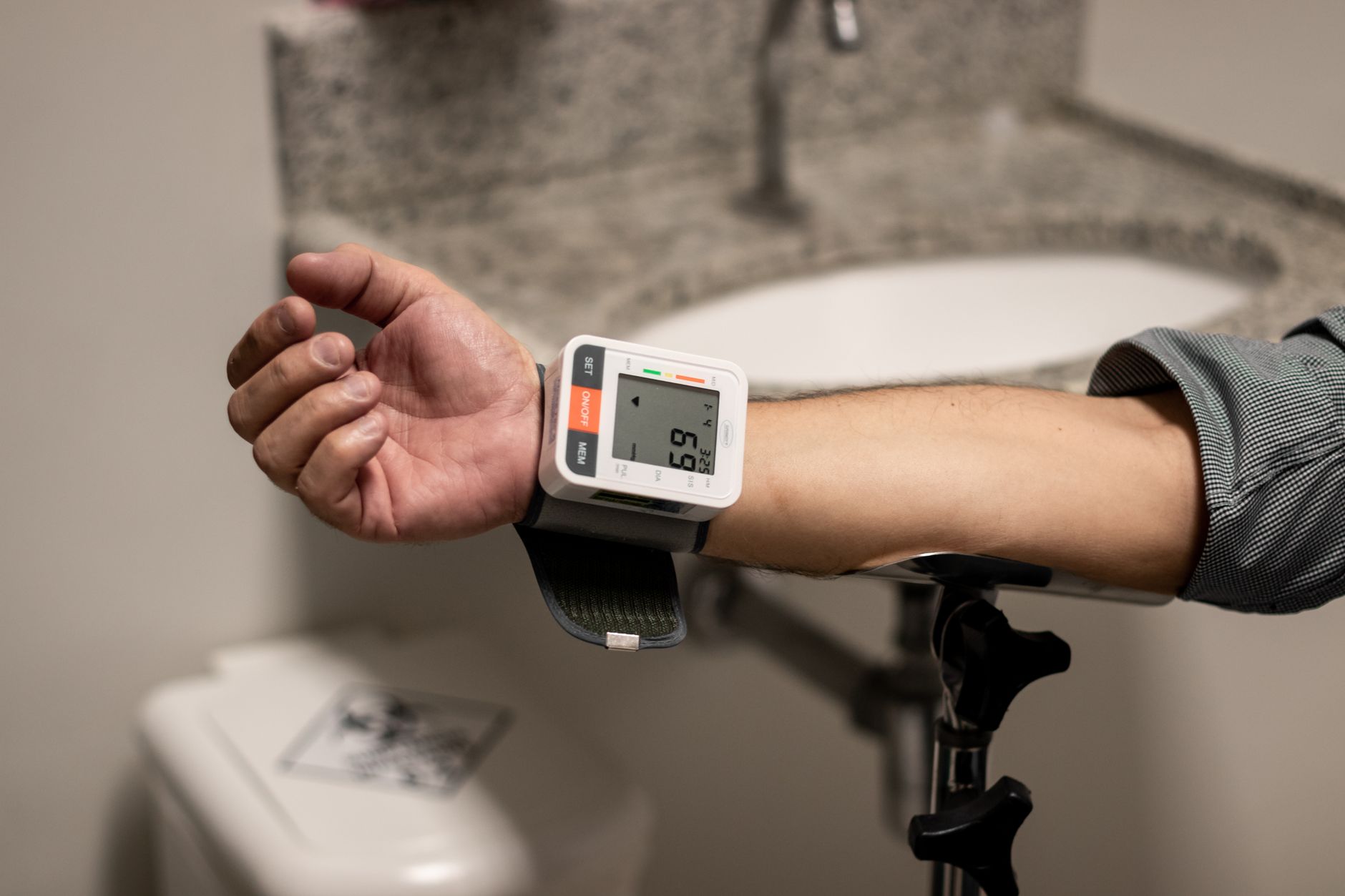
Clinicians use a handheld monitor to record the vital signs that feed into the MEOWS score.
How to calculate the MEOWS score
Calcu
lating the MEOWS score is straightforward. Below is the standard chart used in most hospitals. Each vital sign is placed into a zone, and points are assigned as follows: green = 0 points, amber = 1 point, red = 2 points. Any symptom that falls into the red category adds 2 points automatically. The total score is the sum of all points.
Parameter
Green (Normal)
Amber (Moderate Concern)
Red (High Concern)
Heart Rate (bpm)
60‑100
101‑119
>120 or <60
Blood Pressure (mmHg)
Systolic 90‑140, Diastolic 60‑90
Systolic 141‑159 or Diastolic 91‑100
Systolic ≥160 or Diastolic ≥101
Respiratory Rate (breaths/min)
12‑20
21‑24
>24 or <12
Temperature (°C)
36.0‑37.5
37.6‑38.0
>38.0 or <36.0
Oxygen Saturation (%)
≥ 96
94‑95
<94
Urine Output (ml/4 h)
≥250
150‑249
<150
Severe Headache/Visual Changes
None
Occasional mild
Persistent or severe
Vaginal Bleeding
None or spotting
Light bleeding
Heavy or rapid bleeding
To calculate your own score, simply note each measurement and assign the appropriate points. Add them together for a total. For example, a pregnant person with a heart rate of 105 bpm (amber = 1 point), systolic blood pressure of 150 mmHg (amber = 1 point), normal temperature (0 points), and no concerning symptoms (0 points) would have a MEOWS total of 2 points.
If you’d like to try the calculator yourself, our site offers a convenient tool: MEOWS Maternal Warning Score. It walks you through each parameter, automatically tallies the points, and tells you what level of response is recommended.
Many home‑monitoring kits now include Bluetooth‑enabled blood pressure cuffs and pulse oximeters that sync directly to smartphone apps. While these devices are generally reliable, always double‑check the readings against a manual measurement if you suspect an error. Consistency is key—track the same time of day and the same arm for blood pressure, for example.
Even at home, you can track vitals and use the MEOWS chart to stay informed.
Interpreting the MEOWS score: thresholds and actions
Once you have a total, the next step is interpretation. The score guides the urgency of clinical response:
0–1 points (Green zone): Routine monitoring. Continue standard prenatal visits; no immediate escalation needed.
2–3 points (Amber zone): Increased surveillance. Your provider should be alerted, and you may need more frequent vital checks (e.g., every 4 hours) and a focused clinical review.
4 or more points (Red zone): Immediate escalation. This is a red flag that warrants urgent evaluation, possible admission, and rapid intervention. Call your provider, midwife, or go to the nearest emergency department without delay.
In practice, the exact cut‑offs can vary slightly by institution, but the principle remains the same: the higher the score, the faster the response needed. Most guidelines recommend that a red‑zone score triggers a “call‑doctor‑now” protocol, often involving a rapid response team or obstetric emergency team.
When a red‑zone score is reached, clinicians typically initiate a “code” response: a multidisciplinary team—including obstetrics, anesthesia, and critical care—converges on the bedside within minutes. They will assess for hemorrhage, sepsis, pre‑eclampsia, or cardiac compromise and begin targeted treatment, such as antihypertensives, antibiotics, or blood products.
Remember, the MEOWS score is a tool—not a diagnosis. A low score does not guarantee that complications won’t arise, just as a high score does not automatically mean a serious outcome. It’s a prompt to have a conversation with your care team about what the numbers mean for you personally.
Common maternal warning signs during pregnancy and postpartum
While the MEOWS score captures objective measurements, you should also stay alert to subjective symptoms that can herald danger. Below is a consolidated list of the most frequent warning signs, grouped by the stage of pregnancy.
First and second trimester: Persistent severe headache, visual disturbances (flashing lights, blurred vision), sudden swelling of hands or face, severe abdominal pain, vaginal bleeding beyond spotting, rapid weight gain (>2 kg in a week), and feeling faint or short‑of‑breath at rest.
Third trimester: Decreased fetal movement, new‑onset hypertension, protein in urine, persistent back pain, sudden gush of fluid (possible premature rupture of membranes), and signs of pre‑eclampsia (headache + visual changes + high blood pressure).
Postpartum (first 6 weeks): Uncontrolled bleeding, severe abdominal pain, fever >38 °C, foul‑smelling lochia, shortness of breath, chest pain, rapid heart rate, and signs of infection at a C‑section scar.
These symptoms often overlap with the red‑zone criteria in the MEOWS chart, reinforcing why it’s essential to combine objective scores with your personal experience. If any of these arise, you should consider them an immediate cue to check your vitals and, if the score rises, contact your provider.
It’s also worth noting that some warning signs, like sudden swelling or a severe headache, may be the first manifestation of a condition such as pre‑eclampsia. Early detection through MEOWS can therefore prompt labs and imaging that confirm the diagnosis before severe complications develop.
Even a quiet night can bring warning signs—listen to your body and track them.
When to escalate care: red‑flag symptoms and steps to take
Escalation doesn’t always require a full emergency department visit; sometimes a phone call to your midwife or obstetrician is enough. The key is to act quickly when a red‑flag symptom appears. Here’s a step‑by‑step guide you can keep on your nightstand:
Recognize the symptom. Identify if you’re experiencing any of the warning signs listed above.
Check your vitals. Use a home blood pressure cuff, a pulse oximeter, or a thermometer. If you don’t have these tools, note how you feel (e.g., “rapid heartbeat,” “shortness of breath”).
Calculate your MEOWS score. Use the chart or our online calculator to see where you fall.
Contact your care provider. If the score is 2 points (amber) or higher, or if any red‑flag symptom is present, call your obstetrician, midwife, or the labor‑and‑delivery unit. Mention the exact score and symptoms.
Follow instructions. Your provider may ask you to come in for an urgent assessment, go to a nearby urgent‑care clinic, or, in rare cases, call emergency services (911/999).
Document the event. Write down the time, symptoms, vitals, and what the provider advised. This record helps your care team track trends over time.
Never wait for the next scheduled prenatal appointment if you notice a sudden change. Timely escalation can prevent progression to severe conditions such as eclampsia, sepsis, or hemorrhagic shock.
In many cultures, family members may be the first responders. Encourage a trusted partner or relative to be present when you call for help—they can help you stay calm, repeat the information you give to clinicians, and assist with transportation if needed.
How healthcare providers use MEOWS to prevent maternal mortality
In hospitals, the MEOWS chart is usually displayed on the patient’s bedside or in the electronic health record (EHR). Nurses record vitals at regular intervals (often every 4 hours for low‑risk patients, every hour for higher‑risk cases). When a score reaches the amber threshold, a protocol is triggered: a senior obstetrician is alerted, and a focused assessment is performed. If the score climbs to red, a rapid response team arrives within minutes.
Research from the NHS and the CDC demonstrates that systematic early warning systems like MEOWS reduce maternal mortality by up to 30 % in high‑volume obstetric units. The impact is especially pronounced for conditions that develop quickly, such as postpartum hemorrhage, sepsis, and severe pre‑eclampsia. By providing a clear numeric trigger, the system minimizes reliance on subjective judgment alone, which can vary between providers.
Beyond the bedside, the MEOWS data feed into quality‑improvement dashboards that hospitals use to audit outcomes, identify patterns, and refine training. In this way, the score not only protects individual patients but also drives system‑wide safety improvements.
Training programs for obstetric nurses now include simulation scenarios that revolve around MEOWS activation. This hands‑on practice ensures that when a real‑world red‑zone score appears, the response is swift, coordinated, and evidence‑based.
Integrating the MEOWS score into your personal care plan
Even if you’re not currently admitted to a hospital, you can still benefit from the principles behind MEOWS. Here’s how to weave it into your everyday routine:
Track vitals at home. Keep a small notebook or digital log of blood pressure, heart rate, temperature, and any symptoms you notice. Many pregnancy‑tracking apps allow you to add custom fields for these numbers.
Know your baseline. Discuss with your provider what “normal” looks like for you. For example, a slight increase in blood pressure may be expected later in pregnancy, but the exact range matters.
Set thresholds. Decide with your care team what score will prompt a phone call versus an emergency department visit. Write those thresholds on a sticky note in your kitchen or bedroom.
Share the chart. Show the MEOWS chart to your partner, doula, or support person. When you’re unable to call, they can help assess the situation.
Ask the right questions. At each prenatal visit, ask: “Based on my recent vitals, am I staying in the green zone? What should I watch for?” This keeps the conversation focused on early warning signs.
Postpartum recovery is a time when many women feel “back to normal,” yet the risk of complications remains high. Incorporating MEOWS monitoring during the first six weeks after birth can catch infections, clotting disorders, or fluid overload that might otherwise be missed.
Remember, the MEOWS score is a collaborative tool—not a solo diagnostic. When you involve your care team early, you create a safety net that works for both you and your baby.
From our medical team: The MEOWS system is a safety net, not a replacement for your intuition. If something feels off, trust that feeling, check your vitals, and reach out. Early communication with your provider is the most effective way to keep both you and your baby safe.
Talking to your care team about MEOWS scores
Bringing up MEOWS at your prenatal or postpartum visit can feel intimidating, but most clinicians welcome the conversation. Start by sharing the specific numbers you’ve recorded and ask, “Based on these trends, am I staying in the green zone?” This direct question signals that you’re engaged and gives the provider a clear reference point.
If you notice a rising trend—say, a gradual increase in blood pressure over several days—ask for a plan. A typical response might include more frequent home monitoring, a repeat lab work‑up, or a short‑term medication adjustment. Having a written note of your scores (a screenshot from the BumpBites calculator works well) makes it easier for the provider to see the pattern at a glance.
Adapting MEOWS for high‑risk pregnancies
Women with pre‑existing hypertension, diabetes, multiple gestations, or a history of pre‑eclampsia often have modified MEOWS thresholds. For example, a provider may set a lower blood‑pressure trigger (e.g., systolic ≥ 150 mmHg instead of ≥ 160 mmHg) because these patients are more vulnerable to rapid deterioration.
In such cases, the care team may also add extra parameters, such as daily proteinuria checks or continuous fetal heart‑rate monitoring. Discuss with your obstetrician whether a personalized MEOWS chart is appropriate for you, and ask how often you should reassess the score.
Digital tools and apps that support MEOWS monitoring
Beyond the BumpBites calculator, several reputable apps integrate MEOWS‑compatible tracking. The NHS “Pregnancy App” and the ACOG‑endorsed “OB‑Tracker” both let you log vital signs, set alerts for amber or red thresholds, and share the data securely with your provider. When choosing a tool, look for FDA‑cleared medical devices for blood pressure and pulse oximetry to ensure accuracy.
Many smartwatches now offer heart‑rate and SpO₂ monitoring, but they are not a substitute for a calibrated cuff or pulse oximeter. Use them as a supplemental check—if a smartwatch shows a sudden spike, verify it with a medical‑grade device before calculating your MEOWS score.
Technology can make daily MEOWS monitoring easier and more reliable.
Myth: “If my MEOWS score is low, I don’t need to worry about any symptoms.”
Fact: A low score means your vitals are currently within normal ranges, but you should still report any new or worsening symptoms. The score complements, not replaces, clinical judgment.
Myth: “Only hospitals use the MEOWS score; it’s not relevant to home care.”
Fact: The same parameters can be measured at home, and many providers encourage patients to track them between visits. Knowing the thresholds helps you act promptly.
Myth: “MEOWS can predict every pregnancy complication.”
Fact: While MEOWS captures many high‑risk signs, some conditions (like placenta previa) may develop without early vital sign changes. Regular prenatal care remains essential.
Key takeaways
The MEOWS score tracks seven vital signs and key symptoms to flag early maternal complications.
Green = 0‑1 points (routine monitoring); amber = 2‑3 points (increased surveillance); red = 4 + points (urgent escalation).
Common warning signs include severe headache, visual changes, sudden swelling, heavy bleeding, fever, and rapid heart rate.
When a red‑zone score or any red‑flag symptom appears, call your provider immediately; don’t wait for the next appointment.
Integrate home monitoring and the MEOWS chart into your daily routine to stay proactive.
Early detection through MEOWS has been shown to reduce maternal mortality by up to 30 % in high‑volume obstetric settings.
High‑risk pregnancies may use customized thresholds, and digital tools can simplify tracking.
Frequently asked questions
What is the MEOWS score and how is it used?
The MEOWS score is a numeric system that adds points for abnormal heart rate, blood pressure, respiratory rate, temperature, oxygen saturation, urine output, and specific symptoms. It is used by clinicians to quickly identify pregnant or postpartum patients who need closer monitoring or urgent care.
What are the most common maternal warning signs?
Common signs include severe or persistent headache, visual disturbances, sudden swelling of hands or face, heavy vaginal bleeding, fever over 38 °C, rapid heart rate, shortness of breath, and decreased fetal movements in the third trimester.
When should I seek medical attention during pregnancy?
If you notice any red‑flag symptom, or if your home‑measured MEOWS score reaches 2 points (amber) or higher, you should contact your provider right away. For a red‑zone score (4 + points) or any severe symptom such as heavy bleeding or sudden severe pain, call emergency services immediately.
How does the MEOWS score help identify maternal complications?
By translating vital sign abnormalities and key symptoms into a single number, MEOWS provides an objective trigger for clinicians to intervene earlier. Studies from ACOG and RCOG show that using early warning scores can detect complications up to 12 hours before they become critical.
What are the risks of not escalating care during pregnancy?
Delaying care can allow conditions like pre‑eclampsia, sepsis, or postpartum hemorrhage to progress unchecked, increasing the risk of organ damage, intensive‑care admission, and, in severe cases, maternal death. Early escalation dramatically lowers these risks.
Can the MEOWS score predict maternal mortality?
While no tool can guarantee prediction, the MEOWS score is associated with a lower maternal mortality rate when used consistently. It flags high‑risk patients who need rapid intervention, which is a key factor in preventing fatal outcomes.
Can I use a smartwatch to track MEOWS parameters?
Smartwatches can give you quick heart‑rate and oxygen‑saturation trends, but they are not a substitute for medical‑grade devices. Verify any abnormal reading with a calibrated blood pressure cuff or pulse oximeter before adding it to your MEOWS calculation.
What should I do if I miss a vital‑sign measurement?
If you skip a measurement, note the time and reason, then resume monitoring as soon as possible. A single missed data point rarely changes the overall trend, but consistent gaps can obscure early warning signs, so aim for regular, scheduled checks.
When to call your doctor
Call your obstetrician, midwife, or go to the nearest emergency department immediately if you experience any of the following:
Severe or persistent headache, especially with visual changes.
Sudden swelling of face, hands, or feet.
Heavy vaginal bleeding (soaking a pad in less than an hour) or passing clots.
Chest pain, shortness of breath, or rapid heartbeat (>120 bpm).
Fever >38 °C (100.4 °F) that does not respond to acetaminophen.
Significant decrease in fetal movement (no kicks for >2 hours).
MEOWS score of 4 points or higher.
This information is for educational purposes only and does not replace personalized medical advice. Always consult your own healthcare provider with any concerns.
References
Royal College of Obstetricians and Gynaecologists (RCOG). “Early Warning Scores for Maternal Care.” Clinical guideline, 2022.
American College of Obstetricians and Gynecologists (ACOG). “Preventing Maternal Mortality.” Committee Opinion No. 809, 2023.
National Health Service (NHS). “Maternal Early Obstetric Warning System (MEOWS).” Patient information leaflet, 2021.
Centers for Disease Control and Prevention (CDC). “Maternal Mortality Review Committee Report.” 2022.
World Health Organization (WHO). “Recommendations for Safe Motherhood.” Global guidelines, 2023.
Mayo Clinic. “Pre‑eclampsia: Symptoms, Causes, and Treatment.” Updated 2024.
National Institute for Health and Care Excellence (NICE). “Postnatal Care.” Clinical guideline CG139, 2022.
Food and Drug Administration (FDA). “Guidance for Blood Pressure Monitoring Devices.” 2021.
National Health Service (NHS). “Digital Tools for Pregnancy.” 2023.
Not sure about the label on Maternal Warning Signs Meows Score When To Escalate Care products?
Snap the ingredients list and SafeFilter checks every ingredient for your stage — only 3 free scans this month, then you're locked until reset. Unlimited from $7/mo or $50/yr.
When Shubhra Mishra was expecting her first child in 2016, she was overwhelmed by conflicting food advice — one site said yes, another said never. By the time her second baby arrived in 2019, she realized millions of mothers face the same confusion.
That sparked a five-year journey through clinical nutrition papers, cultural diets, and expert conversations — all leading to BumpBites: a calm, compassionate space where science meets everyday motherhood.
Her long-term vision is to build a global community ensuring safe, supported, and free deliveriesfor every mother — because no woman should face pregnancy alone or uninformed. 🌿
🌍 Stand with mothers, shape safer guidance
Join a small circle of experts who review BumpBites articles so expecting parents everywhere can decide with confidence.