Mandi in Pregnancy — Safe Meat Temps, Rice Hygiene (B. cereus), Spice Sense, Street-Food Checks & Smart Portions

Mandi in Pregnancy — Safe Meat Temps, Rice Hygiene (B. cereus), Spice Sense, Street-Food Checks & Smart Portions

Quick answer: Best avoided

Mandi, the fragrant Yemeni rice-and-meat dish, can be pregnancy-friendly when meat reaches safe internal temperatures, rice is handled hot and clean, and portions are balanced. Global, evidence-based guide on toxoplasma/salmonella prevention, Bacillus cereus in rice, spice safety, and restaurant/leftover rules.

Source: BumpBites — pregnancy food-safety guide. Always consult your doctor.

Mandi during pregnancy — at a glance
Pregnancy verdictBest avoided
Suggested limit1 plate per day
Serving sizePer 1 plate (≈1 cup cooked rice + 120 g cooked chicken/lamb)
Calories≈550–800 kcal

Key things to know about Mandi in pregnancy

  • Mandi is best avoided during pregnancy because of potential risks to you or your baby.
  • A per 1 plate (≈1 cup cooked rice + 120 g cooked chicken/lamb) serving of mandi provides roughly ≈550–800 kcal, including ≈25–35 g of protein, ≈65–90 g of carbohydrates, ≈18–28 g of fat.
  • Varies by cut of meat, added fat, and portion size; fried accompaniments raise values.
  • Satisfying protein-carb combo; choose lean cuts and add salad/veg to keep portions comfortable and balanced.
On this page

Mandi, the fragrant Yemeni rice-and-meat dish, can be pregnancy-friendly when meat reaches safe internal temperatures, rice is handled hot and clean, and portions are balanced. Global, evidence-based guide on toxoplasma/salmonella prevention, Bacillus cereus in rice, spice safety, and restaurant/leftover rules.

Shubhra Mishra

By Shubhra Mishra — a mom of two who turned her own confusion during pregnancy into BumpBites, a global mission to make food choices clear, safe, and stress-free for every expecting mother. 💛

Are you a qualified maternal-health or nutrition expert? Join our reviewer circle.

Wondering about another food?

Check whether any food is safe during pregnancy with the BumpBites Food Safety Checker.

Download the Complete Pregnancy Food Guide (10,000 Foods) 📘

Instant PDF download • No spam • Trusted by thousands of moms

💡 Your email is 100% safe — no spam ever.

Mandi in Pregnancy — The Short Answer

Yes—mandi is fine in pregnancy when it’s prepared and served safely. Two hazards to manage: undercooked meat (risk of Salmonella and Toxoplasma gondii) and mishandled rice (risk of Bacillus cereus if kept warm too long). The fix is simple: ensure meat reaches safe temperatures, rice is eaten fresh and hot (or cooled fast and reheated properly), and the kitchen keeps raw and cooked foods separate. [4] [3] [5] [2]

Mandi 101 — Fragrant Rice, Tender Meat, Gentle Smoke

Mandi hails from Yemen and is now mainstream across the Middle East and beyond. It pairs long-grain rice (often basmati) with lamb or chicken, seasoned with warm spices (cardamom, cloves, cinnamon, cumin, turmeric) and sometimes finished with a touch of smoke. The technique varies: some kitchens cook meat suspended above rice so juices season the grains; others oven-roast or grill the meat separately and fold into rice. For pregnancy, what matters isn’t the style—it’s temperature and time. [2]

Meat Safety — Hitting the Numbers Every Time

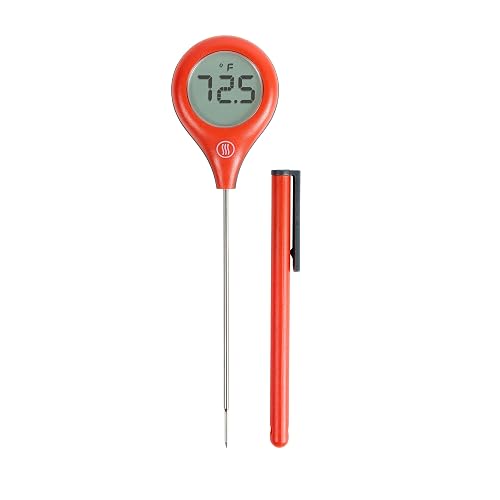
Poultry is the stricter target: aim for 74 °C / 165 °F in the thickest part with an instant-read thermometer. For lamb, whole cuts can be served at 63 °C / 145 °F with an appropriate rest, but in pregnancy many people prefer the meat well-done to simplify risk management. Minced/ground lamb should be treated like mince—cook thoroughly. [3] [1]

  • Visuals help, meters confirm: Clear juices, no pink in poultry fibres, and steady steam.
  • Cross-contamination controls: Separate boards/knives for raw and cooked foods; handwash after handling raw meat. [2]
  • Marinades & acids: Flavourful, but they do not “cook” meat safely—only heat does.

Rice Hygiene — Bacillus cereus Is About Time & Temperature

Bacillus cereus spores can survive cooking. If rice is held around room temperature, bacteria can multiply and produce toxins that reheating may not destroy. The pregnancy-smart approach: eat rice fresh and hot, or cool it fast and refrigerate promptly. [5] [4]

  • 2-hour rule: Get leftovers into the fridge within two hours (one hour if it’s very warm). [1]
  • Shallow containers: Spread rice thinly so it cools fast before refrigeration. [2]
  • Reheat hard: Until steaming hot throughout, not just warm at the edges. [4]

Spices — Big Aroma, Sensible Amounts

Mandi’s spice profile (cardamom, cinnamon, cumin, cloves, turmeric, sometimes black lime) is generally safe in culinary amounts. What to avoid is concentrated, high-dose spice supplements unless prescribed (e.g., curcumin capsules). If heartburn is an issue, keep chilli heat moderate and add yogurt/raita to soften the dish. [7] [6]

Portions & Balance — Comfort Without the Slump

Rice + meat can be heavy. For steady energy and comfort in pregnancy, keep portions measured and add fibre-rich sides. A good pattern is: ~1 cup cooked rice, ~100–150 g cooked meat, and half the plate veg/salad. If managing blood glucose, spread carbs across the day and anchor meals with protein and fibre. [6]

Restaurants, Buffets & Street Vendors — Practical Checks

  • Look for steam: Order fresh, hot portions. Avoid trays that look crusted over or lukewarm. [4]
  • Ask the basics: “Is the chicken fully cooked through?” “How long has the rice been out?”
  • Separate serving: Tongs and spoons should be dedicated for cooked foods; rice should be in hot-holding equipment, not on tables. [2]

Leftovers — Cool Fast, Reheat Right

Pack leftovers promptly (≤2 hours), store at ≤4 °C/40 °F, and finish within 24–48 hours. Reheat until steaming hot and stir so the centre is hot too. When in doubt, throw it out. [1] [4]

When to Pause or Personalise

If you’re nauseous or reflux-prone, keep the dish mild and portions small; swap fatty cuts for lean ones. If you’re travelling or unsure about hygiene, choose a freshly cooked entrée that arrives piping hot instead of buffet rice dishes. For gestational diabetes, prioritise lean meat, modest rice, and plenty of salad—monitor how your readings respond. [6]

Pregnancy FAQ — Mandi

Is mandi safe during pregnancy?

Yes—when meat is thoroughly cooked and rice is handled hot and clean. Avoid lukewarm buffet trays and long-held street servings. [2] [4]

What internal temperatures are safe?

Poultry: 74 °C/165 °F; whole cuts of lamb: 63 °C/145 °F with rest. Mixed dishes should be visibly steaming. [3]

Why is rice sometimes risky?

Bacillus cereus spores can survive cooking and multiply if rice is held warm too long. Eat it fresh and hot, or cool quickly and refrigerate. [5]

Are spices safe?

Yes in normal cooking amounts. Avoid high-dose spice supplements unless prescribed. [7]

Leftovers?

Refrigerate within 2 hours, keep ≤48 hours, and reheat to steaming hot. When unsure, bin it. [1]

🥗 Nutrition Facts

sugar3 g
limit Per Day1 plate
carbohydrates≈65–90 g
noteVaries by cut of meat, added fat, and portion size; fried accompaniments raise values.
quantityPer 1 plate (≈1 cup cooked rice + 120 g cooked chicken/lamb)
fats≈18–28 g
protein≈25–35 g
calories≈550–800 kcal

Editor's pick for this topic

Shubhra Mishra

About the Author

When Shubhra Mishra was expecting her first child in 2016, she was overwhelmed by conflicting food advice — one site said yes, another said never. By the time her second baby arrived in 2019, she realized millions of mothers face the same confusion.

That sparked a five-year journey through clinical nutrition papers, cultural diets, and expert conversations — all leading to BumpBites: a calm, compassionate space where science meets everyday motherhood.

Her long-term vision is to build a global community ensuring safe, supported, and free deliveriesfor every mother — because no woman should face pregnancy alone or uninformed. 🌿

🌍 Stand with mothers, shape safer guidance

Join a small circle of experts who review BumpBites articles so expecting parents everywhere can decide with confidence.

References
  1. CDC — Food Safety for Pregnant People (meat safety, leftovers, refrigeration) https://www.cdc.gov/foodsafety/communication/pregnant-women.html
  2. WHO — Five Keys to Safer Food (clean, separate, cook, keep safe temperatures, safe water/raw materials) https://www.who.int/publications/i/item/9789241594639
  3. FDA — Safe Minimum Cooking Temperatures (poultry 165 °F/74 °C; lamb 145 °F/63 °C + rest) https://www.fda.gov/food/buy-store-serve-safe-food/safe-food-handling
  4. NHS — Foods to avoid in pregnancy (undercooked meat, rice care, buffet caution) https://www.nhs.uk/pregnancy/keeping-well/foods-to-avoid/
  5. EFSA — Bacillus cereus in ready-to-eat foods & rice (spores, time-temperature risk) https://www.efsa.europa.eu/en/topics/topic/bacillus-cereus
  6. ACOG — Nutrition During Pregnancy (balanced plate, protein, whole grains, vegetables) https://www.acog.org/womens-health/faqs/nutrition-during-pregnancy
  7. FSANZ — Herbs & Spices (culinary amounts vs high-dose supplements) https://www.foodstandards.gov.au/consumer/chemicals/herbsandspices

⚠️ Always consult your doctor for medical advice. This content is informational only.