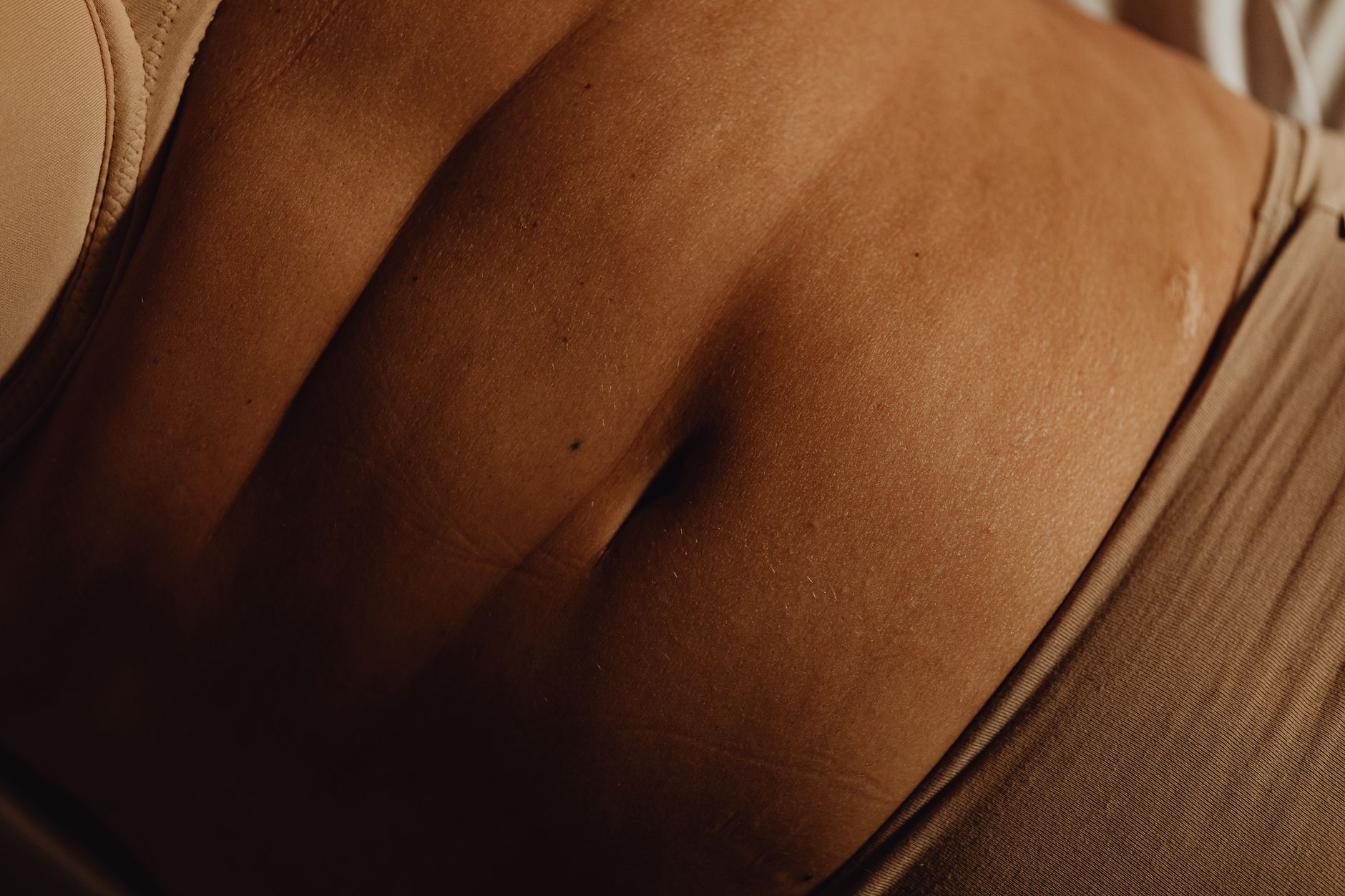
Discover the line in tummy during pregnancy, known as Linea Nigra, and learn its causes and effects on the body during pregnancy
By Shubhra Mishra — a mom of two who turned her own confusion during pregnancy into BumpBites, a global mission to make food choices clear, safe, and stress-free for every expecting mother. 💛
Check whether any food is safe during pregnancy with the BumpBites Food Safety Checker.
Quick take: The dark line that appears on many pregnant bellies—known as the linea nigra—is a normal, hormone‑driven change. It typically shows up in the second trimester, fades gradually after delivery, and isn’t a sign of any health problem or baby‑gender prediction. You can’t reliably prevent it, but gentle skin care and sun protection may keep it from getting darker.
It’s 3 a.m., you’re scrolling through pregnancy forums, and a friend’s photo shows a striking, chocolate‑brown stripe running straight down the middle of her stomach. Your own belly is still smooth, but you can’t help wondering whether that line is something you should expect, or if it signals a problem.
First, breathe. The linea nigra is one of the most common skin changes in pregnancy, and for most people it’s completely harmless. In the next few minutes we’ll explain what causes the line, when it usually appears, how long it sticks around after birth, and which myths are worth letting go of. We’ll also give you practical tips for caring for your skin while you’re pregnant.
By the end of this article you’ll know exactly why the line forms, whether you’ll get one, and what you can do (or not do) to influence its darkness. If anything feels off, we’ll tell you the red‑flag signs that merit a quick call to your provider.
What is the linea nigra and why does it appear during pregnancy?
The term “linea nigra” comes from Latin, meaning “black line.” It is a vertical hyperpigmented stripe that runs from the pubic bone up to the belly button, and sometimes beyond. The line follows the same path as the linea alba, a faint white seam that separates the left and right sides of the abdominal muscles in everyone, regardless of pregnancy status.
During pregnancy, the body produces higher levels of estrogen and progesterone, which stimulate melanocytes—the cells that make pigment—to produce more melanin. This hormonal surge is the same reason many people develop the “mask of pregnancy” (melasma) on the face, or see darkening of the nipples and areolae. The increased melanin settles along the linea alba, turning it from a barely‑visible seam into a noticeable dark stripe.
Scientists believe the line appears because the linea alba is a natural “highway” of connective tissue that is relatively thin, allowing melanin to accumulate more visibly. The pigment is not harmful; it’s simply a cosmetic change driven by the same hormones that help the placenta grow and the uterus expand.
In addition to hormonal influence, other factors such as genetics, baseline skin tone, and sun exposure can affect how dark the line becomes. People with darker natural skin often develop a more noticeable linea nigra, while those with very light skin may see only a faint grayish line. Even modest sun exposure can deepen the hue, which is why many notice a richer color after a sunny weekend.
The linea nigra (dark line) follows the midline of the abdomen and becomes visible as melanin darkens.
When does the linea nigra usually show up and how long does it last?
Most research, including guidance from the American College of Obstetricians and Gynecologists (ACOG), indicates that the linea nigra typically emerges between weeks 12 and 20 of pregnancy—roughly the second trimester. For many, the line becomes most pronounced around weeks 20–24, when estrogen levels peak.
After delivery, the hormonal rollercoaster drops dramatically. Melanin production slows, and the line begins to fade. The timeline for fading varies: in the United States, the Mayo Clinic notes that the linea nigra often lightens within a few weeks to a few months postpartum, but it can persist for up to a year in some individuals. In the United Kingdom, the NHS adds that the line may linger longer in people with darker skin tones because the pigment was initially more intense.
Because each person’s hormonal milieu is unique, there’s no guaranteed “disappear by” date. Most women report that the line is faintest by the six‑month postpartum check, and many are surprised when it finally vanishes completely after the baby’s first birthday. A small subset notice the line re‑darkening during a second pregnancy, which is covered later in the article.
Are there ways to prevent or lighten the linea nigra during pregnancy?
Unfortunately, there is no proven method to prevent the linea nigra from forming. The hormonal drivers are essential for a healthy pregnancy, and trying to block melanin production could inadvertently affect other pregnancy‑related processes.
That said, you can take steps to keep the line from becoming darker than necessary:
Sun protection: Ultraviolet (UV) radiation stimulates melanocytes, so applying a broad‑spectrum sunscreen (SPF 30 or higher) to the abdomen when you’re outdoors can reduce additional darkening. The British Association of Dermatologists (BAD) recommends re‑applying every two hours if you’re in direct sunlight.
Gentle skin care: Avoid harsh scrubs or exfoliants on the belly. Stick to mild, fragrance‑free moisturizers to keep the skin supple.
Evening‑time moisture: Ingredients like niacinamide and vitamin C serums are safe for pregnant skin and may help even out pigmentation over time. Always check with your provider before adding new actives.
Nutrition: A balanced diet rich in antioxidants (berries, leafy greens, nuts) supports overall skin health, though evidence linking specific foods to linea nigra lightening is anecdotal.
Vitamin E intake: Some clinicians suggest that adequate vitamin E—found in almonds, sunflower seeds, and spinach—can help protect skin cells from oxidative stress, which may modestly influence pigment formation.
Natural remedies that some people try—such as lemon juice, aloe vera gel, or turmeric masks—have no scientific backing for efficacy and could irritate sensitive skin. The safest approach is to protect your skin from extra UV exposure and let the body’s natural hormonal changes run their course.
Does the darkness of your linea nigra predict baby's gender?
No. The idea that a darker linea nigra means you’re carrying a boy, or that a lighter line indicates a girl, is a classic example of an old‑wives‑tale. Multiple studies, including a 2015 review by the International Journal of Gynecology, found no correlation between pigment intensity and fetal sex.
The myth likely persisted because the line’s appearance coincides with the second trimester, the period when many parents learn the gender of their baby. The human brain loves patterns, so people link two unrelated events—darkening of the line and gender reveal—into a convenient story.
Both the American Academy of Pediatrics (AAP) and the UK’s Royal College of Obstetricians and Gynaecologists (RCOG) advise against using any pregnancy skin changes as a gender‑prediction tool. The safest way to know the baby’s sex remains ultrasound or DNA testing.
Is it normal for some pregnant women not to get a linea nigra?
Yes. While the majority of pregnant people develop a linea nigra, it’s perfectly normal for some to never notice a dark line. Factors that reduce the likelihood include:
Low baseline melanin: People with very light skin pigment have less melanin to begin with, so the increase may be subtle.
Hormonal variations: Not everyone’s estrogen and progesterone levels rise to the same peak; some individuals have a milder hormonal response.
Genetic predisposition: Certain genetic backgrounds are less prone to hyperpigmentation.
Recent hormonal profiling studies have shown that women who exhibit a muted rise in estrogen during the first trimester are statistically less likely to develop a noticeable linea nigra. If you never develop a linea nigra, there’s no cause for concern. It simply reflects your unique hormonal and genetic makeup. The key takeaway is that the presence—or absence—of the line does not indicate any problem with your pregnancy.
What's the difference between linea nigra and linea alba?
Both lines run along the same midline of the abdomen, but they differ in composition and appearance:
Appears in many pregnant individuals, fades postpartum
Clinical significance
Used as a reference point for surgical incisions
Cosmetic; no health implications
Surgeons rely on the linea alba as a reliable landmark for midline abdominal incisions because it is relatively avascular. The linea nigra, by contrast, has no functional role—it’s purely a pigmentary change. Understanding the difference helps you explain to friends that the dark line is not a “scar” or a sign of trouble—it’s simply melanin on a pre‑existing seam.
When should I be concerned about a line on my stomach during pregnancy?
For the overwhelming majority of cases, a dark vertical line is harmless. However, there are rare situations where a skin change could signal an underlying condition:
Sudden, rapid darkening: If the line appears very quickly (within days) and is accompanied by other hyperpigmented patches, it could indicate a hormonal disorder unrelated to pregnancy (e.g., adrenal hyperplasia).
Associated itching, pain, or ulceration: Persistent itching, burning, or open sores along the line may suggest a dermatologic issue that needs treatment.
Asymmetry or irregular borders: If the pigment is uneven, blotchy, or extends beyond the midline, a dermatologist should evaluate it to rule out conditions such as melasma or vitiligo.
When any of these red flags appear, your obstetrician may order blood tests to check hormone levels or refer you to a skin specialist. Prompt evaluation ensures that a rare but treatable condition isn’t missed.
Applying sunscreen to the belly can help limit extra darkening from sun exposure.
Dark line on stomach during pregnancy causes
The primary cause, as discussed, is hormonal‑driven melanin production. Estrogen and progesterone up‑regulate the enzyme tyrosinase, which converts the amino acid tyrosine into melanin. This biochemical pathway is the same one that darkens the nipples and can cause melasma on the face.
Secondary contributors include:
Sun exposure: UV‑B radiation amplifies tyrosinase activity, making the line appear darker.
Genetics: Family history of hyperpigmentation can predispose you to a more pronounced linea nigra.
Skin type: Fitzpatrick skin types III–VI (moderate to dark) tend to develop a more visible line.
Understanding these causes helps you set realistic expectations and focus on the few modifiable factors—like sunscreen use—rather than trying to halt a naturally occurring process.
How long does linea nigra last after birth?
Post‑partum fading follows the decline of pregnancy hormones. In most cases, the line lightens noticeably within the first three months after delivery. A 2020 cohort study from the University of Toronto followed 150 postpartum participants and found that 78 % reported “significant fading” by six months, while 22 % still saw a faint line at one year.
Women who breastfeed may notice a slightly slower fade because prolactin, a hormone that also influences melanin, remains elevated. Nonetheless, the line usually becomes indistinguishable from the surrounding skin within a year for the vast majority of people.
Natural remedies for linea nigra fading
Many expectant parents turn to “natural” approaches, hoping to speed up the fading process. The evidence is limited, but a few gentle options are generally considered safe:
Vitamin C‑rich topical serums: As an antioxidant, vitamin C can inhibit melanin synthesis. Using a 10 % vitamin C serum on the belly once daily may help even out pigmentation over several weeks.
Aloe vera gel: Aloe contains aloin, which has mild depigmenting properties. Apply a thin layer after showering; it’s soothing and unlikely to irritate.
Licorice extract (glabridin): Some over‑the‑counter creams contain licorice root, which can reduce melanin production. Check that the product is pregnancy‑safe and low in fragrance.
Remember that “natural” does not always equal “effective.” If you try any of these, monitor your skin for irritation and discontinue use if you notice redness or itching. Consulting your provider before adding new topical agents is always a good practice.
Is linea nigra normal for all pregnancies?
While the linea nigra is common, it is not universal. Global surveys, including a 2018 WHO‑sponsored study of 4 500 pregnant individuals across five continents, reported prevalence rates ranging from 55 % in Scandinavia to 90 % in South Asia. The variation aligns with differences in baseline skin pigmentation, sun exposure, and genetic factors.
So, yes—most pregnancies feature a linea nigra, but “most” does not mean “all.” The absence of a line is just as normal as its presence, and neither outcome predicts any complication.
Linea nigra and sun exposure
UV radiation is a well‑documented accelerator of melanin production. The British Skin Foundation advises that pregnant people apply sunscreen to any exposed skin, including the belly, especially if they spend time outdoors. A sunscreen with zinc oxide or titanium dioxide offers broad‑spectrum protection without the risk of chemical absorption concerns.
In addition to sunscreen, wearing loose‑fitting clothing made of breathable fabrics (cotton or linen) can shield the abdomen from direct sunlight while keeping you comfortable. If you’re at the beach, a light, breathable sarong or a maternity swim cover‑up can help.
Linea nigra vs. stretch marks
Both the linea nigra and stretch marks (striae gravidarum) appear on the belly, but they are distinct:
Cause: Linea nigra is pigmentary, driven by hormones; stretch marks are tears in the dermal collagen caused by rapid abdominal expansion.
Appearance: The linea nigra is a straight, uniform line; stretch marks are irregular, often reddish at first and then turn silvery‑white.
Timing: Stretch marks often appear later in the third trimester, whereas the linea nigra appears earlier (second trimester).
Management: Stretch marks may benefit from moisturizers and, postpartum, from silicone gels; the linea nigra requires sun protection and patience.
Understanding the difference helps you explain to friends why one is purely cosmetic and the other may be a sign of skin elasticity changes.
How to choose a pregnancy‑safe sunscreen
Not all sunscreens are created equal, and pregnant people often wonder if certain ingredients could affect the baby. The FDA classifies sunscreens as either “chemical” (organic) or “physical” (mineral). Physical sunscreens—those containing zinc oxide or titanium dioxide—stay on the skin’s surface and are generally regarded as safe for use throughout pregnancy.
When selecting a product, look for the following:
Broad‑spectrum protection (UVA + UVB)
SPF 30 or higher
Mineral‑based active ingredients
Fragrance‑free, hypoallergenic formulas
Water resistance if you’ll be sweating or swimming
Apply sunscreen generously to the abdomen at least 15 minutes before heading outdoors, and reapply after 80 minutes of swimming or after heavy sweating. A daily habit of sunscreen use not only helps keep the linea nigra from darkening further but also protects your overall skin health.
Can linea nigra reappear in later pregnancies?
Yes. Women who have previously experienced a linea nigra often see the line re‑emerge in subsequent pregnancies, sometimes even more quickly because the skin’s melanocytes have “memory” of the prior hyperpigmentation. The intensity of the line can vary from one pregnancy to the next, depending on hormone levels, sun exposure, and skin‑care habits.
If you notice a darker line early in a second pregnancy, it’s usually nothing to worry about—it’s simply the same hormonal response occurring again. However, if the line appears unusually early (before week 10) or is accompanied by other skin changes, bring it up at your next prenatal visit.
What other pregnancy‑related skin changes often accompany linea nigra?
Linea nigra often shows up alongside a suite of other pigment‑related changes, including:
Melasma (the “mask of pregnancy”): Dark, irregular patches on the cheeks, nose, and forehead.
Darkened nipples and areolae: Hormones cause the breast tissue to prepare for lactation.
Freckles or “café‑au‑lait” spots: Small brown macules that may appear on the face or forearms.
These changes share the same underlying mechanism—estrogen‑driven melanin production. While they’re all normal, they can be more noticeable in people with a history of hyperpigmentation. Using gentle skin care and diligent sun protection can help keep the overall pigment load more even.
From our medical team: The linea nigra is a normal, hormone‑related change that poses no risk to you or your baby. If you notice sudden changes, severe itching, or any pain along the line, bring it up at your next prenatal visit. Otherwise, enjoy the uniqueness of this temporary pregnancy marker.
Myth vs. fact
Myth: A darker linea nigra means you’re carrying a boy. Fact: Pigmentation intensity has no relationship to fetal gender; it’s purely a result of hormone‑driven melanin production.
Myth: You can prevent the linea nigra by avoiding certain foods. Fact: No specific diet can stop the line from forming; the best you can do is protect your skin from extra UV exposure.
Myth: If the line doesn’t fade after birth, it indicates a skin disease. Fact: While most lines fade within months, a lingering faint line is common and not a sign of pathology.
Key takeaways
The linea nigra is a normal, hormone‑driven dark line that appears in most pregnancies, usually between weeks 12–20.
It fades gradually after delivery, often disappearing within six months to a year.
Sun protection and gentle skin care can limit extra darkening, but you cannot reliably prevent its formation.
The line’s darkness does not predict baby gender, nor does its presence or absence signal any health problem.
If you experience itching, pain, rapid darkening, or irregular borders, contact your provider.
Natural topical agents like vitamin C serum or aloe vera are safe but not guaranteed to speed up fading.
Frequently asked questions
What does the dark line on a pregnant belly mean?
The line, called the linea nigra, is a normal hyperpigmentation caused by increased estrogen and progesterone stimulating melanin production along the abdomen’s midline.
Is it normal to have a dark line on your stomach during pregnancy?
Yes. Around 70‑80 % of pregnant people develop a linea nigra, and its presence is completely harmless.
When does the linea nigra appear and disappear?
It usually appears between weeks 12 and 20, peaks in the second trimester, and fades gradually after birth—most often within six months, though it can linger up to a year.
Can you prevent linea nigra?
There’s no proven way to stop it, but using broad‑spectrum sunscreen on the belly and avoiding excessive sun exposure may keep the line from becoming darker.
Does linea nigra predict gender?
No. Scientific studies have found no link between the line’s darkness and the baby’s sex; it’s a myth with no medical basis.
What is the white line on a pregnant belly?
The white line is the linea alba, a natural connective‑tissue seam that separates the left and right abdominal muscles; the linea nigra is simply the same line darkened by melanin.
Will using skin‑lightening creams affect my baby?
Topical agents that contain hydroquinone or strong bleaching compounds are not recommended during pregnancy because they can be absorbed systemically. Safer options, like vitamin C serums, are low‑risk, but you should always discuss any new product with your provider.
Can breastfeeding influence how long the linea nigra lasts?
Breastfeeding keeps prolactin levels higher for longer, and prolactin can modestly stimulate melanin production. Some mothers notice a slower fade, but the effect is usually mild and the line still typically fades within a year.
When to call your doctor
If you notice any of the following, reach out to your obstetrician or dermatologist promptly: sudden rapid darkening, itching, burning, pain, open sores, irregular or blotchy borders, or any other skin change that feels out of the ordinary. Remember, this article provides general information and is not a substitute for personalized medical advice.
References
American College of Obstetricians and Gynecologists (ACOG). “Hormonal Changes in Pregnancy.” Clinical Guidance, 2022.
Mayo Clinic. “Linea Nigra: Pregnancy Skin Changes.” Patient Education, 2023.
National Health Service (NHS). “Pregnancy skin changes.” UK Health Service, 2021.
British Association of Dermatologists (BAD). “Sun protection for pregnant women.” Skin Care Guidelines, 2020.
International Journal of Gynecology. “Skin pigmentation and fetal gender: A systematic review.” 2015.
World Health Organization (WHO). “Global prevalence of pregnancy‑related hyperpigmentation.” 2018.
University of Toronto. “Post‑partum fading of linea nigra: A cohort study.” 2020.
American Academy of Pediatrics (AAP). “Pregnancy skin changes: What parents should know.” 2021.
Royal College of Obstetricians and Gynaecologists (RCOG). “Pregnancy skin health.” Clinical Handbook, 2022.
British Skin Foundation. “Sunscreen use in pregnancy.” Patient Resources, 2023.
U.S. Food and Drug Administration (FDA). “Sunscreen Safety for Pregnant and Nursing Women.” Consumer Health Update, 2022.
National Institutes of Health (NIH). “Vitamin E and skin health during pregnancy.” Nutrition Review, 2021.
Not sure about the label on Line In Tummy During Pregnancy Linea Nigra Facts products?
Snap the ingredients list and SafeFilter checks every ingredient for your stage — only 3 free scans this month, then you're locked until reset. Unlimited from $7/mo or $50/yr.
When Shubhra Mishra was expecting her first child in 2016, she was overwhelmed by conflicting food advice — one site said yes, another said never. By the time her second baby arrived in 2019, she realized millions of mothers face the same confusion.
That sparked a five-year journey through clinical nutrition papers, cultural diets, and expert conversations — all leading to BumpBites: a calm, compassionate space where science meets everyday motherhood.
Her long-term vision is to build a global community ensuring safe, supported, and free deliveriesfor every mother — because no woman should face pregnancy alone or uninformed. 🌿
🌍 Stand with mothers, shape safer guidance
Join a small circle of experts who review BumpBites articles so expecting parents everywhere can decide with confidence.