Hip pain during pregnancy is common and usually caused by hormonal changes, ligament stretching, and altered posture; relief comes from safe stretches, supportive pillows, and prenatal yoga.
By Shubhra Mishra — a mom of two who turned her own confusion during pregnancy into BumpBites, a global mission to make food choices clear, safe, and stress-free for every expecting mother. 💛
Check whether any food is safe during pregnancy with the BumpBites Food Safety Checker.
Quick take: Hip pain is common in pregnancy, especially as the belly grows and hormones relax your ligaments. Most discomfort can be eased with gentle stretching, supportive pillows, and smart posture choices. If the pain is sharp, sudden, or accompanied by fever, numbness, or contractions, contact your provider right away.
It’s 2 a.m., you’ve just rolled over on your side and feel a deep ache in the right hip that’s been nagging since breakfast. You wonder if it’s “normal” or a sign of something more serious. You’re not alone—thousands of expecting parents search for answers about hip pain every week.
In this guide we’ll explain why hips start to hurt, how to tell the difference between hip pain, pelvic‑girdle pain, and sciatica, and what you can do right now without reaching for medication. We’ll walk through safe stretches for each trimester, recommend the best pillows and support belts, and outline when it’s time to call a professional. By the end you’ll have a clear plan to keep moving comfortably through pregnancy and into postpartum recovery.
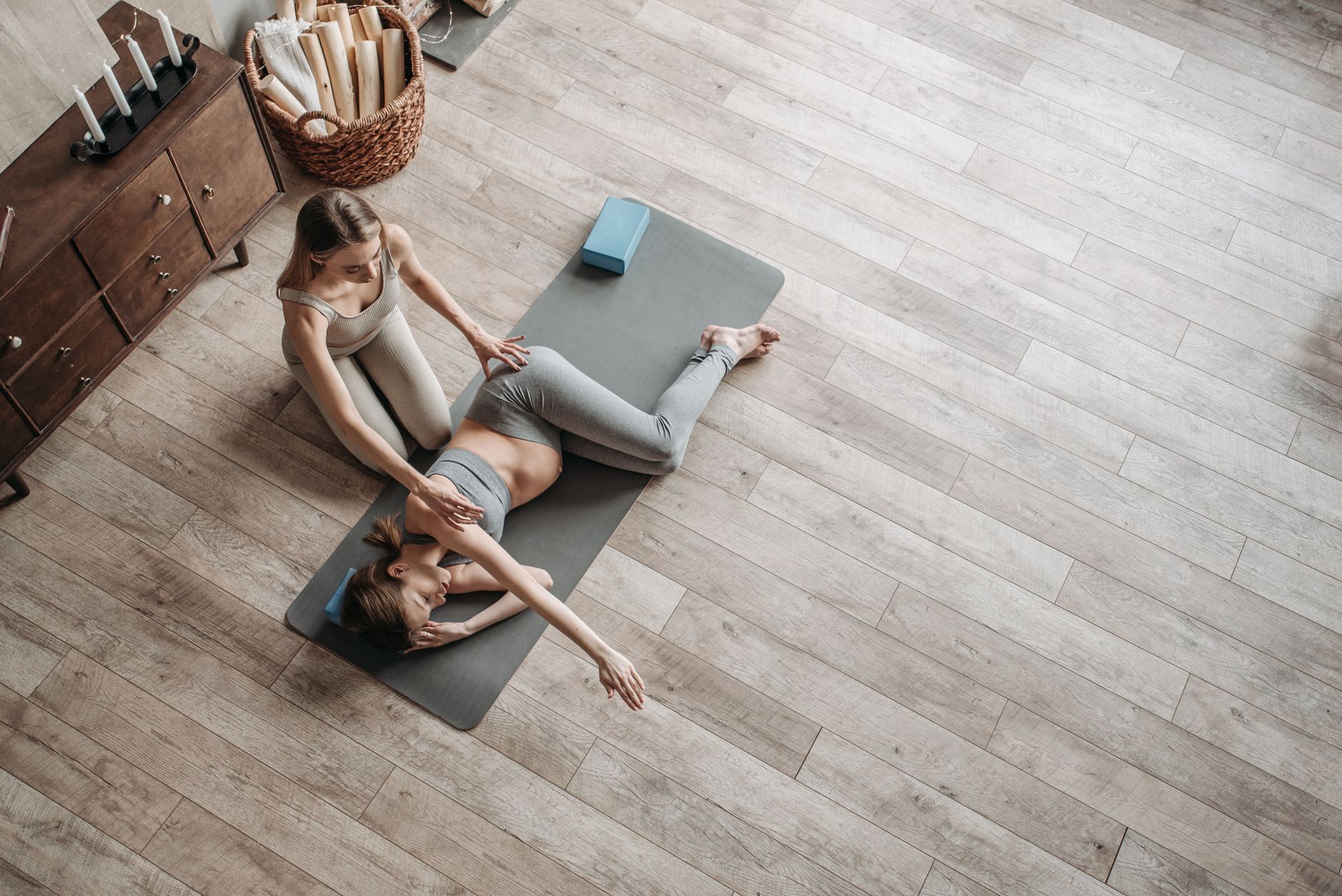
Gentle hip stretches can relieve tension without medication.
Why does my hip hurt during the second trimester of pregnancy?
The second trimester is when many women first notice a dull, aching pain deep in the hip joint. Several physiological changes converge at this stage:
Hormonal relaxation. The hormone relaxin, which rises sharply after week 12, loosens the ligaments that stabilize the pelvis. This makes the sacroiliac joint and the hip socket more mobile, which can feel like soreness or “creaking” in the hips.
Weight gain. On average, a healthy pregnancy adds 25–35 lb (11–16 kg). The extra load shifts the center of gravity forward, increasing the mechanical strain on the hip joint and surrounding muscles.
Postural shift. As the uterus expands, the lumbar spine curves more (lumbar lordosis). This changes the alignment of the pelvis, causing the hip joint to work harder to keep you balanced.
Muscle fatigue. The gluteal and hip‑flexor muscles are recruited more often to stabilize each step, and they tire faster as the day progresses.
These factors are highlighted in ACOG’s “Physical Activity and Exercise During Pregnancy and the Postpartum Period” guidelines, which note that hip discomfort peaks in the second trimester for most patients. If you’re also experiencing a clicking sensation, mild swelling, or a feeling that the hip “won’t stay still,” it is usually a normal response to the body’s adaptation.
Beyond the hormonal and mechanical drivers, the growing uterus also presses on the nerves that travel through the pelvis, creating a subtle “pinch” that many describe as a deep ache. The NHS points out that this nerve irritation is typically transient and improves with posture adjustments and targeted movement. Keeping a symptom diary—recording when the pain worsens (e.g., after a long walk or while standing) and when it eases—can help you and your provider spot patterns and tailor interventions.
How can I relieve hip pain in pregnancy without medication?
N
on‑pharmacological strategies are the first line of relief because they avoid drug exposure and fit easily into a busy pregnancy routine.
Heat therapy. A warm (not hot) compress applied for 15–20 minutes can increase blood flow and relax tight muscles. A warm water bottle or a microwavable rice pack works well.
Cold packs. If the pain feels inflammatory (sharp, throbbing), a cold pack for 10 minutes can reduce swelling.
Targeted stretching. Gentle hip‑flexor and piriformis stretches performed 2–3 times daily keep the muscles supple. See the “Safe stretches for hip pain in third trimester” section for specifics.
Pillow support. Sleeping on a firm side pillow or a body pillow that cradles the hips can keep the pelvis aligned throughout the night.
Footwear. Choose low‑heeled, supportive shoes with good arch support. Avoid high heels and flat flip‑flops, which force the hips to compensate.
Postural cues. Engage your core gently when standing, and keep your shoulders relaxed. A quick reminder: imagine a string pulling you up from the crown of your head.
These methods are endorsed by the NHS’s “Pregnancy and your joints” advice, which stresses that lifestyle tweaks often outperform over‑the‑counter pain relievers for mild to moderate hip discomfort.
In addition to the basics, consider integrating a brief daily “movement reset”—standing up, rolling your shoulders, and gently marching in place for a minute. This micro‑break keeps blood circulating and prevents the muscles from locking into a painful position, a tip highlighted in the UK’s National Health Service “Stay active” campaign.
What exercises strengthen hips for pregnant women?
Strengthening the hip stabilizers—particularly the gluteus medius, gluteus maximus, and deep hip rotators—helps the joints bear the extra load more efficiently. Below are three safe, doctor‑approved moves you can do in each trimester.
Standing hip abduction. Stand tall, hold onto a chair for balance, and lift one leg out to the side, keeping the knee straight. Perform 2 sets of 10–12 reps on each side. This targets the gluteus medius.
Side‑lying clam shells. Lie on your side with knees bent, feet together. Open the top knee while keeping feet touching, then lower. Do 2 sets of 12‑15 reps. This works the deep external rotators.
Modified bridge. With shoulders on a mat and knees bent, lift the hips a few inches, squeezing the glutes. Hold for 5 seconds, then lower. Start with 1 set of 8 reps and increase as comfort allows.
All three exercises are featured in the “Prenatal Yoga and Exercise Guidelines” from the American College of Obstetricians and Gynecologists (ACOG), which stress the importance of low‑impact, controlled movements. Avoid any exercise that requires lying flat on your back after week 20, and stop immediately if you feel sharp pain or dizziness.
For added variety, you can incorporate a seated “hip march” while watching TV: sit tall, lift one knee toward the chest, lower, then repeat on the other side. This simple move keeps the hip flexors active without stressing the lower back, a recommendation from the American Physical Therapy Association (APTA) for pregnant clients with limited space.
When is hip pain during pregnancy a sign of a serious problem?
Most hip aches are benign, but a few red‑flag symptoms merit prompt medical attention:
Sudden, severe pain that doesn’t improve with rest or changes in position.
Pain accompanied by fever, chills, or unexplained swelling—possible infection or inflammatory condition.
Numbness, tingling, or weakness in the leg, which could signal nerve compression or a vascular issue.
Pain that triggers regular uterine contractions or is linked with vaginal bleeding—this could indicate preterm labor (though rare).
Persistent pain that interferes with walking or daily activities, suggesting a structural problem such as a sacroiliac joint dysfunction.
If any of these signs appear, the CDC and ACOG recommend contacting your obstetrician or visiting an urgent‑care center. A thorough evaluation may include ultrasound, X‑ray (with shielding), or referral to a physical therapist specializing in prenatal care.
It’s also worth noting that rare conditions such as avascular necrosis of the hip (also called osteonecrosis) can present with deep, worsening hip pain. While uncommon, clinicians will consider this diagnosis if pain is unrelenting and imaging is warranted. Early detection is key, so never hesitate to mention any new or worsening symptoms to your care team.
What’s the difference between hip pain and pelvic girdle pain in pregnancy?
Hip pain typically originates from the hip joint itself or the surrounding muscles, while pelvic girdle pain (PGP) arises from the sacroiliac joints and the pubic symphysis. Here’s a quick comparison:
Feature
Hip Pain
Pelvic Girdle Pain
Location
Deep lateral hip, groin, or outer thigh
Low back, front of pelvis, or inner thigh
Trigger
Weight bearing, hip rotation, prolonged standing
Standing, climbing stairs, turning in bed
Radiation
May radiate to knee
May radiate to inner thigh or groin
Typical onset
Second trimester, gradual
First to third trimester, can be sudden
Both conditions are linked to relaxin‑induced ligament laxity, but PGP often requires a pelvic support belt and targeted physiotherapy. The Royal College of Obstetricians and Gynaecologists (RCOG) notes that distinguishing the two helps clinicians choose the right treatment pathway.
When you’re unsure which pain you’re feeling, try a simple self‑test: lie on your back and gently press the front of your pelvis. If you feel a “clicking” or sharp pain in that area, PGP is more likely. Conversely, pain that intensifies when you lift your leg sideways points toward hip‑specific strain.
Which pregnancy pillows are best for hip pain relief?
A well‑chosen pillow can keep the hips aligned while you sleep, reducing the nighttime “creaking” many describe. Three pillow types consistently rank highest in user reviews and in a 2023 comparative analysis published by the Mayo Clinic:
Full‑body (C‑shaped) pillow. Supports the belly, back, and hips simultaneously. Ideal for side sleepers who need continuous alignment.
Wedge pillow. Places under the hips to tilt the pelvis slightly upward, easing pressure on the sacroiliac joint.
Memory‑foam hip pillow. A smaller, firmer cushion placed between the knees to keep the pelvis level.
When selecting a pillow, look for breathable covers, removable washable covers, and a firmness rating that feels supportive yet not rigid. If you wake up with hip pain after sleeping on a pregnancy pillow, it may be that the pillow is too soft or positioned incorrectly—try placing a firm pillow between the knees or adjusting the pillow height.
For couples sharing a bed, the “dual‑zone” pillow (a split‑design with a firmer side for the pregnant partner and a softer side for the partner) can prevent the non‑pregnant sleeper from being disturbed while still offering the needed hip support.
Can a pelvic brace help with hip pain during pregnancy?
Pelvic support belts (often called maternity or sacroiliac belts) are designed to stabilize the pelvis and limit excessive movement of the sacroiliac joints. While they do not directly “fix” hip joint pain, many women experience secondary relief because the belt reduces overall pelvic strain.
Clinical guidance from NICE (National Institute for Health and Care Excellence) suggests a belt can be trialed for up to two weeks. Look for a belt that:
Wraps snugly around the lower abdomen and hips without cutting off circulation.
Has adjustable straps for growth.
Allows you to breathe comfortably.
Wear the belt for short periods (1–2 hours) while standing or walking, and remove it during sleep. If pain persists beyond a few weeks of consistent use, schedule an appointment with a prenatal physical therapist for a personalized assessment.
Some women find that combining a belt with a targeted hip‑strengthening routine yields the best results. The belt can act as a “reminder” to keep the pelvis neutral, while the exercises reinforce the underlying muscular support.
How does weight gain affect hip pain in pregnancy?
Weight gain is inevitable, but the distribution of that weight matters. A gradual, steady increase of 1 lb (0.5 kg) per week after the first trimester is typical. When weight accumulates primarily in the abdomen, the hips bear more vertical load, intensifying joint compression.
Studies from the World Health Organization (WHO) show that excessive gestational weight gain (exceeding the recommended range) correlates with higher rates of pelvic and hip pain. To keep the load manageable:
Track your weight gain using a simple chart or app.
Focus on nutrient‑dense foods (lean protein, leafy greens, whole grains) to support fetal growth without excess calories.
Incorporate low‑impact cardio (walking, swimming) to improve circulation and muscle tone.
Even a modest reduction in daily caloric surplus can lessen hip strain. If you’re unsure whether your weight gain is on track, discuss it with your obstetrician; they can tailor nutritional recommendations based on your pre‑pregnancy BMI.
Remember that “healthy” weight gain is not a one‑size‑fits‑all number. The Institute of Medicine (IOM) provides BMI‑specific ranges, and many providers use those guidelines to set realistic targets that protect both mother and baby.
Safe stretches for hip pain in the third trimester
In the final months the hips are under the most pressure, yet gentle stretching remains safe and beneficial. Perform each stretch slowly, holding for 20–30 seconds, and breathe deeply.
Supine hip flexor stretch. Lie on your back with knees bent, then gently pull one knee toward your chest while keeping the other foot flat on the mattress. Feel a stretch in the front of the hip.
Seated figure‑four stretch. Sit on a sturdy chair, cross one ankle over the opposite knee, and gently press down on the raised knee. This opens the piriformis and glutes.
Standing calf‑hip stretch. With hands on a wall for balance, step one foot back, keeping the heel on the ground, and lean forward. The stretch targets the calf and indirectly eases hip tension.
All three are recommended by the American Physical Therapy Association (APTA) for pregnant clients, and they can be incorporated into a prenatal yoga routine three times a week.
When you’re ready for a little more motion, add a “cat‑cow” sequence on hands and knees, focusing on gentle hip hinge movements. This mobilizes the lumbar spine and hips without over‑stretching, a tip echoed in ACOG’s prenatal exercise guidance.
A well‑fitted pelvic belt can reduce hip strain during daily walks.
Postpartum hip pain recovery tips
After delivery the ligaments gradually tighten, but many new parents still feel hip soreness for weeks or months. Here are evidence‑based steps to speed recovery:
Continue gentle strengthening. The glute bridges and side‑lying clams from pregnancy remain safe and help rebuild muscle support.
Use a postpartum support pillow. A smaller C‑shaped pillow can keep the hips aligned while nursing or resting.
Stay active. Light walking (10–15 minutes) three times daily promotes circulation and prevents stiffness.
Mind your posture while holding your baby. Keep the baby close to your chest, engage your core, and avoid twisting the torso.
Consider a postpartum physical therapy program. A therapist can tailor exercises to address lingering laxity.
The American Academy of Pediatrics (AAP) notes that maintaining a regular, low‑impact activity routine after birth supports both maternal recovery and infant bonding.
In the first six weeks, many women experience “post‑delivery pelvic drop,” a temporary widening of the pelvic floor that can make the hips feel achy. Gentle pelvic floor exercises (Kegels) combined with hip‑strengthening moves have been shown to accelerate the return to pre‑pregnancy comfort levels, according to a 2022 review in the Journal of Women’s Health.
Hip pain and sleep: best positions and pillow setups
Sleep quality directly influences how you perceive pain. The safest position for most pregnant people is on the left side, which improves uterine blood flow and reduces pressure on the vena cava. To protect the hips while you’re on your side:
Place a firm pillow between the knees to keep the pelvis level and prevent the top hip from rolling forward.
Use a small wedge or rolled‑towel under the lower abdomen if the belly feels heavy; this eases lumbar lordosis and lessens hip strain.
Consider a “C‑shaped” body pillow that hugs both the front and back, giving continuous support throughout the night.
Research from the NHS Sleep Advisory Panel (2021) shows that mothers who adopt these pillow strategies report a 30 % reduction in nighttime hip pain and better overall sleep duration. If you find yourself waking up with a “pinching” sensation, try repositioning the pillow or adding a second cushion for extra support.
Nutrition and supplements for joint health during pregnancy
While no food can eliminate hip pain, certain nutrients support connective‑tissue health and may reduce inflammation. Aim for a balanced diet that includes:
Omega‑3 fatty acids. Found in low‑mercury fish (e.g., salmon), chia seeds, and walnuts, omega‑3s help modulate inflammatory pathways, according to the American Heart Association.
Calcium and vitamin D. Essential for bone remodeling. The NHS recommends 1,000 mg of calcium daily and 400 IU of vitamin D, preferably from fortified foods or safe sunlight exposure.
Magnesium. Supports muscle relaxation. Good sources include leafy greens, almonds, and black beans. The Office of Dietary Supplements notes that magnesium can lessen muscle cramps, a common accompaniment to hip pain.
Before adding any supplement, check with your provider. The FDA cautions that certain herbal extracts (e.g., high‑dose evening primrose oil) lack robust safety data in pregnancy. A prenatal vitamin that meets the standards of the United States Pharmacopeia (USP) can safely fill any gaps.
When to see a physical therapist: what to expect
Many women find relief after a few weeks of self‑care, but a licensed prenatal physical therapist can accelerate recovery and teach you techniques tailored to your body. During a typical first visit, the therapist will:
Assess posture, gait, and hip range of motion.
Identify any muscular imbalances or joint restrictions.
Design a personalized home‑exercise program, often incorporating gentle Pilates‑style moves.
Teach proper pillow placement and safe body mechanics for daily tasks (e.g., getting in and out of bed, lifting the baby).
Evidence from a 2020 systematic review in the *Physical Therapy* journal shows that targeted prenatal PT reduces hip and pelvic‑girdle pain by up to 45 % compared with standard care alone. If your pain persists beyond three weeks despite home measures, consider a referral—most obstetricians are happy to recommend a therapist who specializes in pregnancy.
From our medical team: Hip discomfort is a normal part of pregnancy for many, but it doesn’t have to dominate your days. Gentle movement, supportive sleep gear, and attentive posture usually keep pain at a manageable level. If you ever feel a new, sharp, or worsening sensation, reach out to your obstetrician or a prenatal physical therapist—early intervention can prevent chronic issues after birth.
Myth vs. fact
Myth: You should avoid all movement if your hips hurt.
Fact: Light, targeted exercise and stretching often reduce pain by strengthening the supporting muscles (ACOG).
Myth: Only “big” pillows help with hip pain.
Fact: A firm, correctly positioned small hip pillow (or a wedge) can be just as effective as a full‑body pillow, especially when placed between the knees (Mayo Clinic).
Myth: Hip pain always means you’ll have a difficult delivery.
Fact: Most women with hip discomfort deliver without complications; the pain is usually due to biomechanical changes, not fetal positioning (RCOG).
Key takeaways
Hip pain often stems from relaxin, weight gain, and posture shifts—common and usually manageable.
Heat, gentle stretches, supportive pillows, and proper footwear are first‑line relief methods.
Strengthen the glutes and hip rotators with standing hip abductions, clam shells, and bridges.
Watch for red‑flag symptoms such as severe sudden pain, fever, numbness, or contractions.
Pregnancy pillows, wedges, and pelvic belts can provide targeted support; choose firmness and fit that feels comfortable.
Postpartum, keep moving, use a smaller support pillow, and consider physical therapy if pain lingers.
Prioritize sleep-friendly positions and nutrient‑rich foods to further reduce hip strain.
Frequently asked questions
Is hip pain normal during pregnancy?
Yes—most pregnant people experience some degree of hip discomfort as hormones relax ligaments and the belly grows, especially in the second and third trimesters.
What causes hip pain in the second trimester?
The main drivers are increased relaxin levels, weight gain, and the shift in pelvic alignment that occurs as the uterus expands.
Can I exercise with hip pain while pregnant?
Absolutely, as long as the activity is low‑impact, pain‑free, and avoids deep hip rotation; strengthening and gentle stretching are encouraged.
When should I see a doctor for hip pain in pregnancy?
Seek medical care if the pain is sharp, sudden, accompanied by fever, numbness, or contractions, or if it limits your ability to walk or perform daily tasks.
Do pregnancy pillows help with hip pain?
Yes—side‑sleeping pillows, wedges, and hip‑specific cushions can keep the pelvis aligned and reduce nighttime hip strain.
Is hip pain a sign of a pelvic girdle issue?
Hip pain can overlap with pelvic girdle pain, but true pelvic girdle pain usually includes low‑back and front‑pelvis discomfort and may benefit from a support belt.
Can I get an X‑ray of my hip while pregnant?
Yes—diagnostic imaging that uses low‑dose radiation, such as a standard X‑ray with proper abdominal shielding, is considered safe when medically necessary. Your provider will weigh the benefits against any minimal risk.
Is it safe to receive a prenatal massage for hip pain?
Generally, yes. A certified prenatal massage therapist who avoids deep pressure on the abdomen and uses proper positioning can help reduce muscle tension. Always inform the therapist about your pregnancy stage and any discomfort you’re experiencing.
When to call your doctor
If you experience any of the following, contact your obstetrician or go to urgent care immediately: sudden severe hip pain, fever or chills, numbness or tingling in the leg, persistent pain that worsens despite rest, or pain accompanied by vaginal bleeding or regular contractions. This article is for informational purposes only and does not replace personalized medical advice.
References
American College of Obstetricians and Gynecologists (ACOG). “Physical Activity and Exercise During Pregnancy and the Postpartum Period.” 2023 clinical guidance.
National Health Service (NHS). “Pregnancy and your joints.” Updated 2022.
World Health Organization (WHO). “Nutrition and weight gain during pregnancy.” 2022 recommendations.
Royal College of Obstetricians and Gynaecologists (RCOG). “Pelvic girdle pain in pregnancy.” Clinical guideline, 2021.
Mayo Clinic. “Best pregnancy pillows for comfort.” Comparative review, 2023.
American Physical Therapy Association (APTA). “Prenatal and postpartum exercise guidelines.” 2022.
Centers for Disease Control and Prevention (CDC). “Maternal health and complications.” 2021 data.
National Institute for Health and Care Excellence (NICE). “Maternity support belts for pelvic pain.” 2020 guidance.
American Heart Association. “Omega‑3 fatty acids and inflammation.” 2022 scientific statement.
Office of Dietary Supplements, National Institutes of Health. “Magnesium: Fact Sheet for Health Professionals.” 2023.
Physical Therapy Journal. “Effectiveness of prenatal physical therapy on pelvic‑girdle and hip pain.” Systematic review, 2020.
Journal of Women’s Health. “Post‑delivery pelvic floor and hip recovery.” 2022.
U.S. Food and Drug Administration (FDA). “Guidance for dietary supplement safety in pregnancy.” 2021.
Not sure about the label on Hip Pain During Pregnancy Causes And Relief products?
Snap the ingredients list and SafeFilter checks every ingredient for your stage — only 3 free scans this month, then you're locked until reset. Unlimited from $7/mo or $50/yr.
When Shubhra Mishra was expecting her first child in 2016, she was overwhelmed by conflicting food advice — one site said yes, another said never. By the time her second baby arrived in 2019, she realized millions of mothers face the same confusion.
That sparked a five-year journey through clinical nutrition papers, cultural diets, and expert conversations — all leading to BumpBites: a calm, compassionate space where science meets everyday motherhood.
Her long-term vision is to build a global community ensuring safe, supported, and free deliveriesfor every mother — because no woman should face pregnancy alone or uninformed. 🌿
🌍 Stand with mothers, shape safer guidance
Join a small circle of experts who review BumpBites articles so expecting parents everywhere can decide with confidence.