

Ghanaian Waakye in Pregnancy — Safe, Nourishing, and Iron-Rich

Ghanaian Waakye in Pregnancy — Safe, Nourishing, and Iron-Rich

ℹ️ Quick answer: Safe with conditions

Waakye, Ghana’s iconic rice-and-beans dish, is safe and nutritious during pregnancy when freshly cooked and eaten hot. Learn about its protein, iron, and safety benefits for expecting mothers.

Source: BumpBites — pregnancy food-safety guide. Always consult your doctor.

Ghanian Waakye during pregnancy — at a glance
Pregnancy verdictSafe with conditions
Suggested limit1 plate per day
Serving sizePer 1 cup serving
Calories≈ 300 kcal

Key things to know about Ghanian Waakye in pregnancy

  • Whether Ghanian Waakye is safe during pregnancy depends on how it is prepared and sourced — check the details below.
  • A per 1 cup serving serving of ghanian waakye provides roughly ≈ 300 kcal, including ≈ 12 g of protein, ≈ 55 g of carbohydrates, ≈ 4 g of fat.
  • Balanced main meal; provides iron and plant protein. Ensure clean cooking water and avoid reheating.
  • Nutritious and satisfying; promotes steady energy and healthy hemoglobin levels.
On this page

Waakye, Ghana’s iconic rice-and-beans dish, is safe and nutritious during pregnancy when freshly cooked and eaten hot. Learn about its protein, iron, and safety benefits for expecting mothers.

Shubhra Mishra

By Shubhra Mishra — a mom of two who turned her own confusion during pregnancy into BumpBites, a global mission to make food choices clear, safe, and stress-free for every expecting mother. 💛

Are you a qualified maternal-health or nutrition expert? Join our reviewer circle.

Wondering about another food?

Check whether any food is safe during pregnancy with the BumpBites Food Safety Checker.

Download the Complete Pregnancy Food Guide (10,000 Foods) 📘

Instant PDF download • No spam • Trusted by thousands of moms

💡 Your email is 100% safe — no spam ever.

Ghanaian Waakye in Pregnancy — Iron-Rich Heritage, Safe for Every Trimester

The aroma of simmering waakye — rice, beans, and the deep maroon hue of millet leaves — is pure comfort. For expecting mothers, it’s a nutritious and satisfying dish when prepared safely. Waakye blends complex carbohydrates, iron-rich legumes, and plant antioxidants, making it both culturally iconic and nutritionally valuable. [3] [4]

Quick Take (TL;DR)

  • Eat freshly cooked waakye hot: discard leftovers after 2 hours at room temp. [1]
  • Use clean, filtered water: prevents contamination. [2]
  • Pair with boiled egg or grilled fish: adds high-quality protein. [4]
  • Rich in iron & fiber: supports blood health and digestion. [3]
  • Avoid street-sold reheated waakye: bacteria risk. [5]

Nutrition Snapshot — Wholesome & Balanced

Nutrient (per 1 cup serving)Approx.Pregnancy Benefit
Calories≈ 300 kcalBalanced main meal energy.
Protein≈ 12 gSupports fetal growth. [4]
Iron≈ 3.2 mgHelps prevent anemia. [3]
Fiber≈ 6 gImproves digestion & prevents constipation.

Myths & Facts

  • Myth: “Beans cause bloating, so waakye isn’t good for pregnancy.”
    Fact: Beans are excellent iron and protein sources; soak well and cook fully to ease digestion. [3]
  • Myth: “Street waakye is always safe.”
    Fact: Only safe when hot and freshly made; reheated servings can harbor bacteria. [2]
  • Myth: “Millet leaves are unsafe.”
    Fact: They’re natural plant dyes rich in antioxidants. [3]

Pregnancy FAQ — Ghanaian Waakye

Is Waakye safe during pregnancy?

Yes — when freshly cooked and eaten hot. Avoid cold or reheated waakye from street vendors. [2] [1]

Can I eat waakye with fish or egg?

Yes — boiled egg and grilled fish are excellent protein sources. Ensure both are fully cooked. [4]

Are waakye leaves safe?

Yes — the millet leaves used for color and antioxidants are natural and safe when rinsed and boiled properly. [3]

Can waakye help with anemia?

Yes — the combination of rice and beans provides iron and plant protein, which support hemoglobin production. [4]

How should I store leftover waakye?

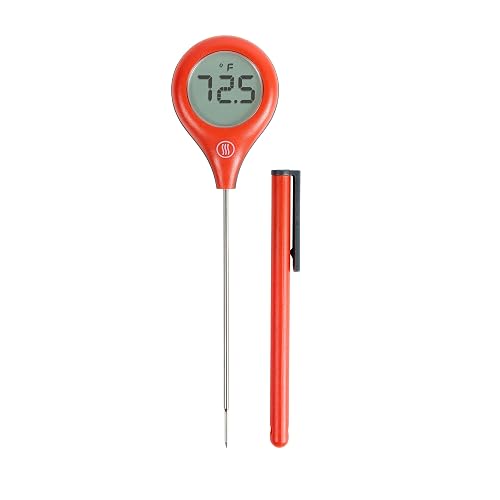
Refrigerate within 2 hours of cooking and reheat to 74 °C / 165 °F before eating. [1]

References & Acknowledgements

Based on WHO, CDC, FAO, NHS, and Mayo Clinic recommendations for safe food preparation, water hygiene, and balanced maternal nutrition. [1] [2] [3] [4] [5]

🥗 Nutrition Facts

sugar2 g
limit Per Day1 plate
carbohydrates≈ 55 g
noteBalanced main meal; provides iron and plant protein. Ensure clean cooking water and avoid reheating. [[ref:fao-legumes]]
fiber≈ 6 g
quantityPer 1 cup serving
fats≈ 4 g
protein≈ 12 g
iron≈ 3.2 mg
calories≈ 300 kcal

Editor's pick for this topic

Shubhra Mishra

About the Author

When Shubhra Mishra was expecting her first child in 2016, she was overwhelmed by conflicting food advice — one site said yes, another said never. By the time her second baby arrived in 2019, she realized millions of mothers face the same confusion.

That sparked a five-year journey through clinical nutrition papers, cultural diets, and expert conversations — all leading to BumpBites: a calm, compassionate space where science meets everyday motherhood.

Her long-term vision is to build a global community ensuring safe, supported, and free deliveriesfor every mother — because no woman should face pregnancy alone or uninformed. 🌿

🌍 Stand with mothers, shape safer guidance

Join a small circle of experts who review BumpBites articles so expecting parents everywhere can decide with confidence.

References
  1. WHO — Five Keys to Safer Food (clean, separate, cook, chill, safe water) https://www.who.int/publications/i/item/9789241594639
  2. CDC — Food Safety in Pregnancy (avoid reheated street food, use clean water) https://www.cdc.gov/foodsafety/
  3. FAO — Nutritional Importance of Legumes for Maternal Health https://www.fao.org/3/i5528e/i5528e.pdf
  4. Mayo Clinic — Pregnancy Nutrition (protein, iron, hydration) https://www.mayoclinic.org/healthy-lifestyle/pregnancy-week-by-week/in-depth/pregnancy-nutrition/art-20043844
  5. NHS — Foods to Avoid During Pregnancy (reheating and hygiene) https://www.nhs.uk/pregnancy/keeping-well/foods-to-avoid/

⚠️ Always consult your doctor for medical advice. This content is informational only.