Fever after the MenB vaccine is common and usually mild. Learn why it happens, how to ease discomfort, and when to seek medical advice for your baby.
By Shubhra Mishra — a mom of two who turned her own confusion during pregnancy into BumpBites, a global mission to make food choices clear, safe, and stress-free for every expecting mother. 💛
Check whether any food is safe during pregnancy with the BumpBites Food Safety Checker.
Quick take: Fever after the MenB vaccine is common, usually mild, and peaks within the first 24 hours. It typically resolves on its own in 1–2 days, and you can safely use infant‑appropriate fever reducers if your baby seems uncomfortable. Call your pediatrician if the fever climbs above 38.9 °C (102 °F) or if you notice concerning symptoms such as lethargy, persistent crying, or a rash.
It’s 2 a.m., you’re scrolling through a parenting forum with half‑closed eyes, and a notification pops up: “Your baby’s temperature is 38.3 °C.” You glance at the chart on the fridge – the MenB (meningococcal B) vaccine was given yesterday. Suddenly, a wave of worry washes over you. “Is this fever normal? Should I give medicine? What if it’s something serious?” You’re not alone. Many new parents experience the same mix of anxiety and uncertainty after a vaccination.
🔢 Calculate it for your situation: Use our Vaccine Reaction Tracker for a personalized result in seconds.
Below, we break down exactly why fever can follow the MenB vaccine, what you can expect, and how to keep your little one comfortable while staying safe. We’ll cover the science behind the vaccine, typical side‑effects, signs that need medical attention, and practical tips for soothing a feverish infant. By the end of this article, you’ll have a clear plan of action and the confidence to know when a fever is just a normal reaction and when it deserves a quick call to your doctor.
What is the MenB vaccine and how does it work?
The MenB vaccine protects against meningococcal B disease, a serious bacterial infection that can cause meningitis (inflammation of the brain lining) and bloodstream infection (septicemia). The bacteria Neisseria meningitidis serogroup B is responsible for a small but severe proportion of cases, especially in infants and toddlers. The vaccine contains purified proteins from the bacterial surface that safely train the immune system to recognise and attack the real pathogen if it ever appears.
There are two MenB products approved in the United States and United Kingdom: MenB‑4C (Bexsero) and MenB‑fHbp (Trumenba). Both are administered as a series of two or three doses, typically beginning at 2 months of age in the UK schedule and at 10–12 months in the US schedule, though recommendations can vary. The vaccine works by stimulating both antibody production (the body’s “targeted missiles”) and a broader cellular immune response, which together create a protective shield against future infection.
Safety data from the FDA and the European Medicines Agency show that both products have a strong safety profile, with most adverse events being mild and self‑limited. In the United States, the CDC’s Vaccine Adverse Event Reporting System (VAERS) records a very low rate of serious events, reinforcing that the benefits of preventing invasive meningococcal disease far outweigh the temporary discomfort of a post‑vaccination fever. The MenB vaccine can also be given alongside other routine infant immunizations (such as DTaP, Hib, or PCV13) without increasing the risk of severe reactions, though some parents notice a slightly higher incidence of low‑grade fever when multiple shots are administered at the same visit.
Both the U.S. and U.K. schedules aim to start protection early, because infants are most vulnerable in the first year. Completing the series on time ensures antibody levels stay high enough to guard against invasive disease, even if a mild fever follows each dose.
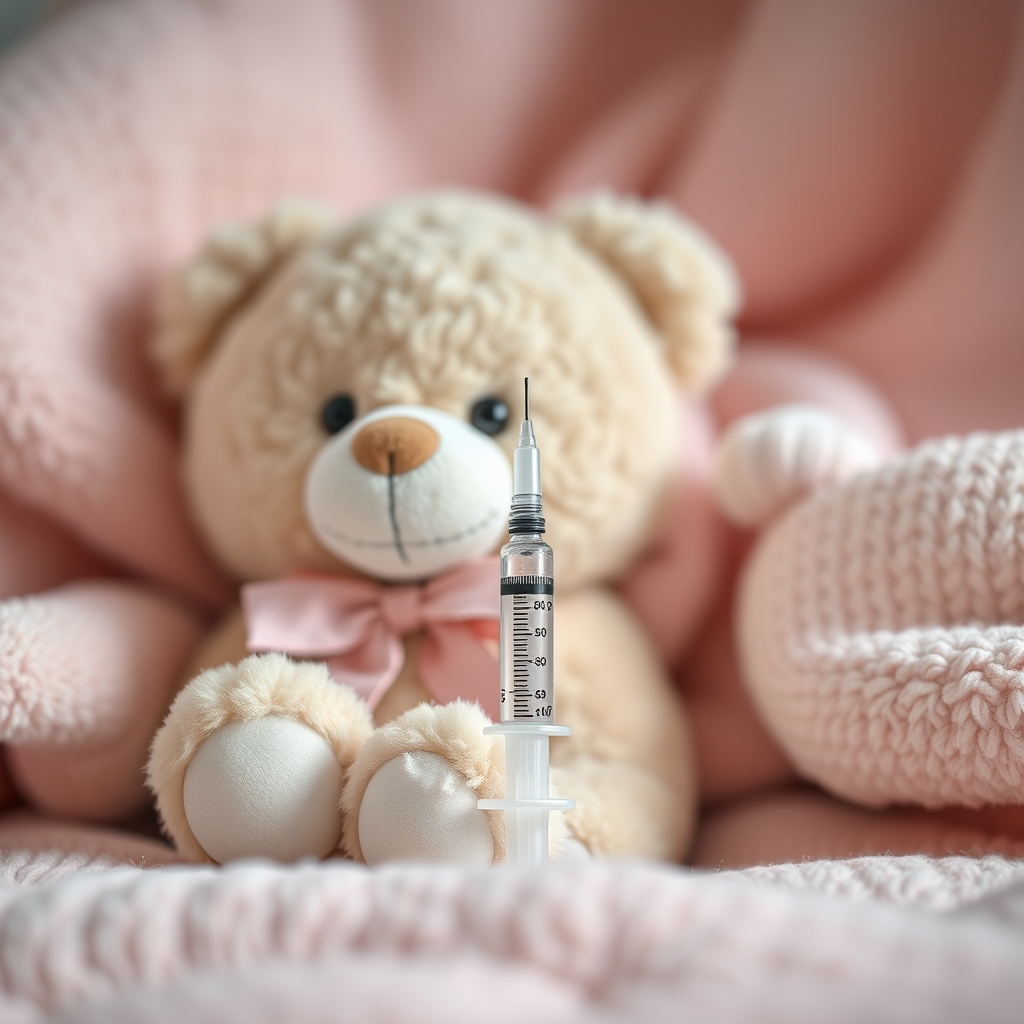
Preparing for the MenB shot: a gentle setting can help both parent and baby feel more at ease.
Common side effects of the MenB vaccine, including fever
Most
infants experience at least one mild reaction after the MenB vaccine. The most frequently reported side effects, according to the Centers for Disease Control and Prevention (CDC) and the UK’s NHS, are:
Redness, swelling, or tenderness at the injection site
Changes in appetite
Sleepiness or fussiness
Low‑grade fever (usually defined as a temperature between 38.0 °C and 38.9 °C or 100.4 °F–102 °F)
In clinical trials, fever was reported in roughly 15 % to 30 % of infants after MenB vaccination, with most fevers being mild and short‑lived. Higher fevers (≥39 °C or 102.2 °F) are less common, occurring in fewer than 5 % of cases, but they still happen occasionally and are part of the normal spectrum of vaccine‑related reactions.
These side effects typically appear within the first 12 hours, peak around 24 hours, and resolve within 48 hours. The CDC’s post‑licensure surveillance system, as well as the UK’s Yellow Card scheme, continuously monitor for rare serious events such as anaphylaxis or prolonged seizures, confirming that serious adverse reactions remain exceedingly uncommon.
Parents often notice that a low‑grade fever coincides with a brief period of reduced appetite, which usually resolves as the temperature falls. This pattern is reassuring and mirrors the response seen with other routine childhood vaccines.
Other less common side effects—such as a rash, swollen lymph nodes, or a brief seizure (febrile convulsion)—are rare. The CDC notes that febrile seizures are not caused by the vaccine itself but are triggered by the fever that can follow it. Importantly, these seizures are generally harmless and do not lead to long‑term neurological problems.
Why does fever occur after the MenB vaccine?
Fever is the body’s built‑in alarm system. When the immune system encounters a foreign protein (like the antigens in the MenB vaccine), it releases cytokines—signalling molecules that coordinate the defensive response. Cytokines such as interleukin‑1 (IL‑1), interleukin‑6 (IL‑6) and tumor necrosis factor‑alpha (TNF‑α) act on the hypothalamus, the brain region that regulates temperature, nudging it upward to create a fever.
This rise in temperature serves several purposes:
Inhibiting bacterial growth: Many bacteria, including Neisseria meningitidis, replicate more slowly at higher temperatures.
Boosting immune efficiency: Certain immune cells work more effectively when the body is a few degrees warmer.
Signalling to the body: A fever alerts caregivers that the immune system is active, prompting monitoring and supportive care.
In infants, the cytokine response can be more pronounced because their immune system is still learning to differentiate between harmless and harmful signals. The MenB vaccine contains a relatively high amount of protein to ensure strong protection, which can heighten the inflammatory response and increase the likelihood of a fever. Prostaglandin E2, a downstream product of cytokine activation, is the final mediator that resets the hypothalamic thermostat, producing the measurable rise in core temperature.
In newborns, the cytokine surge can feel more intense because their regulatory pathways are still maturing. This is why infants sometimes run a higher temperature than older children after the same vaccine.
Recognising fever in babies and infants after MenB vaccine
Infants can’t tell you they feel hot, so you’ll need to rely on cues and a reliable thermometer. Here’s what to look for:
Temperature measurements: Use a digital rectal thermometer for infants under 3 months (the most accurate method). A reading of 38.0 °C (100.4 °F) or higher counts as a fever.
Physical signs: Flushed cheeks, warm skin to the touch, rapid breathing, or a sudden change in behavior (e.g., increased fussiness, reduced feeding).
Behavioral cues: Your baby may be more sleepy than usual, may cry inconsolably, or may seem unusually irritable.
Associated symptoms: Look for a rash, vomiting, diarrhea, or any signs of dehydration (dry mouth, fewer wet diapers).
It’s normal for a fever to appear anywhere from 6 hours to 24 hours after the injection and to peak within the first day. Most fevers resolve within 48 hours without medical intervention. However, if the fever persists beyond 72 hours, climbs higher than 39 °C (102.2 °F), or is accompanied by concerning symptoms, it’s time to reach out to your pediatrician.
Consistent measurement matters. If you use an ear or temporal artery thermometer, make a note of the method so you can compare readings over time. Many parents find it helpful to log temperatures in a simple spreadsheet or a dedicated app; the trend can be more reassuring than a single number.
Digital axillary thermometers are convenient, but they tend to read about 0.5 °C lower than rectal measurements. If you rely on an axillary reading, add a small correction factor when deciding whether the fever meets the treatment threshold.
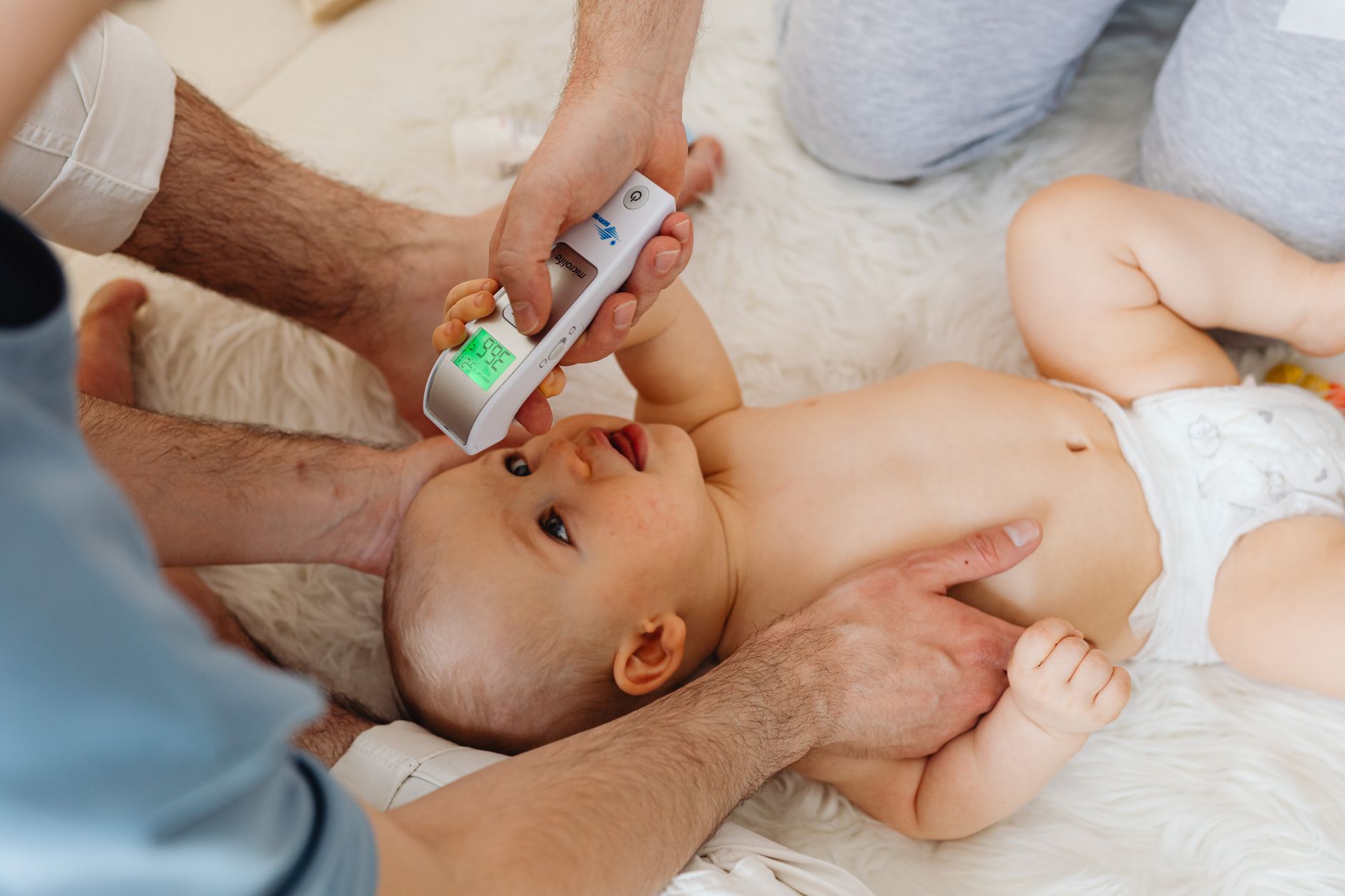
Check your baby’s temperature gently and keep a record to share with your health provider.
Managing fever after MenB vaccine: treatment and comfort measures
When a fever appears, the first step is to stay calm and assess how your baby is feeling. Most fevers are self‑limiting, but you can help your infant stay comfortable:
1. Use infant‑appropriate fever reducers
The American Academy of Pediatrics (AAP) and NHS recommend acetaminophen (paracetamol) for babies older than 2 months, and ibuprofen for those older than 6 months, as long as the child can tolerate oral medication. Follow the dosing instructions on the package or those given by your pediatrician, which are based on weight rather than age.
If you’re unsure about dosing, the Vaccine Reaction Tracker can help you calculate the correct amount based on your baby’s weight and age, ensuring safe and effective fever management.
2. Keep your baby hydrated
Even a mild fever can increase fluid loss. Offer breast milk, formula, or water (for babies over 6 months) more frequently. A good rule of thumb is to aim for at least one extra feeding per day while the fever lasts. For formula‑fed infants, a “wet diaper” count of six or more in 24 hours usually indicates adequate hydration.
3. Dress for comfort
Dress your infant in lightweight, breathable clothing and keep the room at a comfortable temperature (around 22 °C or 72 °F). A light blanket can help if the baby feels chilled, but avoid heavy layers that may trap heat.
4. Use gentle cooling techniques
If the fever feels high (above 38.9 °C), you can apply a lukewarm (not cold) sponge to the baby’s forehead, neck, and wrists. Avoid using ice packs or very cold water, which can cause shivering and raise the core temperature.
5. Monitor and document
Keep a simple log of temperature readings, medication times, feeding patterns, and any new symptoms. This record will be valuable if you need to discuss the fever with your health professional.
6. Know when medication isn’t needed
If the fever is low‑grade (under 38.5 °C) and your baby is still feeding, sleeping, and smiling, you may choose to simply observe. Many parents find that a brief period of cuddle‑time and a cool compress is enough to calm both baby and caregiver.
A gentle tepid sponge bath can help bring the temperature down without shocking the baby’s system. Keep the water lukewarm—about 30 °C (86 °F)—and limit the bath to a few minutes, then dry the skin promptly.
Tips for reducing the risk of fever after MenB vaccine
While you can’t completely prevent a fever—because it’s part of the immune response—you can minimise its intensity and duration with a few proactive steps:
Schedule the vaccine at a convenient time: Many parents choose a morning appointment so they can monitor the baby during the day, when they’re most alert.
Ensure your baby is well‑fed and rested beforehand: A calm, nourished infant may tolerate the mild inflammatory response better.
Consider prophylactic acetaminophen: Some pediatricians suggest giving a dose of acetaminophen 30 minutes before vaccination for infants at higher risk of fever (e.g., those who have had a fever with previous shots). Always discuss this with your provider first.
Stay hydrated: Offer extra fluids on the day of the vaccine and the following 24 hours.
Dress appropriately for the season: Avoid overheating your baby with too many layers on a warm day.
Talk to your pediatrician about spacing: If your child receives multiple vaccines at the same visit, your doctor may suggest spacing them out to reduce cumulative reactogenicity.
Understanding the cytokine cascade behind vaccine fever
When the MenB antigens engage immune cells, a cascade of signaling molecules is released. IL‑1 and IL‑6 are among the earliest messengers; they travel through the bloodstream to the hypothalamus, where they stimulate the production of prostaglandin E2 (PGE2). PGE2 then resets the hypothalamic set‑point, causing the body’s thermostat to “turn up” the temperature.
In addition to fever, these cytokines can cause mild systemic symptoms such as fatigue, loss of appetite, and a general feeling of being “under the weather.” This is why many parents notice a combination of a low‑grade fever and a slight decrease in feeding or sleepiness after the MenB shot. The reaction is self‑limited because the immune system quickly produces anti‑inflammatory mediators (like IL‑10) that bring the temperature back down within a day or two.
Understanding this biology helps reassure you that the fever is a sign of a healthy immune response—not a sign that something is “wrong” with the vaccine. The same cascade is seen with other routine childhood vaccines, such as DTaP and MMR, underscoring that a modest fever is normal across the immunization schedule.
What to expect after subsequent MenB doses
Many infants receive a series of two or three MenB doses. The pattern of fever can change with each dose. Data from the CDC’s post‑licensure studies show that the first dose tends to produce the highest rate of fever, while the second dose often results in a slightly lower incidence, and the third dose (if required) is usually the mildest. This trend is thought to reflect the immune system’s “learning curve”: after the first exposure, the body is already primed, so the inflammatory response is less pronounced.
Even though the risk of fever may decrease, it’s still possible to see a low‑grade fever after any dose. Parents should continue to monitor after each injection, using the same comfort measures outlined earlier. If a child had a high fever after the first dose, discuss with the pediatrician whether a prophylactic acetaminophen dose before the next shot is advisable.
Importantly, the protective antibodies generated after the first dose are already substantial, and each additional dose mainly boosts long‑term durability rather than providing an entirely new protective shield. This means that even if a fever occurs after the second or third dose, the overall benefit of completing the series far outweighs the temporary discomfort.
Using the BumpBites Vaccine Reaction Tracker effectively
The Vaccine Reaction Tracker is a free tool designed to help parents log temperature, medication, feeding, and sleep patterns after any vaccination. By entering data within the first 24 hours, the tracker can generate a simple visual graph that shows whether the fever is following a typical pattern or deviating into a concerning range.
Here’s how to get the most out of the tracker:
Record every temperature: Include the time, measurement method (rectal, axillary, ear), and the exact number.
Log medication doses: Note the exact amount of acetaminophen or ibuprofen given, the time, and any side effects you observe.
Track feeds and diapers: A quick note like “breast 120 ml” or “5 wet diapers” helps clinicians assess hydration.
Summarize mood and behavior: A short phrase such as “fussy, sleeping 2 h” can highlight trends that pure numbers miss.
Export or screenshot: When you call the pediatrician, you can share the visual summary, making the conversation more efficient.
Using the tracker not only reduces anxiety—by giving you concrete data—but also provides your healthcare team with a clear snapshot, speeding up any needed advice or intervention.
When to consider non‑drug comfort measures
Even without medication, several gentle strategies can help a baby’s temperature settle. A lukewarm (not cold) sponge bath, as mentioned earlier, can draw heat away from the skin. Keeping the room at a comfortable temperature and using a fan on low speed can improve air circulation without creating drafts. A humidifier adds moisture to the air, which may ease breathing if the fever is accompanied by a mild cough. Finally, gentle rocking or skin‑to‑skin contact can provide soothing warmth that reduces fussiness while the fever runs its course.
How to discuss vaccine timing with your pediatrician
When you schedule the MenB appointment, bring a list of any recent illnesses, medications, or prior vaccine reactions. Ask whether spacing the MenB dose from other shots could lower the chance of fever, especially if your baby has had strong reactions before. If you’re considering prophylactic acetaminophen, request clear dosing guidance and ask when it should be given relative to the injection. Open dialogue helps the clinician tailor the immunization plan to your child’s health history and your family’s routine.
Doctor’s note
From our medical team: Fever after the MenB vaccine is a predictable sign that the immune system is doing its job. In most cases, a low‑grade fever resolves on its own, and a single dose of infant‑appropriate acetaminophen is safe and effective. If your baby’s temperature exceeds 38.9 °C (102 °F), or if you notice any of the red‑flag symptoms listed below, contact your pediatrician promptly. Remember, you’re the best advocate for your child—trust your instincts and don’t hesitate to ask for guidance.
🔢 Ready to crunch your numbers? Use our Vaccine Reaction Tracker for a personalized result in seconds.
Myth vs. fact
Myth: A fever after the MenB vaccine means the vaccine didn’t work.
Fact: Fever is a sign of immune activation, which is exactly what the vaccine is intended to trigger. A mild fever often indicates that the body is building protection.
Myth: You should never give medicine to a baby with a vaccine‑related fever.
Fact: Acetaminophen (paracetamol) or ibuprofen, when dosed correctly, can safely reduce discomfort without interfering with the vaccine’s effectiveness.
Myth: If a baby gets a fever, the vaccine must be unsafe.
Fact: Fever is a common, expected side effect of many vaccines, including MenB, DTaP, and MMR. Serious adverse reactions are extremely rare, and the protective benefits far outweigh the temporary discomfort.
Key takeaways
Fever after MenB vaccination is common (15‑30 % of infants) and usually mild.
Most fevers peak within 24 hours and resolve in 1–2 days without treatment.
Use acetaminophen (for babies ≥2 months) or ibuprofen (for babies ≥6 months) if the fever is uncomfortable or above 38.5 °C.
Keep your baby hydrated, dressed lightly, and monitor temperature every 4‑6 hours.
Seek medical care if the fever exceeds 38.9 °C, lasts more than 72 hours, or is accompanied by lethargy, persistent crying, a rash, or signs of dehydration.
Proactive steps—like feeding well, scheduling the vaccine at a convenient time, and discussing prophylactic acetaminophen with your provider—can help reduce fever intensity.
Use the BumpBites Vaccine Reaction Tracker to log symptoms and share clear data with your pediatrician.
Frequently asked questions
Is fever a common side effect of the MenB vaccine?
Yes. Clinical data from the CDC and NHS show that roughly 15 % to 30 % of infants develop a low‑grade fever after the MenB shot, most often within the first 24 hours.
How high can fever get after MenB vaccine?
Most fevers stay below 38.9 °C (102 °F). Higher temperatures (≥39 °C or 102.2 °F) are less common, occurring in fewer than 5 % of cases, but they can happen and should be monitored closely.
Can I prevent fever after MenB vaccine?
You can’t completely prevent it, but you can reduce its severity by ensuring your baby is well‑fed, rested, and comfortably dressed, and by discussing a prophylactic dose of acetaminophen with your pediatrician.
What are the symptoms of fever after MenB vaccine?
Typical signs include a temperature of 38.0 °C (100.4 °F) or higher, flushed cheeks, slight irritability, reduced appetite, and mild sleepiness. In rare cases, you may see a rash or a brief febrile seizure.
How do I treat fever in my baby after MenB vaccine?
First, confirm the temperature with a reliable thermometer. Offer extra feeds and keep your infant lightly clothed. Use acetaminophen (for babies ≥2 months) or ibuprofen (for babies ≥6 months) as directed, and monitor the fever every few hours.
Can fever after MenB vaccine be a sign of something serious?
While most fevers are harmless, a fever above 38.9 °C (102 °F) that persists beyond 72 hours, or that is accompanied by lethargy, a rash, vomiting, or signs of dehydration, warrants a prompt call to your pediatrician.
Can I give ibuprofen to a baby under 6 months if they have a fever?
No. Ibuprofen is only recommended for infants 6 months and older because their kidneys are still developing. For babies under 6 months, acetaminophen is the preferred antipyretic, following weight‑based dosing guidance from the AAP.
Is it safe to give the MenB vaccine if my baby already has a mild temperature from another cause?
Generally, a low‑grade temperature (under 38 °C) is not a contraindication to vaccination, but many clinicians prefer to wait until the child is afebrile to avoid overlapping symptoms. If you’re unsure, call your pediatrician for personalized advice.
Can I use a cool compress on my baby’s forehead for fever?
Yes. A cool (not icy) compress applied briefly can provide comfort and help lower skin temperature. Avoid using ice or very cold water, as this can cause shivering, which may raise core temperature.
When to call your doctor
Contact your pediatrician immediately if you notice any of the following:
Temperature ≥ 38.9 °C (102 °F) that doesn’t come down with medication
Fever lasting more than 72 hours
Persistent vomiting, diarrhea, or refusal to feed
Lethargy, excessive sleepiness, or difficulty waking
New rash, especially if it looks like small red or purple spots
Signs of dehydration (dry mouth, fewer than four wet diapers in 24 hours, sunken eyes)
Any seizure activity
This article is for informational purposes only and does not replace personalized medical advice. Always discuss your child’s health concerns with a qualified health professional.
References
Centers for Disease Control and Prevention. “Meningococcal Vaccines: Recommendations of the Advisory Committee on Immunization Practices (ACIP).” CDC, 2023.
National Health Service (NHS). “Meningococcal B (MenB) vaccine.” NHS, 2022.
American Academy of Pediatrics. “Clinical Practice Guideline: Fever in Infants and Children.” AAP, 2021.
World Health Organization. “Meningococcal disease: Prevention and control.” WHO, 2022.
National Institute for Health and Care Excellence (NICE). “Meningitis and meningococcal disease: Diagnosis and management.” NICE, 2021.
U.S. Food and Drug Administration (FDA). “Bexsero (meningococcal B) Prescribing Information.” FDA, 2020.
Public Health England. “Meningococcal B vaccine (MenB) – guidance for healthcare professionals.” PHE, 2022.
American College of Obstetricians and Gynecologists (ACOG). “Vaccination During Pregnancy.” ACOG Committee Opinion, 2021.
American Academy of Pediatrics. “Use of Antipyretics for Fever in Children.” AAP, 2022.
Not sure about the label on Fever After Menb Vaccine Why And What Helps products?
Snap the ingredients list and SafeFilter checks every ingredient for your stage — only 3 free scans this month, then you're locked until reset. Unlimited from $7/mo or $50/yr.
When Shubhra Mishra was expecting her first child in 2016, she was overwhelmed by conflicting food advice — one site said yes, another said never. By the time her second baby arrived in 2019, she realized millions of mothers face the same confusion.
That sparked a five-year journey through clinical nutrition papers, cultural diets, and expert conversations — all leading to BumpBites: a calm, compassionate space where science meets everyday motherhood.
Her long-term vision is to build a global community ensuring safe, supported, and free deliveriesfor every mother — because no woman should face pregnancy alone or uninformed. 🌿
🌍 Stand with mothers, shape safer guidance
Join a small circle of experts who review BumpBites articles so expecting parents everywhere can decide with confidence.