Excessive weight loss during breastfeeding can impact milk supply. Learn safe thresholds, when to supplement, and how lactation support helps maintain health for mom and baby.
By Shubhra Mishra — a mom of two who turned her own confusion during pregnancy into BumpBites, a global mission to make food choices clear, safe, and stress-free for every expecting mother. 💛
Check whether any food is safe during pregnancy with the BumpBites Food Safety Checker.
Quick take: For most nursing mothers, losing 0.5–1 lb (0.2–0.5 kg) per week is considered safe. Dropping weight faster than this can reduce milk supply, compromise nutrient intake, and signal underlying health issues. Aim for a modest calorie deficit, prioritize protein, and use a prenatal‑type supplement to protect both your health and your baby’s nutrition.
It’s 2 a.m., you’ve just finished a bottle, and a lingering thought keeps you up: “Am I losing weight too quickly?” You glance at the scale, see a number that’s lower than yesterday, and wonder whether your diet plan is endangering your milk supply. You’re not alone—many new moms grapple with the desire to shed pregnancy weight while still providing the best nourishment for their infant.
🔢 Calculate it for your situation: Use our Newt Newborn Weight Loss for a personalized result in seconds.
First, breathe. The body’s ability to produce breast milk is resilient, but it does need enough calories, protein, and key micronutrients. When weight loss is too rapid, the body may prioritize its own survival over milk production, leading to a thinner supply or changes in composition. Below, we break down what “excessive” really means, how to lose weight safely while nursing, and which supplements can keep you and your baby thriving.
In this guide we’ll define safe weight‑loss thresholds, explain how rapid loss can affect milk volume and quality, outline calorie and macronutrient targets, highlight essential nutrients and supplement regimens, and give you practical diet and lifestyle tips. We’ll also flag warning signs that require a clinician’s eye, bust common myths, and answer the most‑asked questions so you can move forward with confidence.
What counts as safe vs. excessive weight loss for breastfeeding moms?
Safe weight loss for lactating mothers is generally defined as a gradual reduction of 0.5–1 lb (0.2–0.5 kg) per week. This range aligns with recommendations from the American College of Obstetricians and Gynecologists (ACOG) and the United Kingdom’s National Institute for Health and Care Excellence (NICE). Losing weight at this pace typically allows you to maintain a calorie intake that supports milk production—about 500 kcal below your estimated total daily energy expenditure (TDEE) while still covering the extra ~500 kcal your body needs for breastfeeding.
Excessive weight loss is anything that exceeds this rate consistently for more than two weeks. For example, dropping 2 lb (0.9 kg) in a single week or more than 5 lb (2.3 kg) over a month would be considered rapid and potentially harmful. Rapid loss often stems from very low‑calorie diets (<1,200 kcal/day), extreme fasting, or high‑intensity exercise without adequate fueling. When the body is forced to tap into stored fat quickly, it may also deplete lean muscle and essential nutrient stores, both of which can impair lactation.
Individual variability matters. Some women naturally have higher metabolic rates, while others may need a slightly larger deficit to see change. The key is monitoring trends rather than day‑to‑day fluctuations, and keeping an eye on how you feel, how your milk feels, and how your baby’s growth is progressing. If you’re unsure where you fall, using a reliable calculator can help you track your numbers accurately. For a quick check, try our Newt Newborn Weight Loss tool to see how your current rate compares to recommended thresholds.
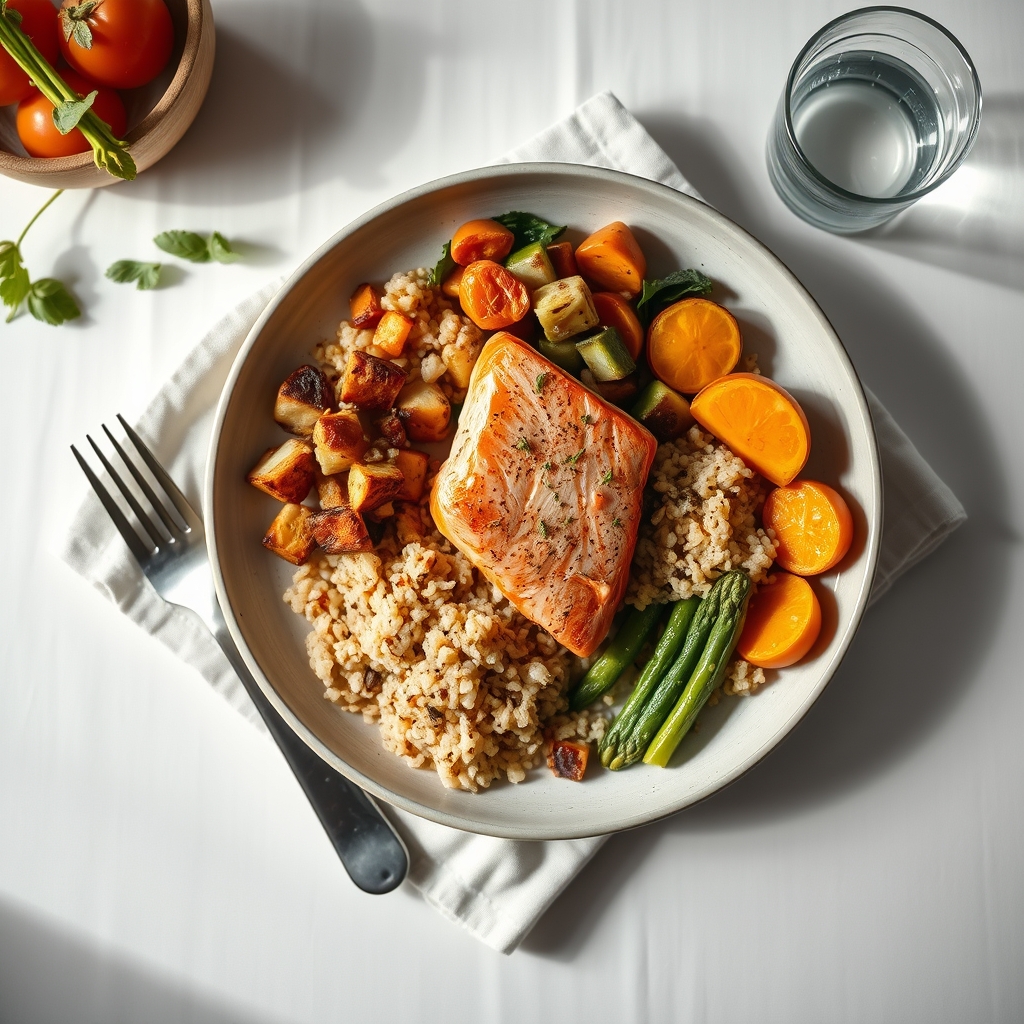
A balanced plate that supplies protein, complex carbs, and healthy fats—key components for safe weight loss while nursing.
How rapid weight loss can affect milk volume and composition
Breas
t milk is produced on a supply‑and‑demand basis, but the body needs a baseline of energy and nutrients to keep that supply steady. When you cut calories dramatically, the hormonal signals that regulate milk synthesis—primarily prolactin and oxytocin—can become disrupted. Studies reviewed by the World Health Organization (WHO) indicate that mothers who lose more than 1 lb per week may experience a measurable drop in milk volume, sometimes up to 15 % in the first month postpartum.
Beyond quantity, the quality of milk can shift. Rapid weight loss often leads to lower levels of fat‑soluble vitamins (A, D, E, K) and essential fatty acids such as DHA. These nutrients are crucial for infant brain development and immune function. A 2022 systematic review in the Journal of Human Lactation found that mothers on very low‑calorie diets (<1,200 kcal) had modestly reduced DHA concentrations in their milk, though overall protein content remained stable. This underscores the importance of preserving adequate dietary fat and supplementing where needed.
Another subtle effect is the change in milk’s osmolality—the concentration of dissolved particles. Extremely low carbohydrate intake can raise osmolality, potentially making the milk taste sweeter or saltier to the infant, which can affect feeding cues. While most babies will adapt, a sudden change can lead to fussiness or short feeds, signaling that the mother’s diet may need adjustment.
Even a relaxed nursing session can be affected by nutrition—stay nourished to keep the bond strong.
Calorie and macronutrient guidelines for weight loss while nursing
To lose weight safely while breastfeeding, aim for a modest calorie deficit of 300–500 kcal per day. Most lactating women need about 2,500 kcal to maintain weight, so a target of 2,000–2,200 kcal per day is often appropriate. The exact number depends on your pre‑pregnancy weight, activity level, and how many feeds you provide daily. Below is a quick reference table that matches activity level with recommended caloric intake and protein needs.
Protein is the most critical macronutrient for lactation. Aim for at least **1.2 g of protein per kilogram of body weight** each day, or roughly **20–25 % of total calories** from protein. Good sources include lean poultry, fish (low‑mercury varieties), eggs, Greek yogurt, beans, and tofu. Keeping protein intake steady helps preserve lean muscle mass and supports the high demand for milk‑synthesizing enzymes.
Carbohydrates should provide **45–55 % of total calories**, focusing on complex carbs like whole grains, legumes, fruits, and starchy vegetables. These foods supply steady glucose, which fuels the mammary glands. Simple sugars can be used sparingly for quick energy, but they should not dominate the diet, as they can cause blood‑sugar spikes that affect mood and appetite.
Healthy fats should make up **25–35 % of calories**, with an emphasis on omega‑3 fatty acids (EPA/DHA) found in fatty fish, walnuts, chia seeds, and fortified eggs. These fats are incorporated into breast milk phospholipids, benefiting infant brain growth. If you’re vegetarian or vegan, consider algae‑derived DHA supplements to meet the recommended 200–300 mg per day.
Adjusting these ratios as you become more active or as your baby’s feeding schedule changes is normal. Many providers recommend using a food‑tracking app (e.g., MyFitnessPal or Cronometer) to ensure you stay within your target ranges without inadvertently slipping below the minimum calories needed for milk production. The USDA Dietary Guidelines for Americans (2025‑2029) also provide a solid framework for portion sizes.
Essential nutrients and supplement regimens during postpartum weight loss
Even with a well‑balanced diet, nursing mothers often need additional micronutrients to cover the increased demand. Below are the key nutrients, recommended daily amounts, and safe supplement options.
Calcium — 1,000 mg/day (1,200 mg if <19 years). A prenatal calcium supplement (500 mg) with vitamin D (400 IU) helps protect bone density while you lose weight.
Vitamin D — 600–800 IU/day. If you have limited sun exposure, a combined calcium‑vitamin D tablet is ideal. Vitamin D also supports immune function for both mother and baby.
Iron — 18 mg/day. Post‑delivery iron loss can be significant. A gentle iron bisglycinate (30 mg) is easier on the stomach than ferrous sulfate and can be taken with vitamin C to boost absorption.
Folate (folic acid) — 400 µg/day. While most women continue prenatal folate, a low‑dose supplement ensures you meet the requirement without excess.
Omega‑3 DHA — 200–300 mg/day. If your diet lacks fatty fish, an algae‑based DHA capsule is safe and vegan‑friendly.
Vitamin B12 — 2.6 µg/day. Essential for nerve health; especially important for vegetarians. A sublingual or methylcobalamin form works well.
When selecting supplements, choose those labeled “prenatal” or “postnatal,” as they are formulated to avoid excess vitamin A (which can be teratogenic in high doses). Avoid megadoses of fat‑soluble vitamins unless specifically prescribed. A typical regimen might look like:
Multivitamin (prenatal) with iron and folate.
Calcium‑vitamin D chewable tablet.
Algae DHA capsule.
Optional B12 sublingual if you follow a plant‑based diet.
Take supplements with meals to improve absorption and reduce gastrointestinal upset. For example, calcium is best absorbed when split into two doses (morning and evening) rather than a single large pill. If you’re nursing twins or have a particularly high milk output, you may need a slightly higher intake of certain nutrients—always discuss adjustments with your healthcare provider.
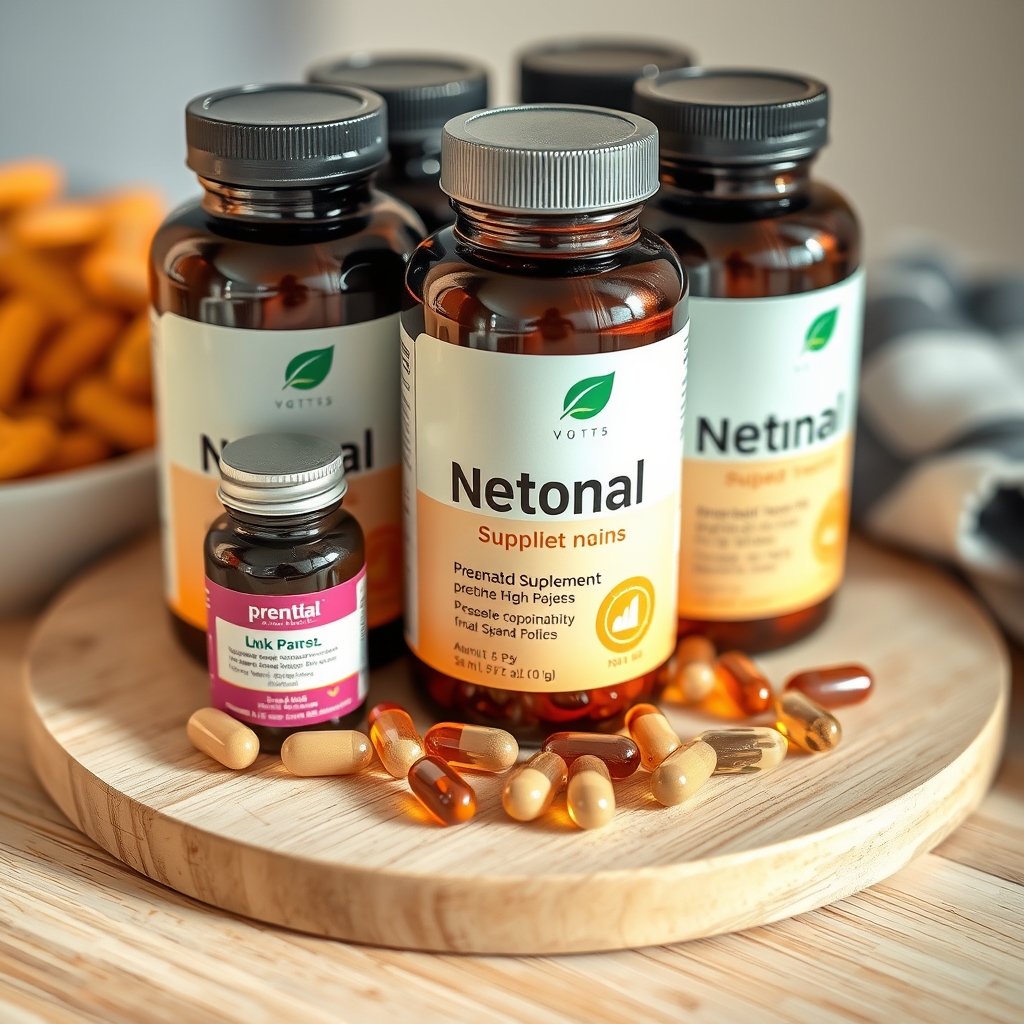
Choosing prenatal‑grade supplements helps cover any nutritional gaps while you lose weight.
Practical diet and lifestyle strategies to lose weight gradually
Weight loss doesn’t have to feel like a punishment. Small, sustainable changes can add up without jeopardizing milk supply. Here are three core strategies:
Meal timing and portion control. Aim for three balanced meals plus two nutrient‑dense snacks. Use a hand‑portion guide: a palm‑sized protein source, a fist of whole grains, and two cupped‑hand servings of vegetables at each meal.
Hydration. Breastfeeding can increase fluid loss by up to 700 ml per day. Drink to thirst, but try to reach at least 2.5 L of water, herbal tea, or low‑calorie broth daily. A well‑hydrated body supports milk production and can curb false‑hunger signals.
Smart movement. Incorporate low‑impact cardio (walking, stroller‑push, gentle cycling) for 30 minutes most days, and add two strength‑training sessions per week focusing on core and leg muscles. Exercise boosts metabolism and preserves lean mass, which is vital for milk synthesis.
When planning meals, think “nutrient density” first. A breakfast of oatmeal topped with berries, a spoonful of almond butter, and a side of Greek yogurt delivers fiber, antioxidants, healthy fat, and protein—all within ~350 kcal. For lunch, a quinoa‑and‑black‑bean salad with avocado and a drizzle of olive oil gives you complex carbs, plant protein, and omega‑3s. Dinner could be baked salmon, sweet potato, and steamed broccoli, rounding out your daily intake with omega‑3s, vitamin A, and potassium.
Snack wisely. Rather than reaching for a bag of chips, keep pre‑portioned nuts, cheese sticks, or fruit on hand. If you feel a dip in energy between feeds, a small snack of 150 kcal (e.g., a banana with a tablespoon of peanut butter) can prevent the body from tapping into muscle or breast‑milk reserves for fuel.
Finally, track progress without obsessing over the scale. Use a weekly weigh‑in, but also monitor how you feel, your energy levels, and your baby's feeding patterns. Journaling meals and mood can reveal hidden patterns—like a tendency to skip meals when the baby sleeps longer—that you can adjust before they become problematic.
Understanding postpartum metabolism and why weight loss may feel slower
Pregnancy rewires your metabolism to prioritize fetal growth, then shifts again after birth to support milk production. This metabolic “reset” can make calories feel more precious in the weeks following delivery. The body conserves energy by lowering resting metabolic rate (RMR) slightly, especially if you’re exclusively nursing. According to the National Health Service (NHS), RMR can drop 5–10 % in the first three months postpartum, meaning you’ll burn fewer calories at rest than you did pre‑pregnancy.
Because of this, weight loss may plateau even when you’re eating within your calculated deficit. The key is patience and consistency. Focus on body‑composition changes—such as reduced waist circumference or increased muscle tone—rather than the scale alone. Adding resistance training helps counteract the natural dip in RMR, while adequate protein supports lean‑mass preservation. If you’re concerned about a stall, talk to a registered dietitian who can fine‑tune your macronutrient distribution or suggest a modest increase in activity.
Mental health, body image, and support while losing weight after birth
Postpartum weight loss isn’t just a physical journey; it’s an emotional one, too. Hormonal fluctuations, sleep deprivation, and the pressure to “bounce back” can trigger anxiety, low mood, or body‑image concerns. The Centers for Disease Control and Prevention (CDC) notes that postpartum depression affects roughly 1 in 8 new mothers, and body‑image dissatisfaction is a common co‑factor. Recognizing these feelings early can prevent them from spiraling.
Building a support network is essential. Share your goals with a partner, friend, or a postpartum support group so they can help you stay accountable without judgment. Consider speaking with a mental‑health professional if intrusive thoughts about weight or feeding dominate your mind. Simple self‑care practices—like a 10‑minute breathing exercise before nursing or a short walk with your baby in a stroller—can improve mood and reduce stress hormones that otherwise hinder weight loss.
Taking a few minutes for quiet self‑care can boost mood and support healthy weight loss.
Sleep, recovery, and weight loss
Quality sleep is a hidden pillar of successful postpartum weight loss. Lack of sleep raises cortisol—a stress hormone that can increase appetite and promote fat storage, especially around the midsection. The American Academy of Pediatrics (AAP) advises that new parents try to sleep when the baby sleeps, aiming for at least 6–7 hours of consolidated rest over 24 hours. Napping on a supportive mattress and keeping the bedroom dark can improve sleep efficiency.
If nighttime feeding disrupts your rest, consider a breast pump to allow a partner to handle some feeds. This can give you longer stretches of uninterrupted sleep, which in turn supports metabolic health and better food choices. Remember, recovery isn’t just about sleep; it also includes allowing your body time to heal from pregnancy and delivery before adding intense workouts.
Hydration strategies to support lactation and metabolism
Staying hydrated is more than a “drink water” reminder—it directly influences milk volume and the calories your body burns. A study from the NHS found that mothers who consumed at least 2.5 L of fluid per day reported higher milk output and felt less fatigued. Aim for a mix of plain water, herbal teas (like fenugreek or raspberry leaf, which many lactation consultants find soothing), and low‑sugar broths.
Set a visual cue, such as a reusable bottle on your nightstand, and sip regularly throughout the day. Adding a slice of lemon or cucumber can make water more appealing without adding calories. If you’re exercising, replace lost electrolytes with a pinch of sea salt in your water to maintain fluid balance and prevent muscle cramps.
Using wearable tech and tracking tools for postpartum weight management
Modern wearables can be a gentle ally in your weight‑loss journey. Devices that monitor heart rate, sleep stages, and activity levels give you a data‑driven picture of how many calories you’re actually burning. Pair this with a food‑logging app that syncs to the wearable, and you’ll see real‑time energy balance—helpful for staying within that modest 300–500 kcal deficit.
Many apps also let you log nursing sessions, which can reveal patterns such as longer night feeds that may be affecting your calorie intake. Some platforms even provide postpartum‑specific dashboards that factor in lactation‑related energy expenditure, making the numbers more accurate than generic fitness calculators.
Doctor's note
From our medical team: “A modest, steady weight loss of 0.5–1 lb per week is compatible with robust milk production for most mothers. If you notice a dip in supply, first check your calorie intake and protein levels before making any drastic diet changes. Supplements should fill gaps, not replace whole foods, and any new regimen should be reviewed with a healthcare professional to avoid unintended deficiencies.”
🔢 Ready to crunch your numbers? Use our Newt Newborn Weight Loss for a personalized result in seconds.
Myth vs. fact
Myth: Skipping meals will speed up weight loss without hurting milk supply.
Fact: Going without food for extended periods can lower prolactin levels, reducing milk volume. Consistent, balanced meals are essential for steady milk production.
Myth: You must stop breastfeeding to lose weight quickly.
Fact: Breastfeeding actually burns extra calories. With a modest calorie deficit and adequate protein, you can lose weight while continuing to nurse safely.
Myth: All diet pills are safe because they’re “natural.”
Fact: Many weight‑loss supplements contain stimulants or herbal extracts that can pass into breast milk and affect your baby. Always choose prenatal‑grade supplements and discuss any product with your provider.
Key takeaways
Aim for a weight‑loss rate of 0.5–1 lb per week to protect milk supply.
Maintain a daily calorie intake of about 2,000–2,200 kcal with 20–25 % from protein.
Prioritize nutrient‑dense foods and a prenatal‑grade supplement regimen.
Monitor for warning signs like sudden milk drop, fatigue, or rapid weight loss.
When in doubt, consult your obstetrician, midwife, or a lactation‑focused dietitian.
Frequently asked questions
What is considered excessive weight loss for a breastfeeding mother?
Excessive weight loss is generally defined as more than 1 lb (0.5 kg) per week for two consecutive weeks. This rate can strain your body’s nutrient reserves and may reduce milk volume.
Can rapid weight loss affect my milk supply?
Yes. A sharp calorie deficit can lower prolactin levels and deplete fat‑soluble vitamins, leading to a noticeable drop in both the amount and quality of breast milk.
Which supplements are safe while losing weight postpartum?
Prenatal‑grade multivitamins that include iron, folate, calcium, vitamin D, and DHA are safe. Algae‑derived DHA capsules are ideal for vegans, and a gentle iron bisglycinate can prevent anemia without upsetting the stomach.
How many pounds can I safely lose each week while nursing?
Most health authorities recommend a safe loss of 0.5–1 lb (0.2–0.5 kg) per week. This allows you to keep a modest calorie deficit while still providing enough energy for milk production.
What signs indicate I need medical attention for weight loss while lactating?
Red flags include a sudden or sustained drop in milk supply, loss of more than 1 lb per week for two weeks, persistent dizziness or extreme fatigue, signs of nutrient deficiency (e.g., hair loss, numbness), or any fever or infection.
How do I maintain proper nutrition during postpartum weight loss?
Focus on balanced meals with lean protein, complex carbs, and healthy fats. Aim for at least 1.2 g of protein per kilogram of body weight, stay hydrated, and use a prenatal multivitamin to cover micronutrient gaps.
Are meal‑replacement shakes safe while breastfeeding?
Occasionally, a well‑formulated meal‑replacement shake that meets the protein and micronutrient standards for lactating women can be used as a convenient snack. However, it should not replace whole meals on a regular basis, because whole foods provide fiber and a broader nutrient spectrum that supports digestion and milk quality.
Can I do intermittent fasting after giving birth?
Most experts, including ACOG, advise against strict intermittent fasting in the first six months postpartum because the body needs a steady flow of calories to sustain milk production. If you’re interested in time‑restricted eating, discuss a gentle 10‑hour eating window with your provider to ensure you’re still meeting all nutrient needs.
Can I safely use a breast pump while trying to lose weight?
Yes. Using a breast pump can help maintain milk supply when you need to create a calorie deficit or increase sleep. The pump simply extracts milk; it does not affect the hormones that regulate production as long as you continue regular emptying of the breasts.
What role does fiber play in postpartum weight loss and milk production?
Fiber supports healthy digestion, helps regulate blood sugar, and can keep you feeling fuller between feeds, reducing the urge to over‑eat. A diet rich in soluble fiber (oats, beans, fruit) also promotes a healthy gut microbiome, which some research links to optimal nutrient absorption for both you and your baby.
When to call your doctor
If you experience any of the following, contact your healthcare provider promptly: a sudden or sustained drop in milk supply, loss of more than 1 lb per week for two weeks, persistent dizziness or extreme fatigue, signs of nutrient deficiency (e.g., hair loss, numbness), or any fever or infection. This information is for educational purposes only and does not replace personalized medical advice.
References
American College of Obstetricians and Gynecologists (ACOG). “Nutrition During Pregnancy and Lactation.” 2023 clinical guidance.
National Institute for Health and Care Excellence (NICE). “Postnatal Care: Supporting Mothers and Babies.” Updated 2022.
World Health Organization (WHO). “Infant and Young Child Feeding.” 2022 technical report.
Journal of Human Lactation. “Impact of Low‑Calorie Diets on Breast Milk Composition.” 2022 systematic review.
U.S. Department of Agriculture (USDA). “Dietary Guidelines for Americans, 2025‑2029.” Section on lactating women.
Mayo Clinic. “Breastfeeding and Weight Loss.” Online health resource, accessed June 2026.
National Health Service (NHS). “Nutrition for Breastfeeding Mothers.” 2023 patient information.
Academy of Nutrition and Dietetics. “Nutrition Care Manual: Lactation.” 2021 edition.
Centers for Disease Control and Prevention (CDC). “Iron Deficiency Anemia in Women of Reproductive Age.” 2024 data brief.
Food Standards Agency (FSA). “Safe Levels of Vitamin A in Pregnancy and Breastfeeding.” 2023 guidance.
Not sure about the label on Excessive Weight Loss Thresholds Supplementation Lactation Support products?
Snap the ingredients list and SafeFilter checks every ingredient for your stage — only 3 free scans this month, then you're locked until reset. Unlimited from $7/mo or $50/yr.
When Shubhra Mishra was expecting her first child in 2016, she was overwhelmed by conflicting food advice — one site said yes, another said never. By the time her second baby arrived in 2019, she realized millions of mothers face the same confusion.
That sparked a five-year journey through clinical nutrition papers, cultural diets, and expert conversations — all leading to BumpBites: a calm, compassionate space where science meets everyday motherhood.
Her long-term vision is to build a global community ensuring safe, supported, and free deliveriesfor every mother — because no woman should face pregnancy alone or uninformed. 🌿
🌍 Stand with mothers, shape safer guidance
Join a small circle of experts who review BumpBites articles so expecting parents everywhere can decide with confidence.