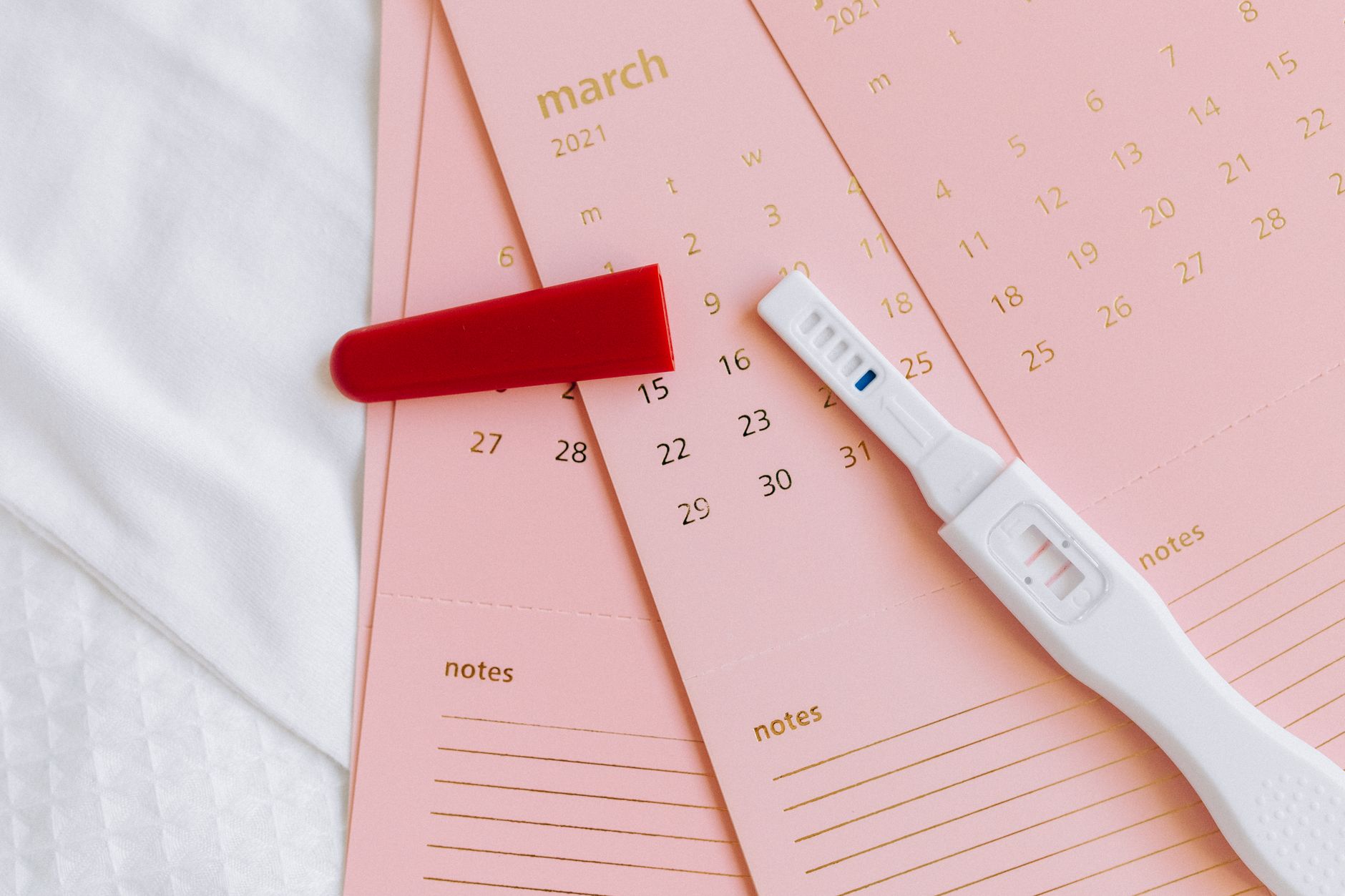
No, twins are highly unlikely to cause a false negative pregnancy test. In fact, carrying twins usually means higher hCG levels, making a positive result appear sooner. Learn the facts about pregnancy tests and multiples here.
By Shubhra Mishra — a mom of two who turned her own confusion during pregnancy into BumpBites, a global mission to make food choices clear, safe, and stress-free for every expecting mother. 💛
Check whether any food is safe during pregnancy with the BumpBites Food Safety Checker.
Quick take: While extremely rare, very high levels of the pregnancy hormone hCG in a twin pregnancy *could* theoretically lead to a false negative result on a home pregnancy test due to a phenomenon called the 'hook effect.' However, false negatives are far more commonly caused by testing too early or user error. If you suspect you're pregnant with multiples despite a negative test, retest in a few days or consult your healthcare provider.
It’s 2 a.m., you’re staring at a pregnancy test that shows a stark, undeniable negative line, but your body is screaming something else. Maybe your morning sickness is next-level, or you just have a gut feeling that something bigger is going on. You’ve heard whispers about high hCG levels causing false negatives, and suddenly, a specific thought pops into your mind: *what if I’m pregnant with twins?*
It’s a common, if slightly anxious, thought for many women trying to conceive or newly pregnant. The idea that a pregnancy test could fail to detect a pregnancy, especially one as significant as multiples, can feel unsettling. We understand that worry. You want a clear, trustworthy answer, and you want to know what to do next.
At BumpBites, we’re here to cut through the confusion and provide you with clear, scientifically grounded information. While the concept of a "false negative due to twins" isn't a widespread concern, understanding the science behind pregnancy tests and the rare 'hook effect' can offer peace of mind. Let’s explore why this happens, how often, and what you should really be looking for.
Can very high hCG levels from twins cause a false negative pregnancy test?
The short answer is: theoretically, yes, but it’s exceptionally rare, especially in early pregnancy when most people are testing. To understand why, let's first talk about how home pregnancy tests actually work. These tests are designed to detect human chorionic gonadotropin (hCG), often called "the pregnancy hormone." Your body starts producing hCG shortly after a fertilized egg implants in your uterus, typically around 6-12 days after conception. As the pregnancy progresses, hCG levels rise rapidly, doubling roughly every 48-72 hours in early pregnancy.
Home pregnancy tests use antibodies that bind to the hCG molecules in your urine. When enough hCG binds to these antibodies, it triggers a chemical reaction that makes a colored line appear on the test. Most standard home pregnancy tests are designed to be highly sensitive, detecting hCG levels as low as 10-25 mIU/mL (milli-international units per milliliter). This sensitivity allows them to detect a pregnancy even before you miss your period.
In a twin or multiple pregnancy, your body generally produces higher levels of hCG much earlier than in a singleton pregnancy because there are more embryos producing the hormone. For example, if a singleton pregnancy might have an hCG level of 100 mIU/mL at a certain point, a twin pregnancy might have 200 mIU/mL or more. This higher level is usually a good thing, as it makes it *easier* for a standard pregnancy test to detect the pregnancy, often resulting in a darker, clearer positive line earlier on.
However, there's a peculiar phenomenon known as the "hook effect." This is where the "very high hCG levels" come into play. The hook effect occurs when hCG levels become so extraordinarily high that they overwhelm the test's ability to accurately detect the hormone. Instead of binding correctly to form the positive line, the excess hCG molecules essentially "saturate" or "hook" onto both the capture and detection antibodies in a way that prevents the "sandwich" formation needed for a visible line. Think of it like a party where there are too many guests (hCG) for the hosts (antibodies) to properly greet and connect, leading to a breakdown in the system.
While the hook effect is a known scientific phenomenon, it's crucial to understand its context. It's typically observed in specific medical scenarios, such as certain types of cancer that produce very high hCG levels, or much later in pregnancy when hCG levels peak and can be in the hundreds of thousands or even millions. In the early stages of a twin pregnancy, even though hCG levels are higher than a singleton, they are generally not *so* astronomically high that they would trigger the hook effect on a standard home pregnancy test. Most tests are designed to handle a wide range of hCG concentrations, and the levels seen in early twin pregnancies usually fall well within this detectable range, often resulting in a very clear positive.
So, while it's theoretically possible for the hook effect to cause a false negative with very high hCG levels, the chances of it happening in the early weeks of a twin pregnancy with a standard home pregnancy test are exceedingly slim. Other factors are far more likely to cause a false negative, which we'll discuss further. If you've taken a test and it's negative, but you strongly suspect pregnancy, especially multiples, it's worth exploring other possibilities and retesting.
A negative pregnancy test can be disheartening, but understanding potential causes can guide your next steps.
What is the 'hook effect' and how does it relate to twin pregnancies?
The 'hook effect' is a fascinating, albeit rare, immunological phenomenon that can interfere with certain types of immunoassay tests, including some pregnancy tests. As we touched upon, it happens when there's an extremely high concentration of the substance being measured – in this case, hCG – which can lead to a misleadingly low or negative result. Think of it as a test designed for a specific range of detection, and when the levels go far beyond that upper limit, the system gets overwhelmed rather than giving an even stronger positive.
To explain it in a bit more detail, most home pregnancy tests are "sandwich immunoassays." They rely on two different antibodies to detect hCG: a "capture" antibody and a "detection" antibody. The capture antibody is fixed to the test strip, and its job is to grab onto hCG molecules. The detection antibody is usually labeled with a dye and floats freely, also designed to bind to hCG. When hCG is present in the right concentration, it forms a "sandwich": the capture antibody binds to one part of the hCG molecule, and the detection antibody binds to another part of the same hCG molecule. This "sandwich" complex then accumulates at the test line, making it visible.
With the hook effect, the concentration of hCG is so incredibly high that it saturates *both* the capture and detection antibodies simultaneously. Instead of forming effective sandwiches where one hCG molecule connects a capture and a detection antibody, the excess hCG molecules bind individually to either the capture antibody or the detection antibody, but not in a way that creates the visible sandwich complex at the test line. The detection antibodies get "hooked" by hCG before they can ever reach the capture antibodies on the test strip, or the capture antibodies are already saturated with hCG, leaving no "sites" for the detection antibody-hCG complex to bind and accumulate. The result? A faint line or no line at all, leading to a false negative or a falsely low positive.
Now, how does this relate specifically to twin pregnancies? As mentioned, women carrying twins or multiples generally produce higher levels of hCG earlier in pregnancy compared to those carrying a single baby. This is simply because there are more developing embryos producing the hormone. However, the key here is *how* high those levels need to be to trigger the hook effect. Research and clinical observations suggest that hCG levels typically need to be in the hundreds of thousands, or even millions, of mIU/mL to cause a noticeable hook effect on most standard home pregnancy tests. These levels are usually only reached much later in the first trimester or even into the second trimester, well past the point when most women would have already received a clear positive result and confirmed their pregnancy.
For example, at 5-6 weeks gestation (which is still very early), average hCG levels for a singleton pregnancy might be in the range of 1,000-50,000 mIU/mL. For twins, these levels might be at the higher end or slightly above this range, perhaps 2,000-100,000 mIU/mL. While higher, these levels are generally still well within the operational range of most home pregnancy tests, which are designed to give a positive result for levels far exceeding their minimum detection threshold. It's only when hCG levels become extremely high, often peaking around 8-11 weeks and sometimes reaching 200,000 mIU/mL or more, that the hook effect *could* potentially manifest. Even then, most home tests are robust enough to handle these peaks, and clinical lab tests are even more so.
Therefore, while the hook effect is a real phenomenon, its occurrence as the *sole cause* of a false negative in the very early stages of a twin pregnancy with a home pregnancy test is considered exceptionally rare. Most women with twin pregnancies will get a strong positive result, often earlier than expected, due to their elevated hCG levels. If you suspect a hook effect, diluting your urine with a small amount of water before retesting can sometimes help, as it brings the hCG concentration back into the detectable range, allowing the "sandwich" to form correctly. However, this is more of a laboratory trick than a common home remedy, and if you have concerns, a blood test from your doctor is the most reliable method.
How common are false negative pregnancy tests specifically due to twins?
Let's be clear: false negative pregnancy tests specifically due to the hook effect in early twin pregnancies are *exceedingly uncommon*. When we say "exceedingly uncommon," we mean that while it's a theoretical possibility based on the science of how these tests work, it is not a scenario that frequently occurs in real-world clinical practice or with typical home testing. Most of the time, if you're pregnant with twins and you've waited until around the time of your missed period (or even a few days before), you're far more likely to get a clear, strong positive result. In fact, many women carrying multiples report getting a positive test result earlier than expected, or a very dark test line, precisely because their hCG levels are higher.
Consider the statistics. False negative pregnancy tests overall are not rare, but they are almost always attributable to other factors (which we'll discuss next). The vast majority of these false negatives have nothing to do with twin pregnancies or the hook effect. The hook effect itself is more commonly observed in laboratory settings when testing for conditions other than pregnancy, or in very advanced pregnancies, or in rare medical conditions that produce extremely high hCG. It's not the go-to explanation for an early false negative when someone is trying to conceive.
The **American College of Obstetricians and Gynecologists (ACOG)** and other leading health bodies emphasize the high accuracy of modern home pregnancy tests when used correctly. When a test is truly negative and you are indeed pregnant, it's almost always due to user error or testing too early, rather than the hook effect. The sensitivity of these tests is designed to encompass the range of hCG levels seen in both singleton and multiple pregnancies during the crucial early weeks.
For a false negative to occur in a twin pregnancy due to the hook effect, several conditions would need to align perfectly (and rarely):
The hCG levels would have to be exceptionally high, far beyond what's typically seen in the early weeks when most women are testing.
The specific home pregnancy test used would need to be particularly susceptible to the hook effect at those specific high concentrations. Not all tests react the same way.
Given that twins are themselves less common than singleton pregnancies (approximately 3% of all births in the US, according to the **Centers for Disease Control and Prevention (CDC)**), and the hook effect is already rare in general pregnancy testing, the confluence of these two factors makes it an outlier scenario. It's far more probable that if you're pregnant with twins and get a negative test, one of the more common reasons for a false negative is at play.
We understand that when you're anxious and searching for answers, every possibility, however remote, can seem significant. However, it's important to ground these possibilities in clinical reality. While it's wise to be informed about phenomena like the hook effect, it's equally important not to let rare occurrences overshadow the much more common explanations for a negative test result. If you have persistent symptoms or concerns, your best course of action is always to consult with your healthcare provider for a definitive blood test and ultrasound, which are not subject to the same limitations as home urine tests.
What are other common reasons for a false negative pregnancy test?
When a home pregnancy test shows a negative result, but you still feel like you might be pregnant, it's much more likely to be due to one of several common reasons rather than the rare 'hook effect.' Understanding these factors can help you decide when to retest or seek medical advice. Here are the most frequent culprits behind a false negative:
Testing Too Early: This is by far the most common reason for a false negative. Home pregnancy tests work by detecting hCG, and your body only starts producing hCG *after* implantation, which can take 6-12 days after conception. Even after implantation, hCG levels need time to build up to a detectable level. Most tests claim to be accurate several days before a missed period, but their accuracy increases significantly closer to, or after, the day of your expected period. If you test too early, there simply might not be enough hCG in your urine for the test to pick up, even if you are pregnant.
Diluted Urine: The concentration of hCG in your urine is highest in the morning, especially with your first morning void, because your urine has been accumulating overnight. If you drink a lot of fluids before testing, or if you test later in the day, your urine can become diluted, lowering the hCG concentration below the test's detection threshold. This is why many tests recommend using first morning urine.
Expired or Faulty Test: Like any product, pregnancy tests have an expiration date. Over time, the chemicals and antibodies in the test can degrade, making them less effective at detecting hCG. Always check the expiration date on the packaging. Additionally, sometimes tests can be faulty right out of the box, though this is less common with reputable brands.
Incorrect Test Usage: Each brand of pregnancy test has specific instructions, including how long to hold the test in your urine stream or dip it, and how long to wait before reading the results. Not following these instructions precisely – for example, not waiting long enough, or waiting too long (reading a test after the recommended window can sometimes show an "evaporation line" which can be mistaken for a faint positive) – can lead to inaccurate results.
Ectopic or Chemical Pregnancy: In some cases, a pregnancy may not progress normally. An ectopic pregnancy occurs when the fertilized egg implants outside the uterus, most commonly in the fallopian tube. While hCG is still produced, levels might rise more slowly or erratically, potentially leading to a faint positive or even a negative test, especially in early stages. A chemical pregnancy is a very early miscarriage that occurs shortly after implantation, sometimes even before a missed period. hCG levels might start to rise but then quickly fall, resulting in a negative test or a very faint positive that disappears.
Medications or Medical Conditions: While less common for *false negatives*, certain medications (like diuretics) or very rare medical conditions can interfere with test results or hCG production. However, it's more common for certain fertility treatments or medications containing hCG to cause *false positives*.
When you encounter a false negative, it's natural to feel frustrated or confused. The key takeaway here is that while the idea of a false negative due to twins or the hook effect is intriguing, it's far less likely than these more common and straightforward explanations. Before jumping to conclusions about multiples, consider whether any of these more prevalent factors could be influencing your test result. If you're still uncertain, retesting or consulting your healthcare provider is always the best approach for clarity and peace of mind.
Waiting a few days and retesting with first morning urine can often clarify a confusing negative result.
When should you retest if you suspect twins after a negative result?
If you've received a negative pregnancy test but still have a strong hunch you might be pregnant, especially with the possibility of multiples, knowing when and how to retest is crucial. Don't let one negative result completely dismiss your intuition, but also approach retesting strategically for the most accurate outcome.
Here’s our advice on when to retest:
Wait a Few Days: The most important piece of advice is to wait at least 48 to 72 hours before taking another test. Why? Because in early pregnancy, hCG levels typically double every 2 to 3 days. If you tested very early and your hCG levels were just below the test's detection threshold, waiting a couple of days allows them to rise significantly enough to be detected. This is especially true if you suspect twins, as their hCG production, while higher, still follows this doubling pattern.
Use First Morning Urine: Always use your first morning urine for retesting. As discussed, this urine is the most concentrated, meaning it will have the highest level of hCG if you are pregnant. Avoid drinking excessive fluids the night before or in the morning before testing.
Consider a Different Brand or Test Type: While most home pregnancy tests are highly accurate, if you're consistently getting a negative and have strong symptoms, you might consider trying a different brand or a test with a higher sensitivity (lower mIU/mL detection threshold). Some digital tests can also provide a clearer "Pregnant" or "Not Pregnant" answer, removing the ambiguity of faint lines.
Dilution (as a last resort for hook effect): If you are *very* far along in your pregnancy (e.g., late first trimester, and somehow haven't tested positive yet) and suspect the incredibly rare hook effect due to extremely high hCG from multiples, you could try diluting your urine with a small amount of water (e.g., a 1:1 ratio) before using the test. This technique aims to bring the hCG concentration back into the test's optimal detection range. However, this is more theoretical for home use and should not be your primary strategy. If you're at this point, a doctor's visit is paramount.
When Symptoms Persist or Worsen: If you continue to experience significant pregnancy symptoms (especially those often associated with multiples, such as exaggerated morning sickness, extreme fatigue, or heightened breast tenderness) despite repeated negative home tests, it’s time to consult your healthcare provider. They can order a quantitative blood test (beta-hCG test), which measures the exact amount of hCG in your blood. Blood tests are significantly more sensitive and accurate than home urine tests and can detect pregnancy much earlier and with greater precision, as well as track the doubling time of hCG, which can sometimes hint at multiples.
Missed Period: If your period is significantly delayed beyond a week or two, regardless of home test results, it's always a good idea to seek medical advice. There could be other reasons for a missed period, but it's important to rule out pregnancy or address any underlying issues.
Remember, your body often gives you clues. While home tests are valuable tools, they aren't infallible. Trusting your instincts and knowing when to escalate your concerns to a medical professional is a vital part of navigating early pregnancy. For expectant parents of multiples, early and accurate diagnosis is important for proper prenatal care planning.
What are the early signs of a twin pregnancy to look for?
While a home pregnancy test can't tell you if you're carrying twins, your body might offer some subtle (or not-so-subtle) clues early on. It's important to remember that many of these symptoms are common in singleton pregnancies too, but they can often be more pronounced or appear earlier when you're carrying multiples. These signs are indicators that *could* point to twins, but they are never definitive proof without medical confirmation.
Here are some early signs that might make you wonder if you're expecting more than one:
Exaggerated Morning Sickness (Hyperemesis Gravidarum): While morning sickness is a hallmark of early pregnancy, women carrying multiples often experience it more severely and for a longer duration. This is thought to be due to the higher levels of hCG, which is linked to the severity of nausea and vomiting. Some women describe it as "all-day sickness" or "extreme morning sickness" that is hard to control.
Extreme Fatigue: Pregnancy is tiring, but carrying two (or more!) babies can be even more exhausting. Your body is working overtime to support multiple growing fetuses, leading to increased metabolic demands and higher hormone levels, which can leave you feeling utterly drained earlier than expected.
More Rapid Uterine Growth: Your uterus will grow faster in a multiple pregnancy. While you won't be able to measure this accurately yourself, your healthcare provider might notice your uterus is larger than expected for your gestational age during an early pelvic exam. You might also "show" earlier than you did in previous singleton pregnancies.
Higher hCG Levels (detected by blood test): As we've discussed, hCG levels are typically higher in twin pregnancies. While a home urine test might not give you specific numbers, a quantitative blood test ordered by your doctor can measure your exact hCG level. If your levels are significantly higher than the average for your gestational age, it could be a sign of multiples. Your doctor will look at the doubling rate, too.
Early and Strong Fetal Movement: While most first-time moms don't feel fetal movement (quickening) until 18-20 weeks, and experienced moms might feel it closer to 16 weeks, some women pregnant with multiples report feeling movement earlier. With more babies, there's more activity inside!
Increased Appetite and Rapid Weight Gain: Your body needs more fuel when it's nurturing more than one baby. You might find yourself hungrier than usual and gaining weight more quickly than the guidelines for a singleton pregnancy. Of course, this needs to be monitored by your doctor.
Family History of Twins: If you or your partner have a family history of fraternal (non-identical) twins, your chances of conceiving twins naturally are higher. This genetic predisposition is worth considering. Identical twins are usually a random occurrence.
Intuition or "Gut Feeling": Sometimes, a mother's intuition is remarkably accurate. Many moms of multiples report just "knowing" there was more than one baby even before medical confirmation. While not a scientific sign, it's a powerful personal experience.
It's important to reiterate that none of these signs on their own are definitive proof of a twin pregnancy. They are simply clues that, when considered together, might prompt you and your healthcare provider to investigate further. The only way to definitively confirm a twin or multiple pregnancy is through medical imaging, specifically an ultrasound.
Here’s a comparative look at some early pregnancy symptoms between singleton and twin pregnancies:
Symptom
Singleton Pregnancy (Typical)
Twin Pregnancy (Potential)
Morning Sickness
Common, mild to moderate, often subsides by end of first trimester.
Often more severe, earlier onset, longer duration (hyperemesis gravidarum).
Fatigue
Common, especially in first trimester, due to hormonal changes.
More pronounced, extreme exhaustion, can be debilitating.
Breast Tenderness
Common, breasts may feel sore, swollen, or heavier.
Often more intense tenderness and swelling, earlier onset.
Food Cravings/Aversions
Common, can be strong, but varied.
Potentially more intense or frequent cravings/aversions.
Uterine Growth
Gradual growth, uterus typically not palpable above pelvis until ~12 weeks.
Uterus may feel larger than expected for gestational age, "showing" earlier.
Weight Gain
Gradual, 1-5 lbs in first trimester.
Potentially more rapid, higher overall weight gain targets.
hCG Levels (Blood)
Within expected range for gestational age, doubles every 48-72 hrs.
Often significantly higher than average for gestational age, faster doubling.
Many women carrying multiples notice their belly growing faster, or "showing" earlier than expected.
When is an ultrasound able to confirm a twin pregnancy?
If you suspect you might be carrying twins, either due to pronounced symptoms, a strong intuition, or a family history, the definitive answer will come from an ultrasound. This imaging technique is the gold standard for confirming the number of fetuses, their viability, and their location.
An ultrasound can typically confirm a twin pregnancy quite early on, often between 6 to 10 weeks of gestation. Here's a breakdown:
Early Transvaginal Ultrasound (around 6-8 weeks): In the very early weeks of pregnancy, a transvaginal ultrasound (where a small probe is inserted into the vagina) provides the clearest images. At around 6 weeks, two separate gestational sacs (the fluid-filled sacs that surround the embryo) can often be seen. By 7 to 8 weeks, it's usually possible to visualize two distinct fetal poles (the earliest visible sign of an embryo) and even detect two separate heartbeats. Seeing two heartbeats is usually the definitive confirmation that you are carrying twins.
Abdominal Ultrasound (after 8-10 weeks): As your pregnancy progresses, an abdominal ultrasound (where the probe is moved over your belly) becomes more effective. By 8-10 weeks, the developing fetuses are larger and more easily visible on an abdominal scan, and confirming two separate babies with their own heartbeats is generally straightforward.
What the Ultrasound Confirms:
Number of fetuses: Clearly identifies if there's one, two, or more babies.
Viability: Confirms if each fetus has a heartbeat and is developing appropriately for its gestational age.
Chorionicity and Amnionicity: This is incredibly important for twin pregnancies. Chorionicity refers to the number of placentas, and amnionicity refers to the number of amniotic sacs.
Dichorionic-diamniotic (Di-Di) twins: Each twin has its own placenta and its own amniotic sac. This is the least risky type of twin pregnancy, and it's common for fraternal twins, but can also occur with identical twins if the egg splits very early.
Monochorionic-diamniotic (Mo-Di) twins: The twins share one placenta but have separate amniotic sacs. These are always identical twins. This type carries a higher risk due to potential issues with placental sharing (e.g., Twin-to-Twin Transfusion Syndrome, TTTS).
Monochorionic-monoamniotic (Mo-Mo) twins: The twins share both one placenta and one amniotic sac. These are also always identical twins and are the rarest and riskiest type, as the babies can get tangled in each other's umbilical cords.
Importance of Early Confirmation: Knowing whether you're carrying multiples, and especially understanding their chorionicity and amnionicity, is critical for your prenatal care. Twin pregnancies, particularly monochorionic types, require more frequent monitoring and specialized care due to the increased risks involved for both mother and babies. Early diagnosis allows your healthcare provider to tailor a care plan that ensures the best possible outcomes.
If you've had a negative home pregnancy test but your symptoms are strong and persistent, or if a blood test shows unusually high hCG levels for your gestational age, your doctor will likely recommend an ultrasound to investigate further. Don't hesitate to discuss your concerns with your provider; they are there to provide clarity and guide you through your pregnancy journey, however many babies it may involve.
Is it possible to be pregnant with multiples despite a negative test?
Yes, it is *possible*, though generally not common, to be pregnant with multiples despite receiving a negative home pregnancy test. This scenario usually boils down to the same reasons a singleton pregnancy might yield a false negative, with the added context of potentially higher hCG levels in a multiple pregnancy. Let's break down the circumstances where this might occur:
The most likely reasons for a negative test when you are, in fact, pregnant with multiples include:
Testing Too Early: This remains the number one cause. Even with higher hCG levels from twins, if you test *extremely* early (e.g., just a few days post-implantation), the overall concentration of hCG might still not be high enough to trigger a positive on a home test. While twin hCG levels rise faster, there's still a baseline threshold that needs to be met for any pregnancy to be detected.
Diluted Urine: Just like with singleton pregnancies, if your urine is diluted from drinking a lot of fluids, the hCG concentration can be lowered, potentially leading to a false negative, even if overall hCG production is high due to multiples.
Test Sensitivity and User Error: An expired test, a faulty test, or simply not following the instructions precisely can all lead to a negative result regardless of whether you're carrying one baby or several.
The Rare Hook Effect (as discussed): While incredibly rare in early twin pregnancies, the theoretical possibility of the hook effect causing a false negative with extremely high hCG levels from multiples does exist. However, this is far more likely to occur later in the first trimester if it occurs at all with home tests.
Ectopic Pregnancy with Multiples (Extremely Rare): While exceedingly rare, it is technically possible for an ectopic pregnancy to involve multiples. In such cases, hCG levels may not rise as expected, or the pregnancy may not be developing normally, leading to confusing or negative test results. This is a medical emergency and would require immediate attention.
So, while a negative test doesn't automatically rule out a twin pregnancy, it most often points to one of the more common reasons for a false negative rather than being a direct indicator of multiples. The key message is that if you have strong, persistent pregnancy symptoms, especially those that might suggest multiples (like severe morning sickness or extreme fatigue), and you're getting negative home tests, it's time to involve your healthcare provider.
Your doctor can perform a quantitative blood test for hCG, which is much more sensitive and accurate than urine tests. This test can not only confirm pregnancy at lower hCG levels but also track the rate at which your hCG levels are rising. While a rapid rise or unusually high levels for your gestational age can sometimes suggest a multiple pregnancy, a definitive confirmation still requires an ultrasound.
In summary, don't ignore your body's signals. If you're feeling pregnant, especially with symptoms that seem "more than usual," and home tests are negative, take another test in a few days using first morning urine. If results remain negative but symptoms persist or worsen, or if your period is significantly delayed, reach out to your doctor or midwife. They can provide the definitive answers you need and ensure you receive appropriate care, whether you're expecting one baby or more.
From our medical team: "It's completely natural to feel anxious when a pregnancy test doesn't align with your intuition or symptoms. While the idea of twins causing a false negative due to very high hCG levels is a fascinating scientific concept, it's rarely the case in early pregnancy. Most often, a negative test means it's simply too early, or the test wasn't used correctly. If you're consistently getting negatives but your body is telling you something else, or if your symptoms are severe, please don't hesitate to call us. A blood test is a very reliable way to confirm pregnancy, and an early ultrasound can tell us exactly how many babies are on the way."
Myth vs. fact
There's a lot of information circulating about pregnancy tests and multiples. Let's clear up some common misconceptions:
Myth: A very faint line on a pregnancy test means you're pregnant with twins.
Fact: A very faint line almost always means you are pregnant, but it usually indicates that your hCG levels are still quite low, perhaps because you tested very early. In fact, if you're pregnant with twins, you're more likely to see a *darker* positive line earlier due to higher hCG levels.
Myth: You can tell you're pregnant with twins if your hCG levels are "off the charts" on a home pregnancy test.
Fact: Home pregnancy tests are qualitative (yes/no), not quantitative. They can't tell you the exact level of hCG, only if it's above a certain threshold. While a very dark line might suggest higher hCG, it's not a reliable indicator of multiples. Only a blood test can give you a specific hCG number.
Myth: If you get a negative test but have all the "twin symptoms" (extreme nausea, fatigue), it means the test is wrong because of the hook effect.
Fact: While twin pregnancies can cause more intense symptoms, a negative test is far more likely to be due to testing too early or user error. The hook effect is an extremely rare cause of false negatives in early pregnancy. Always retest or consult your doctor if symptoms persist despite negative results.
Key takeaways
False negative pregnancy tests due to the 'hook effect' in early twin pregnancies are theoretically possible but extremely rare.
Most false negatives are caused by testing too early, diluted urine, or incorrect test usage.
Women pregnant with twins typically have higher hCG levels, which usually results in a clear, often early, positive test.
Early signs of a twin pregnancy can include exaggerated morning sickness, extreme fatigue, and rapid uterine growth, but these are not definitive.
If you suspect pregnancy with multiples despite a negative test, wait 48-72 hours and retest with first morning urine.
For definitive confirmation, or if symptoms persist, consult your healthcare provider for a blood test and an ultrasound.
An ultrasound between 6-10 weeks is the most reliable way to confirm a multiple pregnancy and determine chorionicity/amnionicity.
Frequently asked questions
Can you have a false negative with twins?
Yes, it's possible, but highly uncommon, especially in early pregnancy. The most frequent causes are testing too early or using diluted urine, rather than the rare 'hook effect' linked to extremely high hCG levels in a twin pregnancy.
Why would a pregnancy test be negative if I'm pregnant with twins?
A negative test with a twin pregnancy is most often due to testing before hCG levels are high enough for detection (even if higher than a singleton) or user errors like diluted urine. The 'hook effect' is a very rare theoretical cause for false negatives in early twin pregnancies.
What is the hook effect in pregnancy tests?
The hook effect is a rare phenomenon where extremely high concentrations of hCG in urine can overwhelm a pregnancy test's antibodies, preventing the formation of a visible positive line and leading to a false negative or falsely low result. It is generally observed at much higher hCG levels than typically seen in early twin pregnancies.
Do high hCG levels affect pregnancy test results?
Normally, higher hCG levels (like those in twin pregnancies) lead to clearer, earlier positive test results. Only at extremely high, saturating levels (far beyond early pregnancy) can hCG potentially cause a false negative due to the 'hook effect,' but this is very uncommon with home tests.
How accurate are home pregnancy tests for twin pregnancies?
Home pregnancy tests are generally very accurate for twin pregnancies when used correctly and at the right time. Due to higher hCG levels, many women with twins get a strong positive result even earlier than expected. False negatives are usually due to user error or testing too early, not the twin pregnancy itself.
What are the first signs of carrying twins?
Early signs of carrying twins can include more severe morning sickness, extreme fatigue, a noticeably larger abdomen for gestational age, and higher hCG levels (confirmed by blood test). However, these symptoms are often similar to singleton pregnancies, just potentially more intense, and require medical confirmation.
When to call your doctor
While this article offers guidance, it's essential to remember that it is for informational purposes only and not a substitute for professional medical advice. You should always seek personalized advice from your healthcare provider.
Call your doctor or midwife if:
You have consistently negative home pregnancy tests but continue to experience strong pregnancy symptoms (especially exaggerated nausea, fatigue, or abdominal discomfort).
Your period is significantly delayed (more than a week or two) despite negative home tests.
You experience any unusual or concerning symptoms, such as severe abdominal pain, vaginal bleeding, or dizziness, which could indicate an ectopic pregnancy or other complication.
You have a positive home test and want to confirm your pregnancy and discuss prenatal care, especially if you suspect multiples.
References
American College of Obstetricians and Gynecologists (ACOG). (2023). Early Pregnancy.
Not sure about the label on Can Twins Cause False Negative Pregnancy Test Facts products?
Snap the ingredients list and SafeFilter checks every ingredient for your stage — only 3 free scans this month, then you're locked until reset. Unlimited from $7/mo or $50/yr.
When Shubhra Mishra was expecting her first child in 2016, she was overwhelmed by conflicting food advice — one site said yes, another said never. By the time her second baby arrived in 2019, she realized millions of mothers face the same confusion.
That sparked a five-year journey through clinical nutrition papers, cultural diets, and expert conversations — all leading to BumpBites: a calm, compassionate space where science meets everyday motherhood.
Her long-term vision is to build a global community ensuring safe, supported, and free deliveriesfor every mother — because no woman should face pregnancy alone or uninformed. 🌿
🌍 Stand with mothers, shape safer guidance
Join a small circle of experts who review BumpBites articles so expecting parents everywhere can decide with confidence.