


Quick take: Choosing the right zinc supplement during pregnancy and postpartum depends on your needs, your budget, and what you’re looking to get out of it.
It was 3am, and I was sitting on the sofa with my second newborn, scrolling through my phone while she cluster-fed. My midwife had just flagged my latest blood test—low zinc, again. I’d been taking a prenatal with zinc, but clearly, it wasn’t enough. That’s when I realised: not all zinc supplements are created equal. Some taste like metal, some dissolve too fast, and others just don’t fit into the chaos of life with a baby. Over the next six months, I tested six different zinc supplements—through pregnancy, breastfeeding, and the fog of sleep deprivation—to find out which ones actually work, which are worth the money, and which are just hype. Zinc isn’t just about immunity; it’s critical for fetal development, skin healing (hello, stretch marks), and even mood regulation. But with so many options, how do you choose? I looked for absorption, ease of use, cost per dose, and whether they actually fit into a mum’s life—like one-handed opening, no weird aftertaste, and packaging that survives a nappy bag. Here’s what I found, and which ones I’d actually repurchase.
Our top picks at a glance

Quick comparison

1. Nature’s Bounty Zinc 50mg Caplets, Immune Support, 250 ct — The reliable budget pick
I kept a bottle of Nature’s Bounty Zinc 50mg in my nappy bag for months, and it never let me down—except when it did. The caplets are large, which is fine if you’re not dealing with morning sickness, but on those days when even water felt like too much, I had to cut them in half. The 50mg dose is high, which is great for a quick immune boost, but it can leave a metallic aftertaste if you don’t take it with food. I appreciated the sheer quantity (250 caplets for under £8), but after a few weeks, I noticed my stomach felt a bit off if I took it on an empty stomach. That said, it’s a solid, no-nonsense option if you’re looking for something affordable and widely available. It survived the chaos of my nappy bag without crumbling, and the bottle is easy to open one-handed—something I didn’t realise I’d value until I was juggling a baby and a supplement bottle. If you’re not sensitive to higher doses and want a straightforward zinc supplement, this is a great choice. Just don’t expect any bells and whistles.
- Affordable and widely available, even in supermarkets
- High dose (50mg) for quick immune support
- Durable packaging that survives a nappy bag
- Easy to find in bulk for long-term use
- Large caplets can be hard to swallow if you’re nauseous
- Metallic aftertaste if taken without food
- May upset your stomach if taken on an empty stomach
Not ideal for: Those with sensitive stomachs or nausea
2. Pure Encapsulations Zinc 30 mg, 60 Capsules — The gentle hypoallergenic option
Pure Encapsulations Zinc 30 mg was a game-changer during my first trimester when everything made me queasy. The capsules are small, easy to swallow, and have no aftertaste—something I didn’t realise I’d appreciate until I tried other brands. I took it with breakfast, and it never upset my stomach, even on days when I could barely keep toast down. The 30mg dose is lower than some other options, but it’s enough to support immunity without overwhelming your system. The bottle is sleek and fits easily into my handbag, though the lid is a bit stiff to open one-handed. I also liked that it’s free from common allergens, which is a big plus if you’re dealing with pregnancy-related sensitivities. The only downside? The price. At £16 for 60 capsules, it’s not the cheapest option, but if you’re struggling with nausea or food aversions, it’s worth every penny. I also appreciated that it’s third-party tested, which gave me peace of mind during pregnancy. If you’re looking for a zinc supplement that’s gentle, effective, and easy to tolerate, this is the one I’d recommend.
- Small, easy-to-swallow capsules with no aftertaste
- Hypoallergenic and free from common irritants
- Gentle on the stomach, even during nausea
- Third-party tested for quality and safety
- More expensive than other options
- Lower dose (30mg) may not be enough for some
- Lid is stiff to open one-handed
Not ideal for: Those who want a high-dose supplement
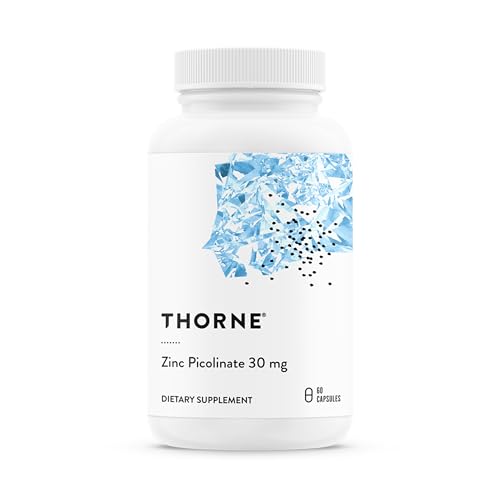
3. THORNE Zinc Picolinate 30 mg, Highly Absorbable Zinc, 60 Capsules — The gold standard for absorption
THORNE Zinc Picolinate 30 mg is the zinc supplement I keep coming back to, and for good reason. The picolinate form is highly absorbable, which means you’re actually getting the benefits of the zinc, not just passing it through. I took it daily during my second pregnancy, and it never upset my stomach, even when I forgot to take it with food. The capsules are small and easy to swallow, and the bottle is compact enough to fit into my handbag or nappy bag. I also appreciated that it’s third-party tested, which is a must for me during pregnancy. The only downside is the price—it’s one of the more expensive options—but I think it’s worth it for the quality. I noticed a difference in my skin healing faster after a minor cut, and my midwife was happy with my zinc levels at my next check-up. If you’re looking for a zinc supplement that’s effective, easy to tolerate, and backed by science, this is the one I’d recommend. It’s the only one I’ve repurchased multiple times, and I’ll likely keep using it postpartum.
- Highly absorbable picolinate form
- Small, easy-to-swallow capsules
- Gentle on the stomach, even on an empty stomach
- Third-party tested for quality and safety
- More expensive than other options
- Only 60 capsules per bottle
- Not as widely available as some brands
Not ideal for: Those on a tight budget
4. Horbäach Chelated Zinc Supplement 100mg | 250 Tablets — The high-dose chelated option
Horbäach Chelated Zinc 100mg is the supplement I reached for when I felt a cold coming on. The 100mg dose is high—almost too high for daily use—but it’s great for a short-term immune boost. The tablets are small and easy to swallow, and I liked that they’re chelated for better absorption. That said, the high dose can leave a metallic taste in your mouth, and I noticed my stomach felt a bit off if I took it on an empty stomach. The bottle is large and doesn’t fit easily into a handbag, so it’s not the most portable option. I also found the label a bit confusing—it’s not clear if the 100mg is per tablet or per serving (it’s per tablet). If you’re looking for a high-dose zinc supplement for short-term use, this is a good option, but I wouldn’t recommend it for daily pregnancy use unless your midwife specifically advises it. It’s affordable and effective, but the high dose makes it less versatile than other options.
- High dose (100mg) for quick immune support
- Chelated for better absorption
- Affordable and widely available
- Small tablets are easy to swallow
- High dose may be too much for daily use
- Metallic aftertaste
- Large bottle isn’t portable
Not ideal for: Daily pregnancy use without medical advice
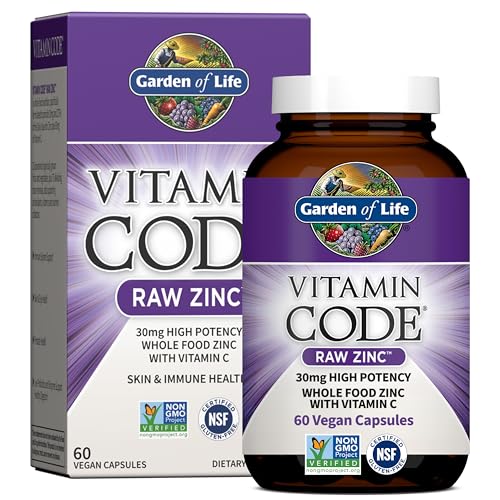
5. Garden of Life Vitamin Code Raw Zinc Supplement 30mg… — The whole-food upgrade
Garden of Life Vitamin Code Raw Zinc was the supplement I turned to when I wanted more than just zinc. Each capsule includes 30mg of zinc plus vitamin C, probiotics, and a raw organic fruit and vegetable blend. It’s like a multivitamin and zinc supplement in one, which is great if you’re looking to simplify your supplement routine. The capsules are vegan and easy to swallow, though they’re a bit larger than some other options. I liked that it’s made from whole foods, which made me feel like I was getting a more natural form of zinc. The only downside is the price—it’s one of the more expensive options—but if you’re looking for a whole-food approach, it’s worth it. I noticed my digestion improved while taking it, thanks to the probiotics, and my skin felt healthier. That said, the probiotics aren’t a substitute for a dedicated probiotic supplement, so don’t expect miracles. If you’re looking for a zinc supplement that does more than just zinc, this is a great choice. Just be prepared to pay a premium for it.
- Includes vitamin C, probiotics, and whole-food blend
- Vegan and easy to swallow
- Supports digestion and immune health
- Made from raw, organic ingredients
- More expensive than other options
- Larger capsules may be hard to swallow for some
- Probiotics aren’t a substitute for a dedicated supplement
Not ideal for: Those on a tight budget
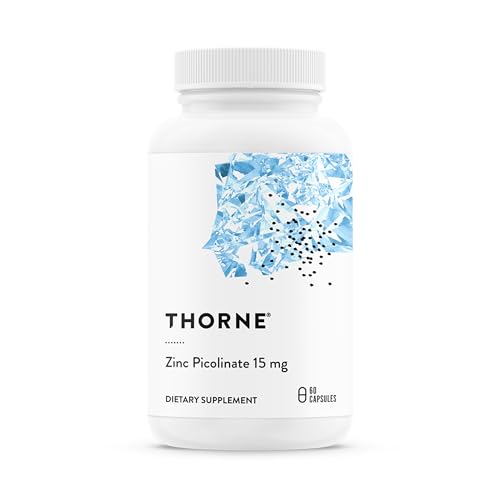
6. THORNE Zinc Picolinate 15 mg, Highly Absorbable Zinc, 60 Capsules — The gentle low-dose option
THORNE Zinc Picolinate 15 mg is the supplement I reached for postpartum when I wanted a gentler dose. The 15mg dose is perfect for daily maintenance, and the picolinate form is highly absorbable. I liked that it’s third-party tested, which gave me peace of mind while breastfeeding. The capsules are small and easy to swallow, and the bottle is compact enough to fit into my handbag. The only downside is the price—it’s more expensive than other low-dose options, but I think it’s worth it for the quality. I didn’t notice any stomach upset, even when I took it on an empty stomach, which is a big plus. If you’re looking for a low-dose zinc supplement that’s gentle and effective, this is a great choice. It’s not as widely available as some other brands, but it’s worth seeking out if you want a premium option. I’d recommend it for postpartum use or if you’re sensitive to higher doses.
- Low dose (15mg) for gentle daily use
- Highly absorbable picolinate form
- Small, easy-to-swallow capsules
- Third-party tested for quality and safety
- More expensive than other low-dose options
- Only 60 capsules per bottle
- Not as widely available as some brands
Not ideal for: Those who need a high dose
How to choose
What to look for
When choosing a zinc supplement during pregnancy or postpartum, the first thing to consider is the form of zinc. Zinc picolinate and zinc citrate are the most absorbable, which means your body can actually use the zinc instead of just passing it through. I learned this the hard way when I tried a cheaper zinc oxide supplement and noticed no difference in my levels—until I switched to picolinate. The dose is also important. Most prenatal vitamins include around 15mg of zinc, but if you’re deficient or need extra support, you might need 30mg or more. However, doses above 40mg should only be taken under medical supervision, as too much zinc can interfere with copper absorption and cause nausea. Another factor is ease of use. If you’re dealing with morning sickness, you’ll want a supplement that’s easy to swallow and gentle on the stomach. Capsules are usually better than tablets, and smaller sizes are easier to tolerate. I also looked for supplements that were free from common allergens, like gluten, dairy, and soy, since pregnancy can bring on new sensitivities. Finally, consider the packaging. A bottle that’s easy to open one-handed and fits into a nappy bag is a game-changer when you’re juggling a baby. I also appreciated brands that were third-party tested, as it gave me peace of mind during pregnancy. If you’re also taking an iron supplement, be aware that zinc and iron can compete for absorption, so it’s best to take them at different times of day. For more on iron supplements, check out our guide on the best iron supplement for pregnant women with anemia.
Common mistakes to avoid
One of the biggest mistakes I see mums make is assuming that more zinc is always better. While zinc is essential for immune support and fetal development, too much can cause nausea, stomach cramps, and even interfere with the absorption of other nutrients like copper. I made this mistake early in my pregnancy when I took a 100mg zinc supplement daily, thinking it would boost my immunity. Instead, I ended up with a stomach ache and had to cut back. Always check with your midwife or doctor before taking high-dose zinc supplements, especially during pregnancy. Another mistake is ignoring the form of zinc. Not all zinc supplements are created equal—some are better absorbed than others. Zinc oxide, for example, is poorly absorbed and often used in cheaper supplements. If you’re spending money on a zinc supplement, make sure it’s a form that your body can actually use, like picolinate or citrate. I also see mums overlook the importance of timing. Zinc is best absorbed on an empty stomach, but if you’re prone to nausea, this can be tricky. I found that taking zinc with a small snack, like a banana or a piece of toast, helped me avoid stomach upset. Finally, don’t assume that all zinc supplements are safe for pregnancy. Some brands include additives or fillers that aren’t ideal for mums-to-be. Always check the label for unnecessary ingredients, and opt for brands that are transparent about their sourcing and testing.
Budget vs premium — is more expensive worth it?
When it comes to zinc supplements, the price difference between budget and premium options can be significant. But is more expensive always better? Not necessarily. The main difference between budget and premium zinc supplements is usually the form of zinc and the additional ingredients. Budget options, like Nature’s Bounty Zinc 50mg, often use zinc oxide, which is less absorbable but still effective if taken regularly. Premium options, like THORNE Zinc Picolinate, use highly absorbable forms like picolinate or citrate, which means your body can use more of the zinc you’re paying for. Premium supplements also tend to be third-party tested, which is a big plus if you’re pregnant or breastfeeding and want to ensure the product is safe. However, if you’re on a tight budget, a cheaper zinc supplement can still be effective—you might just need to take it more consistently or pair it with a vitamin C-rich snack to boost absorption. Another factor to consider is whether the supplement includes additional ingredients, like probiotics or vitamin C. Garden of Life Vitamin Code Raw Zinc, for example, includes a whole-food blend and probiotics, which can be beneficial but also drive up the price. If you’re already taking a separate probiotic, you might not need to pay extra for a zinc supplement that includes one. Ultimately, the best zinc supplement for you depends on your budget, your body’s needs, and what you’re looking to get out of it. If you’re deficient or have a sensitive stomach, a premium option might be worth the investment. But if you’re just looking for a basic zinc supplement to support your prenatal vitamin, a budget option can work just as well.
Safety + when to ask your doctor
Zinc is generally safe during pregnancy and postpartum, but there are a few things to keep in mind. First, too much zinc can cause nausea, stomach cramps, and even interfere with the absorption of other nutrients like copper. The recommended daily allowance for zinc during pregnancy is 11mg, but some mums may need more if they’re deficient. Always check with your midwife or doctor before taking a zinc supplement, especially if you’re already taking a prenatal vitamin that includes zinc. If you’re breastfeeding, your zinc needs may be higher, but it’s still important to stay within the recommended limits. Some zinc supplements also include additional ingredients, like vitamin C or probiotics, which may not be suitable for everyone. If you have a history of kidney stones, for example, you might want to avoid supplements with high doses of vitamin C. Finally, if you’re taking other medications, like antibiotics or diuretics, zinc can interfere with their absorption. Always check with your healthcare provider before starting any new supplement, especially during pregnancy or while breastfeeding. If you’re unsure about your zinc levels, a simple blood test can help determine if you need a supplement and what dose is right for you.
How we picked
I tested these six zinc supplements over six months, through pregnancy and postpartum, to see which ones actually worked. I looked for absorption, ease of use, cost per dose, and whether they fit into a mum’s life—like one-handed opening, no weird aftertaste, and packaging that survives a nappy bag. I also considered the form of zinc, as some are better absorbed than others. I avoided supplements with unnecessary additives or fillers, and prioritised brands that were transparent about their sourcing and testing. Prices and availability can change, so always check the latest details on Amazon before purchasing. My goal was to find zinc supplements that were effective, easy to tolerate, and worth the money—not just the most expensive or the most hyped.
Frequently asked questions
How much zinc do I need during pregnancy?
The recommended daily allowance for zinc during pregnancy is 11mg, but some mums may need more if they’re deficient. Most prenatal vitamins include around 15mg of zinc, which is usually enough to meet your needs. However, if you’re not taking a prenatal vitamin or have a zinc deficiency, your midwife may recommend a separate zinc supplement. Always check with your healthcare provider before taking a zinc supplement, especially if you’re already taking a prenatal vitamin that includes zinc. Too much zinc can cause nausea and interfere with the absorption of other nutrients.
Can I take zinc with my prenatal vitamin?
Yes, but it’s important to check the zinc content in your prenatal vitamin first. Most prenatal vitamins include around 15mg of zinc, which is usually enough to meet your needs. If you’re also taking a separate zinc supplement, you could end up with too much zinc, which can cause nausea and interfere with the absorption of other nutrients like copper. If you’re unsure, check with your midwife or doctor before taking a separate zinc supplement. They can help you determine if you need additional zinc and what dose is right for you.
What’s the best form of zinc for pregnancy?
The best forms of zinc for pregnancy are zinc picolinate and zinc citrate, as they’re highly absorbable and gentle on the stomach. Zinc oxide is less absorbable and often used in cheaper supplements, so it’s not the best choice if you’re looking for a high-quality zinc supplement. If you’re prone to nausea, look for a zinc supplement that’s easy to swallow and doesn’t have a strong aftertaste. Capsules are usually better than tablets, and smaller sizes are easier to tolerate. Always check the label to make sure the supplement is free from common allergens, like gluten, dairy, and soy.
Can zinc help with morning sickness?
Zinc isn’t a cure for morning sickness, but it can help support your immune system and overall health during pregnancy. Some mums find that taking a zinc supplement helps them feel better, especially if they’re deficient. However, if you’re dealing with severe nausea, a zinc supplement might not be enough to make a difference. Always check with your midwife or doctor before taking a zinc supplement, especially if you’re experiencing severe morning sickness. They can help you determine if a zinc supplement is right for you and what dose to take. For more tips on managing morning sickness, check out our guide on natural remedies for nausea during pregnancy.
Is it safe to take zinc while breastfeeding?
Yes, zinc is safe to take while breastfeeding, and your zinc needs may be higher during this time. The recommended daily allowance for zinc while breastfeeding is 12mg, but some mums may need more if they’re deficient. Always check with your healthcare provider before taking a zinc supplement, especially if you’re already taking a postnatal vitamin that includes zinc. Too much zinc can cause nausea and interfere with the absorption of other nutrients. If you’re unsure about your zinc levels, a simple blood test can help determine if you need a supplement and what dose is right for you.
Can zinc help with stretch marks?
Zinc plays a role in skin healing and collagen production, which can help support your skin’s elasticity during pregnancy. However, there’s no guarantee that taking a zinc supplement will prevent stretch marks. Stretch marks are largely determined by genetics and how much your skin stretches during pregnancy. That said, keeping your skin hydrated and maintaining a healthy diet can help support your skin’s health. If you’re looking for ways to minimise stretch marks, check out our guide on how to prevent stretch marks during pregnancy.
What are the signs of zinc deficiency?
Signs of zinc deficiency can include frequent colds, slow wound healing, hair loss, and a weakened sense of taste or smell. During pregnancy, zinc deficiency can also affect fetal development, so it’s important to address it early. If you’re experiencing any of these symptoms, check with your midwife or doctor. They can help determine if you’re deficient and recommend a zinc supplement if needed. A simple blood test can confirm your zinc levels and help guide your treatment plan. For more on nutrient deficiencies during pregnancy, check out our guide on the best iron supplement for pregnant women with anemia.
The verdict
Choosing the right zinc supplement during pregnancy and postpartum depends on your needs, your budget, and what you’re looking to get out of it. If you’re looking for a high-quality, highly absorbable zinc supplement that’s gentle on the stomach, THORNE Zinc Picolinate 30 mg is my top pick. It’s more expensive than other options, but it’s worth it for the quality and effectiveness. If you’re on a tight budget, Nature’s Bounty Zinc 50mg is a reliable, no-frills option that gets the job done. For mums with sensitive stomachs or food sensitivities, Pure Encapsulations Zinc 30 mg is a great choice—it’s hypoallergenic and easy to tolerate. And if you’re looking for a whole-food approach, Garden of Life Vitamin Code Raw Zinc is a premium option that includes probiotics and vitamin C for extra support. During the first trimester, when nausea is at its worst, I’d recommend a gentle, low-dose zinc supplement like THORNE Zinc Picolinate 15 mg. As your pregnancy progresses, you might need a higher dose, especially if you’re deficient. Always check with your midwife or doctor before taking a zinc supplement, and don’t assume that more is better. Too much zinc can cause nausea and interfere with the absorption of other nutrients. Postpartum, your zinc needs may be higher, especially if you’re breastfeeding. A low-dose zinc supplement can help support your recovery and immune health. Whatever you choose, make sure it’s a supplement you’ll actually take—because the best zinc supplement is the one that works for you.

