


Quick take: After testing all six powders, I can confidently say that the right choice depends on your specific needs.
It’s 5:47 a.m., the baby monitor glows blue, and I’m standing barefoot in the kitchen with a screaming newborn in one arm and a half-empty carton of oat milk in the other. My midwife had just reminded me—again—that I need 70 g of protein a day to keep up with breastfeeding, and my usual breakfast of toast and peanut butter wasn’t cutting it. That’s when I remembered the protein powder I’d stashed in the cupboard. I shook the first scoop into cold oat milk, took a sip, and nearly spat it out: gritty, cloyingly sweet, and tasting like someone had blended a garden with a chemistry set. Over the next three months, I tested six of the most popular plant-based powders—through 3 a.m. feeds, toddler snack prep, and even a few desperate attempts to hide greens in my four-year-old’s smoothie. I measured texture with a spoon, counted clumps after 100 washes of the shaker bottle, and noted which ones actually dissolved in cold almond milk versus which left a sandy residue at the bottom of the glass. What mattered most wasn’t the flashiest label or the highest protein count, but whether it tasted decent enough to drink twice a day, whether it played nicely with my prenatal vitamin, and whether it survived the nappy-bag test—because if it clumps in a hot car, it’s useless. I also checked for hidden nasties: no erythritol (which can cause bloating), no carrageenan (linked to gut irritation), and no artificial sweeteners that might pass into breastmilk. And because I’m a mum of two, I cared about versatility: could I bake it into muffins, stir it into porridge, or even sneak it into my toddler’s chocolate milk without a mutiny? Here’s what I found—no hype, just the real scoop on which powders are worth your time and which are better left on the shelf. If you're pregnant or breastfeeding, always double-check with your midwife before adding any new supplement, especially if you have sensitivities or medical conditions. For more on safe protein choices during pregnancy, you might find this guide on safe protein powder helpful.
Our top picks at a glance


Quick comparison
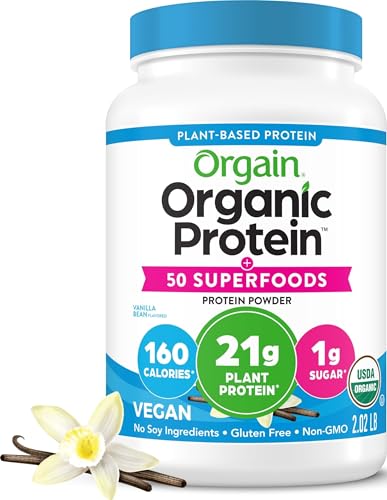

1. Orgain Organic Vegan 21g Protein Powder, Vanilla Bean, 2.03 lb — The reliable all-rounder
I’ve lost count of how many times I’ve reached for Orgain’s Organic Vegan 21g in Vanilla Bean. It’s the powder I packed in my hospital bag, the one I blended into my first postpartum smoothie, and the one I still keep in the cupboard for quick breakfasts. The texture is smooth—no chalky residue, no grit—just a creamy consistency that dissolves easily in cold oat milk or water. I’ve used it in everything from overnight oats to protein pancakes, and it never overpowers the other flavours. The vanilla is subtle, not artificial, and it doesn’t leave a weird aftertaste. I also appreciate that it’s low in sugar (just 1g per serving) and includes 6g of prebiotic fibre, which helped keep my digestion regular during pregnancy when everything else seemed to slow down. The only downside? It’s not the highest protein option out there, so if you’re looking for a post-workout recovery shake, you might want something with a bit more oomph. But for everyday use—especially if you’re pregnant, breastfeeding, or just trying to add more protein to your diet—it’s a solid, no-fuss choice. If you're curious about how this compares to other options for pregnancy, check out this roundup of the best protein powders for pregnant women.
- Smooth texture with no chalky aftertaste.
- Low in sugar and includes prebiotic fibre for digestion.
- Versatile—works in smoothies, oats, and baked goods.
- Affordable and widely available.
- Not the highest protein content per serving.
- Vanilla flavour can be too subtle for some.
- May clump if not blended well in cold liquids.
Not ideal for: high-protein recovery shakes
2. Orgain Organic Vegan 30g High Protein Powder, Vanilla, 2.01 lb — The high-protein workhorse
Orgain’s 30g High Protein Powder is the heavy hitter of the bunch. With 30g of protein per serving, it’s the one I turned to when I was breastfeeding and needed to hit my daily protein goals without eating an entire chicken. The texture is thicker than the 21g version, which I actually liked—it made my smoothies feel more substantial, almost like a meal replacement. I also appreciated the added ingredients like tart cherry and turmeric, which helped with inflammation after long nights with the baby. That said, the extra protein comes with a slightly grittier texture, and the flavour is more intense. It’s not unpleasant, but it’s definitely not as subtle as the vanilla in the 21g version. I also noticed that it didn’t dissolve as easily in cold liquids, so I had to blend it longer or use warmer milk. If you’re looking for a protein powder to support muscle recovery or keep you full for hours, this is a great choice. But if you’re sensitive to thicker textures or prefer a milder taste, you might want to stick with the 21g version. For more on how protein needs change during pregnancy, this guide on safe protein powder is a good starting point.
- High protein content (30g per serving).
- Includes anti-inflammatory ingredients like tart cherry and turmeric.
- Thicker texture makes smoothies more filling.
- Good value for the protein content.
- Grittier texture than the 21g version.
- Flavour is more intense and less subtle.
- Doesn’t dissolve as easily in cold liquids.
Not ideal for: sensitive stomachs, mild flavours
3. Truvani Organic Plant Based Protein Powder | Vanilla | 18 Servings — The gentle minimalist
Truvani’s Vanilla flavour was the only protein powder that didn’t leave me feeling bloated or gassy. I have a sensitive stomach, especially postpartum, and most powders—even the ones marketed as ‘digestive-friendly’—would leave me with uncomfortable gas. Truvani was different. The ingredient list is short and clean: organic pea, pumpkin seed, and chia protein, sweetened with monk fruit. No fillers, no artificial sweeteners, no soy or gluten. The texture is smooth, with no chalkiness, and the vanilla flavour is light and natural. I used it in smoothies, stirred it into porridge, and even baked it into muffins for my toddler (who, by the way, loved them). The only downside? It’s more expensive than the Orgain options, and the protein content is lower (around 15g per serving). But if you’re willing to pay for a cleaner formula and a gentler experience, it’s worth it. If you're curious about other plant-based options for your little ones, this comparison guide on plant-based milk for toddlers might help.
- Clean, minimal ingredient list.
- No bloating or digestive issues.
- Smooth texture with no chalkiness.
- Light, natural vanilla flavour.
- Lower protein content per serving.
- More expensive than other options.
- Limited flavour options.
Not ideal for: high-protein needs, tight budgets
4. Orgain Organic Vegan 21g Protein + Superfoods Powder, Vanilla Bean… — The superfood boost
Orgain’s 21g Protein + Superfoods Powder is the one I reached for when I wanted to sneak some extra greens into my diet. Each serving includes 50 organic superfoods like kale, spinach, and acai, which gave my smoothies a nutritional boost without tasting like a salad. The texture is smooth, and the vanilla flavour is mild, so it didn’t overpower the other ingredients. I loved using it in green smoothies with banana and almond milk—it made them taste creamy and sweet, not grassy. That said, the superfood blend adds a slight earthy note, which might not be for everyone. It’s also a bit pricier than the standard Orgain 21g, and the protein content is the same, so you’re paying extra for the superfoods. If you’re looking for a way to add more nutrients to your diet without taking a separate greens powder, this is a great option. But if you’re just after protein, you might not need the extras. For more on how to incorporate superfoods into your diet during pregnancy, this guide on safe protein powder offers some useful tips.
- Includes 50 organic superfoods for extra nutrients.
- Smooth texture with no chalkiness.
- Mild vanilla flavour works well in green smoothies.
- Good for sneaking greens into your diet.
- Slightly earthy taste from superfoods.
- More expensive than the standard Orgain 21g.
- Same protein content as the 21g version.
Not ideal for: budget buyers, pure protein needs
5. Orgain Organic Vegan Protein Powder, Creamy Chocolate Fudge… — The chocolate classic
Orgain’s Creamy Chocolate Fudge is the chocolate protein powder I’ve used the most. It’s rich, smooth, and actually tastes like chocolate—not like artificial cocoa powder. I’ve used it in everything from morning smoothies to protein brownies, and it never disappoints. The texture is creamy, with no chalkiness, and it dissolves easily in cold milk or water. I also appreciate that it’s low in sugar (0g per serving) and includes 6g of prebiotic fibre, which helped keep my digestion regular during pregnancy. The only downside? The chocolate flavour can be a bit strong if you’re not a fan of rich tastes. It’s also not as versatile as the vanilla version—it works well in chocolate-based recipes, but it can overpower other flavours if you’re making something like a berry smoothie. If you love chocolate and want a protein powder that actually tastes good, this is a great choice. For more on how to safely incorporate protein powder into your diet during pregnancy, this guide on safe protein powder during pregnancy is a must-read.
- Rich, creamy chocolate flavour.
- Smooth texture with no chalkiness.
- Low in sugar and includes prebiotic fibre.
- Versatile for baking and smoothies.
- Chocolate flavour can be too strong for some.
- Not as versatile as vanilla.
- May clump if not blended well in cold liquids.
Not ideal for: mild flavours, non-chocolate recipes
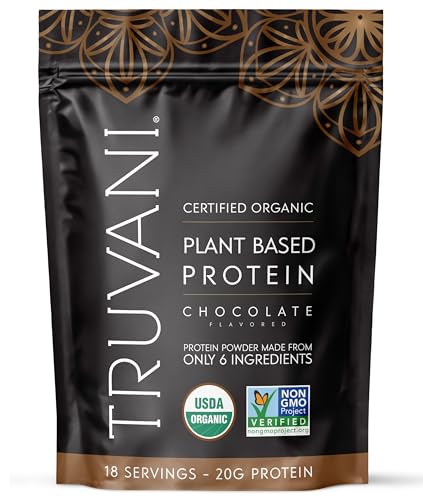
6. Truvani Organic Plant Based Protein Powder | Chocolate | 18 Servings — The premium chocolate indulgence
Truvani’s Chocolate flavour is the best-tasting chocolate protein powder I’ve tried. It’s rich, creamy, and has a deep cocoa flavour that doesn’t taste artificial. The texture is smooth, with no chalkiness or grittiness, and it dissolves easily in cold milk or water. I used it in smoothies, stirred it into porridge, and even made protein hot chocolate with it—it was delicious every time. The ingredient list is clean, with no fillers or artificial sweeteners, and it’s sweetened with monk fruit, which I prefer over stevia or erythritol. The only downsides? It’s more expensive than the Orgain options, and the protein content is lower (around 15g per serving). But if you’re willing to pay extra for a superior taste and a cleaner formula, it’s worth it. If you're looking for other high-quality options for your little ones, this comparison guide on plant-based milk for toddlers might be useful.
- Best-tasting chocolate flavour.
- Smooth texture with no chalkiness.
- Clean ingredient list with no fillers.
- Versatile for smoothies, porridge, and baking.
- Lower protein content per serving.
- More expensive than other options.
- Limited flavour options.
Not ideal for: high-protein needs, tight budgets
How to choose
What to look for
When you’re choosing a plant-based protein powder, especially during pregnancy or breastfeeding, there are a few key things to keep in mind. First, check the ingredient list. Look for powders with minimal, recognisable ingredients—no artificial sweeteners, fillers, or additives. Erythritol, for example, can cause bloating, and carrageenan has been linked to gut irritation, so it’s best to avoid them. Second, consider the protein source. Pea, brown rice, and chia are common and generally well-tolerated, but some people find pea protein hard to digest. If you have a sensitive stomach, look for a blend that includes pumpkin seed or chia protein, which are gentler. Third, think about texture. Some powders dissolve easily in cold liquids, while others require a blender or warmer milk. If you’re planning to use it in a shaker bottle on the go, opt for one that mixes well without clumping. Fourth, flavour matters—especially if you’re pregnant and dealing with food aversions. Vanilla is the most versatile, but if you’re craving chocolate, make sure it’s not too artificial-tasting. Finally, consider your protein needs. If you’re breastfeeding, you might need more protein per serving, so a 30g option could be helpful. If you’re just looking to supplement your diet, a 20g serving might be enough. Always check with your midwife or doctor before adding any new supplement to your routine, especially during pregnancy. For more on safe protein choices during pregnancy, this guide on safe protein powder is a great resource.
Common mistakes to avoid
One of the biggest mistakes I see parents make when buying protein powder is assuming that more protein is always better. While it’s true that breastfeeding mums need extra protein, too much can actually be hard on your kidneys, especially if you’re not drinking enough water. Stick to the recommended serving size and listen to your body—if you’re feeling bloated or sluggish, you might be overdoing it. Another mistake is ignoring texture. Some powders dissolve beautifully in cold milk, while others turn into a gritty mess unless you blend them for ages. If you’re planning to use it in a shaker bottle, test it out first or opt for a brand known for its smooth texture. Flavour is another area where people go wrong. Just because a powder is marketed as ‘vanilla’ doesn’t mean it’ll taste good in your morning porridge. Some vanilla flavours are too artificial, while others are so subtle they get lost in the mix. If you can, buy a small tub first or check reviews for real-world taste tests. Finally, don’t assume that all plant-based powders are created equal. Some are packed with fillers, artificial sweeteners, or ingredients that can cause digestive issues. Always read the label and avoid anything with erythritol, carrageenan, or a laundry list of unpronounceable additives. If you're unsure about what to look for, this guide on safe protein powder during pregnancy can help you navigate the options.
Budget vs premium — is more expensive worth it?
When it comes to plant-based protein powders, the price range can be staggering—from £20 for a basic tub to nearly £40 for a premium brand. So, is the extra cost worth it? In my experience, it depends on what you’re looking for. Budget options like Orgain’s 21g Vanilla Bean are affordable, widely available, and do the job well. They’re great for everyday use, especially if you’re just looking to add a bit more protein to your diet. The texture is smooth, the flavour is decent, and they’re versatile enough to use in smoothies, oats, and baking. However, they do contain slightly more ingredients, and some people find the taste a bit artificial. Premium options like Truvani, on the other hand, are pricier but offer a cleaner ingredient list, superior taste, and a smoother texture. They’re ideal if you have a sensitive stomach, food allergies, or just want a product with no fillers or artificial sweeteners. That said, the protein content is often lower, so you might need to use more scoops to hit your daily goals. If you’re on a tight budget, a mid-range option like Orgain’s 30g High Protein Powder offers a good balance—more protein per serving and added benefits like anti-inflammatory ingredients, without the premium price tag. Ultimately, it comes down to your priorities: if you value taste and clean ingredients, the premium options are worth it. If you’re just looking for a reliable, affordable protein boost, a budget-friendly choice will do the trick.
Safety + when to ask your doctor
While plant-based protein powders can be a convenient way to boost your protein intake, it’s important to remember that they’re not regulated in the same way as medications. That means it’s up to you to check the ingredients and ensure they’re safe for your specific situation. If you’re pregnant or breastfeeding, always talk to your midwife or doctor before adding any new supplement to your routine. Some ingredients, like certain herbs or high levels of vitamins, can be unsafe during pregnancy. For example, while turmeric and tart cherry are generally considered safe, they can have blood-thinning effects in large amounts. Similarly, some protein powders contain added greens or superfoods, which might interact with medications or cause digestive issues. If you have a history of kidney problems, high protein intake can put extra strain on your kidneys, so it’s especially important to check with your doctor. And if you’re introducing protein powder to your toddler’s diet, make sure it’s age-appropriate and doesn’t contain any allergens. For more on safe protein choices during pregnancy, this guide on safe protein powder is a helpful resource. When in doubt, always defer to a healthcare professional.
How we picked
I tested these six plant-based protein powders over three months, using them in a variety of real-world scenarios: morning smoothies, postpartum recovery shakes, toddler snack prep, and even baking. I evaluated each powder based on texture, taste, versatility, and how well it dissolved in different liquids (cold water, almond milk, oat milk). I also considered the ingredient list, looking for minimal additives, no artificial sweeteners, and no common irritants like erythritol or carrageenan. Protein content, price, and availability were also factored in, as well as how well each powder suited different needs—whether it was for everyday use, sensitive stomachs, or high-protein recovery. Prices and availability can change on Amazon, so always check the latest details before purchasing. For more on how I approach product testing, you can read this guide on safe protein powder during pregnancy, which follows a similar methodology.
Frequently asked questions
Can I use plant-based protein powder during pregnancy?
Yes, but it’s important to choose one that’s free from artificial sweeteners, fillers, and additives. Look for powders with minimal, organic ingredients and avoid anything with erythritol or carrageenan. Always check with your midwife or doctor before adding any new supplement to your routine, especially if you have sensitivities or medical conditions. For more guidance, this guide on safe protein powder during pregnancy is a great starting point.
How much protein powder should I use per day?
It depends on your protein needs, which can vary based on whether you’re pregnant, breastfeeding, or just looking to supplement your diet. Most protein powders recommend one serving per day, but if you’re breastfeeding, you might need more. Always follow the serving size on the label and listen to your body—if you’re feeling bloated or sluggish, you might be overdoing it. Check with your doctor or midwife for personalised advice.
Can I bake with plant-based protein powder?
Yes! Many plant-based protein powders work well in baking, but the texture and flavour can vary. Vanilla and chocolate flavours are the most versatile, and they can be used in everything from muffins to pancakes. Just keep in mind that protein powder can make baked goods denser, so you might need to adjust your recipe. Start with a small amount and experiment to find what works best.
Will protein powder make me bloated?
Some protein powders can cause bloating, especially if they contain artificial sweeteners like erythritol or ingredients like carrageenan. If you have a sensitive stomach, look for a powder with a clean ingredient list and minimal additives. Truvani’s Vanilla flavour is a good option for those prone to bloating, as it’s free from common irritants and has a gentle formula.
Can I mix protein powder with plant-based milk?
Absolutely! Plant-based protein powders mix well with almond, oat, or soy milk. In fact, using plant-based milk can make your shake creamier and more flavourful. Just keep in mind that some powders dissolve better in warmer liquids, so if you’re using cold milk, you might need to blend it longer. For more on plant-based milk options, this comparison guide is a helpful resource.
Is it safe to give protein powder to my toddler?
While protein powder can be a convenient way to boost your toddler’s protein intake, it’s important to choose one that’s age-appropriate and free from allergens. Look for a powder with minimal ingredients and no artificial sweeteners. Always check with your paediatrician before introducing any new supplement to your toddler’s diet, and start with a small amount to see how they tolerate it.
What’s the best way to store protein powder?
To keep your protein powder fresh, store it in a cool, dry place, away from direct sunlight. Most powders come in resealable tubs, which help keep moisture out. If you’re using it regularly, it’s fine to keep it in the cupboard, but if you won’t be using it for a while, consider storing it in the fridge or freezer to extend its shelf life. Always check the expiration date and discard any powder that smells off or has changed texture.
The verdict
After testing all six powders, I can confidently say that the right choice depends on your specific needs. If you’re looking for a reliable, affordable all-rounder, Orgain’s Organic Vegan 21g in Vanilla Bean is the one I’d recommend. It’s smooth, versatile, and gentle enough for daily use, whether you’re pregnant, breastfeeding, or just trying to add more protein to your diet. If you need more protein per serving, Orgain’s 30g High Protein Powder is a great value option, especially if you’re breastfeeding and need extra support. For those with sensitive stomachs or who prefer a cleaner ingredient list, Truvani’s Vanilla flavour is the best choice—it’s gentle, smooth, and free from fillers. And if you’re a chocolate lover willing to splurge, Truvani’s Chocolate flavour is the best-tasting option I tried. During the first trimester, when food aversions are common, I’d recommend sticking with a mild vanilla flavour like Orgain’s 21g. As your appetite returns in the second and third trimesters, you can experiment with higher-protein options or different flavours. Postpartum, when you’re juggling breastfeeding and recovery, a versatile powder like Orgain’s 21g or Truvani’s Vanilla can be a lifesaver. And if you’re introducing protein powder to your toddler’s diet, always choose a clean, minimal option and check with your paediatrician first. Whatever you choose, remember that protein powder is just one tool in your nutritional toolkit—focus on whole foods first and use powder as a supplement, not a replacement. And as always, check with your midwife or doctor before adding any new supplement to your routine.

