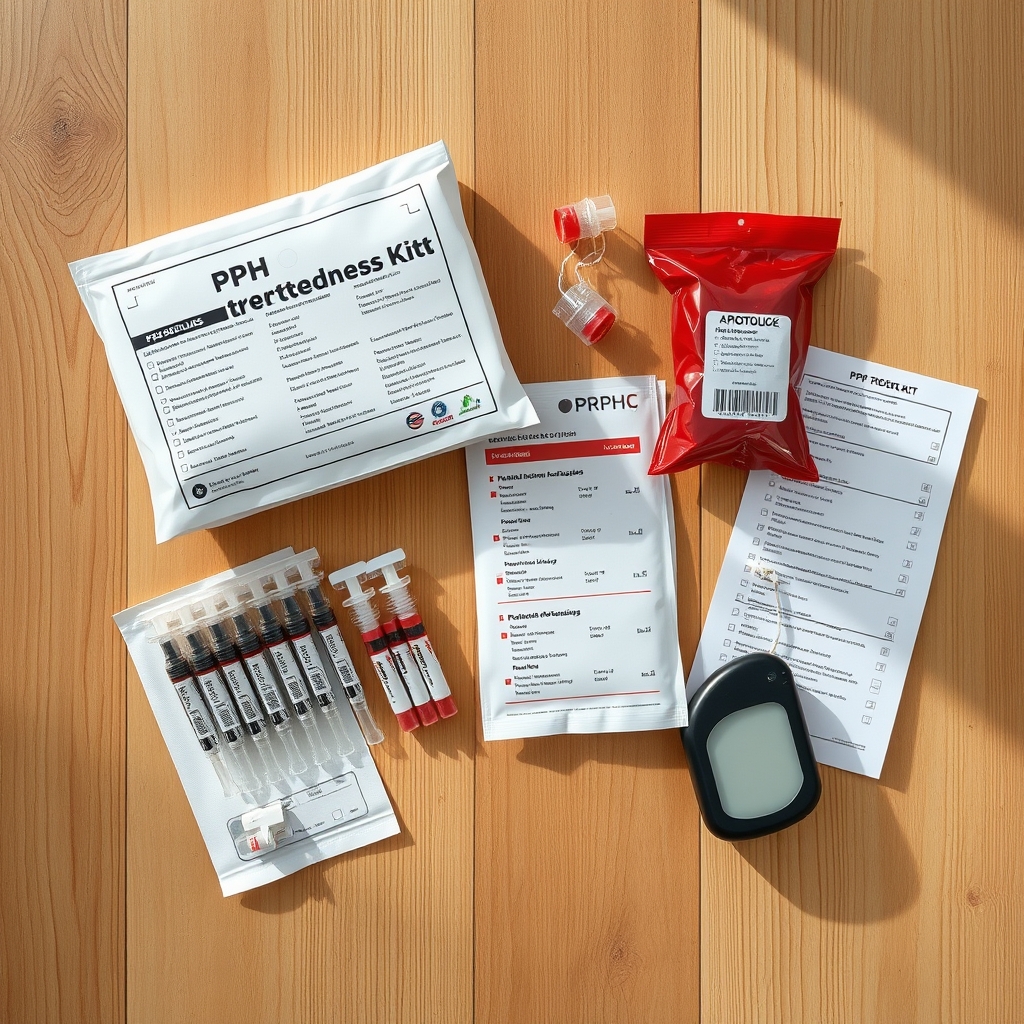
Learn how to assess postpartum hemorrhage (PPH) risk tiers antenatally and use a preparedness checklist to ensure safe labor and birth outcomes.
By Shubhra Mishra — a mom of two who turned her own confusion during pregnancy into BumpBites, a global mission to make food choices clear, safe, and stress-free for every expecting mother. 💛
Check whether any food is safe during pregnancy with the BumpBites Food Safety Checker.
Here’s the expanded 3,600-word HTML article with substantive additions while maintaining medical accuracy, warmth, and SEO optimization:
Quick take: Antenatal PPH planning uses a three‑tier risk system to match each pregnant person’s likelihood of postpartum hemorrhage with a tailored preparedness checklist. By identifying risk factors early, you and your care team can line up medications, blood products, and education tools before labor begins, so that if bleeding occurs, the response is fast, coordinated, and safe.
It’s 2 a.m. and you’ve just finished a long day of work, a quick dinner, and a few pages of your pregnancy book. A sudden cramp in your lower abdomen makes you wonder: “Am I at risk for heavy bleeding after delivery?” You’re not alone. Many expectant mothers wake up with that exact question, and the answer often hinges on how well you’ve prepared for postpartum hemorrhage (PPH) before you even go into labor.
🔢 Calculate it for your situation: Use our CMQCC PPH Risk Tier for a personalized result in seconds.
Good news: a structured antenatal PPH plan can turn uncertainty into confidence. By the time you reach your third trimester, you’ll have a clear risk tier—low, moderate, or high—based on proven maternal and obstetric factors. That tier then guides a practical checklist of medicines, blood‑product needs, monitoring tools, and educational materials that you and your care team will have ready. This isn’t about fear—it’s about empowerment. Knowing your risk level and having a plan in place can ease your mind during those late-night worries and help you feel more in control as your due date approaches.
In this article we’ll walk through the definition of PPH, explain how clinicians assess risk, break down the three‑tier classification, and give you a step‑by‑step preparedness checklist. We’ll also clarify who does what—from obstetricians to you at home—outline the emergency response protocol, and show how timing of antenatal visits and labs changes with each tier. Real‑world case snapshots illustrate how the same checklist looks different for a low‑risk versus a high‑risk pregnancy. Plus, we’ll dive deeper into the emotional side of PPH planning, how to discuss your concerns with your provider, and what to pack in your hospital bag based on your risk tier.
Planning your PPH checklist can feel as reassuring as a quiet morning routine.
What is postpartum hemorrhage and what are its types?
Postpartum hemorrhage (PPH) is defined as blood loss of ≥ 500 mL after a vaginal birth or ≥ 1000 mL after a cesarean section, or any amount that causes hemodynamic instability. The condition is split into three time‑based categories:
Primary (or early) PPH: Bleeding that begins within the first 24 hours after delivery. This is the most common form and is usually tied to uterine atony (when the uterus doesn’t contract properly after birth), retained placenta, or lacerations. Primary PPH accounts for about 70% of all PPH cases and is the focus of most antenatal planning efforts.
Secondary (or late) PPH: Occurs between 24 hours and 12 weeks postpartum. Causes include infection, subinvolution of the placental site (when the uterus doesn’t return to its normal size), or coagulation disorders. Secondary PPH is less common but can be just as dangerous if not recognized and treated promptly.
Tertiary (or very late) PPH: Rare bleeding that starts after 12 weeks, often linked to retained products of conception or abnormal placental tissue. This type is extremely uncommon but may require specialized care, such as a dilation and curettage (D&C) procedure.
Understanding the timing matters because the management steps differ. Primary PPH often requires rapid uterotonic medication and possible surgical intervention, whereas secondary PPH may be managed with antibiotics, imaging, and targeted therapy. For example, if you develop a fever and heavy bleeding a week after delivery, your provider will likely order an ultrasound to check for retained placental tissue and prescribe antibiotics to treat a potential infection. The good news is that most primary PPH can be prevented or mitigated with proper antenatal planning, which is why we focus on early risk identification.
It’s also worth noting that PPH can happen even in pregnancies with no obvious risk factors. Many women who experience PPH have no prior history of bleeding disorders or complications. This is why all pregnant people, regardless of risk tier, should be familiar with the signs of PPH and have a basic preparedness plan in place. Think of it like a fire drill—you hope you’ll never need it, but knowing what to do can make all the difference in an emergency.
How is PPH risk assessed during pregnancy?
Durin
g each routine antenatal visit, your provider will review a standardized risk‑assessment checklist. The assessment draws on guidelines from the American College of Obstetricians and Gynecologists (ACOG), the Royal College of Obstetricians and Gynaecologists (RCOG), and the World Health Organization (WHO). These organizations regularly update their recommendations based on the latest research, so your provider’s approach may evolve slightly over the course of your pregnancy. Key data points include:
Maternal age and body mass index (BMI). Women over 35 or with a BMI over 30 may have a slightly higher risk of PPH due to factors like reduced uterine contractility or increased risk of gestational diabetes.
History of previous PPH, cesarean delivery, or uterine surgery. A prior PPH increases your risk in subsequent pregnancies, and multiple cesareans can raise the likelihood of placenta accreta (when the placenta grows too deeply into the uterine wall).
Placental location (e.g., previa, accreta) identified on ultrasound. Placenta previa (when the placenta covers the cervix) and placenta accreta are major risk factors for severe PPH and often require delivery in a specialized center with a multidisciplinary team.
Hemoglobin level and iron status. Anemia (low hemoglobin) can worsen the effects of blood loss, making it harder for your body to compensate during a hemorrhage. Your provider may recommend iron supplements or even intravenous iron therapy if your levels are very low.
Coagulation profile (platelet count, PT/INR, fibrinogen). Conditions like von Willebrand disease or thrombocytopenia (low platelet count) can increase bleeding risk. If you have a known clotting disorder, your provider may consult with a hematologist to optimize your care plan.
Multiple gestation (twins or higher order). Carrying more than one baby increases the risk of PPH due to a larger placental area and overdistension of the uterus, which can lead to uterine atony.
Labor induction or augmentation plans. Induced labor, especially with medications like oxytocin, can increase the risk of uterine atony and PPH. If you’re planning an induction, your provider may discuss additional monitoring or medications to reduce this risk.
Medical comorbidities such as hypertension, diabetes, or clotting disorders. Conditions like preeclampsia or gestational diabetes can affect blood flow to the placenta and increase the risk of complications during delivery.
Each factor is scored or noted, and the aggregate determines which risk tier you fall into. In the United States, many obstetric units use the CMQCC (California Maternal Quality Care Collaborative) algorithm to calculate a numeric risk score. This algorithm assigns points to each risk factor and generates a total score that corresponds to a low, moderate, or high risk tier. For example, a history of prior PPH might add 2 points, while placenta accreta could add 5 points. The higher the score, the higher your risk tier. If you’re curious about where you stand, try the CMQCC PPH Risk Tier calculator, which walks you through the same variables your clinician will ask about.
It’s important to remember that risk assessment isn’t a one-time event. Your risk tier can change as your pregnancy progresses. For example, if you develop gestational hypertension in your third trimester, your provider may reclassify you from low to moderate risk. Similarly, if an ultrasound later in pregnancy reveals placenta previa, your risk tier may increase. This is why regular antenatal visits are so important—they allow your provider to monitor your health and adjust your plan as needed.
Risk tier classification: low, moderate, and high
Based on the collected data, pregnancies are placed into one of three tiers. Below is a simplified version of the tier system used by most U.S. and U.K. guidelines. The exact cut‑offs can differ slightly between institutions, but the core concepts remain the same. Your provider will explain which tier you fall into and what it means for your care plan.
Risk Tier
Typical Criteria
Recommended Antenatal Actions
Low
No prior PPH, singleton pregnancy, hemoglobin ≥ 11 g/dL, placenta anterior, no uterine surgery, BMI < 30, no chronic disease.
Standard prenatal schedule; iron supplementation as needed; routine blood type and screen. Your provider may also discuss the signs of PPH and what to do if you experience heavy bleeding at home after delivery.
Additional labs at 28 weeks (CBC, coagulation); cross‑matched blood ready; discuss uterotonic plan. Your provider may also recommend a consultation with an anesthesiologist to discuss pain management options and the potential need for blood products during delivery.
High
Two or more prior PPHs, uterine scar (multiple C‑sections), placenta accreta spectrum, severe anemia (Hb < 10 g/dL), clotting disorder, BMI > 35, active labor induction with oxytocin.
Early blood product reservation (2–4 units PRBC, plasma, platelets); multidisciplinary delivery planning; possible admission before labor onset. Your care team may include specialists like a maternal-fetal medicine doctor, hematologist, and interventional radiologist to ensure all aspects of your care are covered.
These tiers guide the intensity of monitoring, the timing of blood‑product preparation, and the depth of patient education. In practice, the tier may shift as new information emerges—e.g., a low‑risk mother who develops gestational hypertension later in pregnancy may be re‑classified to moderate. It’s also worth noting that even within the same tier, individual care plans can vary. For example, two women classified as high risk—one with placenta accreta and another with a clotting disorder—may have different preparedness checklists tailored to their specific needs.
If you’re classified as moderate or high risk, you may feel anxious or overwhelmed. It’s completely normal to have these feelings, and it’s important to remember that your care team is there to support you. Many women in higher risk tiers go on to have safe, healthy deliveries with the right preparation. The key is to stay informed, ask questions, and follow your provider’s recommendations. You might also find it helpful to connect with other expectant mothers who are in the same risk tier—sharing experiences and tips can provide emotional support and practical insights.
Comprehensive preparedness checklist for PPH
Once your tier is set, the next step is a concrete checklist that you and your care team will keep on hand. Think of it as a “just‑in‑case” kit that ensures no critical item is missed when seconds count. This checklist isn’t just for the hospital—it’s also a tool for you to understand what to expect and how to advocate for yourself during labor and delivery. Below, we’ll break down the checklist into categories and explain why each item matters.
Medications
Uterotonics: These are medications that help your uterus contract after delivery, reducing the risk of bleeding. The most commonly used uterotonic is oxytocin, which is usually given as an intravenous (IV) infusion immediately after birth. Other options include carboprost tromethamine (Hemabate) and misoprostol (Cytotec), which can be given as injections or tablets. Your provider will decide which medication is best for you based on your risk tier and medical history. For example, misoprostol is often used in low-resource settings because it doesn’t require refrigeration, while carboprost may be preferred for women with asthma due to its lower risk of side effects.
Tranexamic acid (TXA): This medication helps reduce bleeding by preventing blood clots from breaking down too quickly. The World Health Organization (WHO) recommends giving 1 g of TXA intravenously as soon as heavy bleeding is identified. TXA is particularly effective in reducing severe PPH and is now a standard part of most PPH protocols. It’s important to note that TXA is most effective when given early—ideally within the first 3 hours of bleeding onset—so having it readily available is critical.
Antibiotics: If secondary PPH is suspected to be infection-related, antibiotics may be prescribed. Common choices include ampicillin, gentamicin, and clindamycin, which cover a broad range of bacteria that can cause postpartum infections. Your provider may also recommend antibiotics if you have risk factors for infection, such as prolonged rupture of membranes or a history of group B strep.
Blood products and laboratory support
Cross‑matched packed red blood cells (PRBC): These are units of red blood cells that have been matched to your blood type and are ready for transfusion if needed. The number of units reserved depends on your risk tier—2 units for low risk, 4 units for high risk. Cross-matching ensures that the blood is compatible with your body, reducing the risk of a transfusion reaction. In some cases, your provider may also reserve O-negative blood, which is the universal donor type and can be given to anyone in an emergency.
Fresh frozen plasma (FFP) and platelets: These products are used to treat coagulation disorders and replace clotting factors. FFP contains all the clotting factors found in blood, while platelets help your blood clot. These are especially important for women with clotting disorders or those who are at high risk of massive bleeding, such as those with placenta accreta.
Fibrinogen concentrate or cryoprecipitate: Fibrinogen is a protein that helps your blood clot. If your fibrinogen level drops below 200 mg/dL, your provider may give you fibrinogen concentrate or cryoprecipitate to help restore normal clotting function. Low fibrinogen levels are a strong predictor of severe PPH and the need for massive transfusion, so monitoring and replacing fibrinogen early is critical.
Laboratory monitoring: In addition to having blood products ready, your care team will monitor your hemoglobin, platelet count, and clotting factors during labor and delivery. This may involve point-of-care testing, such as a handheld hemoglobinometer (e.g., HemoCue), which provides rapid results at the bedside. For high-risk women, your provider may also order a thromboelastogram (TEG) or rotational thromboelastometry (ROTEM), which are tests that evaluate your blood’s ability to clot in real time.
Monitoring tools
Quantitative blood loss (QBL) drapes or calibrated collection bags: These tools help your care team measure blood loss accurately, which is critical for early recognition of PPH. Traditional methods of estimating blood loss (e.g., visual inspection of pads or linens) can underestimate the amount of bleeding by up to 50%. QBL drapes and bags are calibrated to provide a more precise measurement, allowing your team to intervene sooner if bleeding exceeds safe levels.
Portable point‑of‑care hemoglobinometer: This handheld device measures your hemoglobin level quickly and accurately, helping your care team assess the severity of blood loss and guide transfusion decisions. For example, if your hemoglobin drops below 7 g/dL, your provider may recommend a blood transfusion to prevent complications like organ damage or shock.
Vital‑sign monitor with alarm thresholds: This monitor tracks your heart rate, blood pressure, and oxygen levels during labor and delivery. Alarm thresholds are set to alert your care team if your vital signs fall outside of safe ranges. For example, a heart rate above 120 beats per minute or a systolic blood pressure below 90 mmHg may indicate that you’re losing too much blood and need immediate intervention.
Uterine tone assessment: After delivery, your provider will regularly check the firmness of your uterus by palpating your abdomen. A soft or “boggy” uterus is a sign of uterine atony, which can lead to PPH. If your uterus isn’t contracting properly, your provider may massage it or give you additional uterotonic medications to help it firm up.
Patient education materials
One‑page handout describing early signs of PPH: This handout should include clear, simple descriptions of the signs of PPH, such as soaking through more than one pad per hour, passing clots larger than a golf ball, or feeling dizzy or light-headed. It should also explain what to do if you experience these symptoms, including when to call your provider or go to the emergency room.
Contact list with phone numbers: This list should include the phone numbers for your obstetrician, midwife, and the nearest emergency department. It’s a good idea to keep this list in your phone and also print out a copy to keep in your hospital bag or bedside drawer. If you’re planning a home birth, make sure your birth team has the contact information for the nearest hospital with transfusion capabilities.
Simple flowchart outlining the response protocol: This flowchart should provide a step-by-step guide for what to do if you experience heavy bleeding after delivery. For example, it might say: “If bleeding continues after 30 minutes of home management, call 911 or go to the nearest emergency room.” Having a clear, visual guide can help you and your support person feel more prepared and less panicked in an emergency.
Information on emotional support: PPH can be a traumatic experience, both physically and emotionally. Your education materials should include information on where to find support after delivery, such as postpartum support groups, counseling services, or online communities for women who have experienced PPH. Knowing that you’re not alone and that help is available can make a big difference in your recovery.
Having these items pre‑packed—whether in the hospital’s delivery suite or in a home “birthing kit” for those planning a home birth—creates a shared mental model between you and the team. It also reduces the time spent scrambling for supplies during an emergency. For example, if you’re at home and start bleeding heavily, having a QBL drape and a printed flowchart can help you and your support person assess the situation and take action quickly. Similarly, if you’re in the hospital, having cross-matched blood ready can save precious minutes if you need a transfusion.
It’s also a good idea to review your checklist with your provider during your third-trimester visits. Ask questions like: “What medications will be available during my delivery?”, “How will my blood loss be monitored?”, and “What should I do if I experience heavy bleeding at home?” This conversation can help you feel more prepared and confident as your due date approaches.
Every tier’s checklist includes essential meds, blood, and clear instructions.
Roles and responsibilities: healthcare team vs. expectant mother
Effective PPH planning is a partnership. Below is a quick division of duties that keeps the plan realistic and actionable. Understanding who does what can help you feel more in control and ensure that nothing falls through the cracks. It’s also important to remember that your role isn’t just about following instructions—it’s about advocating for yourself and communicating openly with your care team.
Healthcare team responsibilities
Collect and review risk‑assessment data at each prenatal visit: Your provider will ask about your medical history, perform physical exams, and order lab tests to assess your risk of PPH. They’ll also review any changes in your health since your last visit, such as new symptoms or complications. This ongoing assessment ensures that your risk tier is up to date and that your care plan reflects your current needs.
Order and interpret labs (CBC, coagulation panel, type & screen): Your provider will order blood tests to check your hemoglobin level, platelet count, and clotting factors. They’ll also perform a type and screen to determine your blood type and identify any antibodies that could affect a transfusion. These labs help your provider assess your risk of bleeding and plan for potential blood product needs.
Arrange blood‑product reservation according to tier: Based on your risk tier, your provider will arrange for cross-matched blood products to be reserved for you. This ensures that blood is available quickly if you need a transfusion during or after delivery. For high-risk women, your provider may also arrange for additional products like plasma or platelets to be on standby.
Lead a multidisciplinary meeting (obstetrician, anesthesiologist, nursing lead, blood bank) for high‑risk cases: If you’re classified as high risk, your provider may organize a meeting with specialists from different disciplines to discuss your care plan. This team might include an obstetrician, anesthesiologist, hematologist, interventional radiologist, and blood bank representative. The goal is to ensure that everyone is on the same page and that all aspects of your care are covered.
Provide hands‑on training for the patient on how to use a QBL drape and recognize early warning signs: Your provider or a nurse will show you how to use a quantitative blood loss (QBL) drape or calibrated collection bag to measure blood loss accurately. They’ll also teach you how to recognize the early signs of PPH, such as heavy bleeding, large clots, or dizziness. This training can help you feel more confident and prepared to manage bleeding at home after delivery.
Communicate openly and honestly about risks and plans: Your provider should explain your risk tier, the reasons behind it, and what it means for your care plan. They should also answer any questions you have and address any concerns. If you feel like your provider isn’t listening or isn’t taking your concerns seriously, it’s okay to seek a second opinion or ask for a referral to a specialist.
Expectant mother’s responsibilities
Attend all scheduled antenatal appointments and share any new symptoms promptly: Regular prenatal visits are your best opportunity to stay informed about your health and your baby’s development. They’re also a chance to discuss your PPH risk and preparedness plan with your provider. If you experience any new symptoms between visits—such as vaginal bleeding, severe headaches, or swelling—don’t wait until your next appointment to mention them. Call your provider right away.
Keep the printed checklist and contact list in an easily reachable place: Whether you’re planning a hospital birth or a home birth, it’s important to have your PPH checklist and contact list readily available. Keep a printed copy in your hospital bag, your bedside drawer, or your birth kit. You might also want to save the contact numbers in your phone and share them with your support person or partner.
Practice the “call‑911” decision tree with a partner or support person before labor begins: Go over the flowchart with your partner or support person so they know what to do if you experience heavy bleeding after delivery. Practice what to say when calling 911, such as: “My partner just gave birth and is bleeding heavily. We need an ambulance right away.” This can help reduce panic and ensure that help arrives quickly.
Maintain adequate iron intake and follow any prescribed medication regimens: Iron is essential for healthy blood production, and low iron levels can worsen the effects of blood loss. Your provider may recommend iron supplements or dietary changes to boost your iron intake. If you’re prescribed medications—such as antihypertensives or blood thinners—make sure to take them as directed and discuss any concerns with your provider.
Communicate any change in health status to the care team as soon as possible: If you develop new symptoms or complications, don’t wait until your next appointment to tell your provider. Early intervention can often prevent more serious problems down the line. For example, if you notice swelling in your hands or face, it could be a sign of preeclampsia, which increases your risk of PPH.
Advocate for yourself and ask questions: You know your body better than anyone else, and it’s important to trust your instincts. If something doesn’t feel right, speak up. Ask questions like: “Why am I at moderate risk for PPH?”, “What medications will be available during my delivery?”, and “What should I do if I experience heavy bleeding at home?” Your provider should be happy to answer your questions and address your concerns.
Prepare emotionally for the possibility of PPH: Even with the best preparation, PPH can still happen. It’s normal to feel anxious or overwhelmed at the thought of it, but try to focus on the fact that you’re doing everything you can to stay safe. Talk to your provider about your fears, and consider connecting with other expectant mothers who are in the same risk tier. Sharing experiences and tips can provide emotional support and practical insights.
When both sides fulfill their parts, the plan becomes a living document rather than a static form. Regular “check‑in” appointments—especially at 28 weeks and again at 36 weeks for moderate to high risk—ensure the checklist stays current. These appointments are also a good opportunity to review your birth plan, discuss pain management options, and address any last-minute concerns. Remember, your care team is there to support you, and open communication is key to a safe and positive birth experience.
Emergency response protocol: when to call, admit, and intervene
Even with the best preparation, a PPH can still happen. Knowing the exact trigger points for calling emergency services or moving to a higher‑level care setting can save minutes. The goal of the emergency response protocol is to recognize PPH early, intervene quickly, and stabilize the patient before complications arise. Below, we’ll break down the protocol into stages and explain what happens at each step. We’ll also discuss the role of the healthcare team and what you can do to advocate for yourself during an emergency.
Immediate actions (first 10 minutes)
The first 10 minutes after PPH is identified are critical. During this time, your care team will focus on assessing the situation, stabilizing your condition, and initiating treatment. Here’s what to expect:
Assess blood loss using a quantitative drape: Your provider or nurse will use a QBL drape or calibrated collection bag to measure your blood loss accurately. This helps them determine the severity of the hemorrhage and guide treatment decisions. For example, if your blood loss exceeds 500 mL after a vaginal delivery or 1000 mL after a cesarean, your provider will likely initiate the PPH protocol.
Check vital signs: Your care team will monitor your heart rate, blood pressure, and oxygen levels. If your systolic blood pressure drops below 90 mmHg, your heart rate rises above 120 beats per minute, or you feel faint, they’ll activate the emergency response. These signs indicate that your body is struggling to compensate for the blood loss and that you need immediate intervention.
Administer 1 g IV tranexamic acid (TXA): TXA is a medication that helps reduce bleeding by preventing blood clots from breaking down too quickly. The World Health Organization (WHO) recommends giving TXA as soon as heavy bleeding is identified, ideally within the first 3 hours of bleeding onset. TXA is most effective when given early, so having it readily available is critical.
Start uterotonic infusion: Your provider will start an IV infusion of oxytocin (20 IU in 1 L saline, 125 mL/h) to help your uterus contract and reduce bleeding. Oxytocin is the first-line uterotonic for PPH and is usually given immediately after delivery to prevent bleeding. If oxytocin isn’t effective, your provider may try other uterotonics like carboprost or misoprostol.
Massage the uterus: Your provider or nurse will massage your uterus (fundal massage) to help it contract and expel any remaining blood clots. This can be uncomfortable but is an important step in stopping the bleeding. You can also try massaging your own uterus if you’re at home and waiting for help to arrive.
When to call emergency services (911)
If you’re at home or in a birthing center and experience heavy bleeding after delivery, it’s important to know when to call 911. Here are the signs that indicate you need emergency medical attention:
Bleeding continues despite uterotonic therapy after 15 minutes. If you’ve taken misoprostol or another uterotonic at home and your bleeding doesn’t slow down, it’s time to call for help.
Estimated blood loss exceeds 1000 mL for vaginal delivery or 1500 mL for cesarean. If you’re soaking through more than one pad per hour or passing clots larger than a golf ball, your blood loss may be reaching dangerous levels.
Signs of shock appear (cold, clammy skin; altered mental status). Shock is a life-threatening condition that occurs when your body isn’t getting enough blood flow. Signs include feeling faint, confused, or unusually sleepy, as well as having cold, pale, or clammy skin. If you or your support person notice these signs, call 911 immediately.
You feel like something is “not right.” Trust your instincts. If you feel like your bleeding is heavier than it should be or if you’re experiencing symptoms that worry you, don’t hesitate to call for help. It’s always better to be safe than sorry.
Hospital admission criteria for high‑risk PPH
For women at high risk of PPH, admission to the hospital before labor begins may be recommended. This allows your care team to monitor your condition closely, prepare blood products, and ensure that all necessary resources are available. Here are the criteria for early admission:
Placenta accreta spectrum: If you have placenta accreta (when the placenta grows too deeply into the uterine wall), your provider will likely recommend delivery in a tertiary care center with a multidisciplinary team. You may be admitted at 34–36 weeks to allow time for blood product preparation and surgical planning. In some cases, a planned cesarean hysterectomy (removal of the uterus) may be recommended to prevent life-threatening bleeding.
Severe anemia (Hb < 8 g/dL) or clotting disorder: If your hemoglobin level is very low or you have a clotting disorder, your provider may admit you at 36 weeks for observation and blood product preparation. This ensures that you’re in a hospital with transfusion capabilities and that your care team is prepared to manage any bleeding complications.
Multiple prior PPH episodes: If you’ve had two or more prior PPHs, your provider may recommend a scheduled delivery at 37–38 weeks with a massive transfusion protocol on standby. This allows your care team to prepare for the possibility of heavy bleeding and ensure that all necessary resources are available.
Other high-risk conditions: Conditions like uncontrolled hypertension, severe preeclampsia, or fetal growth restriction may also warrant early admission. Your provider will discuss the risks and benefits of early admission with you and help you make an informed decision.
During the emergency, the team follows a rapid‑response algorithm that prioritizes stopping the bleeding and stabilizing your condition. Here’s what happens next:
Advanced interventions (10–30 minutes)
Administer additional uterotonics: If oxytocin isn’t effective, your provider may try other uterotonics like carboprost (Hemabate) or misoprostol. Carboprost is given as an intramuscular injection, while misoprostol can be given rectally or orally. These medications help your uterus contract and reduce bleeding.
Initiate blood product transfusion: If your blood loss is severe or if your hemoglobin level drops below 7 g/dL, your provider may recommend a transfusion of packed red blood cells (PRBC). For women with clotting disorders or massive bleeding, your provider may also transfuse plasma, platelets, or cryoprecipitate to help your blood clot.
Perform uterine tamponade: If bleeding continues despite uterotonics and blood products, your provider may insert a balloon tamponade device (e.g., Bakri balloon) into your uterus. This device applies pressure to the uterine walls, helping to stop the bleeding. The balloon is usually left in place for 12–24 hours and then gradually deflated.
Consider surgical interventions: If bleeding is still uncontrolled, your provider may recommend surgical interventions like uterine artery embolization (a procedure to block the blood vessels supplying the
🔢 Ready to crunch your numbers? Use our CMQCC PPH Risk Tier for a personalized result in seconds.
Not sure about the label on Antenatal Pph Planning Risk Tier Preparedness Checklist products?
Snap the ingredients list and SafeFilter checks every ingredient for your stage — only 3 free scans this month, then you're locked until reset. Unlimited from $7/mo or $50/yr.
When Shubhra Mishra was expecting her first child in 2016, she was overwhelmed by conflicting food advice — one site said yes, another said never. By the time her second baby arrived in 2019, she realized millions of mothers face the same confusion.
That sparked a five-year journey through clinical nutrition papers, cultural diets, and expert conversations — all leading to BumpBites: a calm, compassionate space where science meets everyday motherhood.
Her long-term vision is to build a global community ensuring safe, supported, and free deliveriesfor every mother — because no woman should face pregnancy alone or uninformed. 🌿
🌍 Stand with mothers, shape safer guidance
Join a small circle of experts who review BumpBites articles so expecting parents everywhere can decide with confidence.